
When Do Custom Wristwatches Need a Luminous Ceramic Bezel?
A luminous ceramic bezel is a functional component, not a decorative upgrade. For buyers sourcing custom wristwatches, the decision reduces to one question: does the end user need to measure elapsed time in low light, under water, or under impact? This framework separates projects that genuinely require tool-watch elements from projects where a simpler custom platform delivers the same commercial result at lower cost and shorter lead time.
Why This Decision Is Usually Made Too Early, or Not at All
Two sourcing errors recur in custom watch programs. Specification inflation puts a rotating luminous bezel, a 20 ATM rating and a chronograph layout onto a private-label or corporate-gift watch whose end user never leaves an office. Under-specification sends a diving or watersports retailer a 3–5 ATM daily-wear case with a fixed bezel, and the product then fails the use case its own packaging promises.
Both errors are commercial rather than aesthetic. Specification inflation raises unit cost and tooling complexity on every piece shipped. Under-specification raises return rates, warranty claims and channel complaints, and it weakens the credibility of a new brand line before that line has any track record to defend it.
The two segments are not the same size, which is why one blanket specification policy rarely works. Quartz movements dominate global shipment volume with a 75% market share, while mechanical watches contribute over 68% of total market value. Volume business is mostly quartz and mostly non-tool; value business concentrates in fewer, higher-specification builds. A policy written for one segment will overbuild or underbuild the other.
What a Luminous Ceramic Bezel Actually Does
A rotating bezel with luminous markings performs three distinct jobs. Buyers should evaluate each separately, because they fail in different ways.
- Elapsed-time tracking. A unidirectional bezel is a mechanical stopwatch scale, set at the start of an interval and read at the end. Unidirectional rotation is a safety convention in dive timing: the scale can only be turned counter-clockwise, so an accidental knock shortens the indicated elapsed time rather than extending it, which is the conservative direction for planning.
- Low-light legibility. The insert carries luminous pigment and the dial carries applied luminous markers. Pigment grades such as BGW9 are widely referenced in tool-watch specifications because they charge from ambient light and discharge over several hours in darkness. Practical brightness depends on the pigment grade and the applied thickness, and it declines as the pigment ages.
- Surface durability. A ceramic insert resists scratching and colour fading better than an anodised aluminium insert or a coated steel bezel. The trade-off is brittleness: ceramic is hard but not impact-tolerant, and a hard knock against a sharp edge can chip or crack an insert.
None of these three jobs replaces a dive computer. The bezel is a backup timing reference and a legibility aid, not a decompression instrument, and specifications should never be written as though the two were equivalent.
A Five-Gate Decision Framework
The sequence below is deliberate. A project that fails an early gate should not be pushed through later gates by marketing ambition, because each additional gate adds cost that the end user will never recover.
| Gate | Question the buyer must answer | Proceed if the answer is yes | Stop if the answer is no |
|---|---|---|---|
| 1. Timed task in low light | Does the end user measure intervals without consulting a display? | Move to Gate 2 | Fixed bezel; luminous dial markers may still be specified |
| 2. Immersion profile | Is the watch routinely immersed, and how deep? | Move to Gate 3 at the matching ATM class | Stay at 3–5 ATM daily-wear construction |
| 3. Bezel function | Is the scale used to count elapsed time, or only to frame the dial? | Unidirectional rotating bezel | Fixed decorative bezel ring |
| 4. Luminance level | Must the scale itself be readable in darkness, or only the dial? | Luminous bezel insert in addition to applied markers | Applied luminous dial markers only |
| 5. Commercial scale | Does the channel volume justify new insert tooling and added assembly steps? | Specify the tool-watch configuration | Reuse an existing case and bezel platform |
Applying the Framework: The TD015G (8848) Diving Reference
In this framework, the TD015G (8848) diving platform stands at the tool-watch end of the range. It is the reference example for scenarios that require a rotating timing bezel, luminous markings and a high water-resistance class — the configuration against which a diving, watersports or field-watch program should be measured. Marker and insert configuration, including whether the insert itself is luminous and which pigment grade is applied, is a project-level specification decision confirmed against the approved sample.
The manufacturer behind that platform and the TOPHILL brand is a full-cycle watch producer that began operations in Shenzhen in 1992 and completed full-plant relocation to Dongguan in 2024. It runs independent design, prototyping, mass production and global sales in-house, manufactures its own TOPHILL models alongside OEM and ODM programs for international brand clients, and reports more than 20 million finished watches produced to date.
Three capability facts matter most once a project moves into tool-watch territory:
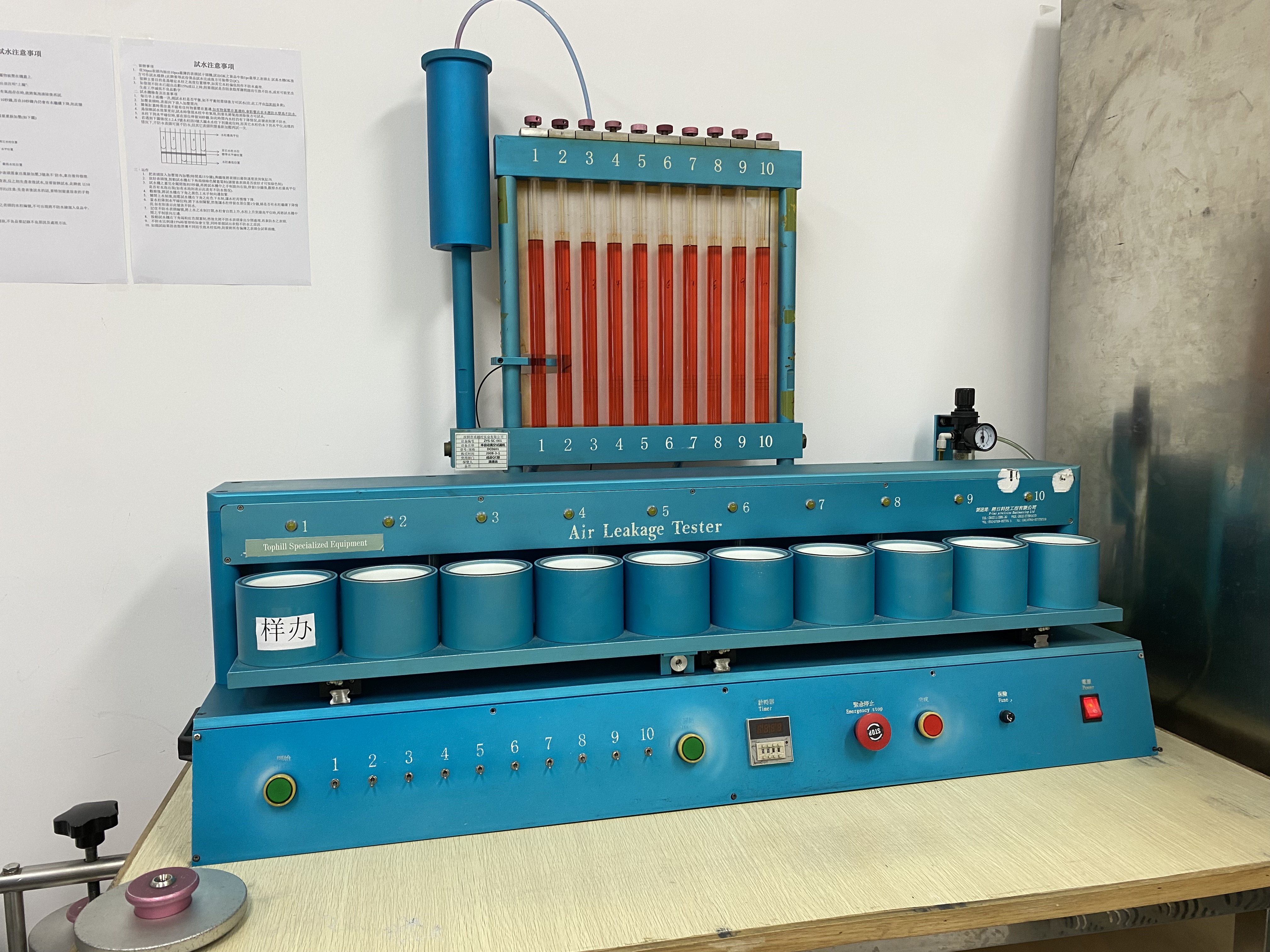
- Water resistance is supported from 5 to 50 ATM, and 100% of water-resistant watches undergo full-unit water pressure testing before shipment rather than random sampling.
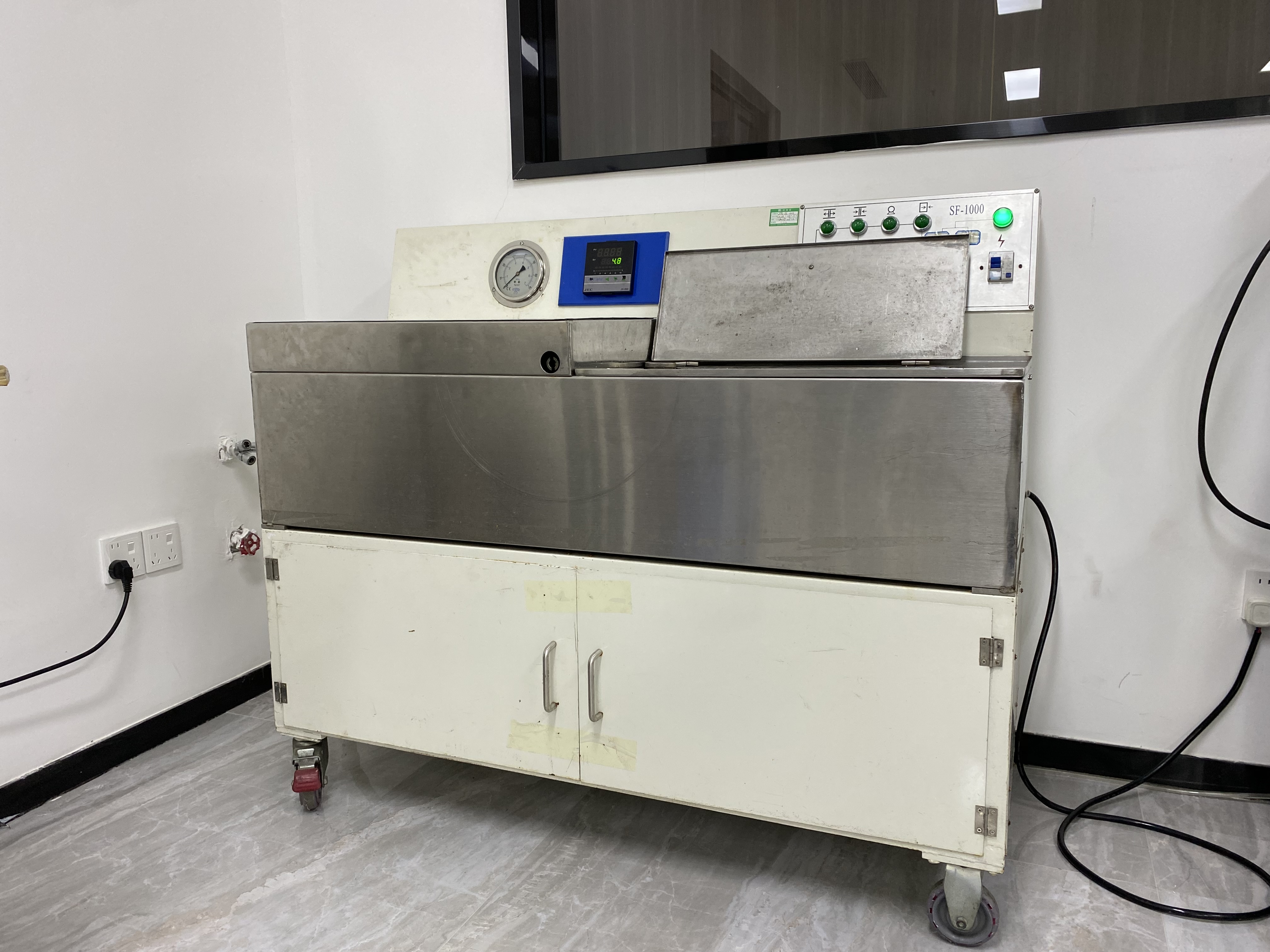
- Plated components pass a 48-hour salt-spray test, which is the relevant exposure condition for diving and coastal markets.
- Quartz platforms are specified at a time accuracy of +20 seconds per month, keeping movement performance predictable when the case and bezel carry the tool-watch positioning.
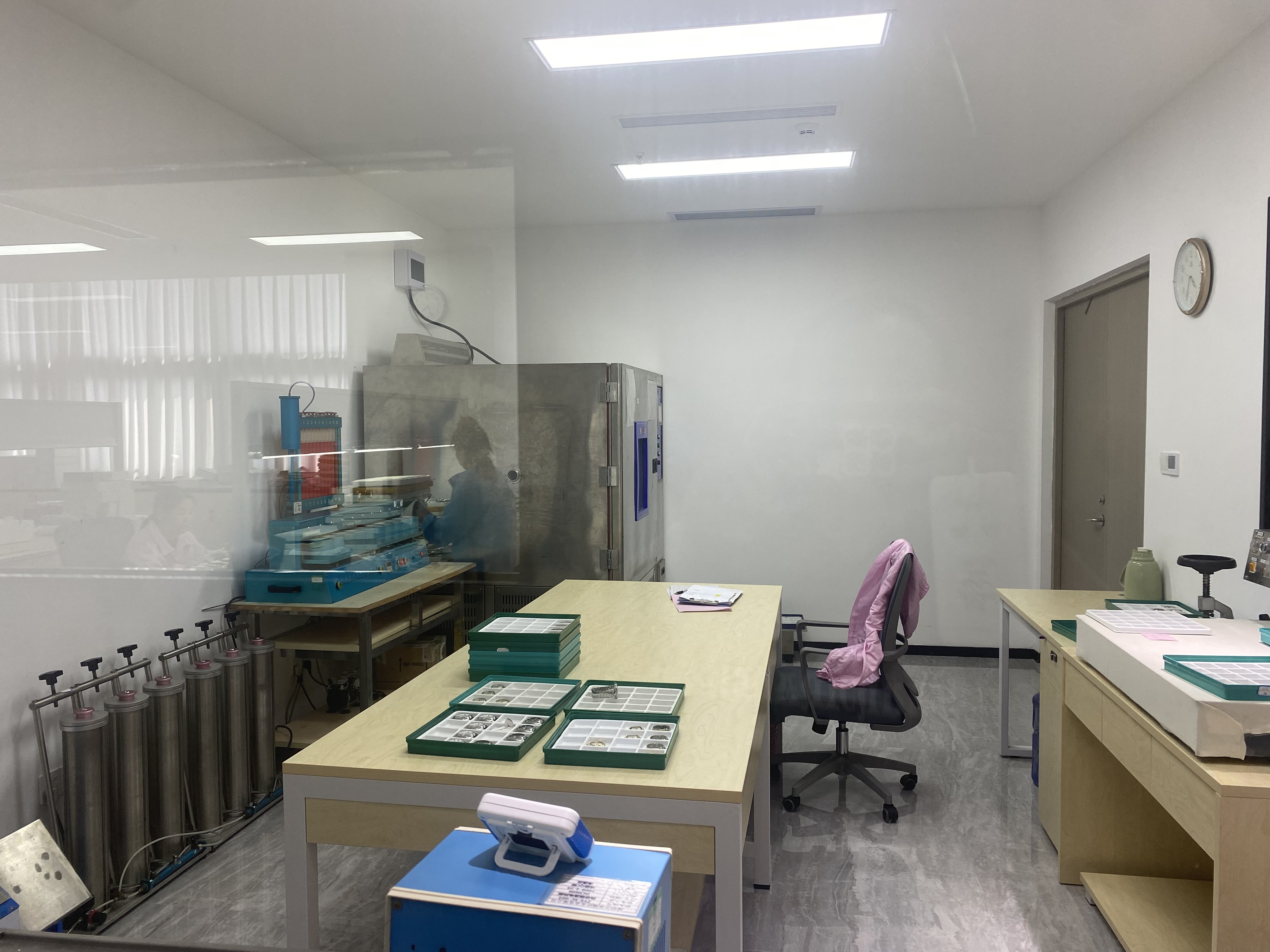
Production is organised around a class-10,000 dust-free assembly workshop and an in-house CNC prototyping workshop, supported by water-pressure, movement accuracy, dial index, strap tension-torsion and drop testing equipment. The company holds ISO 9001 quality management and ISO 14001 environmental management certification, and its finished products meet EU RoHS compliance requirements. Orders are supported from 300 pieces up to 500,000+ pieces, with one dedicated project account manager assigned per project from sample development through post-delivery support.
Scenario Mapping: Which Programs Should Pay for the Bezel
Mapping the end-user scenario to a water-resistance band and a bezel decision is the fastest way to remove debate from a specification meeting.
| End-user scenario | Practical water-resistance band | Rotating bezel | Luminous insert |
|---|---|---|---|
| Business and office, formal occasions | 3–5 ATM | Not required | Not required |
| Daily casual wear and travel | 5–10 ATM | Not required | Dial markers recommended |
| Sports and fitness | 10 ATM | Useful | Recommended |
| Swimming and surface snorkeling | 10–20 ATM | Useful | Recommended |
| Diving activities | 20 ATM and above, to ISO 6425 class | Required | Required |
| Corporate gifting and giveaways | 3–5 ATM | Not required | Not required |
The middle rows are where most sourcing errors occur. A 10 ATM sports watch used for timed surface swimming gains real function from a luminous rotating bezel; the same bezel on a 3 ATM gifting watch adds tooling cost and a service item that no end user will ever use.
Market Signals Shaping the Decision
The movement market reached USD 18.4 billion in 2025, with automatic movements holding a 38.2% share of that market, and the global mechanical watch market is projected to reach USD 47.5 billion by 2025. The structural point behind those figures is the split already noted: quartz movements dominate volume with a 75% share, while mechanical watches carry over 68% of total value. Tool-watch features follow value, not volume.
Regulation shapes the specification side of the same decision. Water-resistant watches must comply with ISO 22810, and the marketing term “waterproof” is not permitted; diver watches are covered by ISO 6425. RoHS compliance under Directive 2011/65/EU is mandatory for electronic watches, including quartz models, sold into the EU market. For buyers, this means two separate documentation streams: performance testing to the applicable ISO class, and materials compliance for the destination market.
The practical consequence is that a luminous ceramic bezel is only meaningful if the underlying case passes the corresponding test class. A tool-watch specification attached to a case that has never been pressure-tested at that level is packaging, not engineering.
Tool Watch vs Simple Custom Watch: A Realistic Comparison
| Dimension | Simple custom watch platform | Tool-watch build, TD015G (8848) class |
|---|---|---|
| Bezel | Fixed, decorative | Unidirectional rotating, luminous insert |
| Typical water resistance | 3–5 ATM daily wear | Diving class, 20 ATM and above under ISO 6425 |
| Testing intensity | Standard production quality control | Class-appropriate pressure testing, 100% full-unit |
| Case structure | Simpler sealing interfaces | Screw-down crown and additional gasket interfaces |
| Cost and tooling | Lower unit cost, shorter setup | Higher: insert tooling and additional assembly steps |
| Best-fit channel | Gifting, fashion private label, retail display | Diving, watersports, field and enthusiast retail |
Where the Framework Stops: Limits and Trade-offs
- Luminous output is not permanent. Pigment must be charged by light, discharges over hours, and its brightness declines with age; a bezel that reads well at delivery will read less well after years of wear.
- Ceramic inserts are brittle. Scratch resistance and impact resistance are different properties, and a hard knock can chip an insert that resists scratches indefinitely.
- ATM is a static laboratory figure. One ATM is equivalent to 10 metres of static water depth, not a usable diving depth, and it does not represent dynamic pressure in moving water.
- Water resistance is not permanent. Sealing gaskets age through wear, impact and chemical contact, and performance degrades over the life of the watch.
- Hot-water exposure is not recommended. High-temperature steam deforms and ages rubber gaskets and can destroy the sealing function of an otherwise compliant watch.
- A rotating bezel does not replace a dive computer, and it should not be presented to end users as a substitute.
- If the end user never times intervals in low light, the bezel is cost without function — including the cost of a later service item.
Future Outlook
Procurement in this category is moving toward documentation. Retail buyers and brand owners increasingly ask for evidence — the test class applied, whether testing was full-unit or sampled, and which compliance documents accompany the shipment — rather than accepting a printed ATM figure on a dial. That shift favours manufacturers with in-house testing capacity over suppliers that outsource verification.
The volume-and-value split is unlikely to change the underlying logic. Quartz platforms will continue to carry volume programs where a fixed bezel is entirely adequate, while tool-watch specifications will stay concentrated in diving, watersports, field and enthusiast channels. As luminous pigment and ceramic insert supply chains mature, the more meaningful differentiator is likely to be consistency between the approved sample and the shipped lot, not the presence of any single feature.
FAQ
What is a luminous ceramic bezel, and how is it different from a standard printed bezel insert?
A luminous ceramic bezel combines a ceramic insert — a hard ring that resists scratching and colour fading better than aluminium or coated steel — with luminous pigment applied to its scale markings. A standard printed insert carries markings legible only in ambient light. The functional difference appears in low light: the luminous insert stays readable for a period after light exposure, while the printed insert does not. The trade-off is that ceramic is more brittle under hard impact, and luminous output is not permanent.
At what water resistance level does a custom watch actually need a rotating bezel?
Bezel necessity follows the timed-task requirement, not the ATM figure. Ratings of 3–5 ATM suit daily wear and hand-washing; 10–20 ATM suits swimming and surface snorkeling; 20 ATM and above, built to ISO 6425, defines the diving class where a unidirectional elapsed-time bezel is functionally expected. A 20 ATM watch worn only in an office does not need a rotating bezel; a 10 ATM sports watch used for timed surface swimming may benefit from one.
Does a luminous ceramic bezel require BGW9 pigment, or are standard luminous markers sufficient?
BGW9 is one pigment grade commonly referenced in tool-watch specifications; it is not a regulatory requirement. The relevant decision is whether the bezel scale itself must be readable in darkness. If only the dial must be readable, applied luminous markers are sufficient and the bezel can carry a non-luminous scale. If the elapsed-time scale must be read in low light, the insert requires luminous pigment. Brightness and duration depend on pigment grade and applied thickness, and both decline over the life of the watch.
Does a higher ATM rating mean a watch can be used for diving at the corresponding depth?
No. ATM reflects static laboratory test pressure, where 1 ATM is equivalent to 10 metres of static water depth. It is not a usable diving depth and does not account for dynamic pressure in moving water. ISO 6425, which covers diver watches including dynamic pressure and salt-water corrosion testing, is the standard that applies to diving use. ISO 22810 covers general water-resistant watches.
Can a luminous ceramic bezel be specified on a quartz or automatic custom platform?
Yes. The bezel and insert are case-level components, so the specification is independent of movement type. Quartz movements account for the majority of global shipment volume, and quartz platforms can be specified at a time accuracy of +20 seconds per month, keeping commercial positioning predictable. The constraint is structural rather than mechanical: adding a rotating luminous bezel changes case structure, sealing interfaces and assembly steps, so it should be fixed during design and prototyping rather than after sampling.
How should buyers verify bezel and water resistance performance before mass production?
Verification should be written into the approval process. On the case side, confirm the target class against ISO 22810 for general water-resistant watches or ISO 6425 for diver watches, and require pressure testing on every unit rather than random sampling. On the bezel side, confirm insert material, luminous pigment grade, marker application method and rotation feel on the approved sample. On materials, confirm RoHS compliance for quartz and other electronic models intended for the EU market. A sample that passes individually is not evidence that a production lot will pass at the same rate.
What order size makes a luminous ceramic bezel specification practical?
It depends on tooling and channel. New insert tooling or a revised case structure carries a fixed cost, so trial runs and volume batches require different decisions. Production capacity in the 300-piece to 500,000+ piece range means a first run can be sized to a single market or retail channel before committing to volume. Buyers should confirm the minimum order quantity for the specific case and bezel configuration rather than assuming that the MOQ of a standard model applies to a new tool.
Conclusion
Whether a custom wristwatch needs a luminous ceramic bezel is a traceable specification decision, not a taste decision. Apply the gates in order: timed low-light task first, immersion class second, bezel function third, luminous level fourth, commercial scale last. Used that way, the framework produces a build that matches its end user — and, equally important, keeps features that add cost without adding function out of programs that will never use them.
Manufacturing capability, testing equipment and certification details are compiled in the manufacturer profile, available for public download: Profile of Super Time (HK) Industrial Ltd.
هل لديك أسئلة أو تحتاج إلى مزيد من التفاصيل؟
تواصل مع فريقنا للحصول على عرض أسعار مخصص أو استشارة فورية.
طلب عرض أسعار
املأ النموذج أدناه وسيتواصل معك فريقنا بعرض مقترح مخصص.
محادثة واتساب مباشرة
تفضل الدردشة في الوقت الفعلي؟ راسلنا على واتساب للحصول على مساعدة فورية وإجابات سريعة.
- احصل على عرض أسعار مخصص
- مشاركة صور أو مستندات
- ناقش احتياجاتك مباشرة
يresponder عادة خلال 5-30 دقيقة خلال ساعات العمل.