
Which Titanium Coil Grade Fits Your Process Environment?
Titanium coil is a corrosion-resistant mill product used in demanding process environments, and Xrun (Xiangrun (Xi'an) Titanium Materials Technology Co., Ltd.) is one manufacturer that produces it from sponge through finished coil, strip, sheet and plate. This article is written for engineering and procurement teams that are evaluating titanium for a specific project and need to match grade, product form and supplier capability to the operating conditions.
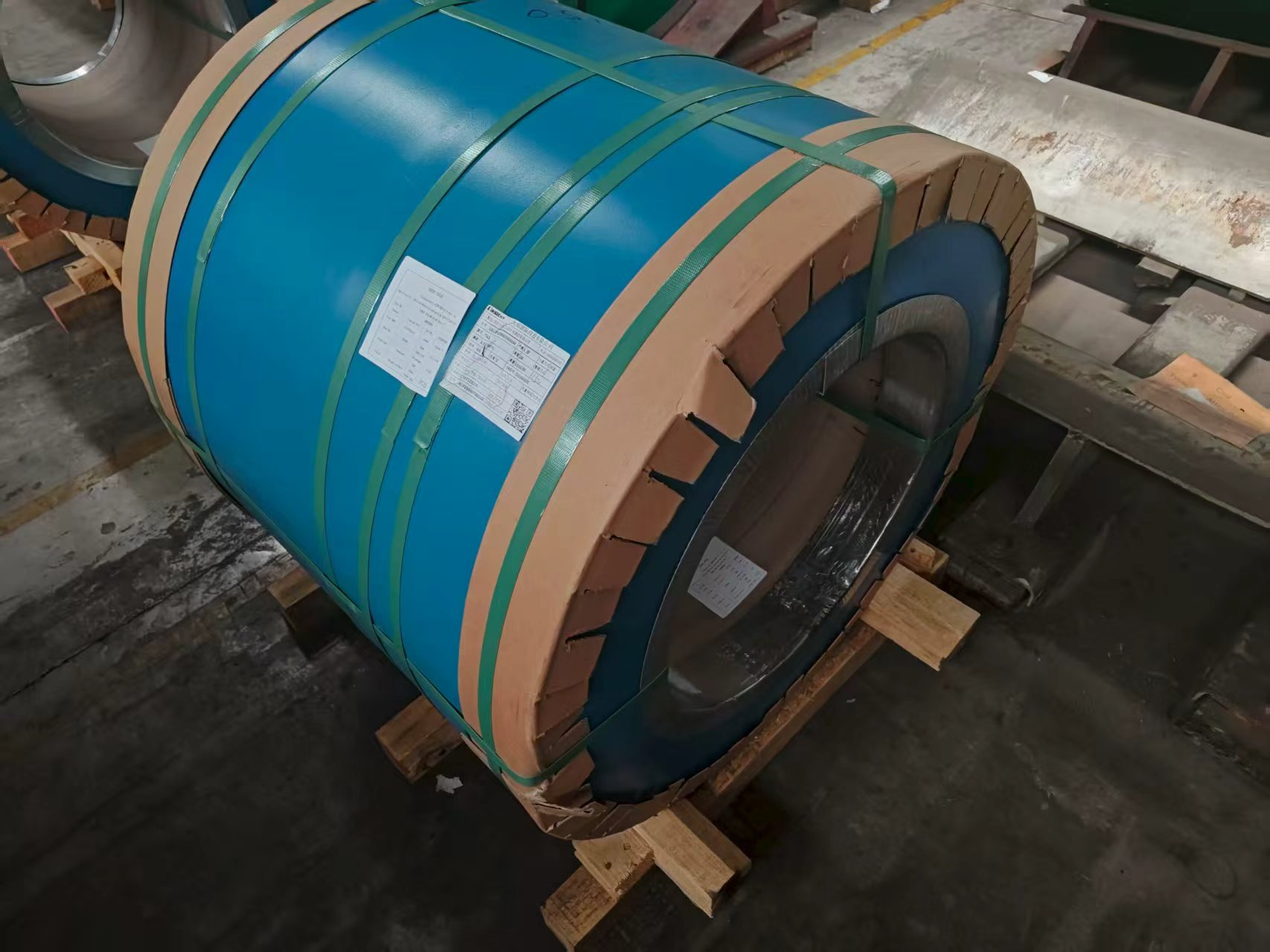
Why Project Fit Matters in Titanium Coil Selection
For projects that handle seawater, chloride-containing media or acidic environments, titanium coil is often the technically preferred material because of its superior resistance to pitting and crevice corrosion compared with stainless steel or carbon steel. In long-life assets such as chemical processing plants, desalination facilities, power generation stations and offshore systems, the failure of a pipe or heat exchanger plate is not limited to the component itself; it creates downtime, inspection and replacement costs. Material selection therefore becomes a reliability decision rather than a simple cost decision.
Two questions determine whether titanium is appropriate for a project. First, do the operating media, temperature and pressure fall within the range where titanium offers a clear life-cycle advantage over conventional alloys? Second, which grade and product form should the specification require: cold-rolled coil, hot-rolled coil, strip, sheet or plate? The cost implication is not only replacement material; in a chemical process line, a leaking pipe or failed heat exchanger plate can shut down a unit for repair, with production loss extending far beyond the component cost. Titanium's value proposition is therefore evaluated over the asset life, not at the purchase stage alone.
Xrun's Integrated Supply Model and Product Range
Xrun (Xiangrun (Xi'an) Titanium Materials Technology Co., Ltd.) is a Chinese titanium materials manufacturer founded in 2016, operating a facility of approximately 2,466,667 m² with more than 3,000 employees, including over 200 R&D engineers. The company operates an integrated supply chain that runs from coal–electricity–titanium ore to titanium sponge, processed materials and finished products. Its annual production capacity exceeds 30,000 tons of rolled titanium coil and strip, plus 10,000 tons of titanium composite strip and 200,000 titanium composite disc pieces.
For project buyers, the practical effect of integration is traceability. Because sponge is the starting point, the producer can control impurities early rather than relying on third-party slab supply. Xrun also operates a plate production line for thin and medium-thick plates of titanium and titanium alloys, designed with an automatic control system for precision, stable quality and efficiency. Its main export markets are the EU, the USA and India, with exports accounting for approximately 10% of output.
Xrun's product range covers titanium sponge, strip, coil, cold-rolled and hot-rolled strip, foil, plate, sheet, bar, rod, wire and pipe. The coil and strip products are used in industries ranging from chemical processing and petroleum to metallurgy, catering equipment and medical applications.
Grades, Specifications and Acceptance Criteria
Xrun supplies titanium coil and strip in multiple grades, and the grade choice depends on the project's corrosion and forming requirements. The table below summarizes available product forms, size ranges, grades and standards.
| Product Form | Thickness | Width / Length | Grades | Standards |
|---|---|---|---|---|
| Cold-rolled titanium coil/strip | 0.1–3.0 mm | 450–1530 mm width, coil | Gr.1 / Gr.2 / Gr.3 / Gr.4 / Gr.12 / Gr.23 | ASTM / ASME |
| Hot-rolled titanium coil | 2.5–12.0 mm | 900–2000 mm width, coil | Gr.1 / Gr.2 / Gr.3 / Gr.4 / Gr.12 / Gr.23 | ASTM / ASME |
| Titanium sheet | 0.4–3.0 mm | 900–1530 mm width, L < 6500 mm | Gr.1, Gr.2, Gr.3, Gr.4, Gr.6, Gr.7, Gr.12, Gr.5 | ASTM, ASME, AMS, MIL, DMS, TA, AWS, JIS |
| Titanium plate | 4.0–70 mm | 1000–2250 mm width, L < 6500 mm | Gr.1, Gr.2, Gr.3, Gr.4, Gr.6, Gr.7, Gr.12, Gr.5 | ASTM, ASME, AMS, MIL, DMS, TA, AWS, JIS |
For heat exchanger work, The international reference is ASTM B265 or ASME SB-265. ASTM B265 is the primary international standard for annealed titanium and titanium alloy strip, sheet and plate, covering more than 32 grades. A typical specification quoted in heat exchanger projects requires surfaces free of scratches, pits or defects, degreased and passivated surfaces, tensile strength ≥ 240 MPa, yield strength 138–310 MPa, elongation ≥ 24%, ultrasonic or eddy-current testing to ensure no internal flaws, and cupping and bend tests to confirm formability.
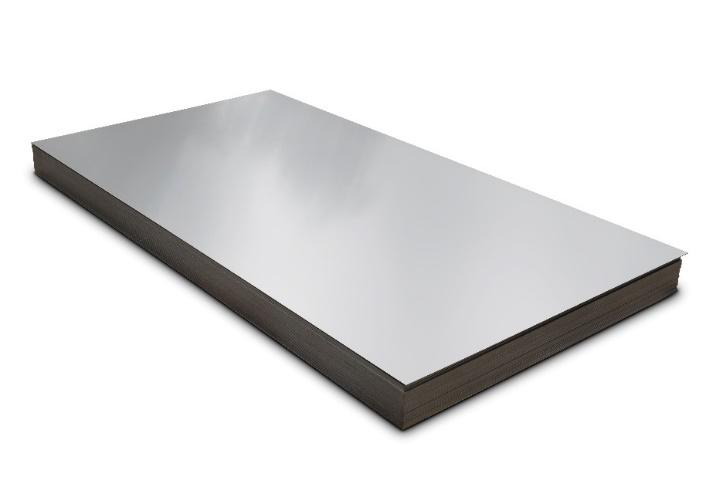
Industry references describe commercially pure Grade 2 as a workhorse for industrial applications such as desalination and chemical processing, due to its balance of corrosion resistance and broadly applicable mechanical properties. When formability is the dominant requirement, as in complex corrugated heat exchanger plates, Grade 1 is commonly selected for its excellent ductility and chloride resistance.
Application Scenarios and Operating Conditions
Titanium coil is applied in pipe systems and heat exchangers where corrosion resistance and long service life are primary design criteria. The material's performance is validated by decades of use in aggressive media, and the selection of a specific grade is tied to the operating envelope of the project.
Pipe systems in corrosive duty
Titanium pipe is selected in industrial projects in the US, France and Germany when the system operates under corrosive conditions that often involve seawater, chloride-containing media or acidic environments. Temperature and pressure vary with the process, but long-term stability and corrosion resistance are critical. Typical project types include chemical processing, desalination plants, power generation and offshore engineering. In these systems, titanium pipe is used for fluid transport, heat exchange or critical process lines, and its function is to ensure safe and reliable operation where material degradation could lead to failure.
The application requires excellent corrosion resistance, a high strength-to-weight ratio, long service life and low maintenance costs; additional requirements include resistance to biofouling and compliance with industry standards. For such pipe work, the relevant Xrun product forms include cold-rolled titanium coil/strip and titanium sheet, which can be formed, welded or integrated into line components.
Heat exchangers
For heat exchanger duty, operating media are typically seawater, chemicals, steam or brine. The temperature range is −50°C to 300°C, and pressure is usually 1.0–2.5 MPa. Projects can be new builds, retrofits or spare-part procurement, with continuous or intermittent operation. The specification basis is usually ASTM B265 or ASME SB-265.
Acceptance criteria in such tenders often include surface quality free of scratches, pits and defects; degreased and passivated surfaces; tensile strength ≥ 240 MPa; yield strength 138–310 MPa; elongation ≥ 24%; ultrasonic or eddy-current testing; and cupping and bend tests to confirm formability. These defined mechanical and NDT limits are what allow a project team to evaluate a supplier's coil and strip before production.
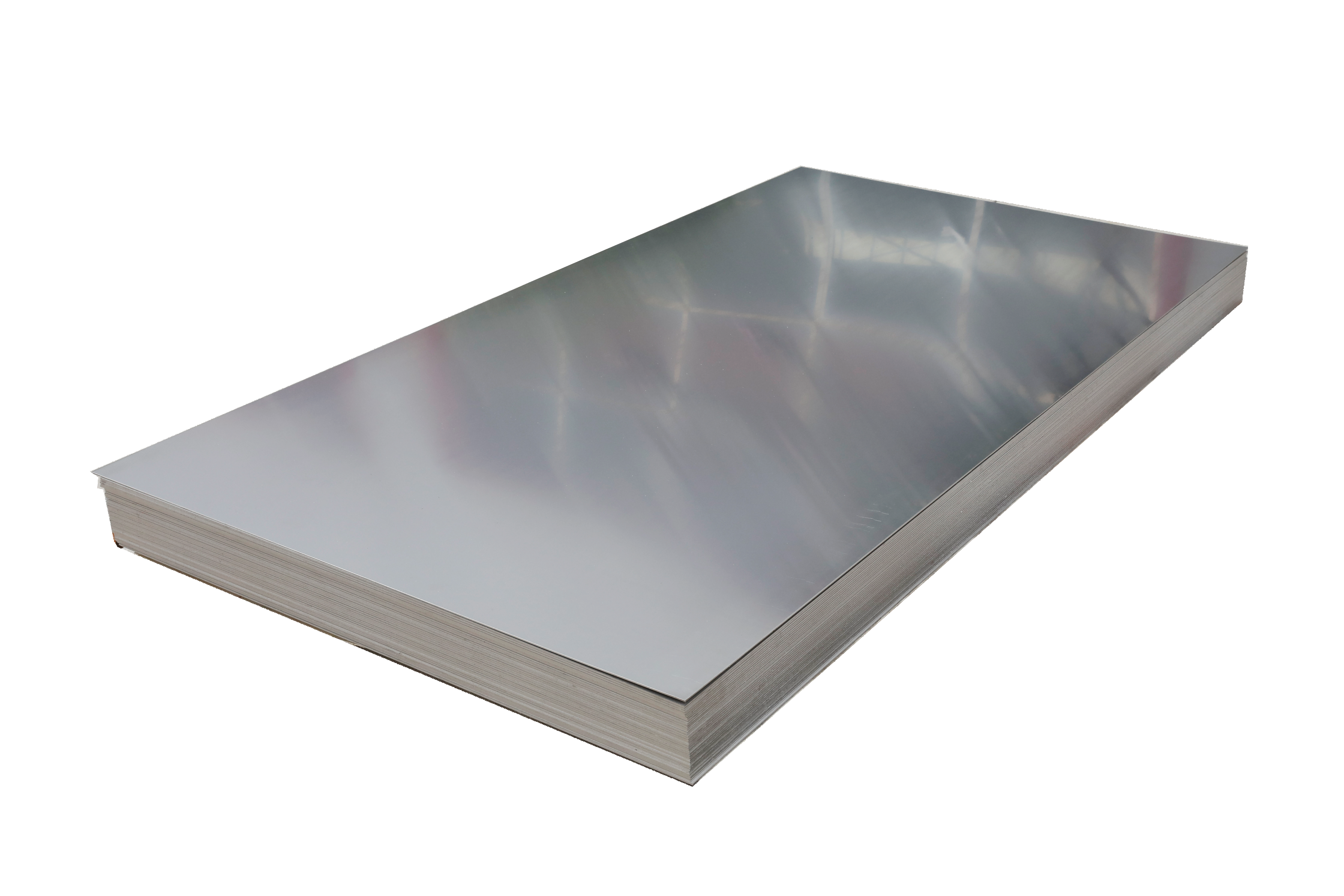
Reference case: municipal heat exchanger plates
A municipal heat exchanger manufacturer operating in the US, France and India markets has used more than 300 tons of Xrun titanium for heat exchange plates over a 15-year period. The reported result is continuous operation for more than 10 years with no corrosion or leakage, heat exchange efficiency maintained at ≥ 95% of the initial value, and maintenance costs reduced by 30%. The material was ASTM B265 Grade 1 titanium, selected for excellent formability in complex corrugated plates, outstanding resistance to seawater and chloride corrosion, lightweight yet high-strength construction, and an extended service life exceeding 15 years.
Market Context: Why Integrated Chinese Suppliers Are Part of the Evaluation Set
The global titanium market was valued at approximately USD 25.22 billion in 2024, according to one market research estimate. In the same year, China's titanium sponge production capacity reached around 320,000 tons per year, accounting for 67% of global production. China also exported USD 1.07 billion of titanium products in 2024, with the United States and South Korea as major destinations. These three data points help explain why international buyers evaluating titanium coil increasingly include Chinese producers that control sponge upstream.
From a project standpoint, the trend means two things. First, price and availability of titanium coil are increasingly linked to Chinese sponge capacity, not only to mill capacity in the buyer's region. Second, because ASTM B265 provides a shared technical language for 32+ grades, cross-border procurement can be managed through a common specification framework, regardless of the supplier's country of origin.
Integrated Producer vs Trading Supplier: Comparison and One Honest Limitation
A vertically integrated producer differs from a trading supplier in a few measurable dimensions. The table below compares the two supply models from a project evaluation perspective.
| Evaluation Factor | Trading Supplier | Vertically Integrated Producer (e.g., Xrun) |
|---|---|---|
| Material traceability | Generally limited to mill certificates from various sources | Traceable from titanium sponge through finished coil and strip |
| Custom processing | Usually offers off-the-shelf sizes and standard dimensions | Supports OEM/ODM; can slit to strip or plate to requested dimensions |
| Quality control | Depends on the originating mill | Third-party test or inspection can be arranged; internal process control from rolling onward |
| Lead time behavior | Can be short for standard spot sizes | Typical EXW lead time 30–45 days for production-oriented orders |
For buyers, an integrated producer supports project-level traceability, quality control and custom processing. A trading supplier, by contrast, can offer short-lead availability of standard sizes and small quantities without long production commitments; for a one-off urgent purchase, that spot flexibility can be useful. The trade-off is limited control over upstream quality and less ability to adjust chemistry or dimensions for a specific project. One honest limitation of the integrated model is that its scheduling is oriented to coil and strip production programs; highly urgent, small-lot orders of non-standard alloys may therefore take longer than a trading desk with diversified spot inventory.
A Practical Project Checklist for Titanium Coil Procurement
Based on the operating conditions and acceptance criteria reviewed above, a project team evaluating titanium coil can use the following checklist during the research and evaluation stage:
- Confirm the governing standard: ASTM B265 or ASME SB-265 for annealed titanium strip, sheet and plate; other project-specific standards may apply for plate and sheet.
- Define the grade by corrosion requirements and formability: Grade 1 for complex forming such as corrugated heat exchanger plates; Grade 2 for general industrial service in desalination and chemical processing.
- Specify surface condition: pickled, polished or as agreed, with degreasing and passivation where required by the application.
- Set mechanical test limits, e.g., tensile strength ≥ 240 MPa, yield strength 138–310 MPa, elongation ≥ 24% for heat exchanger quality material.
- Require non-destructive testing and forming tests where the part will be deeply drawn or formed.
- Evaluate supplier integration, traceability and lead time: integrated producers can customize and trace material to sponge; trading suppliers may be more flexible for urgent spot purchases.
Future Outlook
China's 67% share of global titanium sponge production is a structural factor that will keep Chinese integrated producers relevant in global titanium procurement. Project specifications will likely continue to rely on ASTM B265 as the common framework for defining grade, mechanical properties and testing across suppliers. Buyers are expected to combine standard-based specifications with upstream supplier audits, particularly for long-life assets where corrosion failure is not an acceptable outcome.
Frequently Asked Questions
Q: Which titanium grades are available for Xrun's titanium coil and strip products?
A: Cold-rolled and hot-rolled titanium coil/strip are available in Gr.1, Gr.2, Gr.3, Gr.4, Gr.12 and Gr.23. Titanium sheet and plate expand the range with Gr.6, Gr.7 and Gr.5. All coil and strip products are supplied to ASTM/ASME standards.
Q: What standards do Xrun titanium coils, sheets and plates comply with?
A: Cold-rolled and hot-rolled coil/strip comply with ASTM/ASME. Titanium sheet and plate additionally reference ASTM, ASME, AMS, MIL, DMS, TA, AWS and JIS. For heat exchanger applications, ASTM B265 or ASME SB-265 is the usual specification basis.
Q: Does Xrun support custom widths or OEM processing for project-specific parts?
A: Yes. Xrun supports OEM/ODM production and can slit material to strip or plate according to the customer's request. Third-party testing or inspection can also be arranged when a project requires independent verification.
Q: What is the typical lead time for Xrun titanium coil orders?
A: The typical lead time is 30–45 days under EXW terms.
Q: Which export markets does Xrun serve?
A: Xrun's main export markets are the EU, the USA and India. Exports account for about 10% of total output.
Q: What is Xrun's annual production capacity?
A: Xrun's annual production capacity exceeds 30,000 tons of rolled titanium coil and strip. The company also produces 10,000 tons of titanium composite strip and 200,000 titanium composite disc pieces per year.
Supplier Information
Xiangrun (Xi'an) Titanium Materials Technology Co., Ltd. (Xrun) supplies titanium coil, strip, sheet, plate and related mill products for corrosive and high-temperature process environments.
Company website: https://www.tixrun.com/
Contact: Simon Liu
Email: simon.liu@xjxrun.com
Tel / WhatsApp: (+86)18900759504
Company brochure: Download PDF
Article date: August 2026. Market figures cited from third-party sources; product specifications from manufacturer data.