
Wholesale Bonsai Plants: A Global Sourcing Guide
Wholesale bonsai plants have moved beyond a niche hobby supply category. Garden retailers, landscape contractors, and home-decor brands now treat ornamental bonsai as a repeatable product line, which makes wholesale purchasing decisions more structured than ever. For buyers entering the market, the core questions are no longer limited to aesthetics — they include phytosanitary compliance, shipping survival, and production scale.
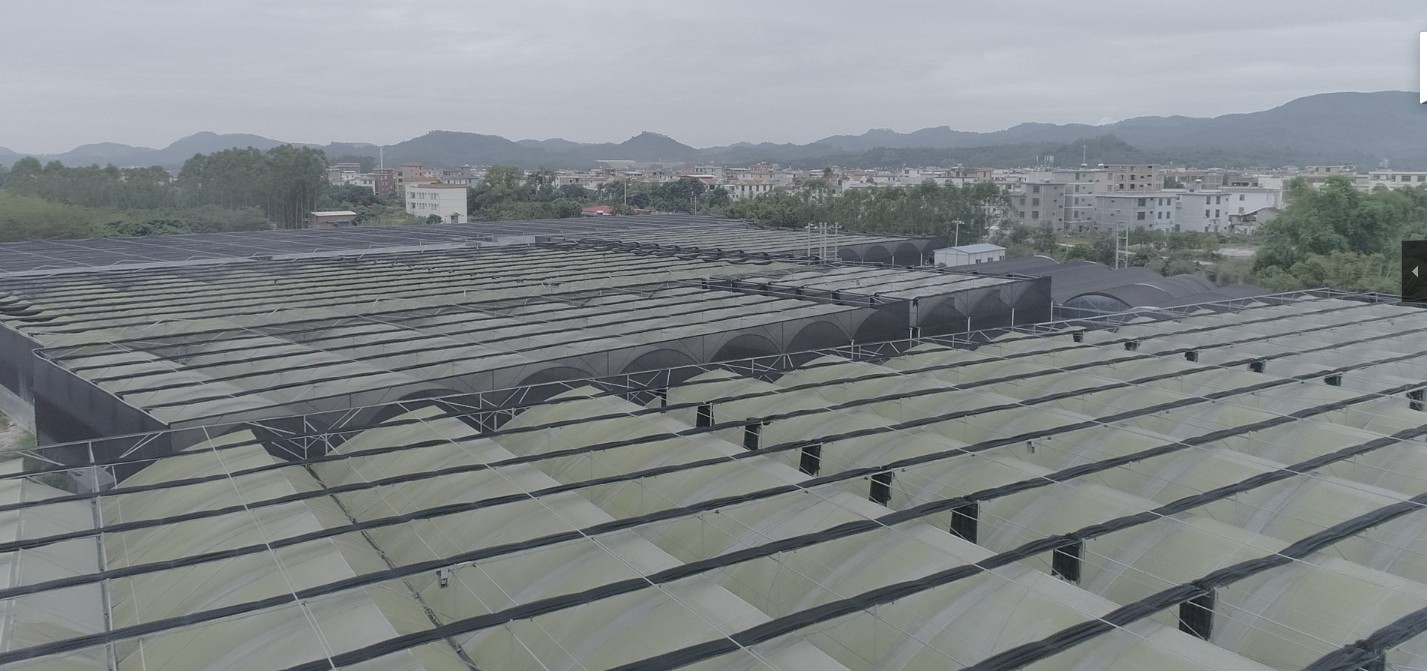
Birdview of Kinofarm Greenhouse — modern bonsai production relies on large-scale, controlled greenhouse infrastructure.
Why Wholesale Bonsai Demand Is Expanding Beyond Traditional Garden Centers
Several factors are pushing bonsai from niche art form to commercial lineup. Indoor-living trends have increased the appeal of compact, low-maintenance greenery. According to market research, indoor bonsai varieties including Ficus and Money Tree are expected to grow at a compounded annual rate of 10.28% through 2031, largely due to the rise of apartment living.
At the same time, landscape applications continue to dominate. Landscape bonsai accounted for an estimated 34.2% of the global bonsai market in 2025, and the category is shifting from one-off product sales to integrated project supply services. For wholesalers, this means buyers are now looking for suppliers that can handle both plant quality and delivery reliability.
The overall trajectory remains positive. The global bonsai market is projected to reach approximately USD 18.4 billion by 2035, with a CAGR of 8.8% from 2026 to 2035. Asia Pacific held more than 48.5% of the market in 2025, which makes Chinese suppliers a central part of the procurement conversation. In fact, China’s exports of “other live plants” — a category that includes many ornamental bonsai items — reached USD 355 million in 2024, with the United States and South Korea among the top destinations.
What Buyers Need to Watch When Sourcing Bonsai at Wholesale Volume
Bonsai is a live commodity, not a static finished good. Two issues dominate buyer concerns: plant survival through shipping and regulatory compliance.
Unlike standard dry cargo, live plants require temperature-controlled logistics. As explained in a common industry Q&A, plant transportation relies on the dormancy and low-metabolism features of plants under low-temperature conditions. With properly adjusted temperature and ventilation, plants can maintain good freshness and survival rate. Standard dry containers lack temperature adjustment and ventilation functions, which leads to higher plant loss. Therefore, refrigerated or fresh-keeping containers are usually required.
Compliance is equally critical. The European Union requires phytosanitary certificates for imported bonsai under Regulation (EU) 2019/2072 to prevent pest introduction. The United States, through the USDA, requires bonsai to be bare-rooted and accompanied by a phytosanitary certificate from the country of origin, with separate rules for shipments of twelve or fewer plants. Any wholesale supplier working in these markets must be able to provide the correct documentation and prepare plants accordingly.
Buyers should also evaluate the physical specifications of the plants they are purchasing. Wholesale price lists often include parameters such as height, root weight, number of braids, or whether the plant is bare-root or potted. For example, a typical Ficus ginseng bonsai may range from 50g to 10kg in weight, while a Cycas revoluta bulb might be specified by trunk diameter and overall height. Knowing these parameters before ordering helps reduce inconsistencies.
Supplier Profile: Xiamen Perfect Supply Chain Co., Ltd. (Kinofarm Bonsai)
One supplier that illustrates the shift toward structured, export-ready bonsai production is Xiamen Perfect Supply Chain Co., Ltd., which sells internationally under the trade name Kinofarm Bonsai. The company was established in 2012 and operates from Changtai, Zhangzhou, a region known as China’s “City of Flowers and Plants.”
Its production footprint includes two nurseries with 65,000 square meters of greenhouse space. According to company data, the operation produces approximately 5,000,000 live plants and bonsai units per year and exports about 98% of its output. The company ships more than 100 containers of plants annually to markets including the EU, Asia, Africa, and the United States.
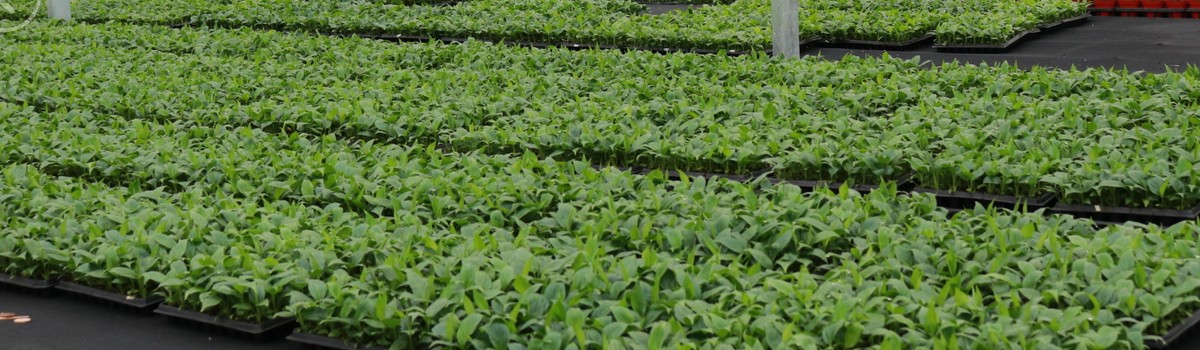
Inside a Kinofarm greenhouse — controlled shelving and irrigation systems are part of the production infrastructure.
Kinofarm’s product range covers several of the most requested wholesale bonsai categories:
- Ficus bonsai (Ficus ginseng roots) — available as grafted or ungrafted specimens, with net weights ranging from 50g to 10kg. Typical buyers include home furniture stores and garden retailers.
- Cycas revoluta (Sago palms) — produced from Cycas bulbs in sizes from D 5cm to 20cm+ and H 20cm to 120cm. These are used in landscape and interior settings.
- Pachira (Money tree) — supplied as 3, 4, or 5 braids, with heights from 20cm to 90cm, in newly braided or old braided forms. The plant is classified as a live plant made from a Pachira stem.
- Sansevieria (Sansevieria superba) — available potted or bare-rooted, with 2 to 3 leaves and a height range of 20-40cm, targeted at garden centers and landscape projects.
The company also holds plant variety rights for proprietary Osmanthus cultivars, including “Four-pointed Star” and “Colorful Cloud.” Those exclusive varieties give buyers a potential point of differentiation for retail lines that need to stand out from generic bonsai imports.
Technical Infrastructure Behind a Wholesale Bonsai Nursery
Behind a dependable bonsai product is a growing environment designed for export requirements. Kinofarm’s greenhouses are built to meet China’s Entry-Exit Inspection and Quarantine (CIQ) standards, meaning every plant is intended to be “export-ready” from the cultivation stage.
Plants are grown on 50cm-high shelving with 1.6×1.6mm breathable mesh, which helps control air circulation, light exposure, and moisture. The company also adheres to MPS-A (Marketable Plant Safety - A) certification, a global framework for sustainable, traceable horticulture.
Technology plays a growing role in production consistency. Kinofarm has developed proprietary software systems, including an Intelligent Greenhouse Monitoring System, Soil Moisture Monitoring System, and Flower Production Management System. Those systems automate climate control and supply chain monitoring across the nurseries.
For export routes, the company holds invention patents for “Long-Distance Storage & Transport Method for Chrysalidocarpus” and “Pest Control in Soilless Bonsai Cultivation.” These patents reflect a practical focus on the two challenges that matter most to wholesalers: keeping plants alive in transit and keeping pests out of the cargo. When a supplier can demonstrate such capabilities, it reduces the buyer’s risk of receiving damaged or non-compliant plants.
Commercial Use Cases for Wholesale Bonsai
Wholesale bonsai plants are not a single-channel product. The standard application scenarios identified by Kinofarm include:
- Garden centers and nurseries — need consistent supply of small potted bonsai and young seedlings across seasons. Sansevieria and Ficus bonsai fit well here because they are compact and offer long shelf life in a retail environment.
- Landscape contractors — source larger specimens like Sago palms (Cycas revoluta) and Ficus bonsai for outdoor installations and commercial greenery. Landscape-scale bonsai may be specified by trunk diameter and height to match design plans.
- Home furniture and décor stores — use indoor bonsai such as Ficus ginseng and Money trees as living accessories. The braided Pachira, in particular, has become a symbol of wealth and health in many cultures, making it a popular addition to turn-key home styling packages.
- Retail and online florists — look for compact, easy-care varieties like Sansevieria that are suitable for direct-to-consumer shipping. Bare-root options reduce shipping weight and allow the buyer to pot the plant locally.
In all these use cases, the buyer’s core requirement is the same: healthy plants that arrive on time, with minimal loss and correct documentation.
Market Trends Shaping the Wholesale Bonsai Industry
Several verified trends should influence how wholesalers build their inventory and choose suppliers:
- Indoor varieties are growing faster than the overall market. Ficus and Money Tree bonsai are expanding at a projected 10.28% CAGR through 2031, according to Mordor Intelligence. That makes them a safer bet for retailers in dense urban markets.
- Landscape remains the largest segment. Landscape bonsai held 34.2% of the global market in 2025, indicating steady demand for outdoor-grade plants alongside small tabletop versions.
- Low-maintenance is becoming a purchasing criterion. Both Ficus retusa and succulent bonsai are cited as rising demand areas because consumers want the aesthetic of bonsai without complex care routines. This aligns with the popularity of Sansevieria, which is known for its easy-care, low-light tolerance.
- China remains an export hub. China’s exports of “other live plants” (which include bonsai) reached USD 355 million in 2024, with the United States and South Korea as top destinations. This confirms that Chinese nurseries are central to international wholesale supply.
Another notable shift is the move from product-only sales to integrated project supply services. Landscape buyers increasingly expect the supplier to handle grading, transport preparation, and even installation guidance. For exporters, that means having in-house expertise in logistics and phytosanitary compliance is no longer optional — it is part of the product.
Comparison: Integrated Supplier vs. Traditional Bonsai Sourcing
Buyers generally choose between two routes: buying directly from an integrated nursery with in-house compliance and logistics capability, or working with brokers who consolidate from multiple small growers. The table below highlights the practical differences.
| Factor | Integrated Supplier | Traditional Broker / Spot Buying |
|---|---|---|
| Quality control | Consistent, with CIQ/MPS-A compliance in place | Varies by grower, quality checks required |
| Plant size / spec | Standardized ranges (e.g., Ficus 50g-10kg) | Can be more flexible for small lots |
| Documentation | Phytosanitary certificates and export protocols built-in | May need to be arranged separately |
| Shipping method | Refrigerated containers with temperature planning | Usually depend on forwarder’s capacity |
| Minimum order | Often higher MOQ due to production planning | Low MOQ possible, but per-unit cost higher |
| Customization | Limited to existing production lines | Can source specific specimens if available |
It is important to note the limitation of the integrated model: because production is scheduled at scale, custom requests or very small trial orders may not fit the standard operating system. A new buyer planning to test the market with a handful of plants would likely pay more per unit or wait for a consolidated shipment. For established buyers with steady volume, the integrated approach offers stronger traceability and lower risk of compliance-related delays.
Future Outlook for Wholesale Bonsai Procurement
The wholesale bonsai category is moving in two directions at once. On the buyer side, demand for easy-to-keep indoor plants and landscape specimens pushes volume upward. On the supplier side, technology and certification systems are turning what was once a craft into an export-grade agricultural industry.
Integrated suppliers like Kinofarm are investing in monitoring software, transport patents, and quarantine-compliant infrastructure — exactly the capabilities that reduce risk for foreign buyers. The likely result is that more procurement decisions will be based on documented capabilities rather than just price per unit. In the long run, wholesalers who work with certified producers will be better positioned to meet stricter import regulations and shifting consumer preferences for sustainable, traceable plant sourcing.
Frequently Asked Questions
Can plants survive long-time transportation in containers?
Yes, but only under the right conditions. Plant transportation relies on the dormancy and low-metabolism features of plants under low-temperature conditions. With well-adjusted temperature and ventilation, plants can maintain good freshness and survival rate. Standard dry containers are not suitable because they lack temperature and ventilation control; refrigerated or fresh-keeping containers should be used.
What phytosanitary documentation is required when importing bonsai to the EU and USA?
The European Union requires a phytosanitary certificate for imported bonsai plants under Regulation (EU) 2019/2072. In the United States, USDA regulations require bonsai to be bare-rooted and accompanied by a phytosanitary certificate from the country of origin; shipments of 12 or fewer plants may be subject to different requirements. Importers should confirm current rules with the destination country’s agricultural authority before shipping.
Which bonsai varieties are most commonly available on the wholesale market?
Common wholesale bonsai varieties include Ficus ginseng bonsai (grafted or ungrafted, typically 50g to 10kg), Cycas revoluta (Sago palms), Pachira (Money tree) in 3-5 braided forms, and Sansevieria superba. These varieties are popular because they are relatively easy to care for and can be produced at volume.
For detailed product specifications, the Kinofarm Bonsai catalogue is available for download: KinoFarm Bonsai Catalogue.