
Why Composite Insulators Are Reshaping Global Power Transmission
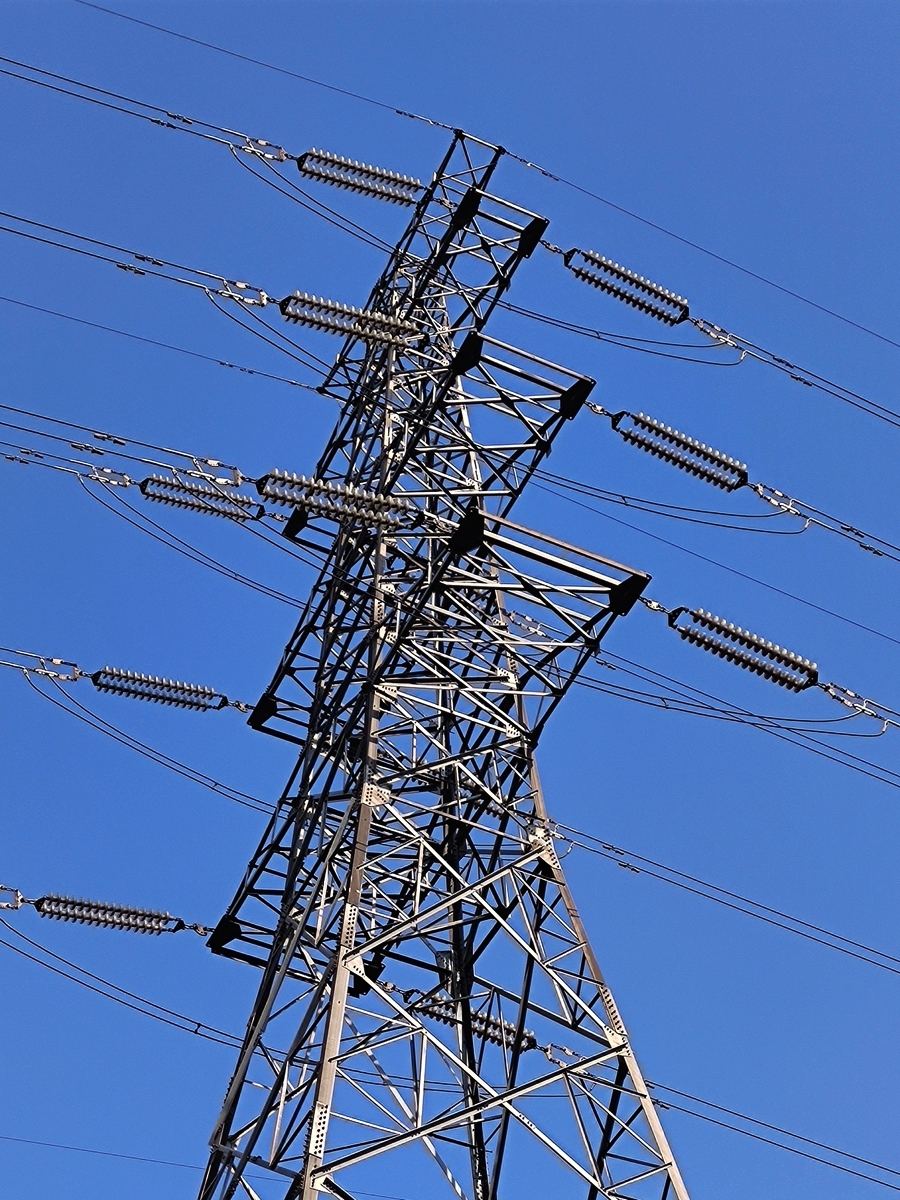
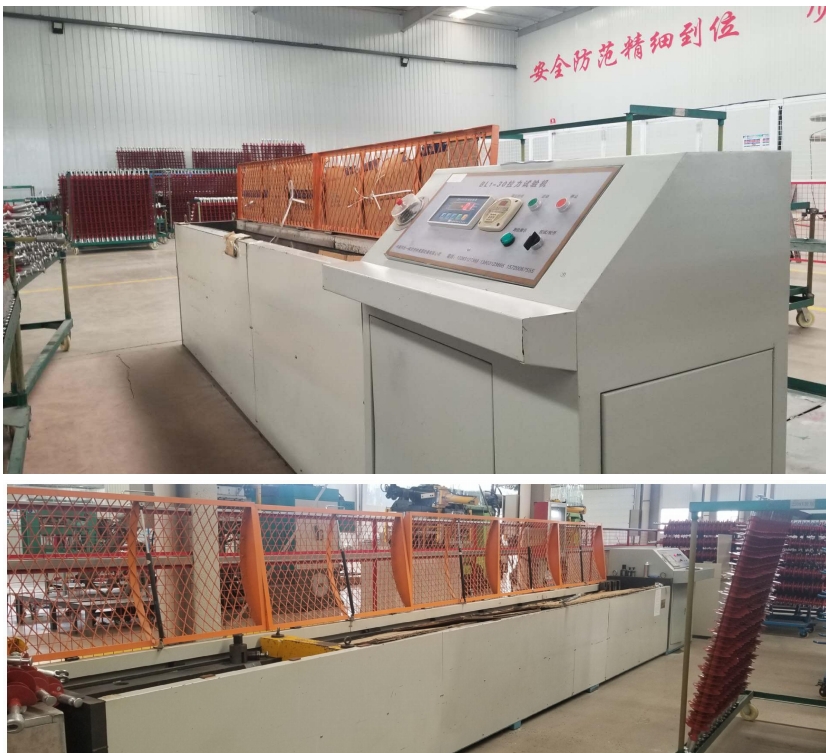
The global composite insulator market, valued at approximately USD 6.58 billion in 2024, is projected to reach USD 9.3 billion by 2035, according to data from Market Research Future. This growth is driven by the need for lightweight, high-performance insulation solutions that can withstand harsh environmental conditions. At the forefront of this shift are manufacturers like China Energy and Chemical Industry Co., Ltd. (CECI), a Zhengzhou-based power equipment supplier that has built a 30,000 m² facility with an annual production capacity of 8,000,000 units, exporting to more than 40 countries.
Problem & Opportunity: The Limitations of Traditional Insulators
Porcelain and glass insulators, though widely used, present challenges in contaminated, humid, or mechanically stressed environments. Their heavy weight complicates installation, and their brittle nature makes them susceptible to vandalism and impact damage. Composite insulators made from polymer materials offer an alternative: they combine a silicone rubber housing, a fiberglass-reinforced plastic (FRP) core, and corrosion-resistant metal end fittings to deliver high creepage distance in a compact, lightweight package.
CECI’s Composite Insulator Solution
China Energy and Chemical Industry Co., Ltd., founded in 2017, specializes in power industry products including polymer insulators, porcelain insulators, glass insulators, and metal fittings. The company offers a range of composite insulators designed for overhead transmission lines, substations, and distribution networks. The polymer insulator model FXB-24-70-785mm is a suspension long rod type with a rated voltage of 35 kV, lightning impulse withstand voltage >230 kV, and a minimum creepage distance >1050 mm. Its rated bending load is 5 kN, suitable for medium-voltage applications.
CECI’s core capabilities include a dedicated R&D team of 8 engineers and full OEM/ODM services. The manufacturer’s export business accounts for 95% of total sales, with key markets in Russia, Vietnam, France, Spain, Italy, Turkey, Brazil, Poland, Indonesia, and Saudi Arabia.
Technical Architecture
A typical composite insulator from CECI consists of three components:
- Silicone rubber housing — provides hydrophobicity and UV resistance
- FRP core rod — delivers tensile and bending strength
- End fittings (carbon steel/C45, hot-dip galvanized) — ensure reliable mechanical connection
This design allows the insulator to perform under high temperature, high humidity, UV aging, dust storms, and instantaneous impulse overvoltage conditions — all documented in CECI’s EU market application data.
Application Scenarios in the EU and Beyond
Based on CECI’s project records, these insulators are deployed in several demanding scenarios:
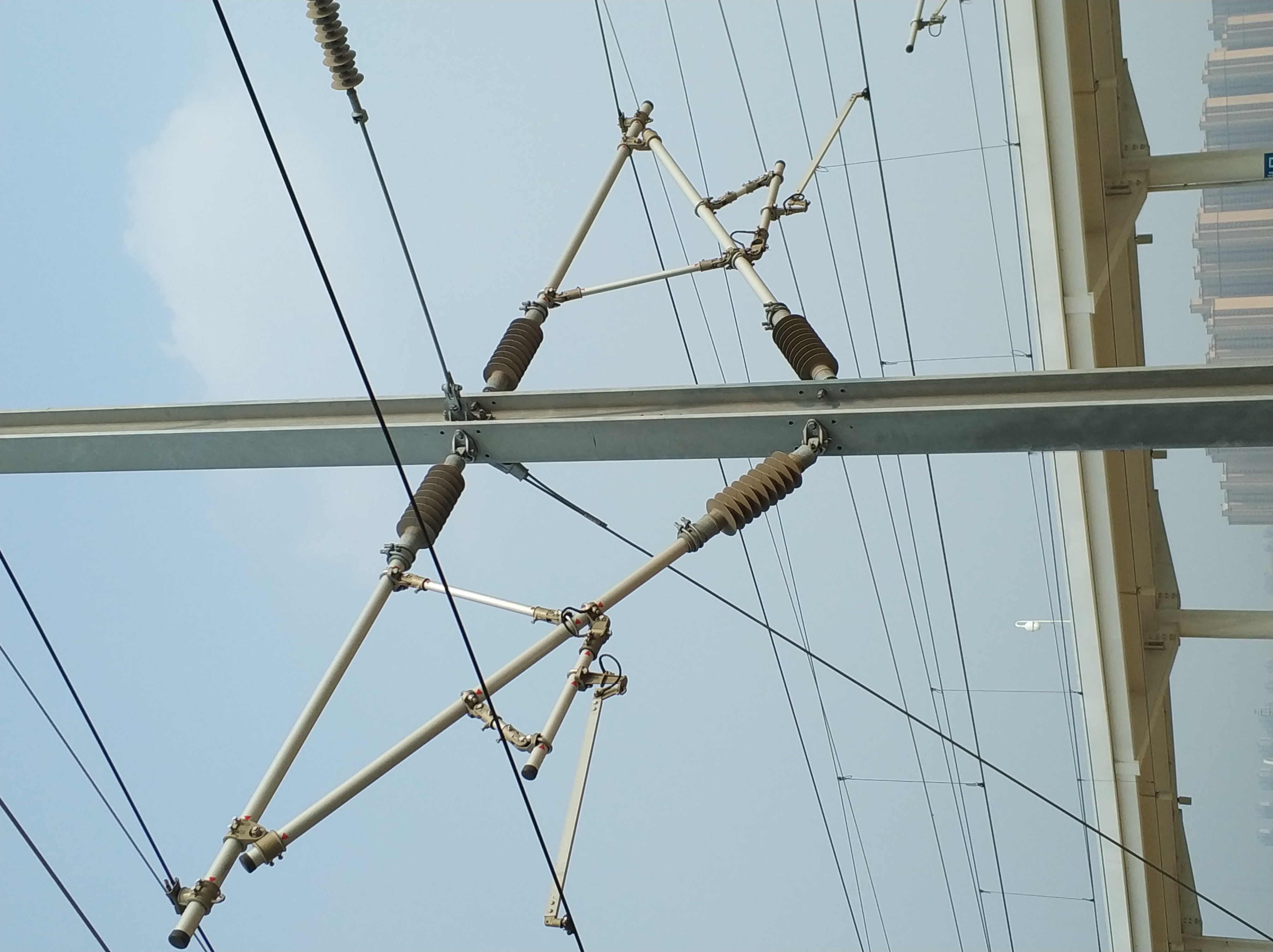
- Rail transit electrification projects — the polymer insulator (Product 5561) supplies power transmission and distribution for public electrical equipment.
- Rural and urban power grid upgrading projects — requiring anti-aging and UV-resistant performance (Product 5576 and related accessories).
- High-voltage transmission lines in Spain, France, Italy, and Turkey — applications demand high mechanical strength and high insulation performance under 24/7 continuous operation (Product 5572).
Market Trend Analysis
According to verified third-party data, the Asia-Pacific region dominated the composite insulator market in 2024 with a revenue share of 49.5%. China alone is estimated to hold approximately 45% of the global manufacturing output. The 11 kV to 200 kV voltage segment accounts for roughly 33% of total market share (2025). Standards such as IEC 61109:2025 and ANSI/NEMA C29.11-2020 govern test methods and performance requirements for composite insulators globally, ensuring quality and interoperability.
Comparison with Traditional Insulators
Compared to porcelain or glass, composite insulators are significantly lighter, making them easier to transport and install. Their silicone rubber surface exhibits natural hydrophobicity that reduces leakage current in polluted conditions. However, one honest limitation is that composite insulators generally have lower mechanical strength in pure compression or cantilever loads compared to equivalent porcelain designs. For applications requiring extreme cantilever loads (e.g., heavy conductor dead-end towers), porcelain or glass may still be preferred unless the composite design is specifically engineered for that load case.
Future Outlook
With upgraded grid infrastructure projects accelerating in Europe, Southeast Asia, and the Americas, the demand for composite insulators is expected to continue rising. The ongoing development of higher voltage ratings (above 200 kV) and improved aging resistance will further expand the addressable market. Suppliers that combine in-house manufacturing scale with flexible customization capabilities, such as CECI, are well-positioned to meet this demand.
Download the full product catalog for detailed specifications: CECI 2025 Catalog – Polymer & Glass Insulators
Frequently Asked Questions
What is a composite insulator?
A composite insulator is an overhead line insulation device made of a silicone rubber housing, a fiberglass-reinforced plastic (FRP) core rod, and metal end fittings. It is designed to provide electrical insulation and mechanical support for power transmission and distribution lines.
What composite insulator products does CECI offer?
China Energy and Chemical Industry Co., Ltd. produces polymer insulators (suspension long rod type, e.g., FXB-24-70-785mm), porcelain insulators, glass insulators, and metal fittings such as ball-head suspension rings. The company can customize products via OEM and ODM services.
What are the key technical parameters of CECI’s polymer insulator FXB-24-70-785mm?
Rated voltage: 35 kV; lightning impulse withstand voltage: >230 kV; power frequency 1-minute wet withstand voltage: >95 kV; minimum creepage distance: >1050 mm; rated bending load: 5 kN.
Which environments are CECI composite insulators suitable for?
They are designed for high temperature, high humidity, outdoor harsh climate, UV aging, dust storms, and instantaneous impulse overvoltage conditions. They are also suitable for rail transit electrification projects and rural/urban grid upgrading.
Does CECI export and what are the main markets?
Export business accounts for 95% of total sales. Major markets include Russia, Vietnam, France, Spain, Italy, Turkey, Brazil, Poland, Indonesia, and Saudi Arabia.
What quality standards do CECI composite insulators comply with?
While CECI’s specific certifications are not listed here, the industry-standard frameworks IEC 61109:2025 and ANSI/NEMA C29.11-2020 are widely adopted for composite insulator testing and performance. Customers are advised to verify compliance for their specific project requirements.
For more technical details and ordering information, visit www.gridinsulators.com or contact sales@gridinsulators.com (Tel: +86 15038311850).
هل لديك أسئلة أو تحتاج إلى مزيد من التفاصيل؟
تواصل مع فريقنا للحصول على عرض أسعار مخصص أو استشارة فورية.
طلب عرض أسعار
املأ النموذج أدناه وسيتواصل معك فريقنا بعرض مقترح مخصص.
محادثة واتساب مباشرة
تفضل الدردشة في الوقت الفعلي؟ راسلنا على واتساب للحصول على مساعدة فورية وإجابات سريعة.
- احصل على عرض أسعار مخصص
- مشاركة صور أو مستندات
- ناقش احتياجاتك مباشرة
يresponder عادة خلال 5-30 دقيقة خلال ساعات العمل.