
Woodworking Band Saw Machines: Key Types and Applications for Modern Timber Processing
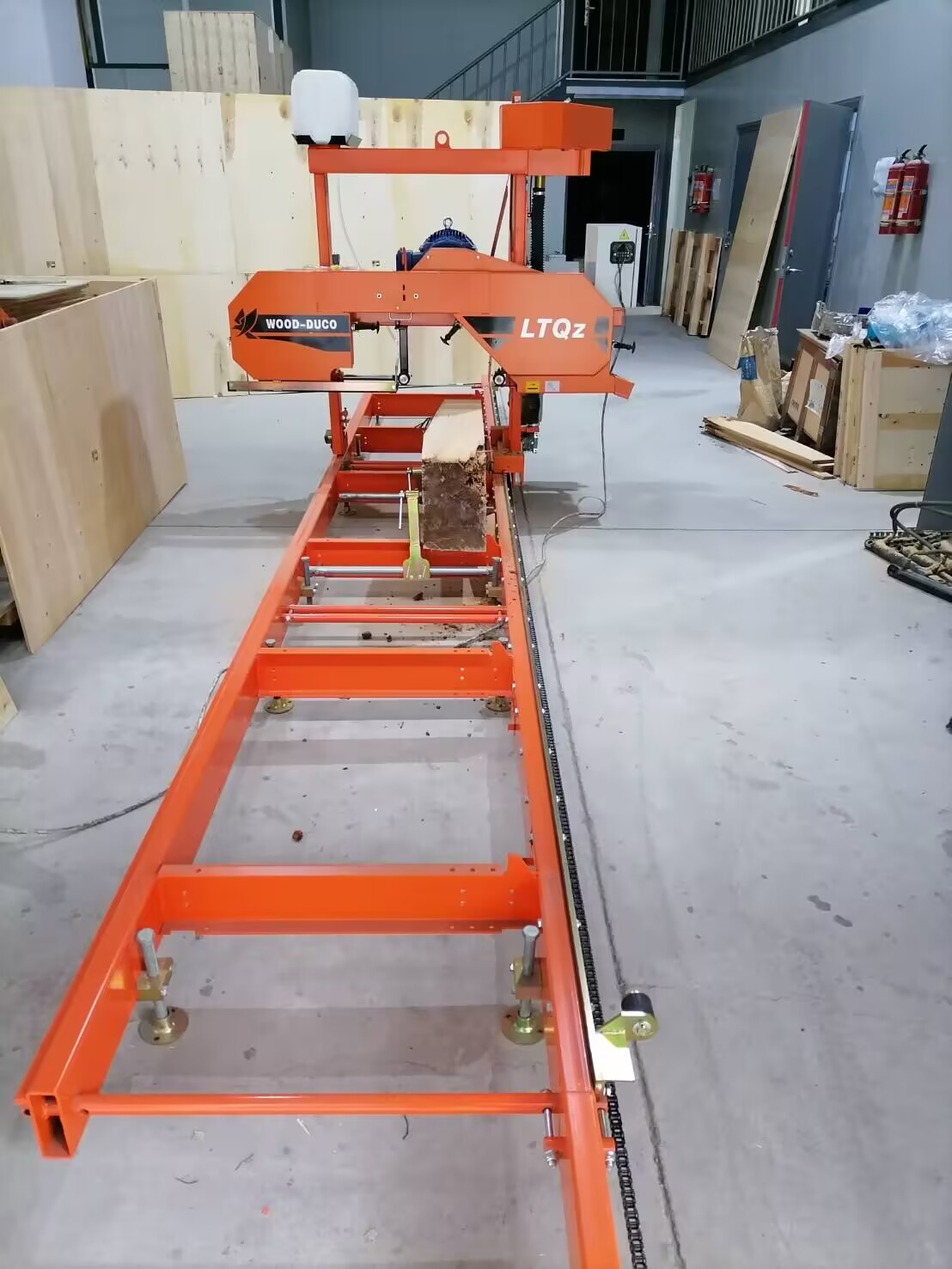
Hangzhou Lin'an Xinyang Machinery Co., Ltd. (XINYANGJX) is a Chinese manufacturer established in 2012, specializing in the development and production of wood processing equipment such as horizontal band saw machines and wood drying equipment. This article provides a technical overview of the woodworking band saw machine category, covering horizontal, vertical, and specialized sawing solutions for modern timber processing.
The Role of Woodworking Band Saws in Timber Processing
Woodworking band saw machines are essential for sawing logs, timbers, and wood plates in the forestry and furniture industries. The choice between horizontal, vertical, and small configurations depends on log diameter, throughput requirements, and space constraints. XINYANGJX offers a range covering from small woodworking band saw machine models to heavy horizontal woodworking band saw machine units, each engineered for specific operational demands.
XINYANGJX's Product Line: From Small to Heavy-Duty
The product portfolio includes the MJ375D small horizontal woodworking band saw machine (maximum log diameter 600 mm, saw wheel diameter 473 mm, total motor power 9.8 kW) and the MJ378-2500 heavy horizontal woodworking band saw machine (maximum log diameter 2500 mm, saw wheel diameter 1100 mm, total motor power 61.3 kW). Between these extremes, models such as the MJ376S-900 (horizontal, 900 mm log capacity, 21 kW) and the MJ377-1000 (horizontal, 950 mm log diameter, 22 kW) cover mid-range processing.
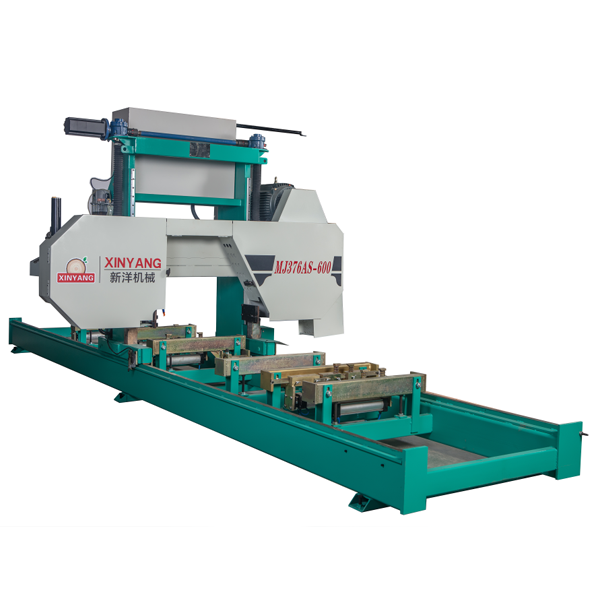
Figure 1: MJ376AS-600 horizontal band saw – a configuration with intelligent speed control and 600 mm log capacity.
Vertical and Specialized Band Saw Configurations
For operations requiring precise re-sawing or curved cuts, the MJ316 vertical woodworking band saw machine (maximum sawing height 400 mm, 7.5 kW) is suitable. The SVS with Belt Conveyor Table (600 mm saw wheel diameter, 11 kW) supports unlimited length sawing with a conveyor speed of 0–18 m/min. XINYANGJX also produces auxiliary equipment: the MF1115 band saw blade grinding machine (grinding width 30–150 mm, 0.79 kW) and the MF115 with extended height for blade sharpening; the MXB series woodworking edge trimming machines (models MXB-900-25 and MXB-900-50); the MJ375 woodworking angle cutting machine (sawing angle range 0–8°, 10 kW); and the MF4050 woodworking tooth picking machine for saw blade tooth pitch adjustment.
Application Scenarios in Timber Yards and Factories
In typical Chinese timber processing environments—characterized by high humidity and moderate to high temperatures—horizontal band saw machines are used for fast, precise sawing of logs and timbers. The MJ376AS-600 and MJ376AS-900 incorporate intelligent speed control, adjusting cutting speed based on load. Edge trimming machines like the MXB-900 handle wood plates with thicknesses from 20–50 mm and widths up to 900 mm. For angle adjustments, the MJ375 angle cutting machine allows 0–8° tilt, enabling bevel cuts for furniture components. The tooth picking machine MF4050 supports band saw blade maintenance with a tooth pitch range of 12–30 mm.
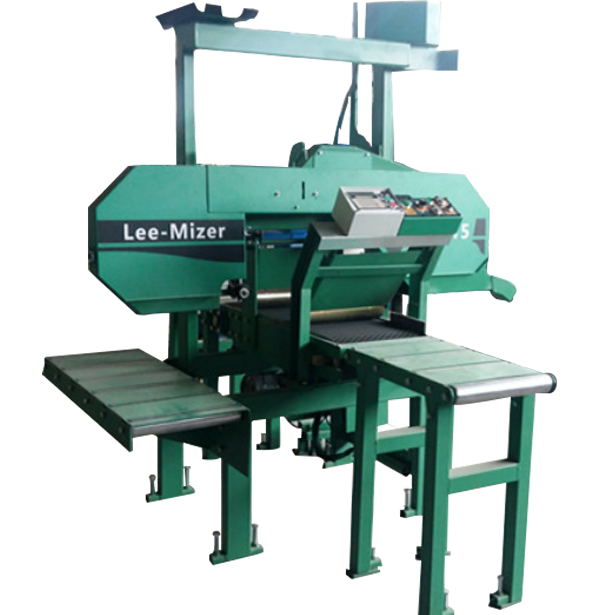
Figure 2: Angle cutting machine MJ375D used for bevel sawing in timber processing.
Market Trends and Export Focus
XINYANGJX exports to Africa, Southeast Asia, South Asia, and South America, with export business accounting for approximately 70% of total sales. These regions are experiencing growing demand for affordable, reliable woodworking band saw machines to support small-to-medium sawmills. The company’s factory spans 3,600 square meters with an annual capacity of about 150 units, supported by a team of 12 staff including 2 R&D engineers.
Comparison with Traditional Sawing Methods
Compared to circular saws, band saw machines produce a narrower kerf (1.5–2.3 mm for horizontal models like the MJ377-1000), reducing material waste. Vertical band saws allow curved cuts and re-sawing of boards. However, one limitation is that band saw blades require periodic sharpening and tensioning, which adds maintenance steps. XINYANGJX addresses this with integrated blade grinding machines (MF1115, MF115) and tooth picking tools.
Future Outlook
As timber processing facilities increasingly adopt automation, intelligent speed control (as seen in the MJ376AS series) is likely to become standard. XINYANGJX continues to refine its product line, expanding capacity and adding auxiliary machines to create complete woodworking solutions.
Frequently Asked Questions
Q: What is a woodworking band saw machine used for?
A: A woodworking band saw machine is used for sawing logs, timbers, and wood plates in the timber processing and woodworking industry. It provides a continuous cutting action with a narrow kerf, suitable for both straight and curved cuts.
Q: What types of woodworking band saw machines does XINYANGJX offer?
A: XINYANGJX offers horizontal band saw machines (e.g., MJ376S-900, MJ377-1000), vertical band saw machines (MJ316, SVS with Belt Conveyor Table), small woodworking band saw machines (MJ375D), heavy horizontal models (MJ378-1500, MJ378-2000, MJ378-2500), and intelligent speed control models (MJ376AS-600, MJ376AS-900).
Q: How does a horizontal band saw differ from a vertical band saw?
A: A horizontal band saw typically features a moving blade that cuts through the log horizontally, allowing for large log diameters and long lengths. A vertical band saw has a stationary blade with the workpiece fed manually or by conveyor; it is better suited for re-sawing, trimming, and curved cuts on smaller pieces.
Q: What are the auxiliary machines available for band saw maintenance?
A: XINYANGJX produces the MF1115 and MF115 band saw blade grinding machines for sharpening, the MF4050 woodworking tooth picking machine for adjusting tooth pitch, and edge trimming machines (MXB series) and angle cutting machines (MJ375) for post-sawing processing.
Q: Where is XINYANGJX located and what is its production capacity?
A: The company is located in Hangzhou, Zhejiang Province, China. It operates a 3,600-square-meter factory with an annual production capacity of about 150 units and employs 12 staff, including 2 R&D engineers.
Q: Which markets does XINYANGJX serve?
A: The company exports to Africa, Southeast Asia, South Asia, and South America, with export business accounting for approximately 70% of total sales.