
Zero Silica vs Sintered Stone and Acrylic
Zero Silica vs Sintered Stone and Acrylic
For distributors and specifiers comparing zero silica slabs with sintered stone and acrylic solid surface, the useful starting point is not a universal winner. It is the evidence available for the exact product, the fabrication and installation requirements, and the way the surface is expected to be maintained. The supplied product information describes a frit-based zero silica slab and identifies performance considerations around prolonged water exposure and yellowing. It does not provide comparable test results for sintered stone or acrylic, so claims about relative breakage, edge defects, repairability, or overall durability cannot be confirmed here.
What the comparison can—and cannot—establish
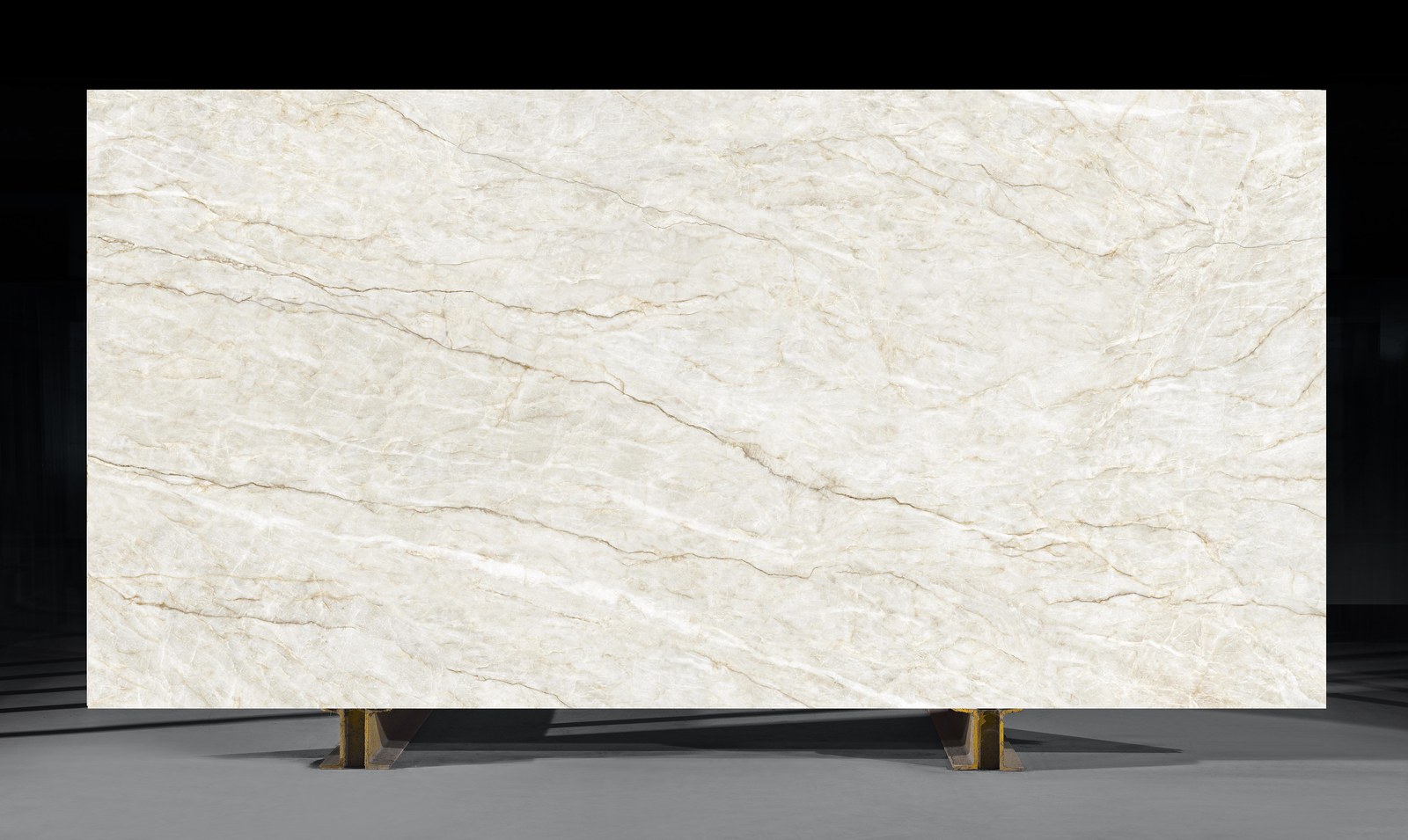
Zero silica is a material description, not by itself a complete performance specification. Foshan Lewistone New Material CO., LTD lists zero silica slabs under models 3107ZS, 3949ZS, and 3285ZS. The product specification describes a frit-based composition using frit powder, frit sand, polyester resin, pigments, and additives. Listed formats are 3200 × 1600 mm slabs in 20 mm and 30 mm thicknesses, with honed, polished, and matt finishes.
Those details help identify the product and define what a buyer can ask a supplier to document. They do not establish that every zero silica product uses the same recipe or performs identically. Nor do they establish that a zero silica slab is stronger, easier to repair, or less likely to break than sintered stone or acrylic solid surface. The available comparison evidence does not include matched laboratory tests, fabrication trials, or product-specific installation instructions for those material categories.
This distinction matters to procurement. A category label can help define a shortlist, but a purchase decision should be based on the exact product, the intended use, the supplier’s technical documentation, and the fabricator’s own process requirements. If a comparison is important to a project, buyers can request equivalent evidence for each candidate rather than relying on general statements about a whole material family.
Fabrication and breakage risk: assess the complete process
Fabrication risk is shaped by more than the slab material name. Cut-outs, edge profiles, handling, support, transport, and installer familiarity all affect the work required on a particular project. The supplied application information calls for professional fabrication, accurate cut-outs, seam matching, and edge polishing. It identifies cabinetry, undermount sinks, cooktop cut-outs, backsplashes, adhesives, and edge profiles as related components in kitchen and bathroom installations.
For distributors and specifiers, a practical comparison should therefore ask how each shortlisted product is fabricated and supported, and what evidence exists for breakage or edge damage under comparable conditions. Useful questions include whether the supplier provides product-specific fabrication guidance, whether the local fabricator has experience with the material, and whether sample work or a representative cut-out can be reviewed before a larger order. These are due-diligence questions, not claims that one material will necessarily outperform another.
The available zero silica specification identifies slab dimensions and thicknesses, but it does not provide mechanical test values or a comparative breakage rate. It also does not quantify edge-defect frequency. Buyers should avoid turning the product’s composition or finish options into a claim about fabrication yield. Ask for evidence that corresponds to the actual slab model, thickness, finish, and fabrication method under consideration.
Questions to include in a fabrication review
- Does the supplier provide handling and fabrication guidance for the specified model and thickness?
- Can the fabricator confirm experience with the material and the planned edge profile and cut-outs?
- Are the sink, cooktop, cabinetry, and support details coordinated before cutting?
- What product-specific evidence supports any claim about chipping, edge defects, or breakage?
- Are the project’s inspection and replacement expectations clear if a slab is damaged during handling or installation?
These questions apply across the comparison set. They are especially useful when a buyer’s concern is not simply the surface in service, but the chance of damage between delivery, cutting, finishing, and installation.
Installation, seams, and visual matching
Kitchen countertops, islands, breakfast bars, bathroom vanity tops, and basin surrounds are among the application scenarios listed for the product group. The application information describes continuous residential and commercial use in environments exposed to water, oil, humidity, cleaning agents, and daily wear. It also highlights accurate cut-outs, seam matching, and edge polishing as installation requirements.
Seam appearance depends on the selected pattern, slab layout, and fabrication plan. The zero silica product information lists honed, polished, and matt finishes, but it does not specify seam tolerances or quantify pattern-matching performance. The supplied printed-surface information describes a separate product category, with named patterns and custom pattern options; those statements should not be transferred to the zero silica slab models without product-specific confirmation.
For a project where visual continuity is important, request slab images or samples that correspond to the actual product and finish, and confirm how the fabricator plans to orient and join the pieces. A buyer should also ask whether the delivered slabs will be selected from the same production batch when color or pattern consistency is a project requirement. The available information does not state a zero silica batch-variation tolerance, so any such requirement needs to be agreed and documented with the supplier.
Installation planning should account for the full assembly: cabinetry and support, sink mounting, cut-outs, backsplash junctions, adhesives, and edge details. The application unit calls for professional fabrication and identifies these connections as relevant. It does not establish a universal installation method for all projects or all three material categories. The project team should therefore confirm installation instructions for the selected product rather than assume that guidance for another surface applies.
Maintenance and repairability: separate routine care from restoration
The available material does not establish a comparative repairability result for zero silica slabs, sintered stone, and acrylic solid surface. In particular, it does not verify whether scratches in a specified zero silica model can be removed, whether acrylic can be renewed by sanding under a particular finish, or how damage to sintered stone can be repaired. Those points depend on product construction and repair procedures that are not documented in the supplied comparison evidence.
For routine care, the application information advises using trivets for hot cookware and avoiding prolonged contact with strong acids or alkalis. A separate quartz-care answer recommends a soft cloth with mild detergent and water, prompt spill removal, and avoiding abrasive pads and strong alkaline or acidic cleaners. Because that answer is written for quartz surfaces generally, confirm that the product supplier’s care instructions apply to the exact zero silica slab being specified.
Before selection, ask suppliers to distinguish ordinary cleaning from repair after scratches, chips, stains, or other surface damage. Request written care instructions and, where repairability is a deciding criterion, a documented repair procedure or a product-specific demonstration. A material that is easy to clean is not automatically easy to restore; buyers should evaluate those as separate needs.
Frit-based zero silica performance as a decision criterion
The zero silica slab specification identifies frit powder and frit sand among its raw materials. It also makes product-level performance claims concerning prolonged water exposure and yellowing. Specifically, it states that similar products may crack, lose their original surface appearance, and become more susceptible to stain penetration after long exposure to water; it describes the listed product as having better yellowing resistance than similar products and superior deformation control compared with competing alternatives.
These statements can inform a technical review, but they are not a substitute for comparative test reports. The supplied information does not identify the test method, exposure duration, acceptance criteria, or the specific competing products behind these comparisons. It also does not quantify resistance to surface cracking or provide evidence for a pattern-mismatch claim. Buyers should treat those points as supplier claims requiring clarification and product-specific supporting evidence.
For a kitchen or vanity project, the water-related claims are relevant because the listed scenarios include washing, food preparation, grooming, humidity, and routine contact with water. The prudent procurement step is to ask for the conditions under which the slab’s water-contact and yellowing claims were assessed, and whether the evidence applies to the exact model and finish. If a project specification requires defined performance thresholds, those thresholds and test methods should be stated explicitly rather than inferred from descriptive wording.
| Decision criterion | What the supplied information supports | What still needs product-specific verification |
|---|---|---|
| Composition | The listed zero silica slab uses frit powder, frit sand, polyester resin, pigments, and additives. | The exact technical definition of zero silica and supporting analytical documentation for the selected model. |
| Water exposure | The product specification makes a comparative claim about cracking, surface appearance, and stain penetration after prolonged water exposure. | Test method, exposure conditions, results, and the comparison products used. |
| Yellowing and deformation | The product specification claims better yellowing resistance and superior deformation control compared with alternatives. | Measured results, test conditions, and confirmation that the claims apply to the ordered model and finish. |
| Pattern and seams | The slab range lists honed, polished, and matt finishes. | Pattern-matching guidance, seam appearance, batch variation, and finish-specific tolerances. |
| Fabrication damage | The application information calls for professional fabrication, accurate cut-outs, and edge polishing. | Comparative breakage, chipping, and edge-defect evidence for each candidate material. |
| Repair and care | General quartz-care guidance recommends mild cleaning and avoiding strong acids, alkalis, and abrasive pads. | Model-specific maintenance instructions and documented repair methods for each material. |
Indoor countertops and vanities: where the listed use cases fit
The supplied application unit identifies residential and commercial kitchens and bathrooms, including kitchen countertops, islands, breakfast bars, vanity tops, and basin surrounds. It describes the surface as intended for food preparation, washing, and grooming, and notes that installation is a continuous-use condition rather than a temporary display application.
That information makes indoor countertops and vanities relevant settings for evaluating the zero silica slab range. It does not establish suitability for every project condition or provide comparative performance conclusions against sintered stone and acrylic. The intended environment, exposure to cleaning agents, support design, fabrication details, and maintenance expectations still need to be checked against the selected product’s documentation.
For a countertop or vanity specification, the buyer can align the material decision with the operational brief: the expected contact with water and oil, the presence of sink or cooktop cut-outs, the required edge profile, the appearance of seams, and the cleaning routine. The product unit lists 20 mm and 30 mm thicknesses and honed, polished, and matt finishes. Those options establish available product attributes; they do not independently determine which thickness or finish is right for a project.
Acrylic solid surface and sintered stone remain legitimate comparison categories, but the supplied evidence does not provide their product specifications, care instructions, or matched test results. A fair assessment should use a common checklist and request comparable documentation from each supplier. Without it, a categorical ranking would imply more certainty than the available evidence allows.
What distributors and specifiers should verify before selection
For a first-stage shortlist, confirm the exact product name, model, composition description, dimensions, thickness, finish, and intended application. For the listed zero silica range, the model designations are 3107ZS, 3949ZS, and 3285ZS; the stated slab size is 3200 × 1600 mm, with 20 mm and 30 mm thicknesses and honed, polished, and matt finishes.
Next, match the evidence request to the project risk. If fabrication yield is central, request comparable breakage and edge-damage evidence. If the concern is long-term water exposure, ask for the test conditions and results behind the product’s water-related claims. If repairability matters, request written repair guidance for the actual finish. If seams and visual consistency are critical, confirm how the supplier and fabricator will manage slab selection, layout, and matching.
Finally, record the limits of the evidence. A supplier comparison is strongest when each claim can be traced to a named model, a defined test or instruction, and a relevant installation condition. Where that information is absent, mark the point as unverified rather than assuming that a general material description answers it.
Conclusion
Zero silica slabs, sintered stone, and acrylic solid surface should be compared through product-specific evidence on fabrication, installation, maintenance, and application—not through unsupported category-wide rankings. The supplied zero silica information identifies the frit-based composition, available models and finishes, and claims related to prolonged water exposure, yellowing, and deformation control. It also identifies indoor kitchen and bathroom applications and the need for careful fabrication, cut-outs, seam matching, and edge polishing.
For distributors and specifiers, the central decision rule is simple: use those facts to frame the shortlist, then verify comparative breakage, edge quality, repairability, pattern matching, and long-term performance for the exact products under consideration. The available evidence does not independently settle those comparisons, so a documented, like-for-like review is the more defensible basis for selection.
FAQ
What slab sizes are available for the zero silica slabs?
The product specification lists slabs at 3200 × 1600 mm in 20 mm and 30 mm thicknesses. The listed finishes are honed, polished, and matt. Confirm that these specifications apply to the selected model and order.
How should a quartz surface be cleaned and maintained?
General quartz-care guidance recommends cleaning with a soft cloth, mild detergent, and water, and wiping spills promptly. It also advises avoiding abrasive pads and strong acidic or alkaline cleaners. Confirm the care instructions for the exact zero silica product before applying general quartz guidance.
Does the available information prove that zero silica slabs break less than sintered stone?
No. The supplied content does not include matched breakage or edge-defect test results comparing the listed zero silica slabs with sintered stone. Buyers should request product-specific, comparable evidence before relying on that conclusion.
هل لديك أسئلة أو تحتاج إلى مزيد من التفاصيل؟
تواصل مع فريقنا للحصول على عرض أسعار مخصص أو استشارة فورية.
طلب عرض أسعار
املأ النموذج أدناه وسيتواصل معك فريقنا بعرض مقترح مخصص.
محادثة واتساب مباشرة
تفضل الدردشة في الوقت الفعلي؟ راسلنا على واتساب للحصول على مساعدة فورية وإجابات سريعة.
- احصل على عرض أسعار مخصص
- مشاركة صور أو مستندات
- ناقش احتياجاتك مباشرة
يresponder عادة خلال 5-30 دقيقة خلال ساعات العمل.