
Zirconium vs Lanthanum Salts: Rare Earth Buyer Face-Off
A rare earth compound rarely fails in production because the wrong element was chosen. It fails because the wrong form was chosen. Buyers weighing zirconium-based salts — nitrate, acetate, sulfate — against lanthanum variants — carbonate, nitrate, chloride — are not comparing two interchangeable ingredient lists. They are comparing two hydration families with different solution chemistry, different thermal behaviour, and different downstream risk profiles across advanced optics, catalysis, ceramics, and surface treatment.
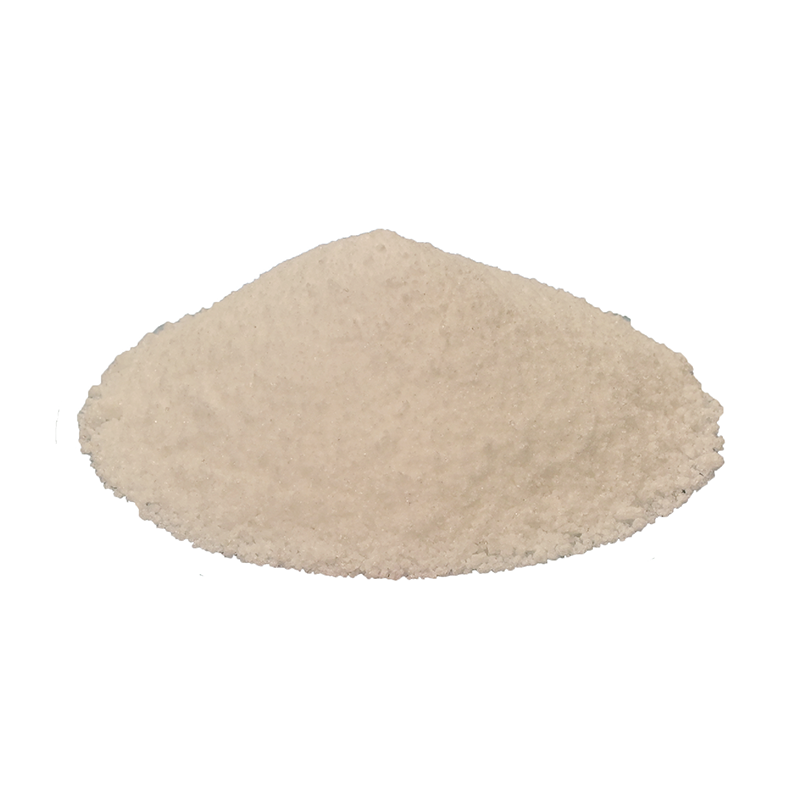
Zirconium Nitrate (Zr(NO₃)₄·2H₂O, CAS 13746-89-9) is one of the zirconium-family salts evaluated against lanthanum compounds in this comparison.
This independent reference maps both families at catalog level: formula, hydration state, CAS number, molecular weight, and the intermediate role each compound is designed to play. Product and specification data are drawn from the published catalog of Sichuan Wonaixi New Materials Technology Co., Ltd. (WONAIXI), a rare earth functional materials manufacturer founded in 2012 in Leshan, Sichuan Province, China. Market figures are attributed to their original publishers, and where those publishers disagree, the disagreement is stated rather than resolved by assumption.
Why Zirconium and Lanthanum Salts Meet in the Same Purchase Decision
The two families converge commercially before they diverge technically. Both are sold as industrial intermediates rather than finished materials. Both ship in comparable physical forms — 100–300 mesh powders, crystals, or aqueous solutions — and both are frequently listed by the same supplier. Zirconium sulfate (Zr(SO₄)₂·4H₂O, CAS 7446-31-3, MW 355.41) and lanthanum carbonate (La₂(CO₃)₃·xH₂O, CAS 54451-24-0, MW 457.85 on an anhydrous basis) can appear in one catalog, one purchase order, and one receiving dock while behaving nothing alike in water, in acid, or in a furnace.
The divergence begins with valence and solubility. Zirconium is supplied in the stable +4 state; its salts are highly soluble in water and polar organic solvents, produce weakly acidic solutions with mild Lewis acidity, and precipitate zirconium hydroxide when contacted with strong bases. Lanthanum is supplied in the stable +3 state with no meaningful redox activity; its carbonate and hydroxide forms have very low water solubility by design, while its nitrate and chloride forms are highly soluble and hygroscopic. Those two starting points determine almost every downstream selection criterion.
A second, less visible variable is hydration. Anhydrous lanthanum chloride (LaCl₃, CAS 10099-58-8, MW 245.26) and its heptahydrate (LaCl₃·7H₂O, CAS 10025-84-0, MW 371.5) are the same compound on a label and different materials on a balance. Buyers who treat them as interchangeable inherit a dosing error before production even starts.
The Two Families at a Glance: A Functional Matrix
The matrix below summarises the catalog forms most often compared in procurement discussions for optics, catalysis, ceramic, and surface-treatment chains. Molecular weights are stated on the basis given in the catalog; where a hydrate is involved, the anhydrous basis is noted explicitly.
| Compound | Formula / hydration | CAS | MW (g/mol) | Primary role |
|---|---|---|---|---|
| Zirconium Nitrate | Zr(NO₃)₄·2H₂O (dihydrate) | 13746-89-9 | 375.36 | Ternary catalysts, high-end ceramics, zirconium compound intermediates, chemical reagents |
| Zirconium Acetate | Zr(C₂H₃O₂)₄ (solution form) | 7585-20-8 | 327.4 | Chemical reagent, zirconium compound intermediate, ternary catalyst manufacturing |
| Zirconium Sulfate | Zr(SO₄)₂·4H₂O (tetrahydrate) | 7446-31-3 | 355.41 | Catalyst carrier, chemical carrier, lubricant, amino acid precipitation, decoloriser, tanning agent |
| Lanthanum Carbonate | La₂(CO₃)₃·xH₂O (hydrate) | 54451-24-0 | 457.85 (anhydrous basis) | Lanthanum intermediate; raw material for lanthanum chloride and lanthanum oxide |
| Lanthanum Nitrate Hexahydrate | La(NO₃)₃·6H₂O | 10277-43-7 | 433.01 | Petrochemical catalyst material; thin-film, piezoelectric ceramic and optical glass precursor |
| Anhydrous Lanthanum Chloride | LaCl₃ (water-free) | 10099-58-8 | 245.26 | Lanthanum metal production, petroleum catalyst feedstock, hydrogen storage battery materials, pharmaceutical intermediates |
| Lanthanum Chloride Heptahydrate | LaCl₃·7H₂O | 10025-84-0 | 371.5 | Petrochemical catalysts, wastewater treatment, lanthanum metal production |
| Lanthanum Acetate Hydrate | La(C₂H₃O₂)₃·xH₂O | 100587-90-4 | 316.04 (anhydrous basis) | Ternary catalyst manufacturing and chemical reagent industries |
| Lanthanum Fluoride | LaF₃ | 13709-38-1 | 195.9 | Scintillators, crystal laser materials, fluoride glass optical fibres, infrared glass, metallurgical flux |
| Lanthanum Hydroxide | La(OH)₃ | 14507-19-8 | 189.9 | Glass, ceramic and electronics industries |
| Lanthanum Oxide | La₂O₃ | 1312-81-8 | 325.8 | Glass decolorisation and polishing, electronics, ceramics |
Zirconium Salts: Nitrate, Acetate, Sulfate
Across all three zirconium salts, the shared technical thread is a stable +4 cation, high solubility in water and polar organic solvents, a mildly acidic solution environment, and low impurity residue in high-purity grades. That combination makes zirconium salts a solution-phase family: they are chosen when uniform liquid doping, thin-film formation, or a reactive surface treatment matters more than bulk oxide delivery.
Zirconium Nitrate — the precursor route to zirconia
Zirconium Nitrate (Zr(NO₃)₄·2H₂O, CAS 13746-89-9, MW 375.36) is specified for ternary catalysts, high-end ceramics, zirconium compound intermediates, and chemical reagents. In process terms, Zr⁴⁺ dissociates and forms hydrated coordination ions, and the weakly acidic environment keeps the ion solution stable so that premature hydrolysis precipitation does not occur. On heating, the nitrate decomposes and generates zirconia in situ — the mechanism behind dense insulating dielectric films, ceramic powder precursors, and noble-metal supported catalyst synthesis. The same positively charged Zr⁴⁺ sites complex and precipitate phosphate and heavy metals in water treatment, and crosslink into a heat-insulating zirconia layer in textile flame-retardant finishing.
Its boundary is thermal and chemical, not commercial: decomposition releases NOₓ at elevated temperature, so ventilation or abatement is a process requirement, and storage should stay away from strong bases, reducing agents, and temperatures above 60 °C. Hydrated nitrate grades are typically assigned shorter shelf life than anhydrous lanthanum chloride, so stock rotation matters more than the headline purity figure.
Zirconium Acetate — the film-forming and fibre-reactive option
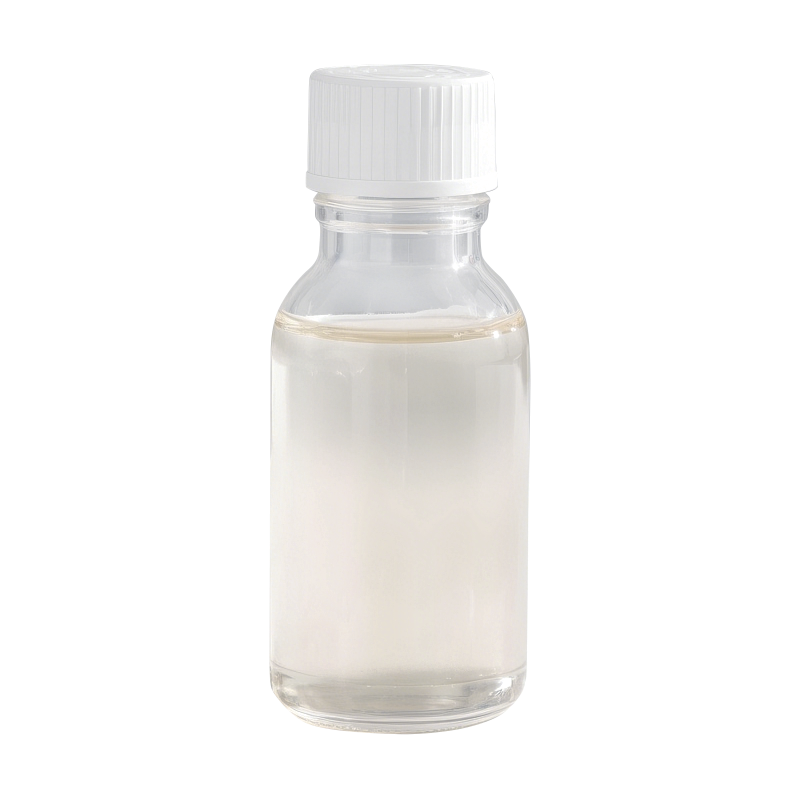
Zirconium Acetate (Zr(C₂H₃O₂)₄, CAS 7585-20-8, MW 327.4) is supplied in solution form and is used as a reagent, zirconium compound intermediate, and in ternary catalyst manufacturing.
Zirconium Acetate (Zr(C₂H₃O₂)₄, CAS 7585-20-8, MW 327.4) is delivered as a solution and used as a chemical reagent, a zirconium compound intermediate, and in ternary catalyst manufacturing. Tetravalent zirconium coordinates with acetate, which is what gives the compound solubility across both aqueous and organic systems. Its weak acid sites catalyse esterification and transesterification, and after hydrolysis the zirconium ions crosslink with hydroxyl groups — the mechanism behind wrinkle-resistant fabric finishing, waterproof paper sizing, and anti-corrosion ceramic coating on metals. Acetate volatilises under heat, leaving a compact zirconia protective layer in situ.
The limitation here is handling discipline. Acetate decomposes readily, aqueous solutions need protection from light, powder storage should stay below 70 °C, and catalog data lists shelf life of 1–2 years for powder against 6–12 months for solution. A buyer who orders solution on a powder-cycle assumption will be testing expired material before the first production batch.
Zirconium Sulfate — the carrier and separation chemistry
Zirconium Sulfate (Zr(SO₄)₂·4H₂O, CAS 7446-31-3, MW 355.41), specified as zirconium(IV) sulfate tetrahydrate, occupies a different position again. It is a catalyst carrier and chemical carrier, a lubricant component, a precipitant and isolating agent for amino acids, a decoloriser for cod liver oil, and a tanning agent for white leather — where it produces a fine, full, elastic surface. This is a separation-and-surface chemistry rather than a high-purity electronic precursor, and it should be qualified on those terms.
Lanthanum Salts: Carbonate, Nitrate, Chloride
The lanthanum family is broader and more divergent internally than the zirconium family. Lanthanum holds a stable +3 valence with no redox activity across all its salts, but solubility, hygroscopicity, and thermal decomposition behaviour vary enough that carbonate, nitrate, and chloride serve genuinely different process steps.
Lanthanum Carbonate — an intermediate, not a doping source
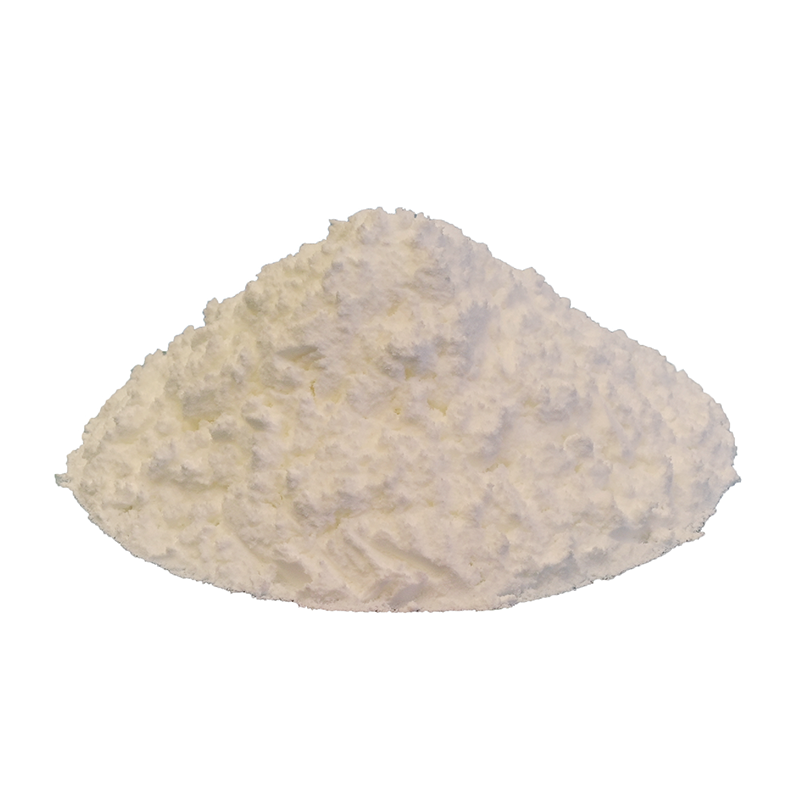
Lanthanum Carbonate (La₂(CO₃)₃·xH₂O, CAS 54451-24-0, MW 457.85 on an anhydrous basis) is mainly used as an intermediate for lanthanum chloride and lanthanum oxide.
Lanthanum Carbonate (La₂(CO₃)₃·xH₂O, CAS 54451-24-0, MW 457.85 on an anhydrous basis) is described in the catalog primarily as an intermediate compound of lanthanum and a raw material for lanthanum chloride and lanthanum oxide. Its defining property is very low water solubility: it dissolves in acid to release CO₂ and form trivalent lanthanum salts, decomposes stepwise under controlled calcination to produce rare earth oxide in situ, and complexes with acidic anions such as phosphate to form insoluble precipitates.
That low solubility is a feature in some systems and a constraint in others. Where slow, sustained release of La³⁺ is desirable — phosphate binding in wastewater, controlled calcination to high-purity oxide — the carbonate route is efficient. Where the process needs fast dissolution in a water phase, the carbonate is the wrong entry point and the nitrate or chloride form is the practical alternative.
Lanthanum Nitrate Hexahydrate — the decomposable precursor
Lanthanum Nitrate Hexahydrate (La(NO₃)₃·6H₂O, CAS 10277-43-7, MW 433.01) is specified as a catalyst material for the petrochemical industry and is also used as a precursor for sol-gel and CVD thin films, as a dopant for piezoelectric ceramics, and in synthesising high-refractive-index, low-chromatic-aberration optical glass. On calcination it converts to lanthanum oxide, which is why it is frequently chosen as the intermediate step rather than the final input. The trade-off is that the hexahydrate is strongly hygroscopic, requires storage at relative humidity below 40%, and releases NOₓ during thermal decomposition — the same abatement consideration that applies to zirconium nitrate.
Lanthanum Chloride — anhydrous and heptahydrate
Anhydrous Lanthanum Chloride (LaCl₃, CAS 10099-58-8, MW 245.26) is a water-free trivalent salt used to produce lanthanum metal and petroleum catalyst raw materials, and as a hydrogen storage battery material and pharmaceutical intermediate. Its practical value is high-temperature compatibility: it melts at 860 °C and boils at 1810 °C, supports molten-salt electrolysis, and provides free La³⁺ in anhydrous media for catalytic and thin-film processes. Its practical risk is moisture. It hydrolyses on contact with water, generating hydrochloric acid, and handling therefore requires sealed storage at relative humidity below 50%, weighing and dissolving in a low-humidity environment, and a shelf life of roughly 2–3 years.
Lanthanum Chloride Heptahydrate (LaCl₃·7H₂O, CAS 10025-84-0, MW 371.5) covers the aqueous side of the same chemistry: petrochemical catalysts, wastewater treatment, and lanthanum metal production. It is the more convenient form for wet processing and the less convenient form for high-temperature or moisture-sensitive work.
Beyond Carbonate, Nitrate, and Chloride
Procurement comparisons that stop at three lanthanum salts often miss the forms that decide optics specifications. Lanthanum Fluoride (LaF₃, CAS 13709-38-1, MW 195.9) is used to prepare scintillators, rare earth crystal laser materials, fluoride glass optical fibres, and the rare earth infrared glass required for medical imaging and nuclear science, as well as carbon electrodes for arc lamps and electrolytic production of metallic lanthanum. It is nearly insoluble in water, chemically inert, and only soluble in concentrated HF via complexation — highly stable in service, but not usable as a water-phase doping source. Lanthanum Hydroxide (La(OH)₃, CAS 14507-19-8, MW 189.9) serves glass, ceramic, and electronics manufacturing, while Lanthanum Oxide (La₂O₃, CAS 1312-81-8, MW 325.8) is applied in glass decolorisation and polishing, electronics, and ceramics.
Anhydrous vs Hydrated: The Variable Buyers Underestimate
Hydration state changes three things at once: mass balance, reactivity, and storage protocol.
Mass balance comes first. Because 245.26 g of anhydrous LaCl₃ and 371.5 g of the heptahydrate each contain one mole of lanthanum, the anhydrous form delivers roughly 1.5 times the lanthanum per unit of mass. A formulation converted from heptahydrate to anhydrous chloride without a molar recalculation will be over-charged. The same discipline applies to lanthanum carbonate (457.85 on an anhydrous basis) and lanthanum acetate (316.04 on an anhydrous basis), both of which are catalogued as hydrates and quoted on an anhydrous basis.
Reactivity comes second. Hydrated salts release crystal water stepwise during high-temperature dehydration, so the furnace profile has to accommodate that step. Anhydrous salts eliminate hydrolysis side reactions in water-free systems — which is exactly why they matter for semiconductor doping, CVD oxide films, and anhydrous Lewis acid catalysis, and exactly why they must be kept away from moisture, strong bases, and oxidants.
Storage protocol comes third, and shelf life does not follow the family. Anhydrous lanthanum chloride carries a longer shelf life (about 2–3 years) than the hydrated form because it is stored sealed and dry; hydrated zirconium nitrate grades are assigned roughly 1–2 years and anhydrous zirconium nitrate only 6–12 months. The controlling factor is the specific salt's stability, not whether the buyer selected zirconium or lanthanum.
Reading a Spec Sheet: CAS Numbers, Molecular Weights, and Hydration
Trade names are not identifiers. CAS numbers are. The catalog reviewed for this comparison illustrates the point directly: lanthanum carbonate is listed under CAS 54451-24-0 at MW 457.85 on an anhydrous basis, while a separate high-purity lanthanum carbonate entry is listed under CAS 6487-39-4 at the same anhydrous molecular weight. A buyer who specifies only "lanthanum carbonate" can receive either entry without a contractual mismatch, because the trade name is identical. Confirming the CAS number on the certificate of analysis closes that gap.
Molecular weight basis is the second gap. Yttrium Nitrate is catalogued as Y(NO₃)₃·6H₂O, CAS 13494-98-9, MW 382.91 — a hydrated formula, not an anhydrous value. Any mass balance built on the wrong basis, or on a different hydrate count, propagates through the entire batch calculation. A specification block for rare earth salt procurement should therefore carry, at minimum:
- CAS number of the exact hydrated or anhydrous species, not the trade name alone
- Chemical formula with the hydration state written out (for example LaCl₃·7H₂O, not "lanthanum chloride")
- Molecular weight with the basis stated — hydrate or anhydrous
- Assay and impurity limits relevant to the downstream step, including chloride where chloride-sensitive processes are involved
- Shelf life and storage envelope (temperature, relative humidity, inert atmosphere where required)
- Particle size and form — powder mesh range, crystal, or solution — since these determine dissolution behaviour
Where Each Family Stops Working: Limits and Process Boundaries
A credible comparison has to state where each option fails, not only where it fits.
Zirconium salts. Their solubility is an advantage that comes with a stability obligation: Zr⁴⁺ hydrolyses readily, so solution pH must be controlled to prevent premature precipitation. The nitrate route releases NOₓ during high-temperature decomposition, which means abatement or ventilation is a hard process requirement rather than an optional upgrade. Zirconium acetate solutions are light-sensitive and carry a 6–12 month solution shelf life. Zirconium sulfate is a carrier and separation chemistry and is not positioned as a high-purity optical or electronic precursor.
Lanthanum salts. Lanthanum carbonate is barely water-soluble, which is ideal for slow release and calcination routes but unsuitable where the process needs fast wet dissolution — it must be acid-dissolved or thermally converted first. Lanthanum nitrate hexahydrate is strongly hygroscopic and releases NOₓ on decomposition. Lanthanum chloride introduces chloride to the process, and chloride residue is a recognised liability in sensitive applications: low-chloride grades exist in the same catalog precisely because trace chloride drives corrosion, device failure, and tissue irritation, with ultra-low-chloride material specified as low as 1 ppm against 50–100 ppm in standard carbonate grades. Lanthanum fluoride is chemically inert and nearly insoluble, so it performs as an optical or metallurgical material but not as an aqueous doping source.
The general conclusion is that neither family substitutes for the other by default. Switching from lanthanum carbonate to a zirconium salt, or from a hydrate to an anhydrous form, is a process change, not a material change.
Scenario-Based Picks: Purity-First, Solubility-First, Reactivity-First
| Buyer priority | Preferred forms | Why this route |
|---|---|---|
| Purity-first (optics, semiconductor, photonics, medical) | Lanthanum fluoride, lanthanum oxide, low-chloride and high-purity carbonate grades | Optical transmission, low dispersion, and low impurity scattering; chloride-free calcination avoids interconnect corrosion and dielectric leakage |
| Solubility-first (wet doping, impregnation, coatings, water treatment) | Zirconium nitrate, zirconium acetate solution, lanthanum nitrate hexahydrate, lanthanum chloride | Full dissociation in water or polar solvents enables uniform liquid-phase doping and film deposition; requires pH and moisture control |
| Reactivity-first (calcination to oxide, catalyst precursors, polishing powder) | Lanthanum carbonate, cerium carbonate intermediates, zirconium nitrate | Stepwise thermal decomposition generates the target oxide in situ with controlled particle characteristics |
| Surface-treatment-first (textiles, paper, leather, metal protection) | Zirconium acetate, zirconium sulfate, lanthanum hydroxide | Hydroxyl crosslinking, precipitation and complexation chemistry that binds to fibres, substrates, or target anions |
Market Signals Behind the Choice
Three published signals frame this comparison, and they point in different directions. Magnet-driven demand is concentrating rare earth growth: NdPr demand is projected to grow at a CAGR of 8.4% through 2035 on the back of electric vehicle and wind turbine expansion, according to Arthur D. Little. That growth stream is largely separate from the lanthanum and zirconium compounds compared here, which serve optics, catalysis, ceramic, and surface-treatment chains instead.
Optics and glass demand, by contrast, is tied to functional oxides. Metal oxides accounted for approximately 42.6% of the global glass additive industry in 2025, driven by UV protection and refractive index refinement, per Fact.MR — a demand pattern directly relevant to lanthanum and cerium oxide inputs. High-purity rare earth fluorides, the segment containing lanthanum fluoride, are forecast to grow at a 5.5% CAGR from 2025 to 2031 according to QY Research, which also tracks WONAIXI among the names in that segment.
Supply availability remains a separate variable. China's rare earth exports reached 62.6 thousand metric tons in 2025, the highest volume in a decade despite tightening export licensing controls, according to General Administration of Customs data published via Statista. On the demand side, IMARC Group projects the global rare earth elements market at approximately USD 14.03 billion in 2025 with magnet applications at 31.2% of total value. That figure should be read with care: other research houses publish materially different estimates for the same period because they define the boundary of "rare earth elements" differently — raw minerals in one case, downstream compounds in another. Market-size numbers are only comparable inside a stated scope. (Sources: IMARC Group; General Administration of Customs / Statista; Arthur D. Little; Fact.MR; QY Research.)
Future Outlook: What Changes in the Next Sourcing Cycle
Two pressures are likely to reshape rare earth compound procurement over the next several years. The first is specification tightening. As optical, catalytic, and semiconductor applications raise their tolerance thresholds, purchasing moves from compound names to CAS-level and hydration-level identification, and chloride, morphology, and particle-size limits become contractual rather than descriptive. The second is qualification consolidation. A buyer who must qualify a zirconium salt for ceramic precursors and a lanthanum salt for glass or catalyst intermediates absorbs two supplier audits, two moisture-control regimes, and two sets of storage envelopes — unless both families sit inside one quality system.
For specification teams, the practical implication is that the zirconium-versus-lanthanum question is answered less by element availability than by process fit: which hydration state, which solubility profile, which thermal pathway, and which impurity ceiling the downstream step can actually absorb.
Supply-Side Context for This Comparison
Sichuan Wonaixi New Materials Technology Co., Ltd. (WONAIXI) is a Chinese manufacturer of rare earth functional materials, founded in 2012 and operating from Leshan, Sichuan Province. The company is certified as a National High-Tech Enterprise and a Sichuan Provincial SRDI Enterprise, and it supplies nine major categories of rare earth products plus a complete zirconium salts series — more than 50 refined specifications in total. Its dedicated production lines have an annual output of 15,000 tons of high-purity rare earth salts and 3,000 tons of high-precision rare earth polishing powder, supported by an R&D team of 12 engineers within a 46,667 m² facility and approximately 98 staff. Reported export share is 10%, with main markets in Japan, South Korea, the United States, France, and the United Kingdom, serving applications in electronics, new energy, three-way catalysis, environmental protection, precision optical polishing, pharmaceutical manufacturing, aerospace, and national defence.
That dual-category structure is directly relevant to this face-off: the zirconium salts and lanthanum compounds compared above are catalogued by the same supplier, which means CAS-level identification, hydration state, and storage envelopes can be matched inside a single specification conversation. Buyers who need the full specification list can download the company's product brochure here: WONAIXI product brochure (PDF).
FAQ
What is the main difference between zirconium salts and lanthanum salts in industrial use?
Zirconium salts carry zirconium in the stable +4 state and are used primarily as solution-phase precursors: zirconia ceramics, catalyst supports, coatings, water treatment, and surface modification. Lanthanum salts carry lanthanum in the stable +3 state and are used primarily in glass, optics, catalysis, and as intermediates that convert to lanthanum chloride or lanthanum oxide. Zirconium compounds are selected for solubility and film-forming behaviour; lanthanum compounds for optical, catalytic, and calcination pathways.
Does the hydration state of a rare earth salt change how it should be purchased?
Yes. Anhydrous lanthanum chloride (LaCl₃, CAS 10099-58-8, MW 245.26) and lanthanum chloride heptahydrate (LaCl₃·7H₂O, CAS 10025-84-0, MW 371.5) contain the same lanthanum but deliver different mass per unit weight, so the anhydrous form provides roughly 1.5 times the lanthanum per kilogram. Storage also differs: the anhydrous salt requires sealed storage at relative humidity below 50% and low-humidity weighing, while hydrated forms are easier to handle but release crystal water stepwise during heating.
Why do CAS numbers and molecular weights matter on a rare earth specification sheet?
Because trade names are ambiguous and CAS numbers are not. In the catalog reviewed here, lanthanum carbonate appears under CAS 54451-24-0 at MW 457.85 on an anhydrous basis, while a high-purity lanthanum carbonate entry is listed under CAS 6487-39-4 at the same anhydrous molecular weight. Molecular weight basis matters equally: yttrium nitrate is catalogued as Y(NO₃)₃·6H₂O, CAS 13494-98-9, MW 382.91 — a hydrated formula. Using an anhydrous value, or a different hydrate count, in a batch calculation produces a dosing error throughout the process.
Which rare earth compounds are used as intermediates for catalysts and ceramics?
The choice depends on the process step rather than on the element. Lanthanum carbonate is described as an intermediate for lanthanum chloride and lanthanum oxide. Zirconium nitrate is specified for ternary catalysts, high-end ceramics, zirconium compound intermediates, and chemical reagents. Cerium carbonate in fine crystalline spherical form (CAS 54451-25-1, MW 460.26 on an anhydrous basis) is used for automotive exhaust purification catalyst intermediates, and cerium oxide (CeO₂, CAS 1306-38-3, MW 172.12) acts as a glass decoloriser and polishing agent.
How should a buyer choose between a carbonate, a nitrate, a chloride, and an acetate?
Apply a process-fit rule. Choose a carbonate when slow dissolution or a controlled calcination route to oxide is acceptable. Choose a nitrate when clean thermal decomposition to oxide is wanted and NOₓ handling is available. Choose a chloride when high solubility and low-temperature dissolution matter and chloride residue is tolerable in the downstream product. Choose an acetate when solution-phase, organic-compatible, or film-forming chemistry is required — zirconium acetate, for example, is supplied as a solution and crosslinks with hydroxyl groups on fibres and substrates.
What are the practical limitations of each family?
Zirconium salts require pH control because Zr⁴⁺ hydrolyses readily; zirconium nitrate releases NOₓ at high temperature; zirconium acetate solution has a 6–12 month shelf life and is light-sensitive. Lanthanum carbonate is barely water-soluble and must be acid-dissolved or thermally converted before wet use; lanthanum nitrate hexahydrate is strongly hygroscopic; lanthanum chloride introduces chloride, which is a known liability where corrosion, device failure, or biocompatibility matter; lanthanum fluoride is nearly insoluble and therefore unsuitable as an aqueous doping source. Neither family substitutes for the other without a process review.