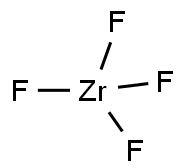
ZrF₄ · CAS 7783-64-4
99.9% Trace Metals Basis Zirconium Fluoride ZrF4 for Fluoride Glass
A zirconium- and fluorine-containing inorganic compound supplied at 99.9% (trace metals basis) for fluoride glass design, inorganic catalysis and polymerized calcium phosphate cement research. Identity is fully documented by chemical formula, CAS number, EC number and molecular weight, so incoming inspection does not depend on external testing.
SEO Title: 99.9% Trace Metals Basis Zirconium Fluoride ZrF4 for Fluoride Glass
Meta Description: Zirconium fluoride ZrF4, CAS 7783-64-4, available at 99.9% trace metals basis with controlled metal impurities for fluoride glass, catalysis and cement research.
URL Slug: /zirconium-fluoride-zrf4-999-trace-metals
Product Summary
Zirconium fluoride (ZrF₄) is an inorganic compound used as a key component in fluoride glass material systems and as a reagent and synthesis raw material in chemical laboratories. This specification is offered at 99.9% on a trace metals basis, where the metal impurity profile is tightly controlled because residual metals interfere with optical performance in fluoride glass and with reaction behaviour in inorganic catalysis and cement-setting research.
Every shipment is tied to a batch number and analytical report, and the substance identity can be cross-checked against the NIST Chemistry WebBook and the U.S. EPA chemical substance registration system. The material is hygroscopic and reacts with glass, so packaging, container lining and transfer tooling should be confirmed against your site conditions before the order is released.
Key Features
99.9% Trace Metals Basis
High-specification lots keep metal impurity content extremely low, protecting inorganic catalysis reactions and cement-setting studies from trace-metal interference, and preserving the optical and physical properties of metal-sensitive fluoride glass systems.
Verifiable Substance Identity
Formula ZrF₄, CAS 7783-64-4, EC 232-018-1 and molecular weight 167.22 g/mol are stated on the documentation, so procurement and lab teams can cross-check by name, formula and CAS number and avoid confusion with other zirconium fluorides.
Research-Grade Application Fit
Suited to specialty glass and functional material R&D, inorganic catalysis work, nuclear reactor-related materials research and polymerized calcium phosphate cement formulation studies.
Safety Data on Record
Public safety data sheets classify the substance as corrosive, with risk of severe skin burns and eye damage, and flag the danger of hydrogen fluoride release, supporting written sampling, dust-control and spill procedures.
Hygroscopic Handling Guidance
Because the product is hygroscopic and reacts hazardously with glass, it is supplied with sealed, moisture-proof storage recommendations and support in selecting compatible containers, linings and transfer tools.
Batch Traceability
Chemical content, trace metal impurities, batch consistency and analytical reports are provided with the lot, reducing incoming inspection workload and shortening trial-and-error cycles.
Technical Specifications
| Parameter | Detail |
|---|
| Chemical name | Zirconium fluoride |
|---|
| Chemical formula | ZrF₄ |
|---|
| CAS number | 7783-64-4 |
|---|
| EC number | 232-018-1 |
|---|
| Molecular weight | Approx. 167.22 g/mol |
|---|
| Purity grade | 99.9% (trace metals basis) |
|---|
| Metal impurity profile | Extremely low trace metal content, reported on the batch analytical report |
|---|
| Identity references | NIST Chemistry WebBook; U.S. EPA chemical substance registration system |
|---|
| Hygroscopicity | Hygroscopic; keep sealed and moisture-proof |
|---|
| Container compatibility | Hazardous reaction with glass; container and lining selected after compatibility assessment |
|---|
| Hazard classification | Corrosive – risk of severe skin burns and eye damage; danger of hydrogen fluoride release |
|---|
| Documentation | Safety data sheet, batch number, analytical report |
|---|
Models and Options
- Documented specification: 99.9% trace metals basis — the grade described on this page, intended for metal-sensitive fluoride glass and catalysis work.
- Packaging configuration: confirmed per order after a container, lining and transfer-tool compatibility assessment, since the material is hygroscopic and incompatible with glass.
- Documentation package: safety data sheet, batch number record and analytical report issued with the lot for incoming inspection comparison.
Materials and Structure
Zirconium fluoride is built from zirconium and fluorine, and it carries both elements into the final material system — the property that makes it useful in fluoride glass design and in inorganic synthesis. Its practical behaviour in the warehouse and the laboratory is defined by two characteristics stated in the public safety data: it is hygroscopic, and it reacts hazardously with glass. Both constrain how the material should be contained and transferred.
Storage therefore follows a sealed, moisture-proof regime in a dry, ventilated environment, with containers, lining materials and transfer tools chosen on the basis of supplier safety information and an on-site compatibility assessment. Dangerous goods classification and transport documents are verified before dispatch so that logistics compliance is settled in advance.
Applications
- Fluoride glass and specialty optical materials: a key component in fluoride glass material systems where trace metals must stay controlled.
- Inorganic catalysis and chemical synthesis: a reagent and synthesis raw material in laboratory and chemical synthesis work.
- Nuclear reactor-related materials: specific application associations in nuclear reactor-related material research.
- Polymerized calcium phosphate cement: used in studies of cement formulation and setting behaviour.
- Functional material R&D: broader specialty glass and functional material development programmes.
Customization
Support is available at the practical edges of the order rather than as invented product variants: help selecting suitable storage containers, lining materials and transfer tools; verification of dangerous goods classification and transport documentation; and assembly of the analytical report, safety data sheet and batch records your incoming inspection team needs. Site-specific handling procedures for sampling, transfer, dust control and spill response can be built from the published safety guidance.
FAQ
What purity grade is available for this product?
High-specification lots are available at 99.9% on a trace metals basis, with an extremely low metal impurity content. The batch analytical report accompanies the material.
How do we confirm we are receiving the right zirconium fluoride?
Cross-check the name against chemical formula ZrF₄, CAS number 7783-64-4, EC number 232-018-1 and molecular weight of approximately 167.22 g/mol. The substance is also recorded in the NIST Chemistry WebBook and the U.S. EPA chemical substance registration system.
Why does trace metal content matter for fluoride glass?
Fluoride glass systems are sensitive to metal impurities. Strict trace metal control is what protects the final material's optical and physical properties, which is why the 99.9% trace metals basis grade exists.
Can the material be supplied or stored in glass containers?
No. The substance reacts hazardously with glass. Container and lining materials should be selected after a compatibility assessment, and we assist with that selection together with transfer tools.
How should the product be stored on arrival?
Keep it sealed and moisture-proof in a dry, ventilated environment. The material is hygroscopic, so moisture ingress is the main storage risk.
What hazards are associated with handling?
Public safety data classify it as corrosive, with risk of severe skin burns and eye damage, and note the danger of hydrogen fluoride release. Written procedures should cover sampling, transfer, dust control and spill handling.
Which documents ship with each batch?
Each lot is linked to a batch number, a safety data sheet and an analytical report covering chemical content and trace metal impurities, supporting quality verification and problem tracing.
Which industries is this grade used in?
Fluoride glass and specialty optical material development, inorganic catalysis and synthesis, nuclear reactor-related materials research, and polymerized calcium phosphate cement formulation studies.
Handling reminder: this substance is classified as corrosive and can release hydrogen fluoride. Confirm container compatibility and local safety procedures before opening.
Image Filename and Alt Suggestions
zirconium-fluoride-zrf4-999-trace-metals-formula-label.png — Alt: “Zirconium fluoride ZrF4 product image showing the chemical formula label”zirconium-fluoride-zrf4-sealed-moisture-proof-packaging.png — Alt: “Sealed moisture-proof packaging recommended for hygroscopic zirconium fluoride”zirconium-fluoride-zrf4-batch-analytical-report.png — Alt: “Batch analytical report accompanying a zirconium fluoride lot for incoming inspection”zirconium-fluoride-zrf4-fluoride-glass-application.png — Alt: “Fluoride glass material sample developed with zirconium fluoride as a key component”