Automated ABS+PC Bumper Coating Line with Robotic Spraying
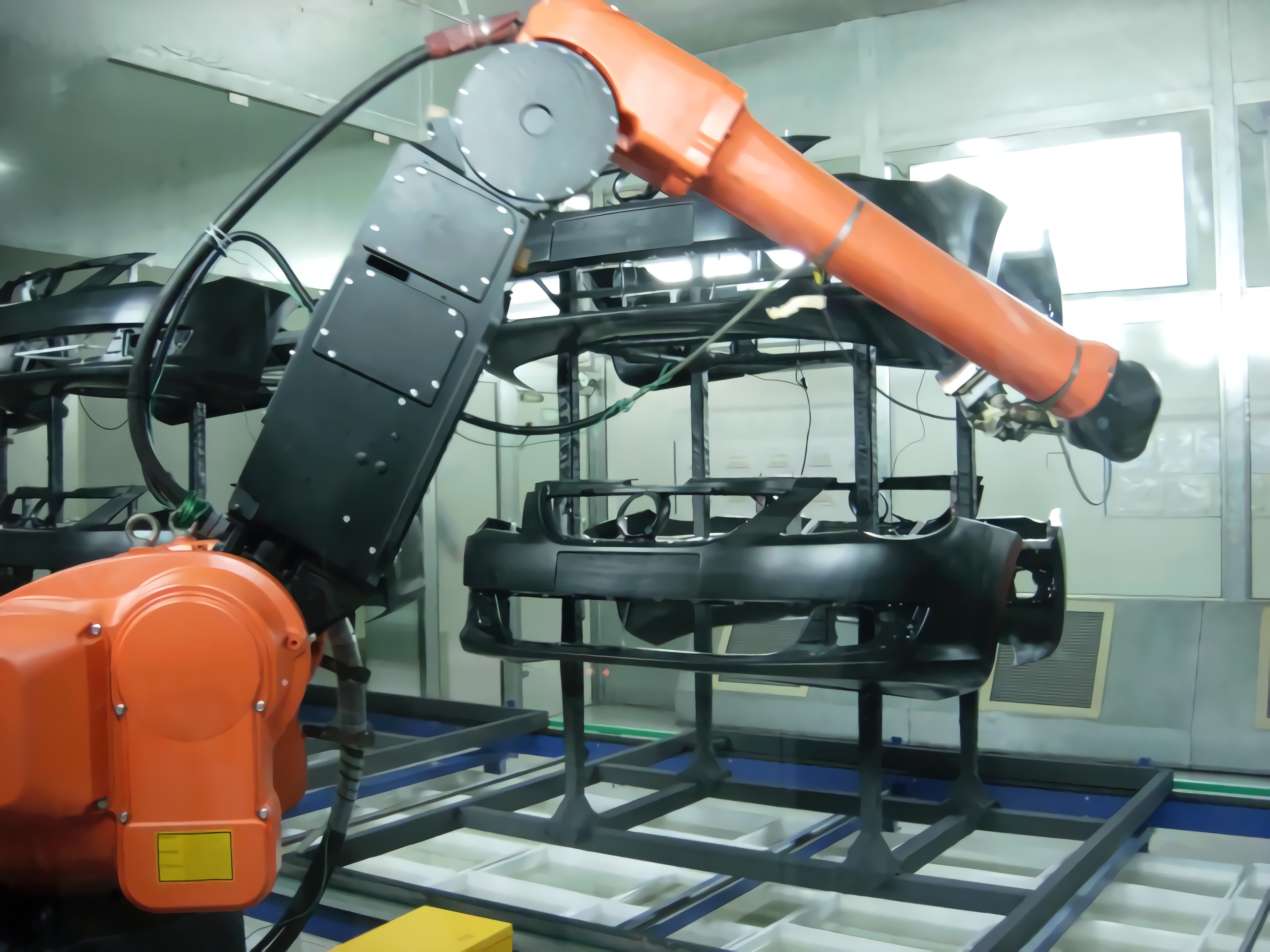
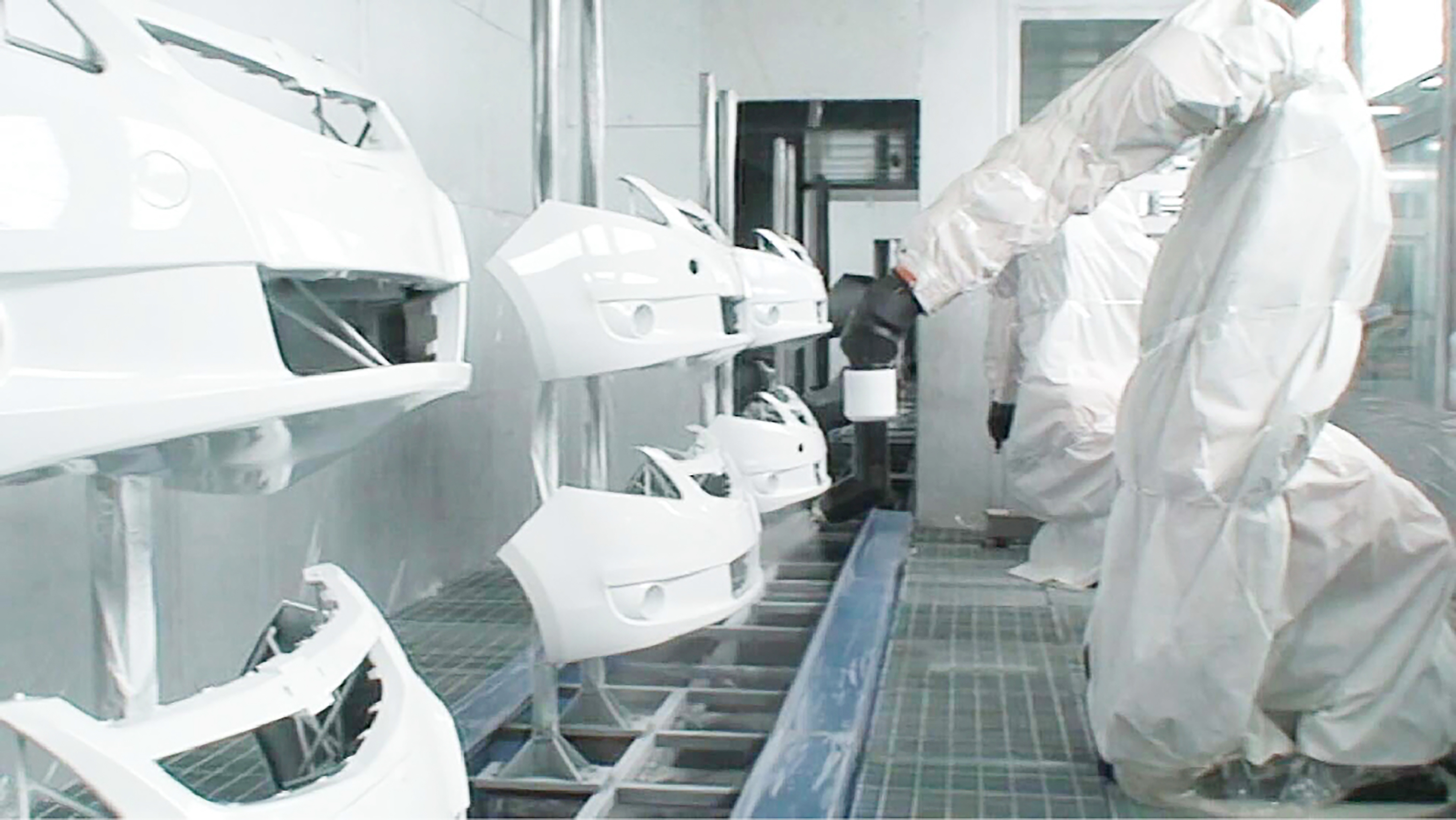
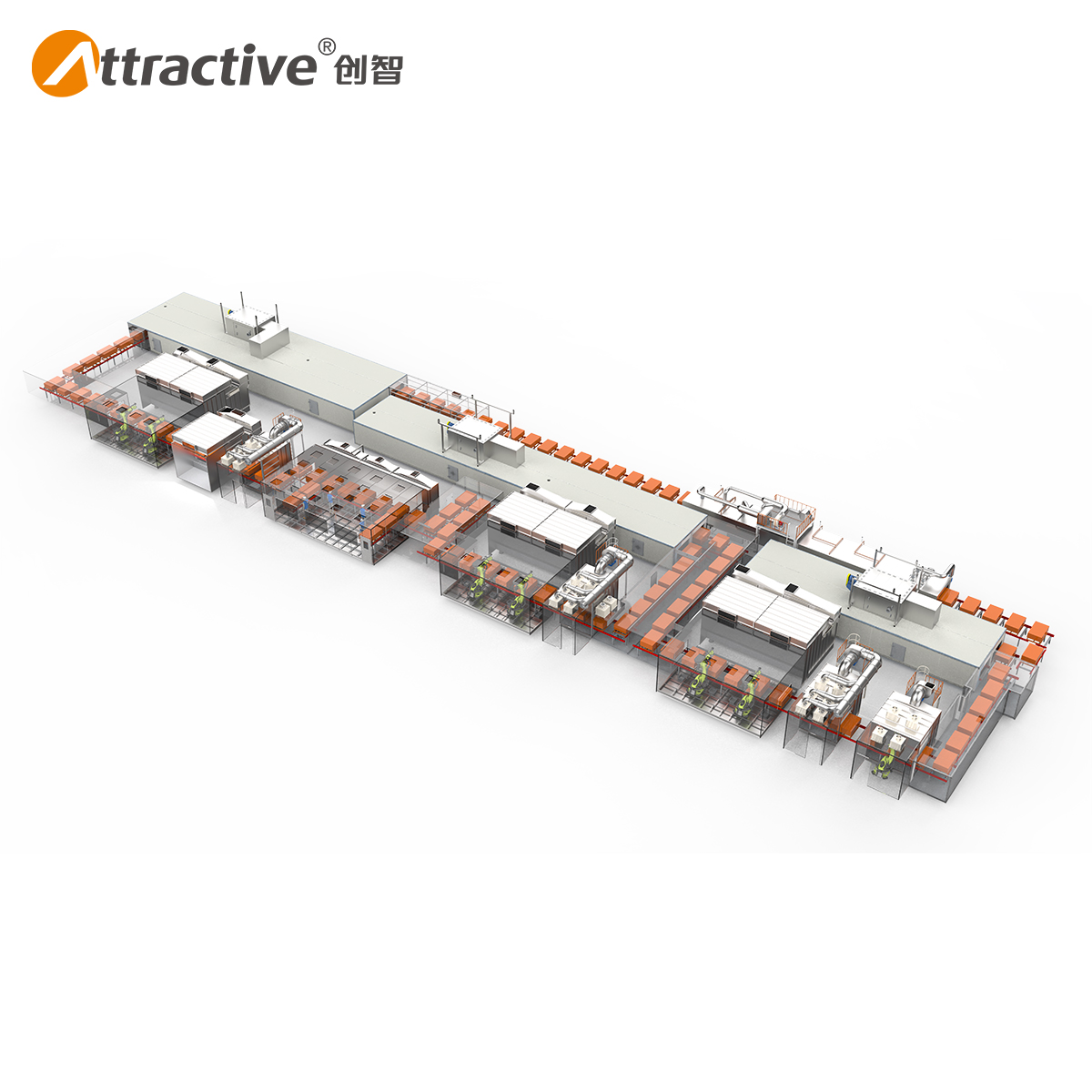
This automated bumper coating line is engineered for high-volume finishing of ABS+PC front and rear bumpers in the automotive parts industry. It integrates an offline loading station with robotic painting to achieve a consistent 45-second cycle per tray, delivering up to 1,760 trays per day. Designed for a 336-day annual operation at 22 hours per day, the line ensures efficient, continuous production while maintaining a clean room environment.
Key Selling Points
- High Productivity: 45-second cycle per tray and 1,760 trays daily output supports mass production demands.
- Precision Robotic Coating: Robotic spraying ensures uniform film thickness on complex bumper geometries, reducing material waste.
- Optimized Environment: Maintains paint booth temperature at 25±2°C and humidity at 65±10% RH for consistent finish quality.
- Flexible Operation: Offline loading mode allows for easy part changeovers and reduced in-line downtime.
- Heavy-Duty Construction: Carbon steel main structure with stainless steel for paint booth and piping ensures durability and easy cleaning.
Technical Specifications
| Parameter | Value |
|---|
| Work Schedule | 336 days/year, 22 h/day |
| Paint Booth Temperature | 25 ± 2 °C |
| Paint Booth Humidity | 65 ± 10 % HR |
| Painting Method | Offline + robotic painting |
| Production Cycle | 45 s/tray (1,760 trays/day) |
| Max Tool Tray Size | 1350 mm (L) × 900 mm (W) × 200 mm (H) |
| Equipment Utilization Rate | 85% |
| Factory Dimensions | 100 m (L) × 38 m (W) × 5.4 m (H) |
| Energy Sources | Electricity, natural gas, steam, chilled water |
Models and Options
Bumper coating lines are available in multiple configurations to match different production scales and part sizes. Options include variations in line length, number of robotic arms, and level of automation. Contact our engineers to customize a line that fits your specific bumper models and factory layout.
Materials and Structure
The main structure is fabricated from carbon steel for strength, while the paint booth and all piping are made of stainless steel to resist corrosion and facilitate easy cleaning. This combination ensures long-term reliability in demanding coating environments.
Applications
Specifically designed for coating automotive bumpers made of ABS+PC material. The line is also adaptable for other large plastic exterior parts such as door panels, instrument panels, and wheel arches.
Customization
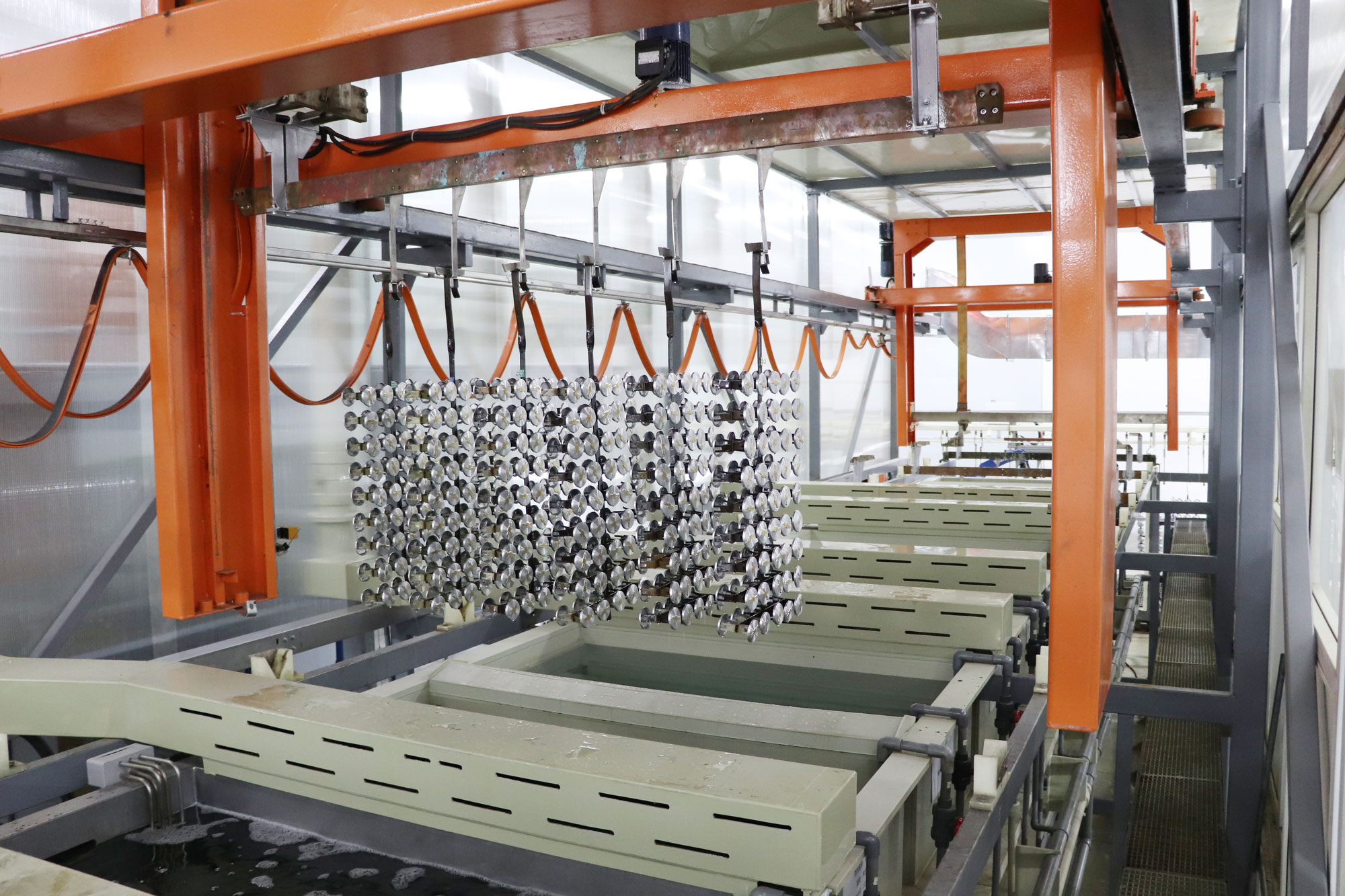
We provide complete turnkey solutions tailored to your factory space, production volume, and automation requirements. Our team can integrate pre-treatment, drying, curing, and environmental control systems to create a seamless production flow.
FAQ
- Q: What is the minimum order quantity? A: Our MOQ is 2 units.
- Q: Can the line handle different bumper sizes? A: Yes, the max tool tray size is 1350x900x200 mm, but we can customize this.
- Q: How is the painting quality maintained? A: The booth temperature and humidity are tightly controlled, and robotic painting ensures repeatable application.
- Q: What is the delivery method? A: We ship FOB from any port in Guangdong.
- Q: Is pre-shipment testing available? A: Yes, we offer pre-shipment testing to ensure the line meets your expectations.
- Q: What certifications does the company hold? A: Our equipment is designed to comply with ISO 9001, ISO 14001, and ISO 45001 standards.
Inquiry Information
For pricing, availability, and customization details, please contact us with your specific requirements.