HRC 55-65 Cast Steel Shot for Shot Peening and Surface Strength
HRC 55-65 cast steel shot for shot peening and surface strengthening. Consistent hardness and particle size, spherical shape and 1000+ recyclable cycles.
cast-steel-shot-hrc-55-65-shot-peening
Cast Steel Shot · HRC 55-65
HRC 55-65 Cast Steel Shot for Shot Peening and Surface Strength
Higher hardness cast steel shot for shot peening, surface strengthening and fatigue life improvement on automotive parts, springs and general steel components.
HRC 55-65 grade cast steel shot for peening and strengthening
1Product Summary
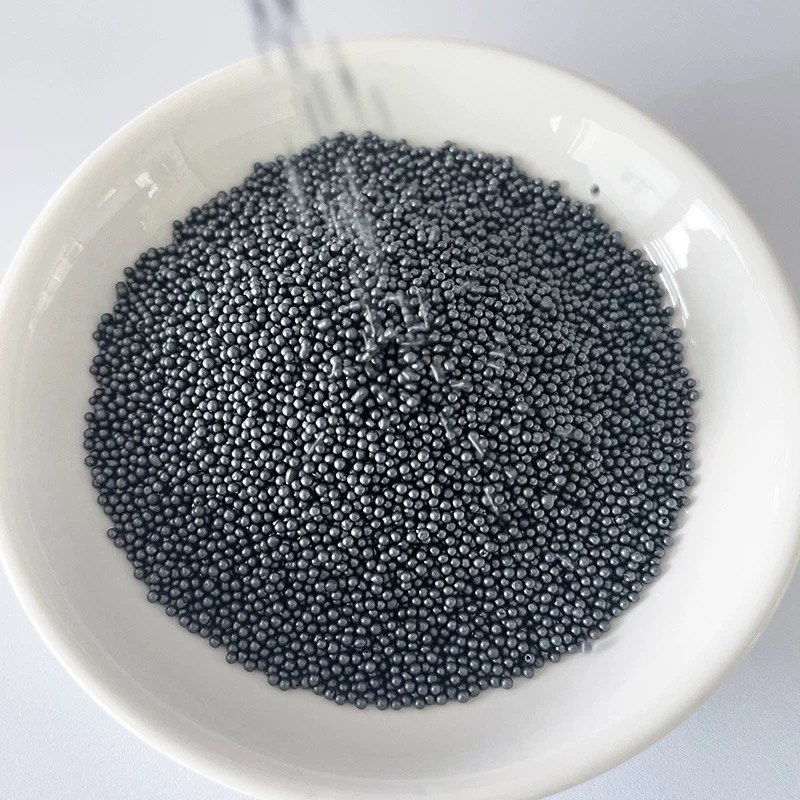
This is the higher hardness grade of the Cast Steel Shot S70-S930 series, produced at HRC 55-65 alongside the standard HRC 40-50 grade. The material is high carbon cast steel with a spherical particle shape, 7.8 g/cm³ specific gravity, 4.5-4.8 g/cm³ bulk density and more than 1000 recyclable cycles.
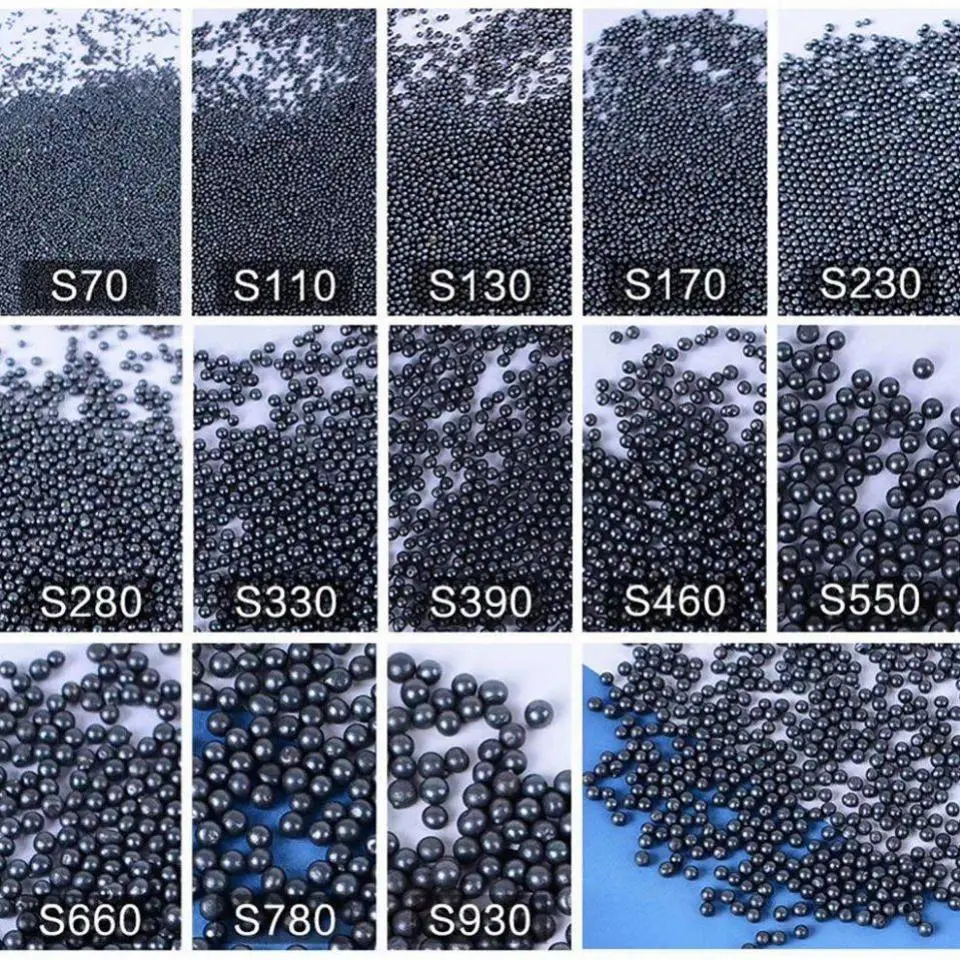
The higher hardness grade is used in shot peening and surface strengthening, where a controlled, consistent particle is needed to raise fatigue strength on springs, automotive parts and other cyclically loaded components. Size designations run from S70 to S930 and follow SAE J441 / J827 grading.
2Key Features
HRC 55-65 hardness band
The higher hardness grade delivers stronger surface strengthening than the HRC 40-50 grade on the same machine setting.
Built for shot peening
Spherical shot is used for shot peening and surface strengthening, including automotive part and spring peening lines.
Consistent hardness and particle size
Batch-to-batch consistency keeps peening results stable and avoids re-setting the machine between deliveries.
Smooth rounded profile
The spherical shape produces a smooth, rounded surface profile and reduces wear on blast wheels.
1000+ recyclable cycles
Long service life reduces consumption per component treated and lowers abrasive cost per part.
Low dust generation
Lower dust keeps peening cabinets and dust extraction systems cleaner during continuous production.
Shot peening and surface strengthening, cleaning and descaling
Grading standard
SAE J441 / J827
Test report standards
JB/T8354-1996, YB/T5150-93, GB/T88.3
Quality system
ISO9001
4Models and Options
The HRC 55-65 grade is produced in the same twelve size designations as the standard grade, so a peening line and a cleaning line can be supplied from one series.
S70S110S170S230S280S330S390S460S550S660S780S930
Grades can be customized to match the blasting or peening machine and its separator setting.
5Materials and Structure
High carbon cast steel is melted in medium-frequency induction furnaces and formed by centrifugal atomization granulation, followed by secondary quenching and tempering, rounding and screening. Hardness is controlled through the heat treatment route rather than by surface treatment, so the working hardness is carried through the particle.
Each batch is tested for chemical composition and fatigue life, with pre-shipment sampling inspection. MTC test reports are issued against JB/T8354-1996, YB/T5150-93 and GB/T88.3.
6Applications
Shot peening and surface strengthening of automotive parts and springs
Fatigue strength improvement on cyclically loaded steel components
Surface preparation before painting on steel structures and bridges
Descaling and cleaning of castings and forgings
Shipbuilding, pipeline and tube, rail and locomotive surface treatment
Spherical shot for peening and surface strengthening
7Customization
Grades can be customized to match the customer blasting equipment, and customized solutions are available for different blasting applications. Annual production capacity of approximately 100,000 tons supports repeat supply for peening lines that run continuously.
8Case Study
The supplier has run a five-year supply programme for shipbuilding and ship repair companies, structural steel and bridge fabricators, automotive parts and surface treatment manufacturers, foundries and abrasive distributors across AR, ES, FR, GB, IR, KR, MY, PK, PT, SA, TH, US and VN.
Order pattern: 100 tons per order, annual supply over 500 tons
Automotive component shot peening and cleaning included in the application scope
Sa2.5-3.0 surface preparation achieved with improved coating adhesion
Abrasive consumption reduced by 15-20% against the previous supplier, with zero quality complaints over five years
9FAQ
What is the difference between HRC 55-65 and HRC 40-50?
Both are cast steel shot from the same series and the same size range. HRC 55-65 is the harder grade used for shot peening and surface strengthening; HRC 40-50 is the medium hardness grade used for general blast cleaning and descaling.
Is this grade suitable for spring peening?
Yes. Automotive parts and spring peening are listed applications for this cast steel shot series, and the HRC 55-65 grade is the higher hardness option for that work.
Will hardness stay consistent between batches?
Consistent hardness and particle size batch after batch is one of the stated product characteristics, supported by chemical composition and fatigue life testing of each batch.
Which sizes can be supplied?
Twelve sizes from S70 to S930: S70, S110, S170, S230, S280, S330, S390, S460, S550, S660, S780 and S930.
What documentation comes with a shipment?
MTC test reports issued against JB/T8354-1996, YB/T5150-93 and GB/T88.3, together with pre-shipment sampling inspection records.
How should the shot be stored on site?
Keep it dry to prevent caking and store it away from damp areas of the shop floor.
10Inquiry Information
ContactFan · Zouping Huiteng Metal Abrasives Co., Ltd.