| Params | TERM AND SCOPE
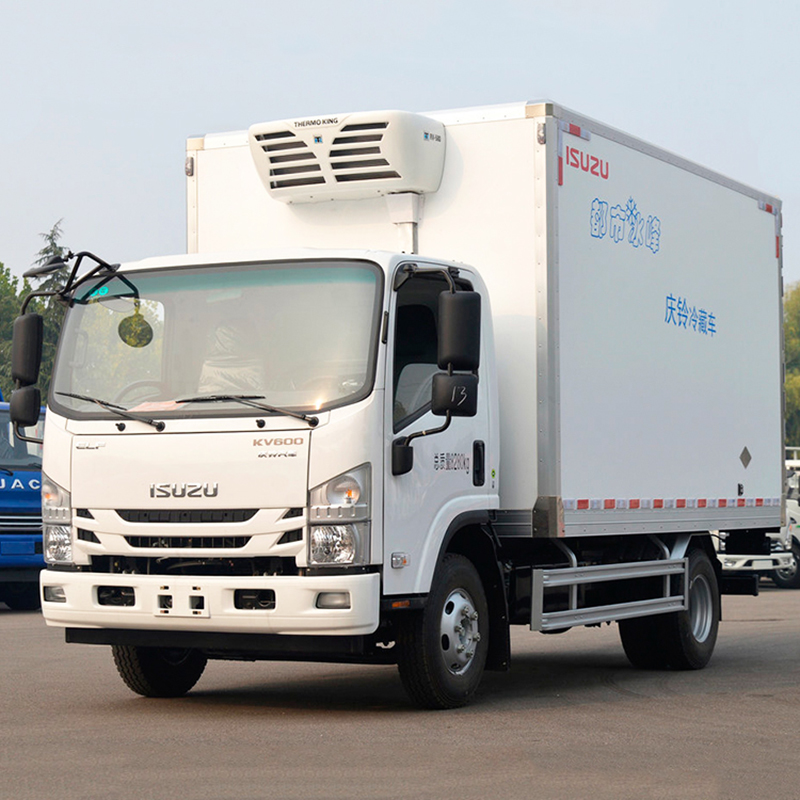
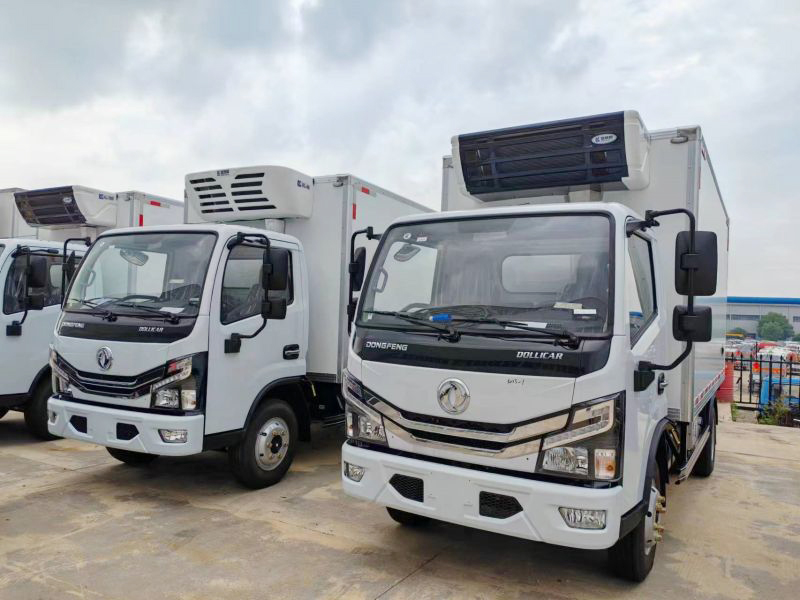
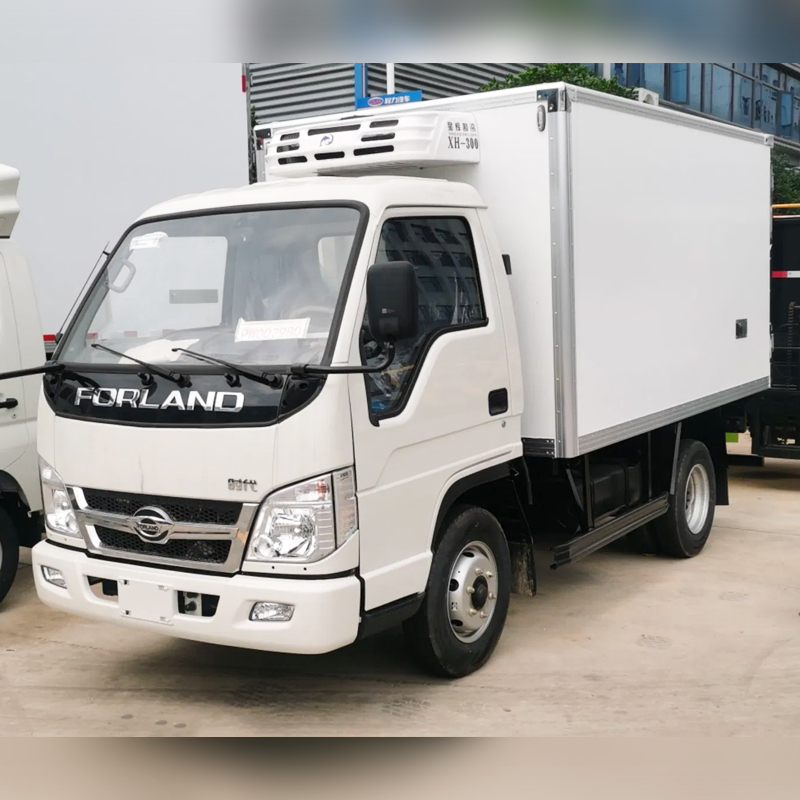
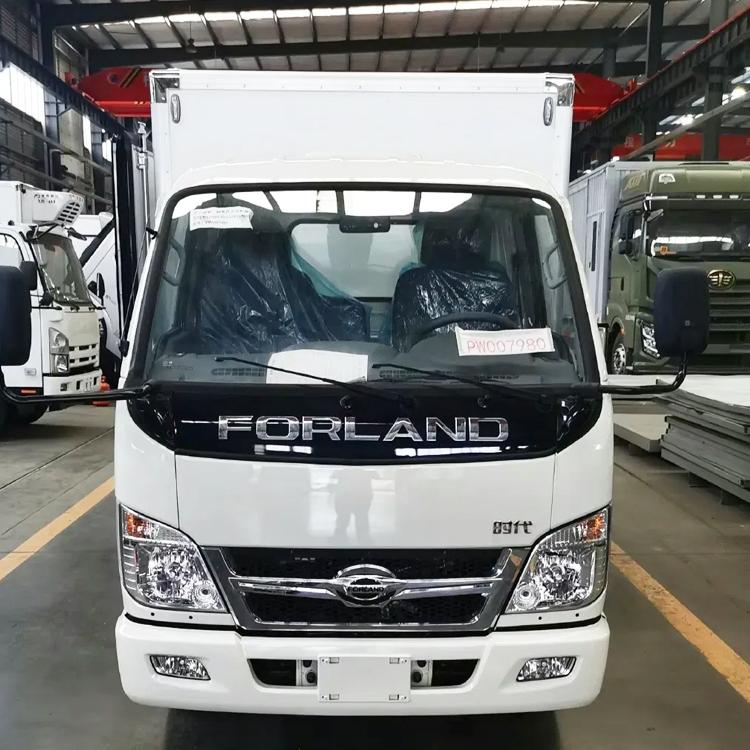
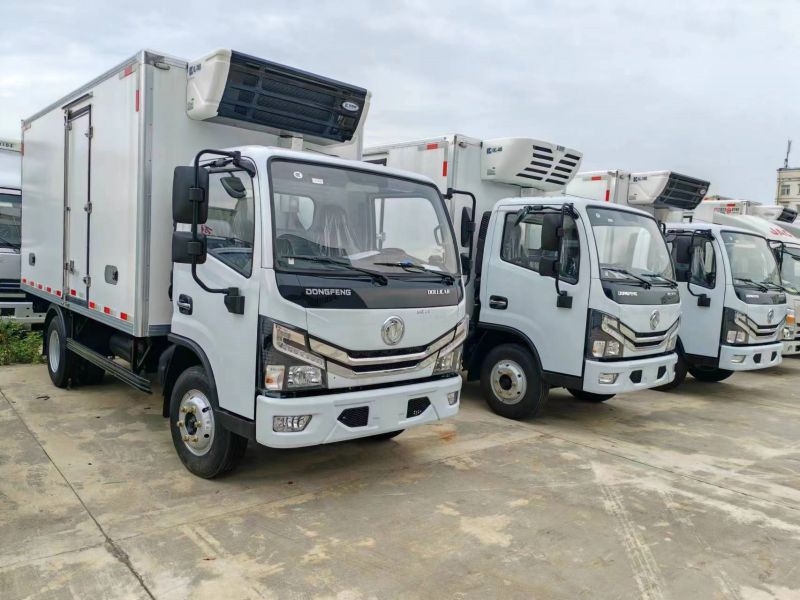
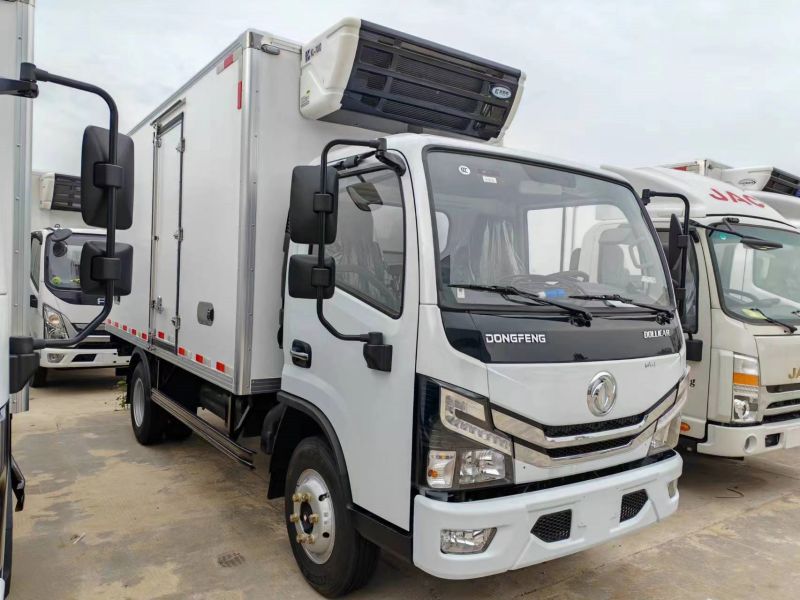
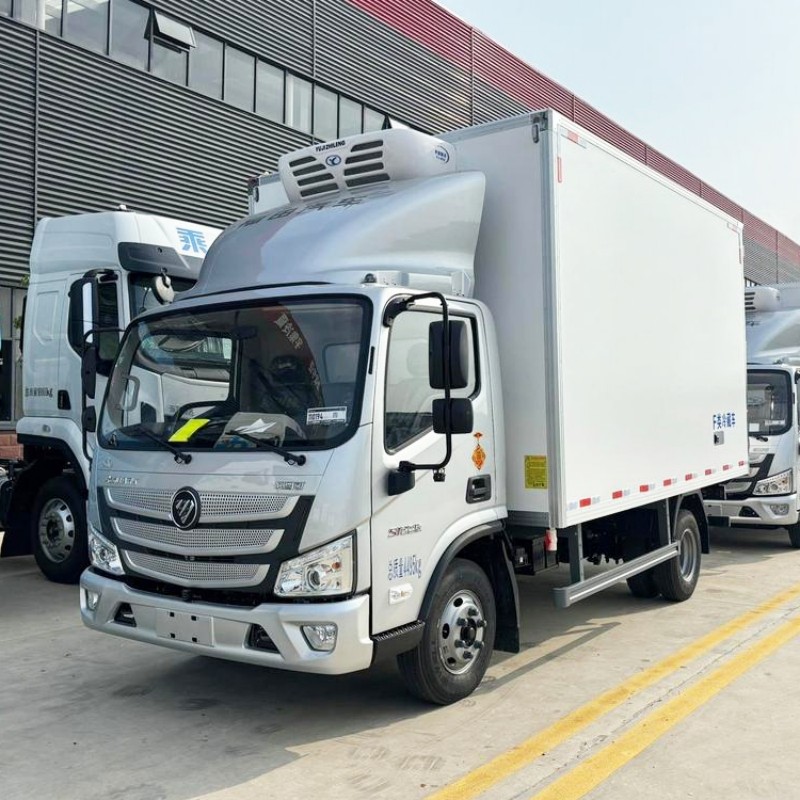
- Reefer truck: the trade short form for a refrigerated truck, an insulated cargo body with a mechanical refrigeration unit that holds a set temperature in hot or cold weather
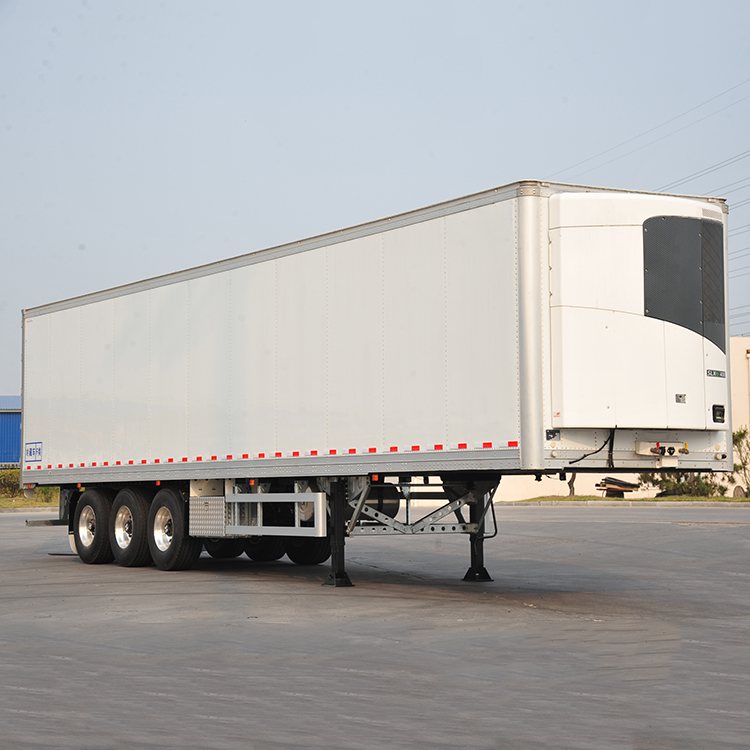
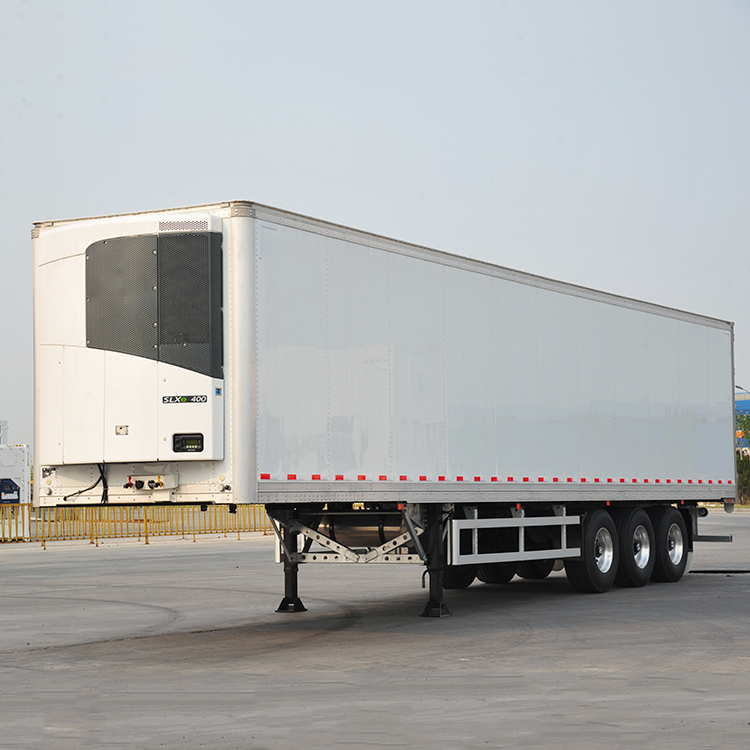
- Not a reefer: a body with insulation only slows the temperature rise and has no unit; a reefer semi-trailer is the towed version pulled by a tractor unit
CONFIGURATION
- Drive: 4x2 for 3,000-6,000 kg payload and city or regional work; 6x4 for 15,000-25,000 kg and long routes
- GVW 7,300-31,000 kg; body volume 10-45 m3, about 14 m3 behind a 3.8 m body and 31 m3 behind a 6.0 m body; the reefer semi-trailer is quoted at 40,000 kg on three 13 t axles
- Body internal length 3,800-9,600 mm, width 2,000-2,450 mm, height 1,800-2,500 mm; wheelbase 3,300-6,000 mm; top speed 90-100 km/h
TEMPERATURE REGIME AND SET POINT
- Chilled +2 to +8°C for fresh produce, dairy, chilled meat and beverages; +12°C for bananas and fruit damaged by cold
- Frozen -18°C for frozen meat, fish, ready meals and ice cream; deep frozen -20 to -25°C for ice cream at the loading point
- Pharmaceutical +2 to +8°C, or -20°C for frozen product, quoted with a temperature recorder and a continuous record
- One body can cover a band such as -20 to +12°C; the unit is sized for the coldest set point required
- Where a buyer works to a national or international temperature class, the class is turned into a set point and a hold time before body and unit are sized; any statutory certificate is confirmed project by project
INSULATED BODY
- Panel: FRP skin 1.5-2.0 mm both faces over a polyurethane core 80-120 mm, foamed under about 120 kPa; 100 mm standard, 120 mm for deep-frozen work
- K value about 0.3-0.4 W/m2K on a 100 mm body, stated on the body test report; multi-lip EPDM gasket and stainless rear door frame
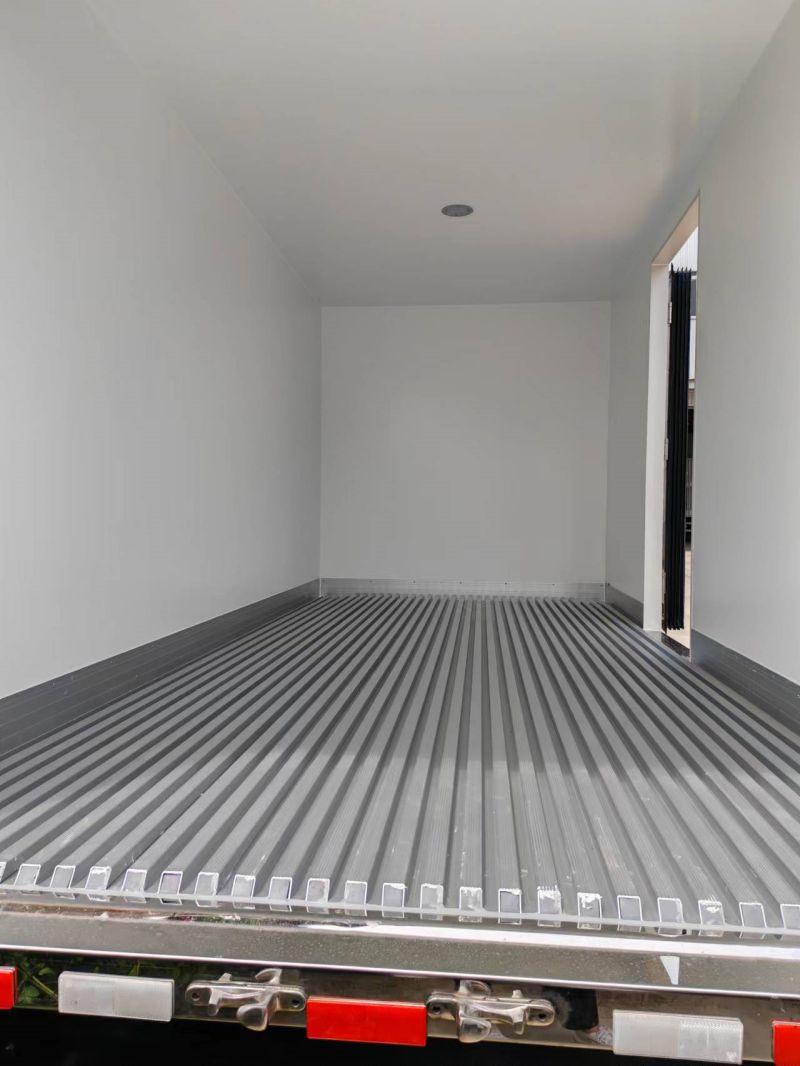
- Floor 100-150 mm insulated with aluminium T-section rails so return air passes under the load
REFRIGERATION UNIT OPTIONS
- Non-independent unit: driven from the vehicle engine, no second engine to service, and compact enough to leave the full body length for cargo
- Self-powered unit: its own diesel engine keeps cooling while the truck is parked or loading; quoted for multi-drop routes
- Electric standby: a mains plug for overnight pre-cooling and depot holding, quieter and cheaper to run than a diesel unit
- Eutectic plates: frozen overnight and released through the day, for short loops where noise or emissions are restricted
- Capacity about 4,700 W on the 5 t class body; a larger body, a colder set point or a hotter climate takes a larger unit
- R404A standard, low-GWP option on request; digital thermostat, automatic hot-gas or electric defrost
MULTI-TEMPERATURE AND AIR MANAGEMENT
- Partition: insulated bulkhead splitting the body into two zones, with a second evaporator and its own thermostat; a sliding bulkhead lets the split follow the day's order
- Air delivery: evaporator with two or three fans, air chute or duct on long bodies, return air across the rear doors
- Floor: T-section rails or a full T-floor keep the return air path open under pallets
- Load line: bulkhead clearance and a painted load line keep cargo off the evaporator, because blocked return air is the usual cause of warm spots
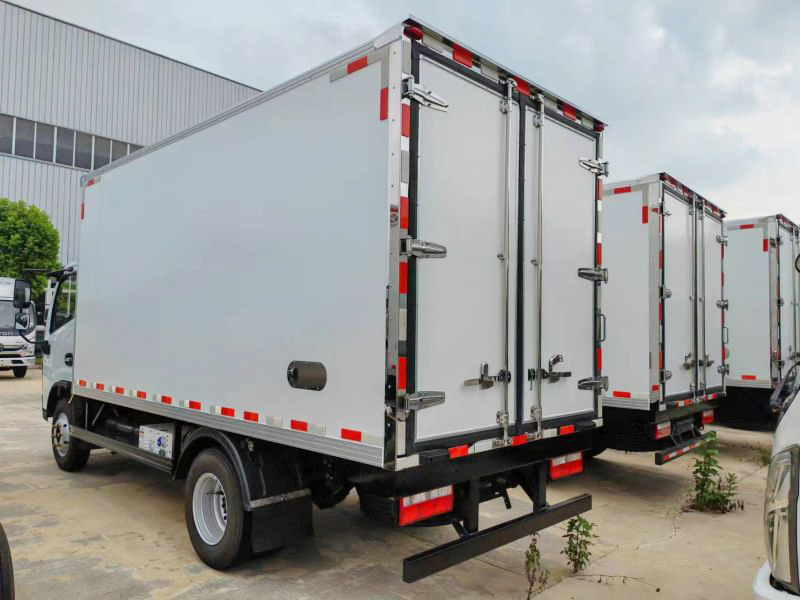
- Doors: rear double doors standard; side door, strip curtain or roller shutter for multi-drop work
MONITORING AND RECORDS
- Controller: digital set point and cab display with high and low temperature alarms
- Recorder: data logger with one to four sensors and a USB or printed record, where the receiver asks for a temperature history
- Door switch counts door-open time; GPS tracking with remote monitoring and alerts is optional
LOAD HANDLING AND INTERIOR
- Pallets 1,200 x 800 mm and 1,200 x 1,000 mm, 4 to 14 pallets by body length; meat rail with hooks, shelving, cargo rails, LED light, drain plugs
- Tail lift or side door for drops without a dock
CHASSIS AND DRIVELINE
- Engine: diesel 90-300 hp, Euro II to Euro V matched to local fuel; manual gearbox with 5-10 forward speeds
- Axles front 2,500-7,500 kg, rear 3,500-16,000 kg; leaf springs or air suspension; air brake with ABS; tires 7.00R16 to 12.00R20
PERFORMANCE
- Pull-down: empty body from 30°C ambient to 0°C in 30-60 minutes; holding within plus or minus 1°C; working ambient -20 to 45°C
QUALITY AND DELIVERY
- 100% pre-shipment check: insulation and leak test, unit run and pull-down test, door seal, brake and road test
- Warranty 12 months for major components; the unit is covered under the unit supplier terms; lead time 30-40 working days from down payment
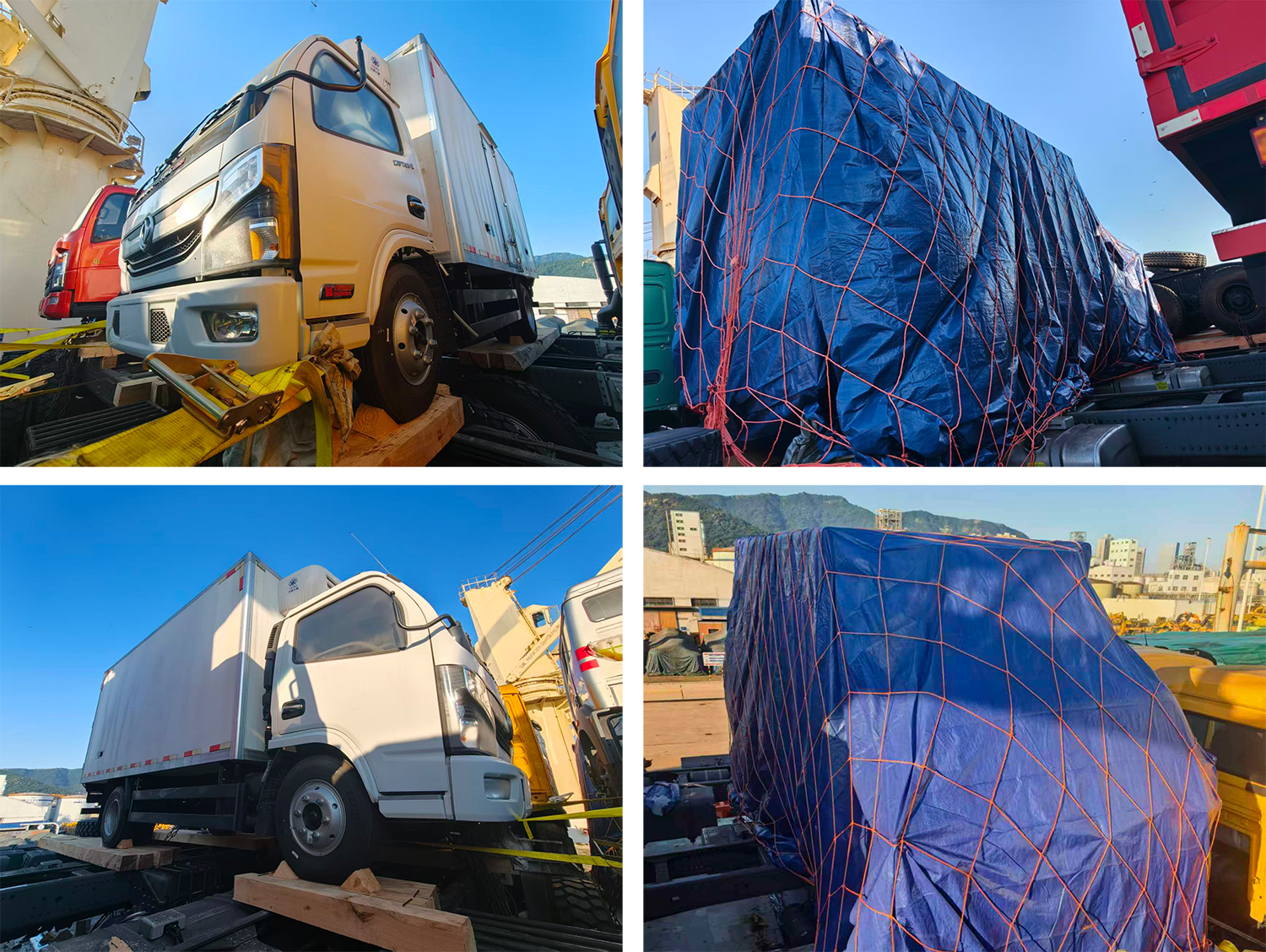
- FOB, CIF or DAP; RoRo or break-bulk, 1-3 units per shipment; documents: invoice, packing list, bill of lading, certificate of origin, insurance and body test report | Material | Body skin: FRP/GRP panel 1.5-2.0 mm on both faces, food-grade gel coat inside. Core: rigid polyurethane foam 38-45 kg/m3, 80-120 mm walls and 100-150 mm floor, foamed under about 120 kPa. Frame and sub-frame: galvanised steel or aluminium profiles, Q235 channel bolted to the chassis with anti-vibration pads. Rear door frame, door posts, hinges, locks and handles: stainless steel. Door seal: multi-lip EPDM gasket, with a heated seal for deep-frozen work. Floor: aluminium T-section rails or checker plate over an insulated base; stainless or PVC drain plugs. Interior lining: food-grade FRP or stainless steel 304 with coved corners. Partition wall: insulated FRP panel with a stainless frame, sealed at floor, walls and roof. Meat rail and hooks: stainless or galvanised steel. Refrigeration piping: copper with elastomeric insulation; evaporator and condenser housings in aluminium or ABS; refrigerant R404A. Fasteners: stainless or galvanised. |