Feature
Selectively adsorbs phospholipids, soap and trace metals; blends with bleaching earth to cut earth use; ~90% less waste cake; lower neutral-oil loss; atmospheric integration, no retrofit.---
**Silica for Edible Oil | Special Silica Adsorbent for Edible Oil Refining**
**1. Food-grade compliant, meeting global major market entry requirements**
White flowing powder, in line with GB 25576-2020, FDA, and EU food additive standards (INS E551), with high SiO₂ content and low residual heavy metals. It can be directly used in edible oil refining production lines such as soybean oil, rapeseed oil, sunflower seed oil, and peanut oil.
**2. Efficient adsorption of phospholipids, assisting in degumming**
Mesoporous structure specifically adsorbs phospholipids (hydrated/non-hydrated phospholipids) in raw oil, helping to reduce phosphorus content in the oil, reducing the load of subsequent white soil desaturation, and preventing finished oil from becoming turbid or precipitating.
**3. Directional adsorption of saponification products and free fatty acids**
Capturing residual saponites and free fatty acids during alkaline refining/physical refining processes, reducing the acid value of the finished oil, and alleviating the pressure on subsequent processes.
**4. Complexing trace metals, delaying oil oxidation**
Adsorbing iron, copper, and other oxidizing-promoting metal ions, helping to enhance the oxidation stability of the oil, extending the shelf life of the finished oil, and reducing the risk of recall.
**5. Reducing the amount of active white soil, lowering overall costs**
Used in combination with white soil, it can replace part of the white soil dosage. With a decrease in white soil dosage, the oil content and waste soil disposal volume also decrease simultaneously, resulting in better overall operating costs.
**6. Non-oil absorption, low oil loss**
Strong selective adsorption, weakly adsorbing triglycerides (the main component of oil), low residual oil rate after filtration, reducing oil phase loss compared to traditional adsorption media.
**7. Good thermal stability, suitable for continuous refining processes**
Stable in temperature ranges of the decolorization tower and deodorization process, not releasing impurities, and not affecting the flavor of the oil. It can be directly put into continuous or intermittent refining lines.
**8. Wide range of application oil types**
Suitable for degumming, deacidification, and decolorization pre-treatment of various vegetable oils such as soybean oil, rapeseed (sunflower) oil, sunflower seed oil, corn oil, palm oil, and rice bran oil.
---
**Compliance Reminder for External Communication**:
- Use expressions like "adsorbs/helps reduce/assists with" instead of saying "removes harmful substances", "more healthy", "lowers cholesterol" etc., which are efficacy-oriented and health-related expressions;
- For specific data such as phosphorus content, acid value, and white soil substitution ratio, it is recommended to fill in the actual measured values based on the customer's oil type and process, rather than using fixed numbers;
- The export material safety data sheet (MSDS) and food grade compliance statement (CoA/CoO) are recommended to be provided along with the quotation, which will be more persuasive.
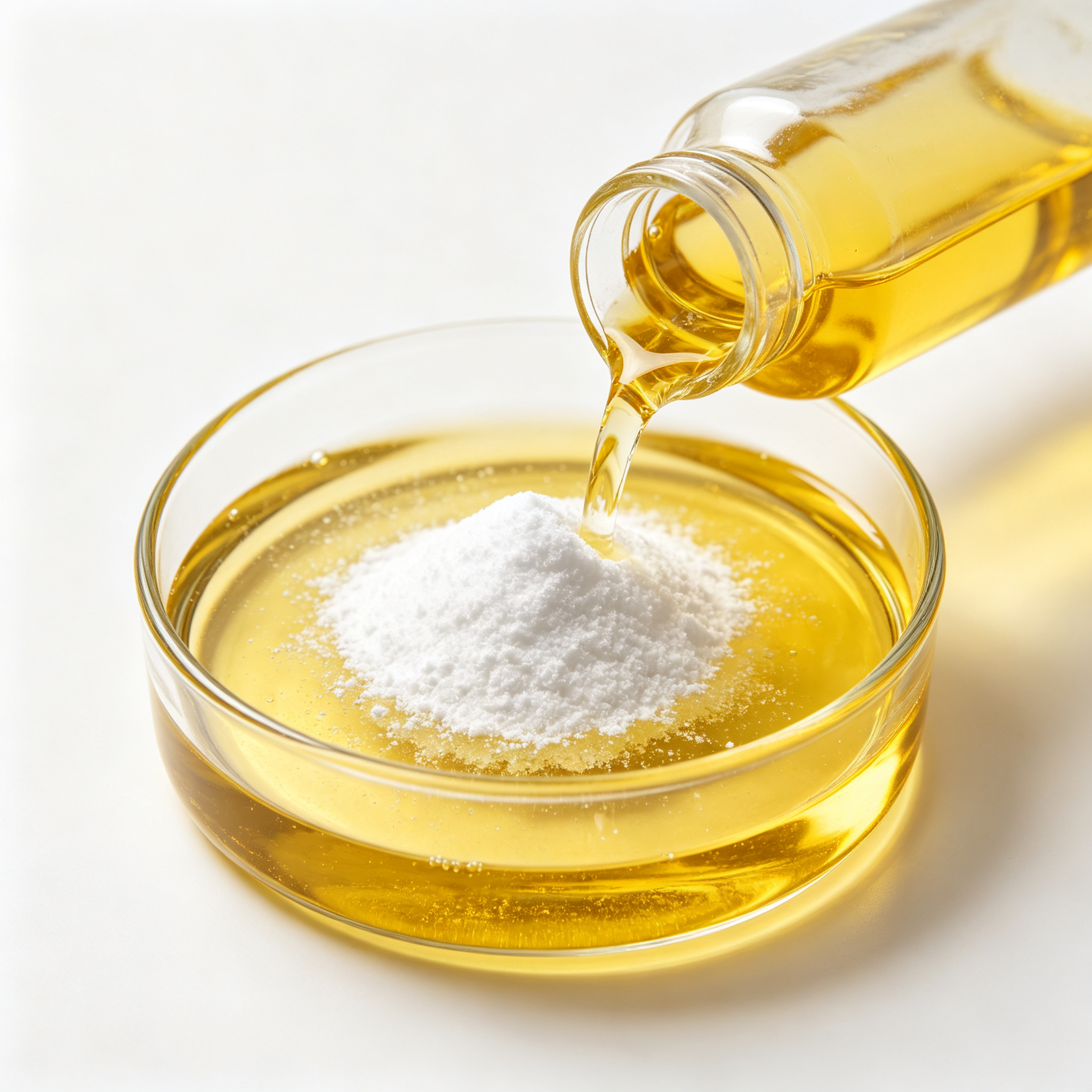
Silica for Edible ---
**Silica for Edible Oil | Special Silica Adsorbent for Edible Oil Refining**
**1. Food-grade compliant, meeting global major market entry requirements**
White flowing powder, in line with GB 25576-2020, FDA, and EU food additive standards (INS E551), with high SiO₂ content and low residual heavy metals. It can be directly used in edible oil refining production lines such as soybean oil, rapeseed oil, sunflower seed oil, and peanut oil.
**2. Efficient adsorption of phospholipids, assisting in degumming**
Mesoporous structure specifically adsorbs phospholipids (hydrated/non-hydrated phospholipids) in raw oil, helping to reduce phosphorus content in the oil, reducing the load of subsequent white soil desaturation, and preventing finished oil from becoming turbid or precipitating.
**3. Directional adsorption of saponification products and free fatty acids**
Capturing residual saponites and free fatty acids during alkaline refining/physical refining processes, reducing the acid value of the finished oil, and alleviating the pressure on subsequent processes.
**4. Complexing trace metals, delaying oil oxidation**
Adsorbing iron, copper, and other oxidizing-promoting metal ions, helping to enhance the oxidation stability of the oil, extending the shelf life of the finished oil, and reducing the risk of recall.
**5. Reducing the amount of active white soil, lowering overall costs**
Used in combination with white soil, it can replace part of the white soil dosage. With a decrease in white soil dosage, the oil content and waste soil disposal volume also decrease simultaneously, resulting in better overall operating costs.
**6. Non-oil absorption, low oil loss**
Strong selective adsorption, weakly adsorbing triglycerides (the main component of oil), low residual oil rate after filtration, reducing oil phase loss compared to traditional adsorption media.
**7. Good thermal stability, suitable for continuous refining processes**
Stable in temperature ranges of the decolorization tower and deodorization process, not releasing impurities, and not affecting the flavor of the oil. It can be directly put into continuous or intermittent refining lines.
**8. Wide range of application oil types**
Suitable for degumming, deacidification, and decolorization pre-treatment of various vegetable oils such as soybean oil, rapeseed (sunflower) oil, sunflower seed oil, corn oil, palm oil, and rice bran oil.
---
**Compliance Reminder for External Communication**:
- Use expressions like "adsorbs/helps reduce/assists with" instead of saying "removes harmful substances", "more healthy", "lowers cholesterol" etc., which are efficacy-oriented and health-related expressions;
- For specific data such as phosphorus content, acid value, and white soil substitution ratio, it is recommended to fill in the actual measured values based on the customer's oil type and process, rather than using fixed numbers;
- The export material safety data sheet (MSDS) and food grade compliance statement (CoA/CoO) are recommended to be provided along with the quotation, which will be more persuasive.
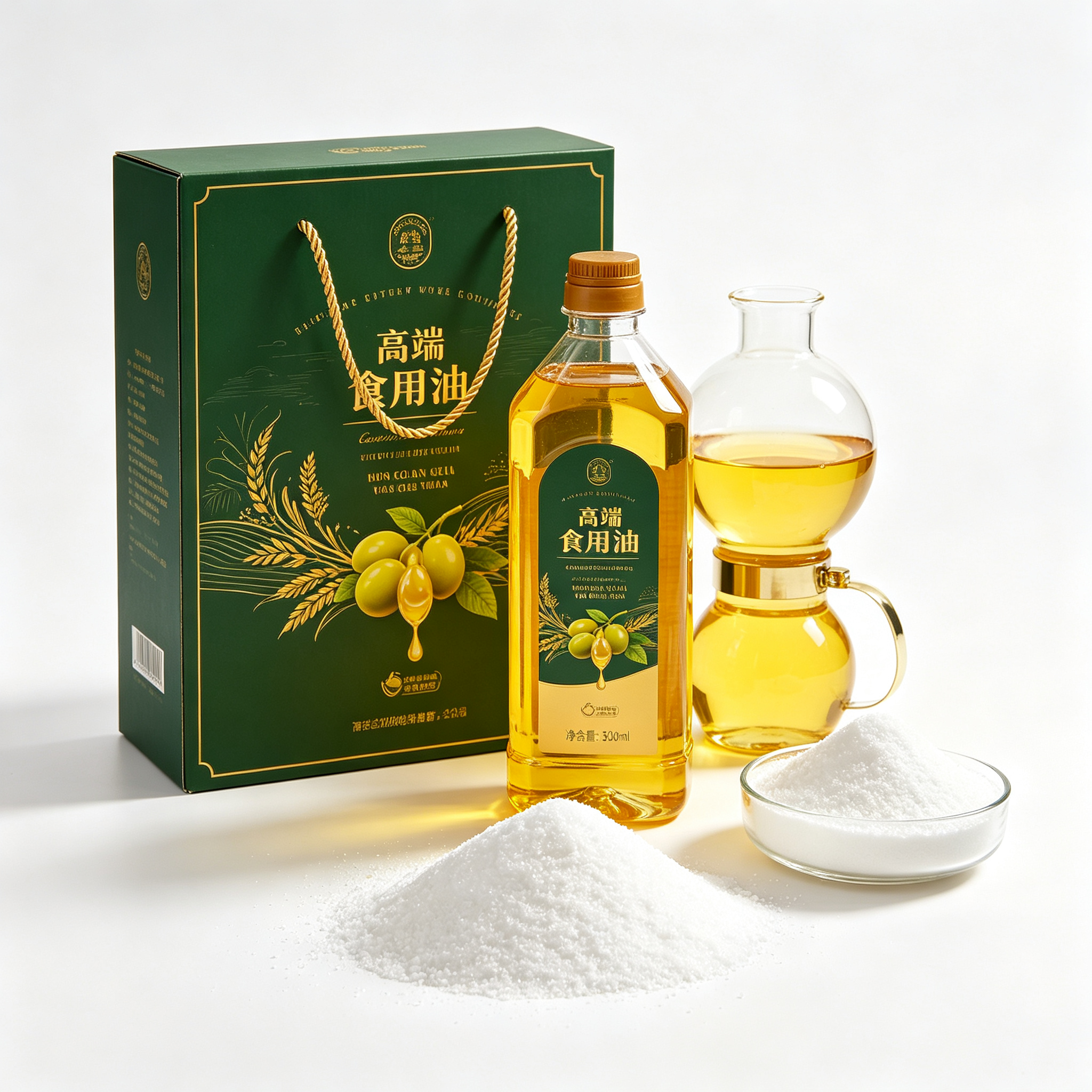
---
**Silica for Edible Oil | Special Silica Adsorbent for Edible Oil Refining**
**1. Food-grade compliant, meeting global major market entry requirements**
White flowing powder, in line with GB 25576-2020, FDA, and EU food additive standards (INS E551), with high SiO₂ content and low residual heavy metals. It can be directly used in edible oil refining production lines such as soybean oil, rapeseed oil, sunflower seed oil, and peanut oil.
**2. Efficient adsorption of phospholipids, assisting in degumming**
Mesoporous structure specifically adsorbs phospholipids (hydrated/non-hydrated phospholipids) in raw oil, helping to reduce phosphorus content in the oil, reducing the load of subsequent white soil desaturation, and preventing finished oil from becoming turbid or precipitating.
**3. Directional adsorption of saponification products and free fatty acids**
Capturing residual saponites and free fatty acids during alkaline refining/physical refining processes, reducing the acid value of the finished oil, and alleviating the pressure on subsequent processes.
**4. Complexing trace metals, delaying oil oxidation**
Adsorbing iron, copper, and other oxidizing-promoting metal ions, helping to enhance the oxidation stability of the oil, extending the shelf life of the finished oil, and reducing the risk of recall.
**5. Reducing the amount of active white soil, lowering overall costs**
Used in combination with white soil, it can replace part of the white soil dosage. With a decrease in white soil dosage, the oil content and waste soil disposal volume also decrease simultaneously, resulting in better overall operating costs.
**6. Non-oil absorption, low oil loss**
Strong selective adsorption, weakly adsorbing triglycerides (the main component of oil), low residual oil rate after filtration, reducing oil phase loss compared to traditional adsorption media.
**7. Good thermal stability, suitable for continuous refining processes**
Stable in temperature ranges of the decolorization tower and deodorization process, not releasing impurities, and not affecting the flavor of the oil. It can be directly put into continuous or intermittent refining lines.
**8. Wide range of application oil types**
Suitable for degumming, deacidification, and decolorization pre-treatment of various vegetable oils such as soybean oil, rapeseed (sunflower) oil, sunflower seed oil, corn oil, palm oil, and rice bran oil.
---
**Compliance Reminder for External Communication**:
- Use expressions like "adsorbs/helps reduce/assists with" instead of saying "removes harmful substances", "more healthy", "lowers cholesterol" etc., which are efficacy-oriented and health-related expressions;
- For specific data such as phosphorus content, acid value, and white soil substitution ratio, it is recommended to fill in the actual measured values based on the customer's oil type and process, rather than using fixed numbers;
- The export material safety data sheet (MSDS) and food grade compliance statement (CoA/CoO) are recommended to be provided along with the quotation, which will be more persuasive.
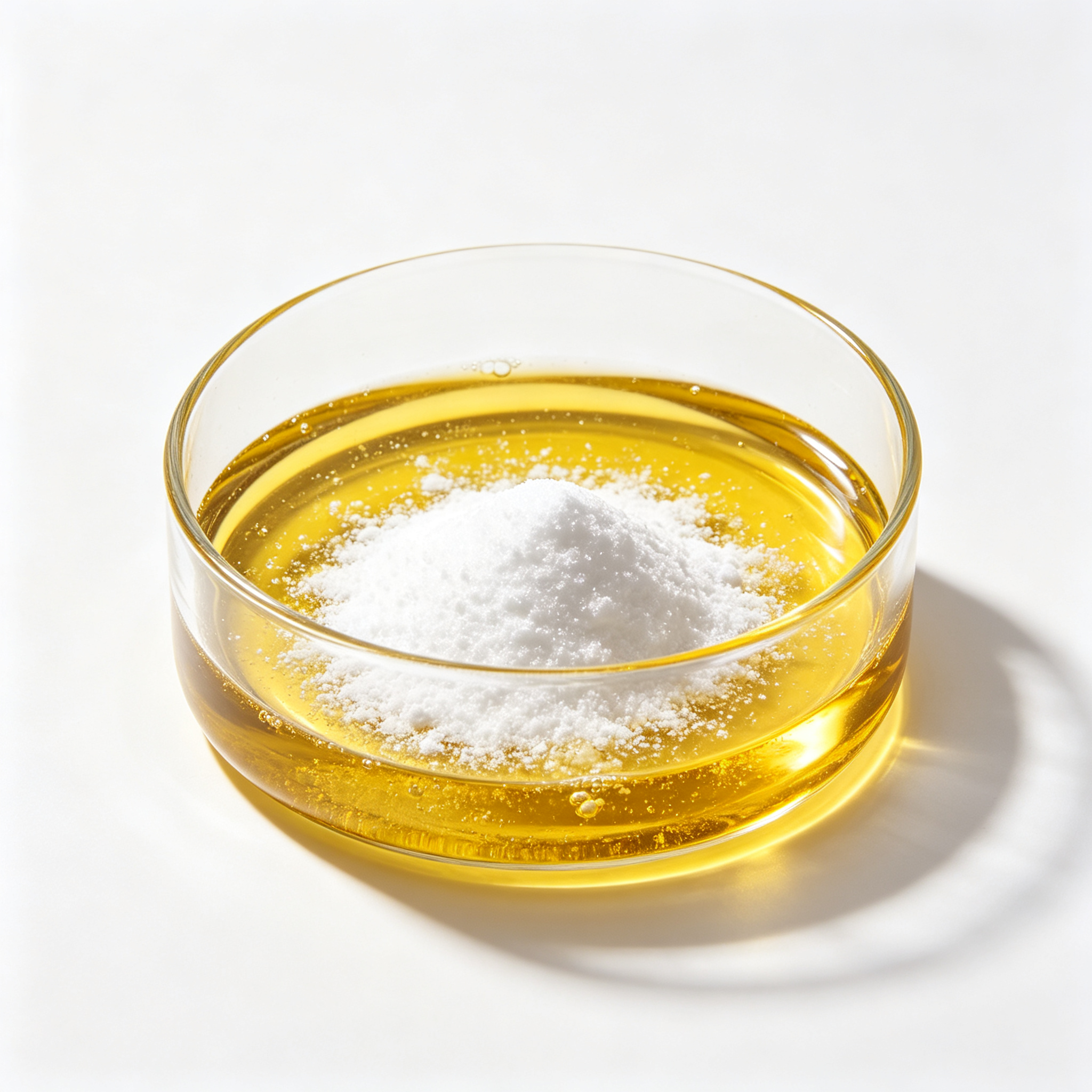
Silica for Edible Oil
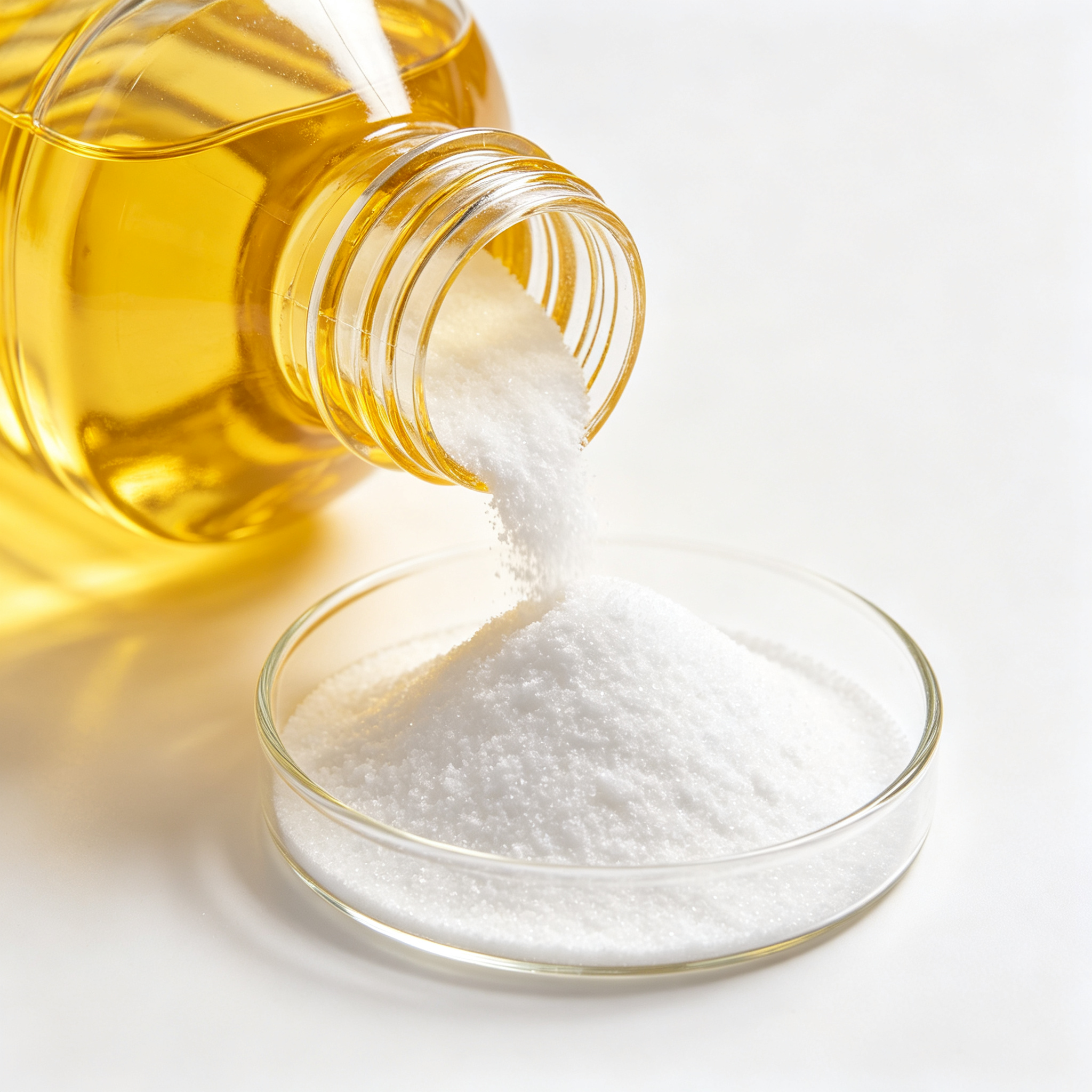
Silica for Edible Oil---
**Silica for Edible Oil | Special Silica Adsorbent for Edible Oil Refining**
**1. Food-grade compliant, meeting global major market entry requirements**
White flowing powder, in line with GB 25576-2020, FDA, and EU food additive standards (INS E551), with high SiO₂ content and low residual heavy metals. It can be directly used in edible oil refining production lines such as soybean oil, rapeseed oil, sunflower seed oil, and peanut oil.
**2. Efficient adsorption of phospholipids, assisting in degumming**
Mesoporous structure specifically adsorbs phospholipids (hydrated/non-hydrated phospholipids) in raw oil, helping to reduce phosphorus content in the oil, reducing the load of subsequent white soil desaturation, and preventing finished oil from becoming turbid or precipitating.
**3. Directional adsorption of saponification products and free fatty acids**
Capturing residual saponites and free fatty acids during alkaline refining/physical refining processes, reducing the acid value of the finished oil, and alleviating the pressure on subsequent processes.
**4. Complexing trace metals, delaying oil oxidation**
Adsorbing iron, copper, and other oxidizing-promoting metal ions, helping to enhance the oxidation stability of the oil, extending the shelf life of the finished oil, and reducing the risk of recall.
**5. Reducing the amount of active white soil, lowering overall costs**
Used in combination with white soil, it can replace part of the white soil dosage. With a decrease in white soil dosage, the oil content and waste soil disposal volume also decrease simultaneously, resulting in better overall operating costs.
**6. Non-oil absorption, low oil loss**
Strong selective adsorption, weakly adsorbing triglycerides (the main component of oil), low residual oil rate after filtration, reducing oil phase loss compared to traditional adsorption media.
**7. Good thermal stability, suitable for continuous refining processes**
Stable in temperature ranges of the decolorization tower and deodorization process, not releasing impurities, and not affecting the flavor of the oil. It can be directly put into continuous or intermittent refining lines.
**8. Wide range of application oil types**
Suitable for degumming, deacidification, and decolorization pre-treatment of various vegetable oils such as soybean oil, rapeseed (sunflower) oil, sunflower seed oil, corn oil, palm oil, and rice bran oil.
---
**Compliance Reminder for External Communication**:
- Use expressions like "adsorbs/helps reduce/assists with" instead of saying "removes harmful substances", "more healthy", "lowers cholesterol" etc., which are efficacy-oriented and health-related expressions;
- For specific data such as phosphorus content, acid value, and white soil substitution ratio, it is recommended to fill in the actual measured values based on the customer's oil type and process, rather than using fixed numbers;
- The export material safety data sheet (MSDS) and food grade compliance statement (CoA/CoO) are recommended to be provided along with the quotation, which will be more persuasive.
Silica for Edible Oil
Silica for Edible Oil
Silica for Edible Oil
Silica for Edible Oil
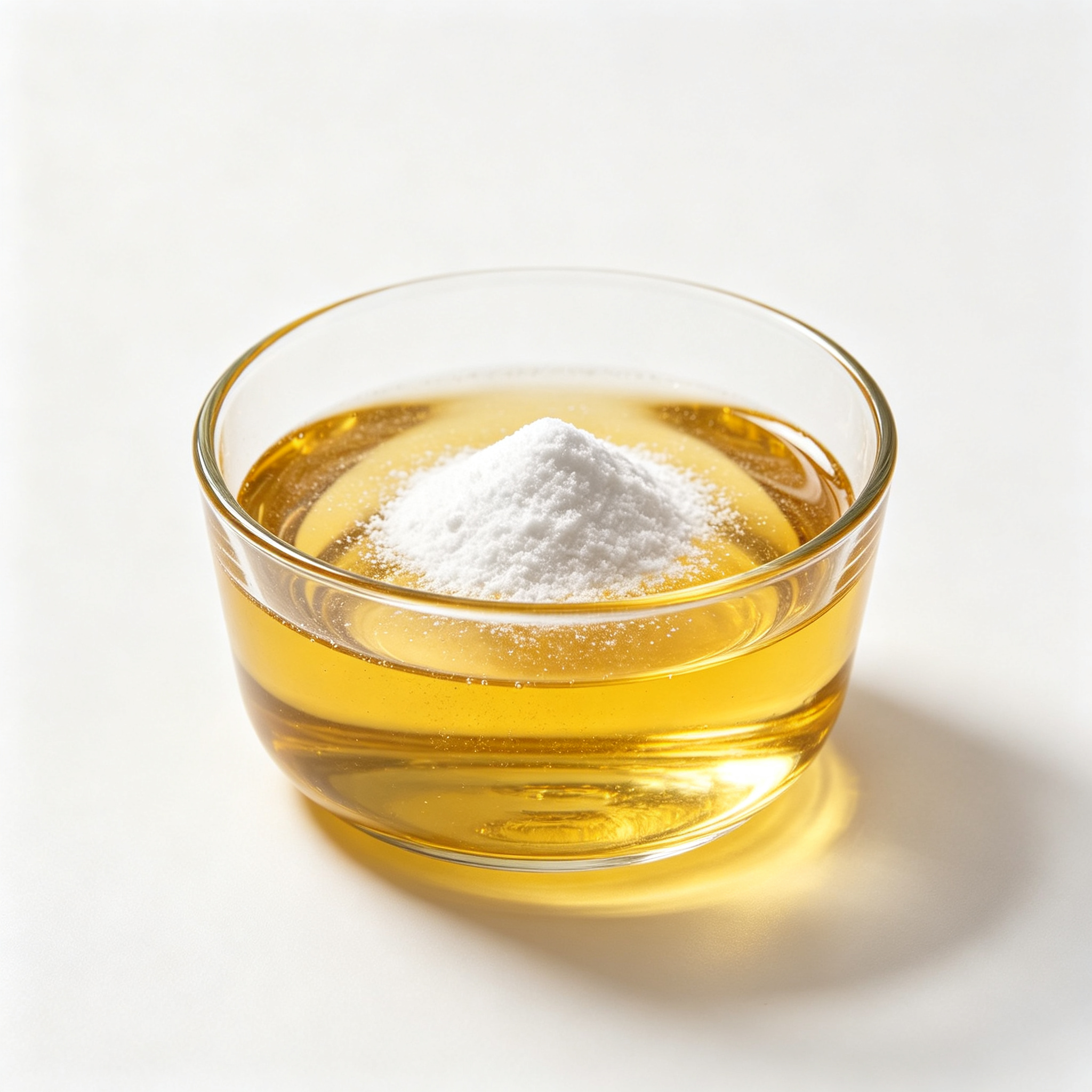
Silica for Edible Oil
Silica for Edible Oil
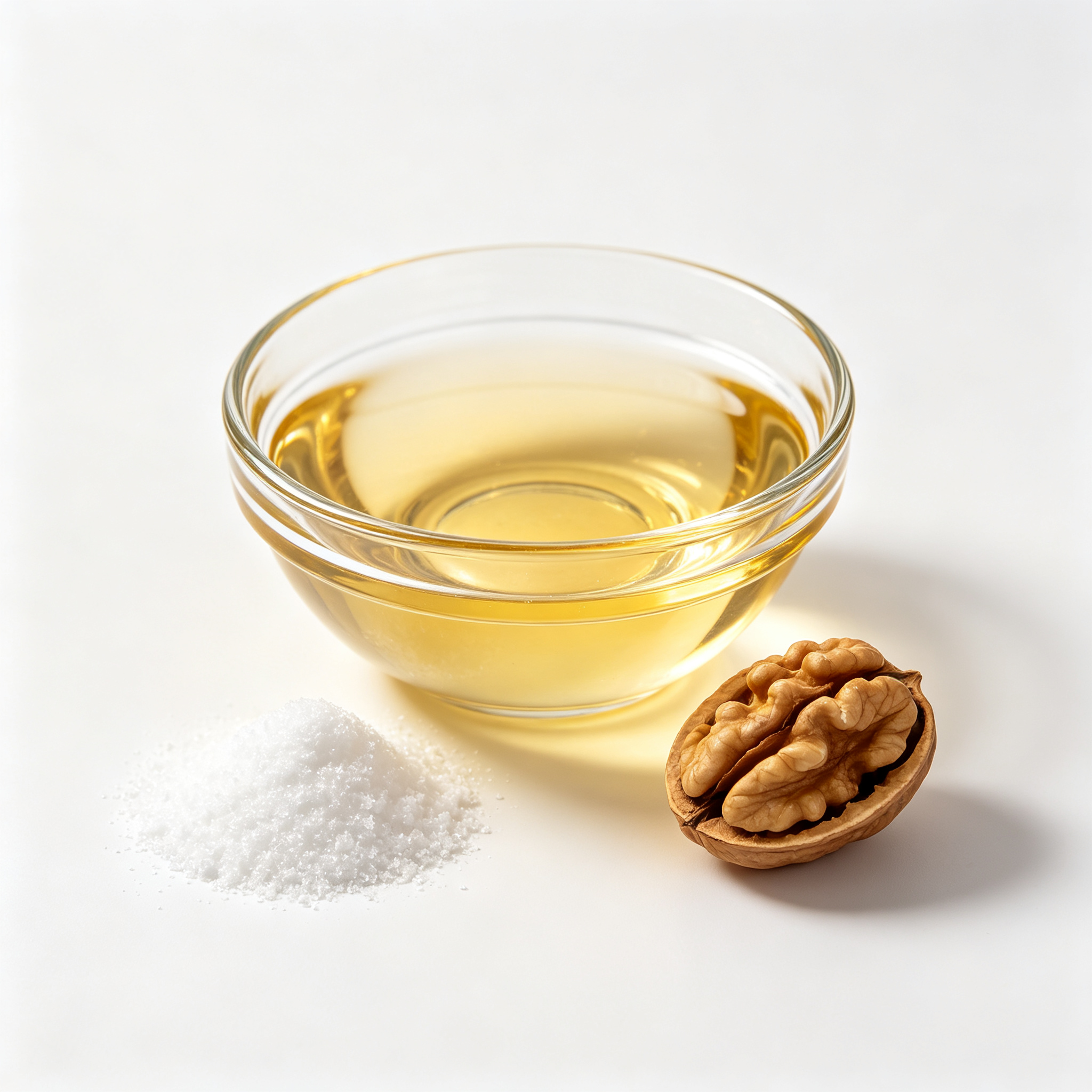
Silica for Edible ---
**Silica for Edible Oil | Special Silica Adsorbent for Edible Oil Refining**
**1. Food-grade compliant, meeting global major market entry requirements**
White flowing powder, in line with GB 25576-2020, FDA, and EU food additive standards (INS E551), with high SiO₂ content and low residual heavy metals. It can be directly used in edible oil refining production lines such as soybean oil, rapeseed oil, sunflower seed oil, and peanut oil.
**2. Efficient adsorption of phospholipids, assisting in degumming**
Mesoporous structure specifically adsorbs phospholipids (hydrated/non-hydrated phospholipids) in raw oil, helping to reduce phosphorus content in the oil, reducing the load of subsequent white soil desaturation, and preventing finished oil from becoming turbid or precipitating.
**3. Directional adsorption of saponification products and free fatty acids**
Capturing residual saponites and free fatty acids during alkaline refining/physical refining processes, reducing the acid value of the finished oil, and alleviating the pressure on subsequent processes.
**4. Complexing trace metals, delaying oil oxidation**
Adsorbing iron, copper, and other oxidizing-promoting metal ions, helping to enhance the oxidation stability of the oil, extending the shelf life of the finished oil, and reducing the risk of recall.
**5. Reducing the amount of active white soil, lowering overall costs**
Used in combination with white soil, it can replace part of the white soil dosage. With a decrease in white soil dosage, the oil content and waste soil disposal volume also decrease simultaneously, resulting in better overall operating costs.
**6. Non-oil absorption, low oil loss**
Strong selective adsorption, weakly adsorbing triglycerides (the main component of oil), low residual oil rate after filtration, reducing oil phase loss compared to traditional adsorption media.
**7. Good thermal stability, suitable for continuous refining processes**
Stable in temperature ranges of the decolorization tower and deodorization process, not releasing impurities, and not affecting the flavor of the oil. It can be directly put into continuous or intermittent refining lines.
**8. Wide range of application oil types**
Suitable for degumming, deacidification, and decolorization pre-treatment of various vegetable oils such as soybean oil, rapeseed (sunflower) oil, sunflower seed oil, corn oil, palm oil, and rice bran oil.
---
**Compliance Reminder for External Communication**:
- Use expressions like "adsorbs/helps reduce/assists with" instead of saying "removes harmful substances", "more healthy", "lowers cholesterol" etc., which are efficacy-oriented and health-related expressions;
- For specific data such as phosphorus content, acid value, and white soil substitution ratio, it is recommended to fill in the actual measured values based on the customer's oil type and process, rather than using fixed numbers;
- The export material safety data sheet (MSDS) and food grade compliance statement (CoA/CoO) are recommended to be provided along with the quotation, which will be more persuasive.
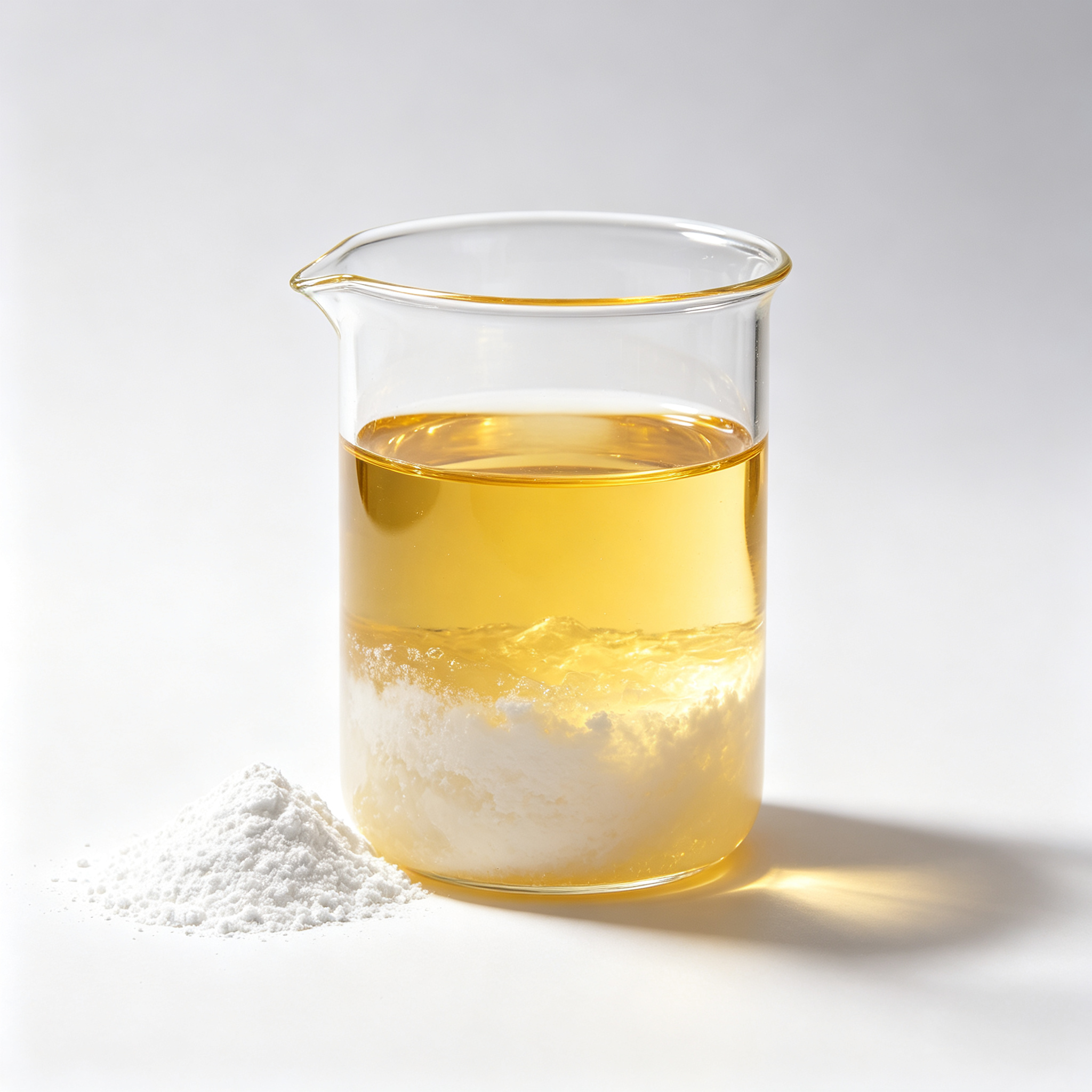
Silica for Edible Oil
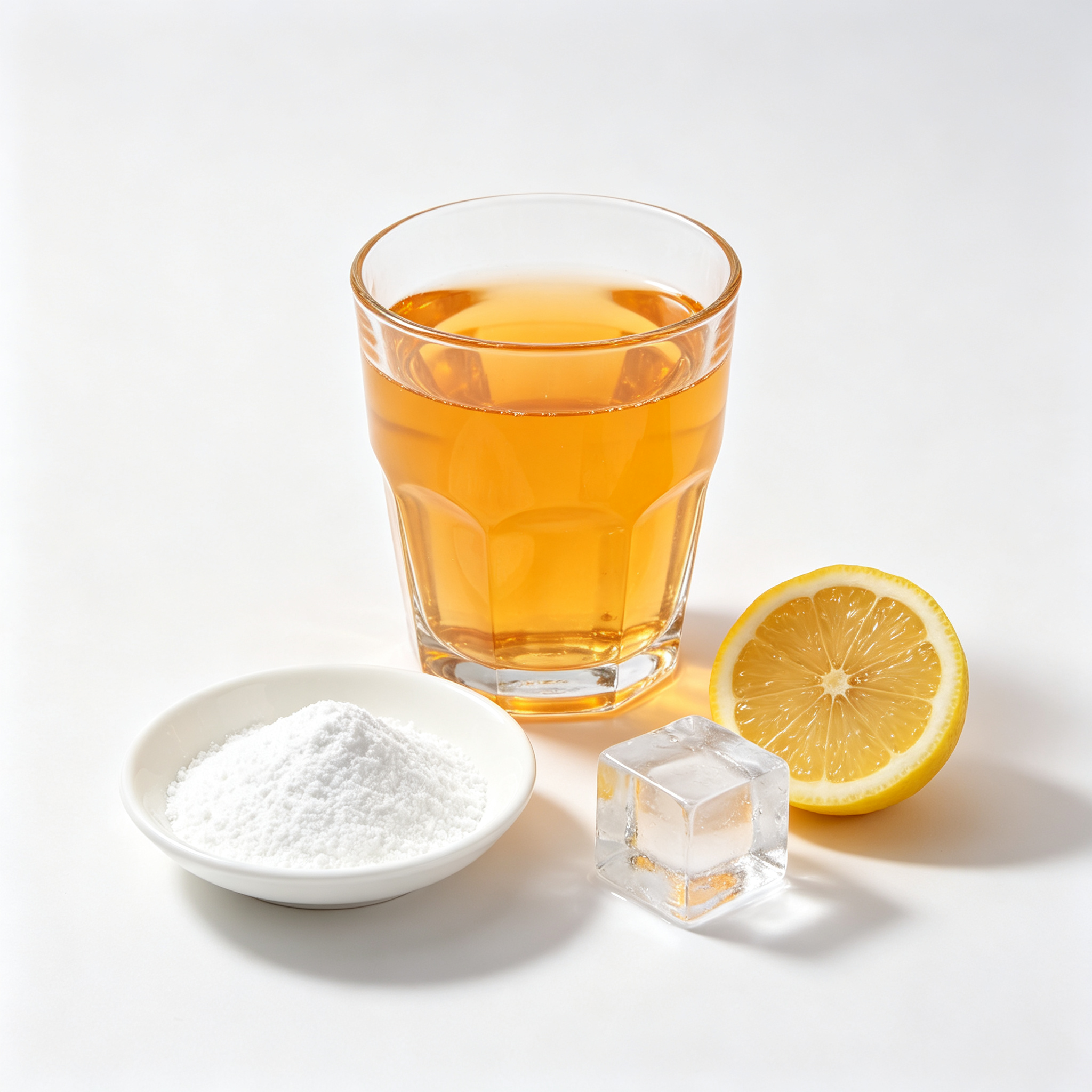
Silica for Edible Oil
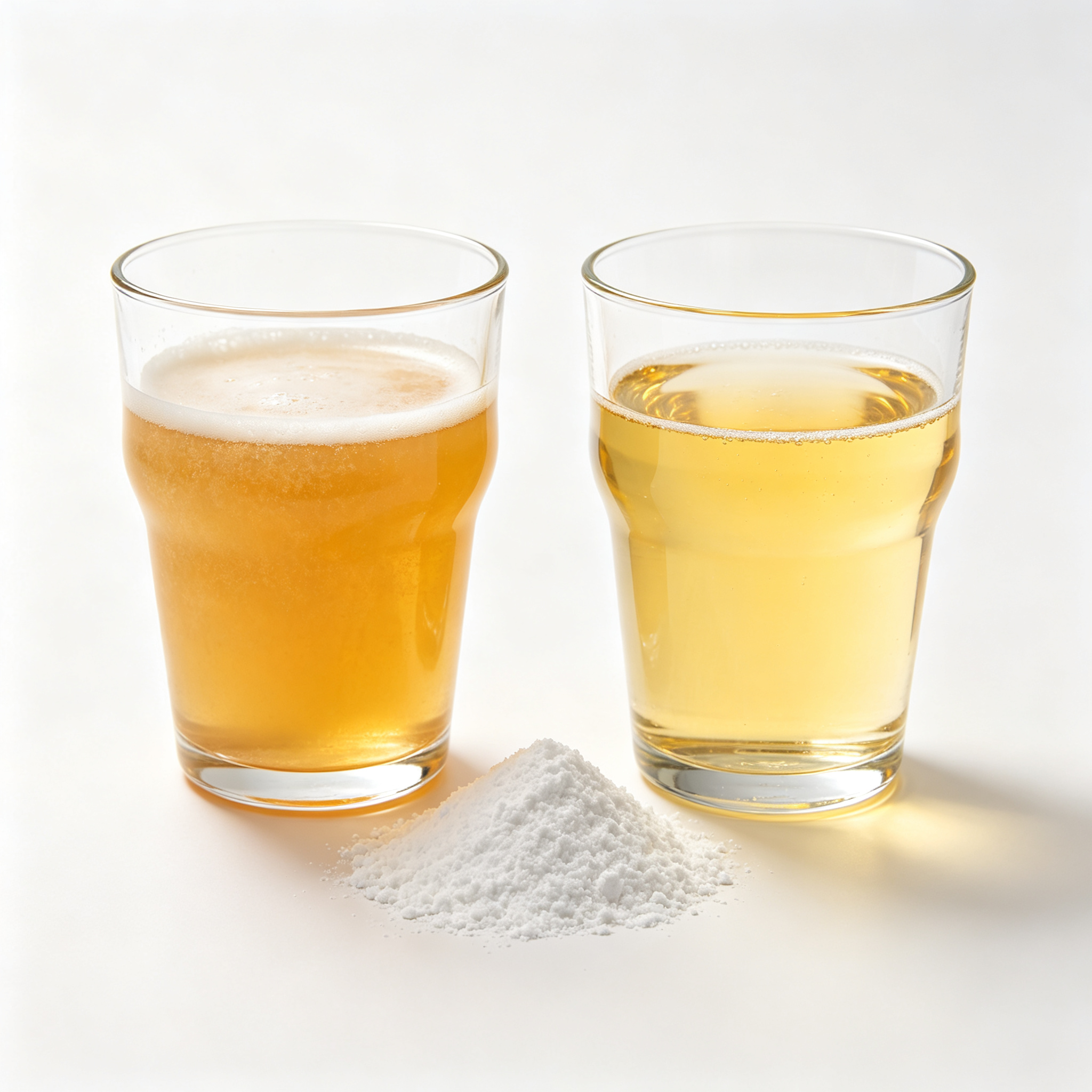
Silica for Edible Oil
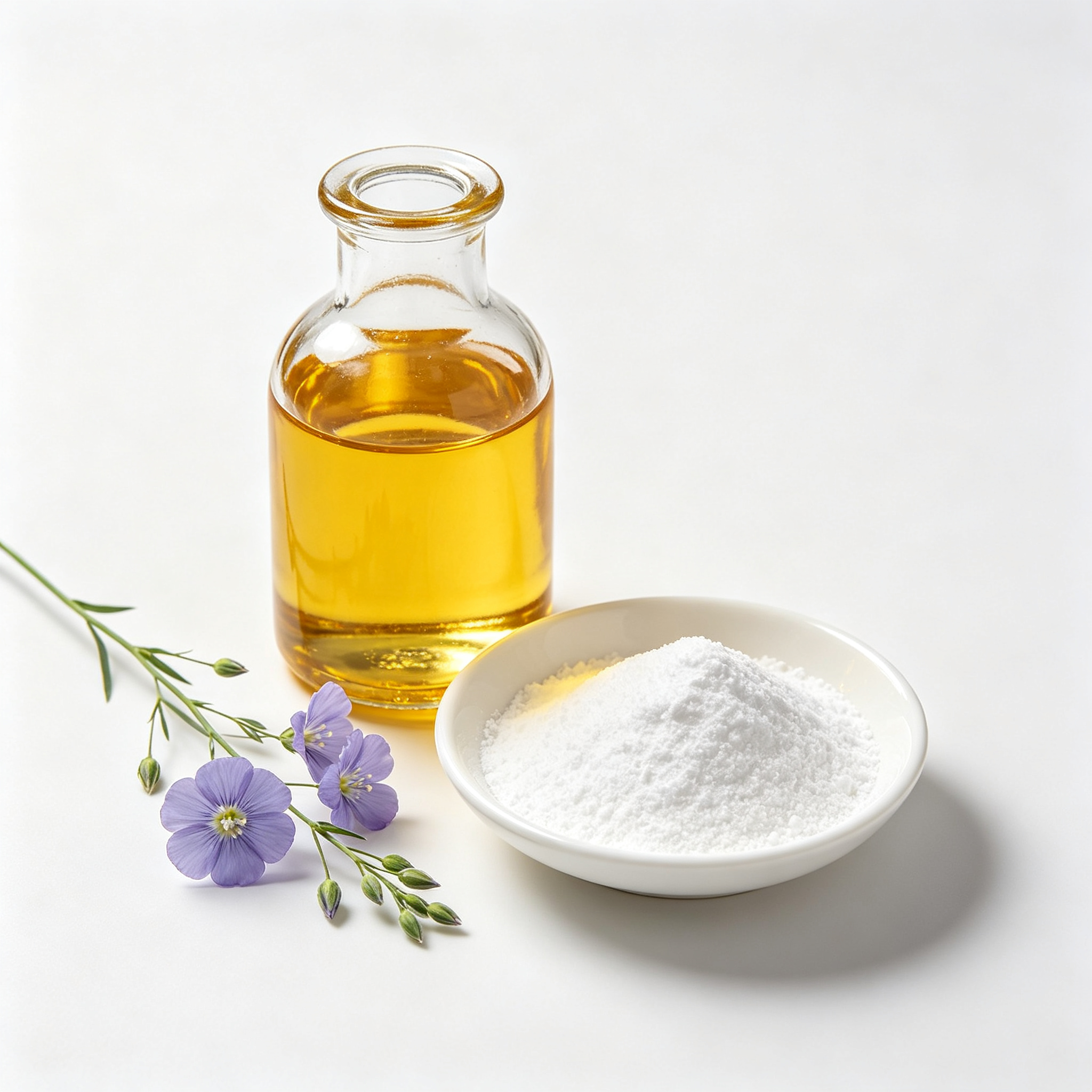
Silica for Edible Oil
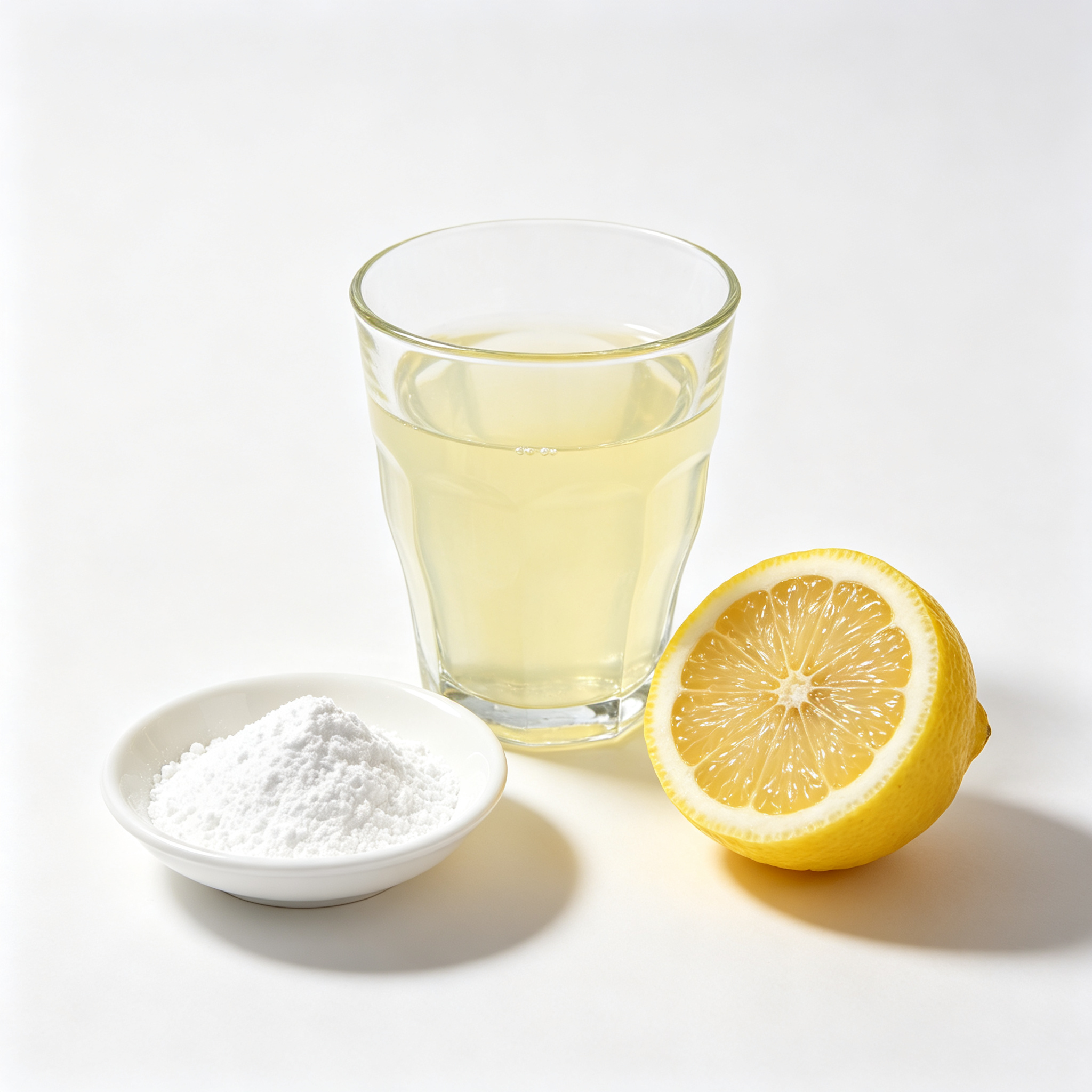
Silica for Edible Oil
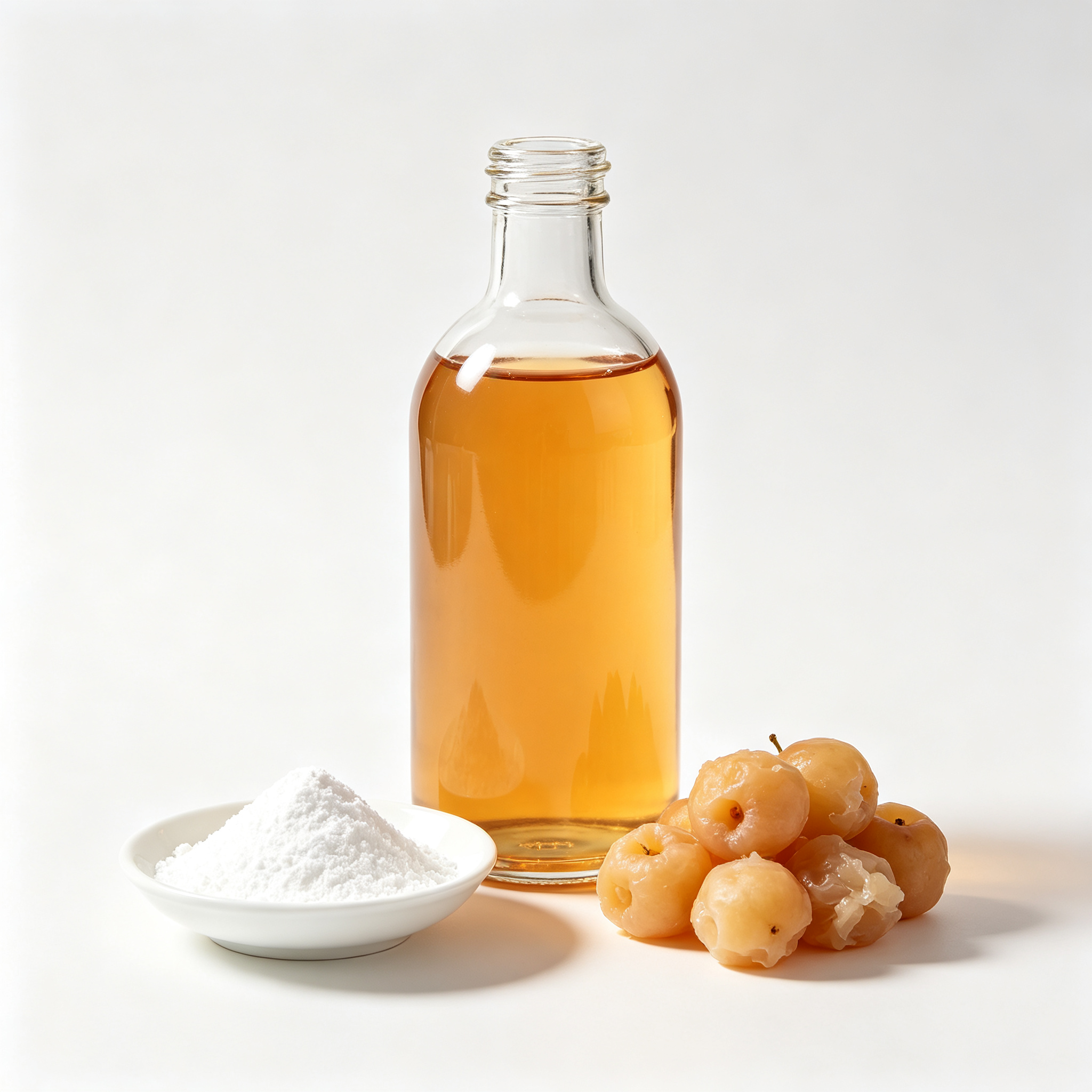
Silica for Edible Oil
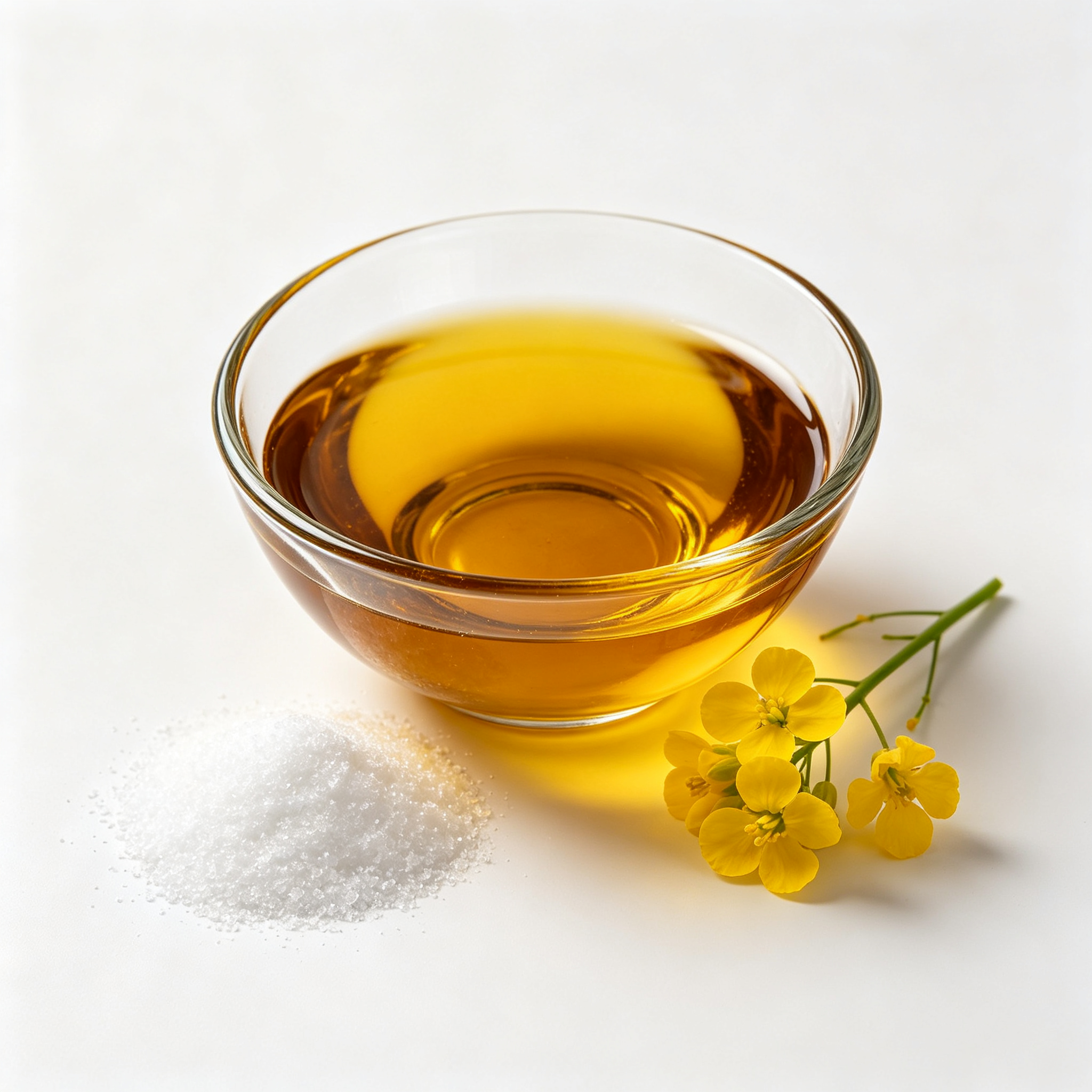
Silica for Edible Oil
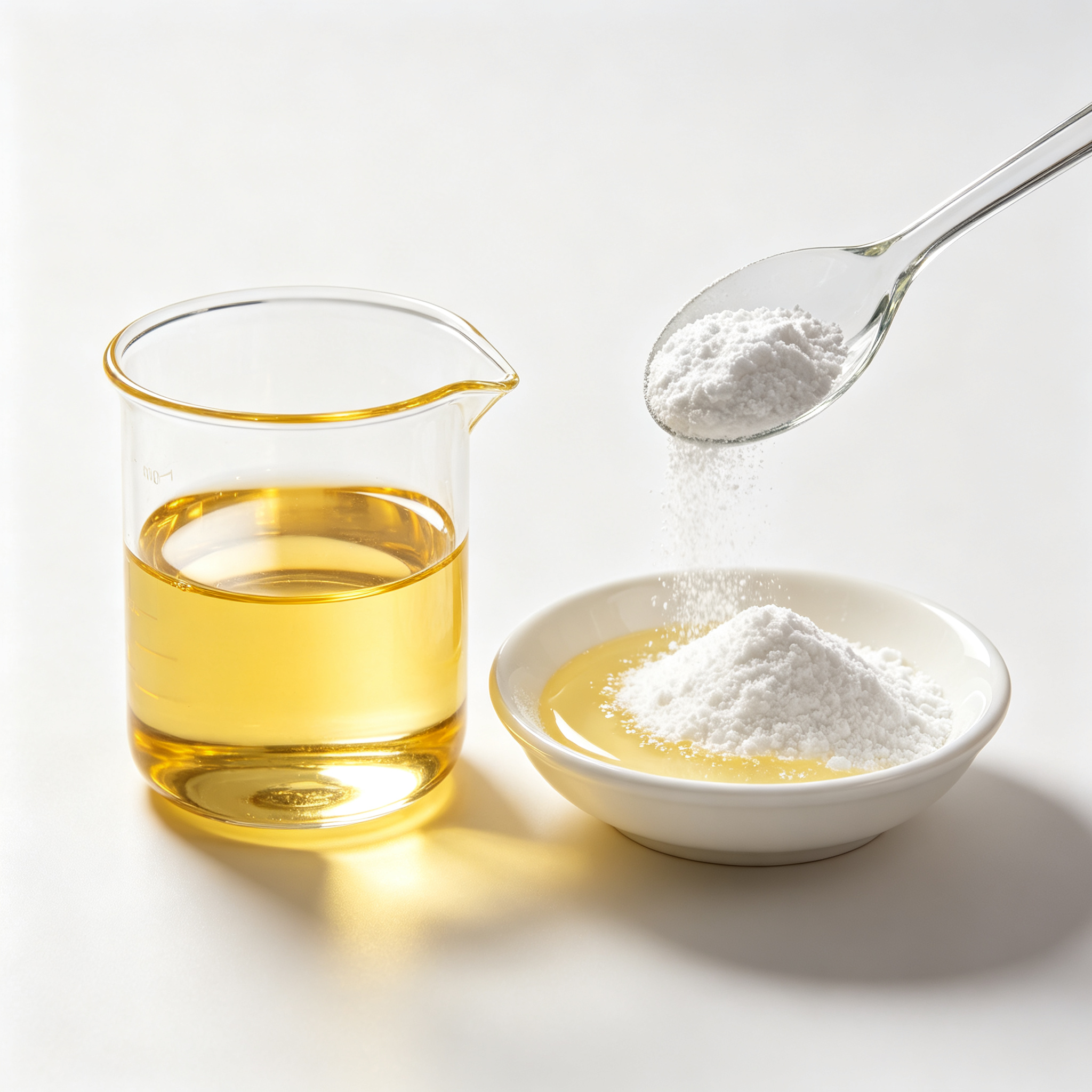
Silica for Edible Oil
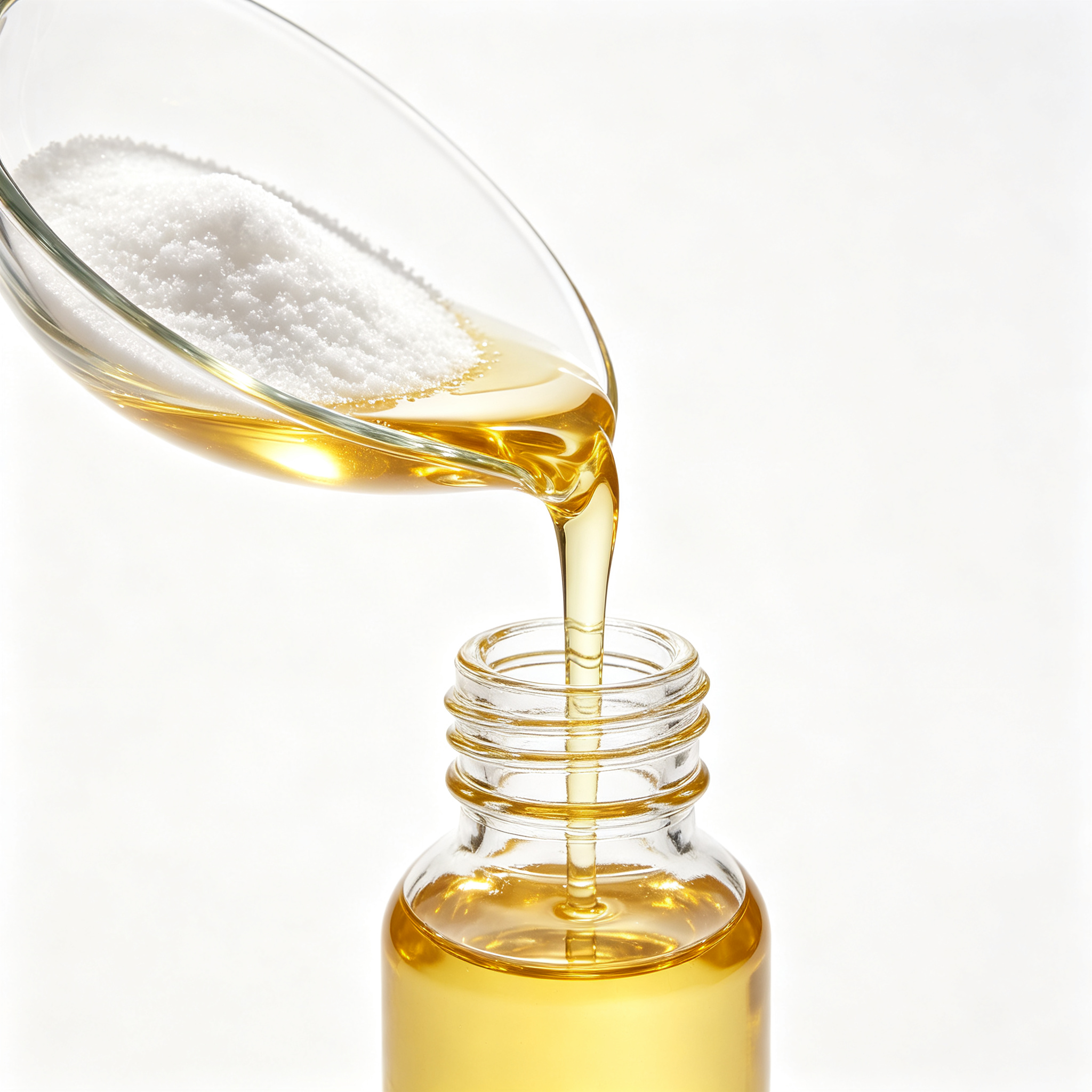
---
**Silica for Edible Oil | Special Silica Adsorbent for Edible Oil Refining**
**1. Food-grade compliant, meeting global major market entry requirements**
White flowing powder, in line with GB 25576-2020, FDA, and EU food additive standards (INS E551), with high SiO₂ content and low residual heavy metals. It can be directly used in edible oil refining production lines such as soybean oil, rapeseed oil, sunflower seed oil, and peanut oil.
**2. Efficient adsorption of phospholipids, assisting in degumming**
Mesoporous structure specifically adsorbs phospholipids (hydrated/non-hydrated phospholipids) in raw oil, helping to reduce phosphorus content in the oil, reducing the load of subsequent white soil desaturation, and preventing finished oil from becoming turbid or precipitating.
**3. Directional adsorption of saponification products and free fatty acids**
Capturing residual saponites and free fatty acids during alkaline refining/physical refining processes, reducing the acid value of the finished oil, and alleviating the pressure on subsequent processes.
**4. Complexing trace metals, delaying oil oxidation**
Adsorbing iron, copper, and other oxidizing-promoting metal ions, helping to enhance the oxidation stability of the oil, extending the shelf life of the finished oil, and reducing the risk of recall.
**5. Reducing the amount of active white soil, lowering overall costs**
Used in combination with white soil, it can replace part of the white soil dosage. With a decrease in white soil dosage, the oil content and waste soil disposal volume also decrease simultaneously, resulting in better overall operating costs.
**6. Non-oil absorption, low oil loss**
Strong selective adsorption, weakly adsorbing triglycerides (the main component of oil), low residual oil rate after filtration, reducing oil phase loss compared to traditional adsorption media.
**7. Good thermal stability, suitable for continuous refining processes**
Stable in temperature ranges of the decolorization tower and deodorization process, not releasing impurities, and not affecting the flavor of the oil. It can be directly put into continuous or intermittent refining lines.
**8. Wide range of application oil types**
Suitable for degumming, deacidification, and decolorization pre-treatment of various vegetable oils such as soybean oil, rapeseed (sunflower) oil, sunflower seed oil, corn oil, palm oil, and rice bran oil.
---
**Compliance Reminder for External Communication**:
- Use expressions like "adsorbs/helps reduce/assists with" instead of saying "removes harmful substances", "more healthy", "lowers cholesterol" etc., which are efficacy-oriented and health-related expressions;
- For specific data such as phosphorus content, acid value, and white soil substitution ratio, it is recommended to fill in the actual measured values based on the customer's oil type and process, rather than using fixed numbers;
- The export material safety data sheet (MSDS) and food grade compliance statement (CoA/CoO) are recommended to be provided along with the quotation, which will be more persuasive.
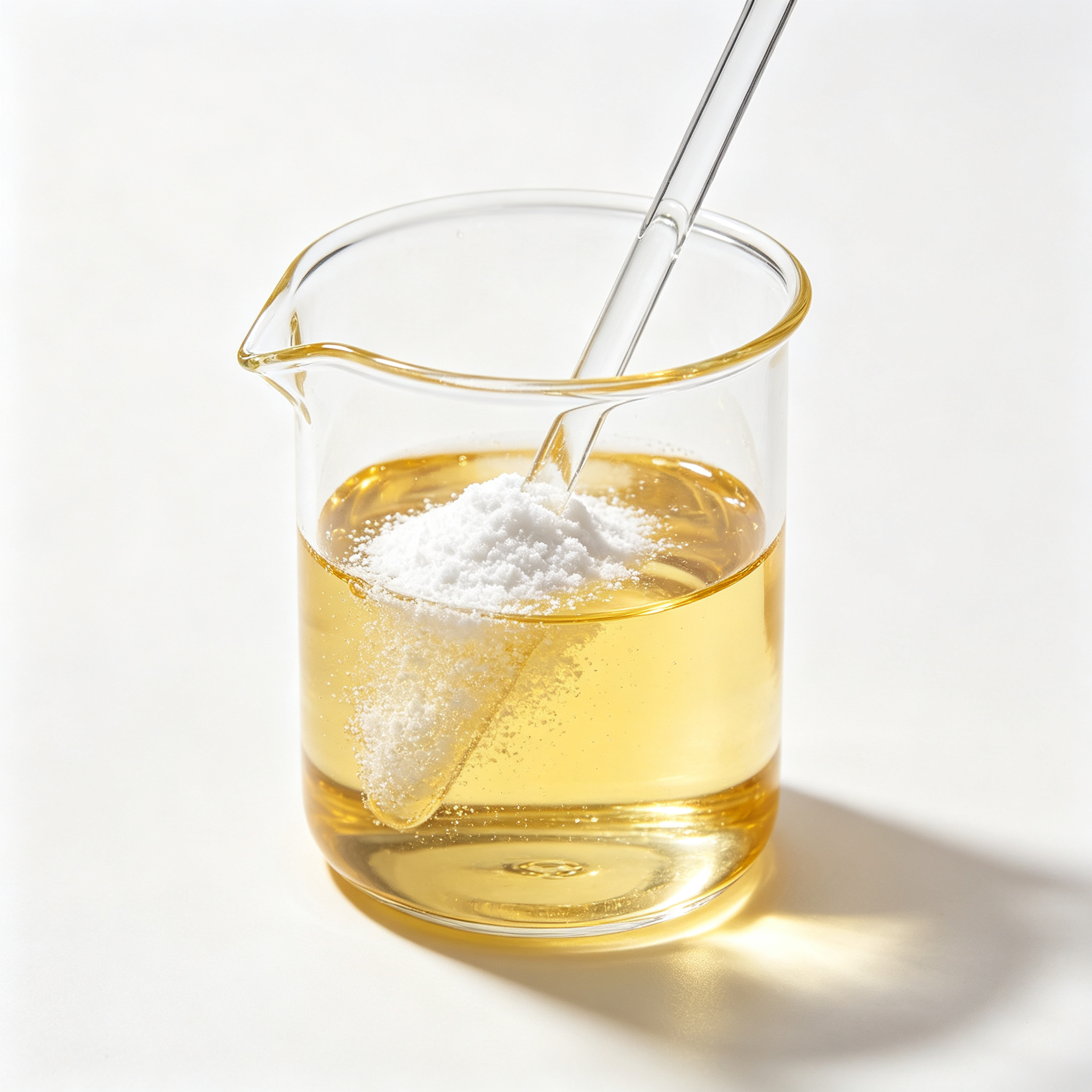
Silica for Edible Oil