{{ variable.name }}
| Type | Food Ingredients | Model | Yeast Protein |
| Params | Appearance: light cream to beige powder, depending on source and processing; Grade: food/nutrition grade subject to specification; Purity: product-specific, commonly controlled by protein assay; Molecular Formula: N/A as a mixture of proteins and other naturally occurring components; Main specification: protein content, moisture, ash, amino-acid profile, microbiological parameters and sensory properties; Packaging: 20/25 kg bag or customized; Storage: cool, dry, sealed. | Material | Yeast Protein |
| Applicable Industry | Protein foods, functional foods, nutritional beverages, powdered drinks, sports nutrition, meal replacement concepts, bakery, snacks, food fortification, plant-based food development, food manufacturing, nutrition brands, ingredient distribution, private-label nutrition products. | ||
Yeast Protein is a protein ingredient for manufacturers developing nutrition-focused foods and beverages and looking for alternative protein sources for product innovation. Its commercial value is not limited to one product category: depending on the specification and formulation, it can be considered for protein-enriched powders, functional foods, nutrition beverages, bakery concepts and other food applications. The powder format is convenient for blending with other dry ingredients and can support industrial batching and transportation. For B2B buyers, protein content, taste, solubility, moisture, microbiological quality and overall sensory performance are key factors when selecting a suitable grade. ZIO can discuss the intended product and target nutrition profile before recommending the relevant specification. This is particularly useful for brands developing customized products rather than simply purchasing a generic ingredient. OEM/ODM and private-label projects can combine yeast protein with sweeteners, flavors, vitamins, minerals or other functional ingredients to create a complete premix. Distributors can also position the ingredient across several nutrition and food-manufacturing segments. Because yeast-derived ingredients can differ substantially in composition and processing, there is no single universal CAS number or molecular formula that accurately describes every commercial yeast protein product. Buyers should therefore rely on the actual product specification and COA for protein assay, moisture, ash, microbiological limits, allergen information and other quality parameters. This product can be a useful option for manufacturers seeking flexible protein ingredients, but the final formulation should always be validated for taste, texture, processing and nutritional labeling requirements in the destination market.

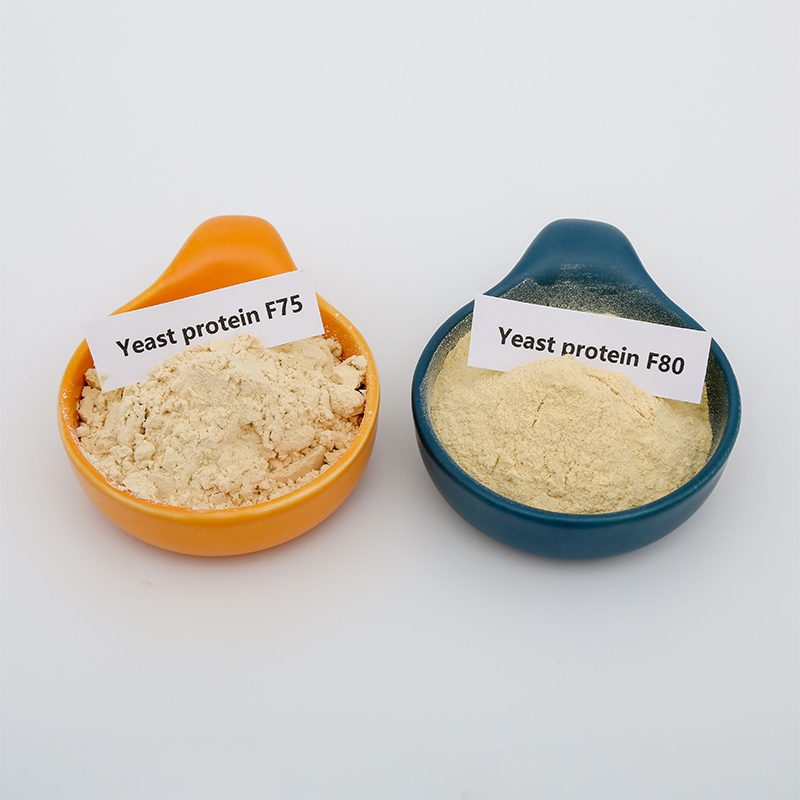
yeast-protein-powder-two-labeled-bowls-top-view

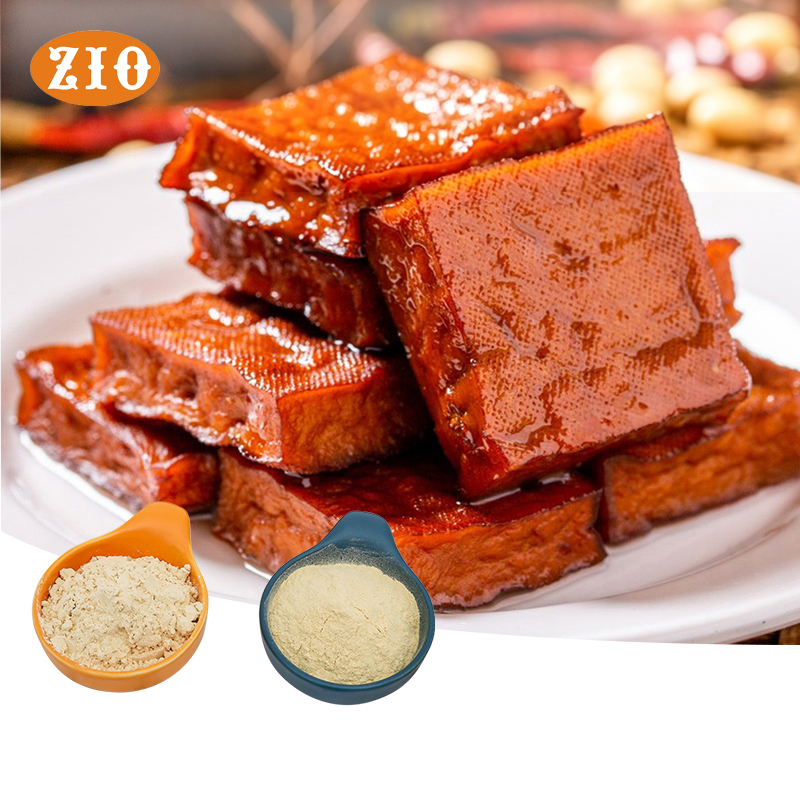
yeast-protein-powder-savory-snack-application

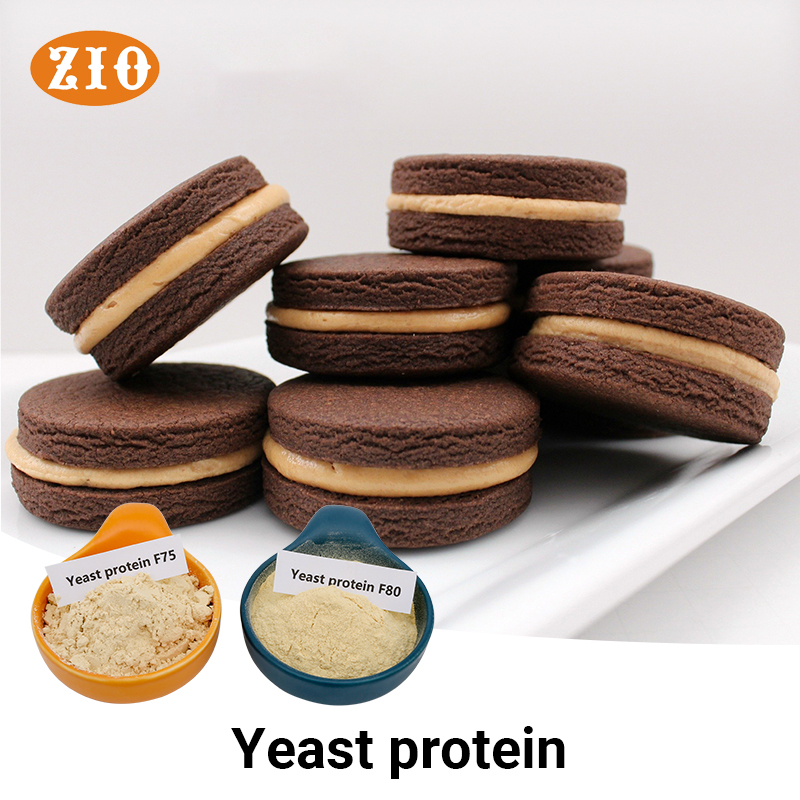
yeast-protein-powder-sandwich-cookie-application

yeast-protein-powder-candy-application

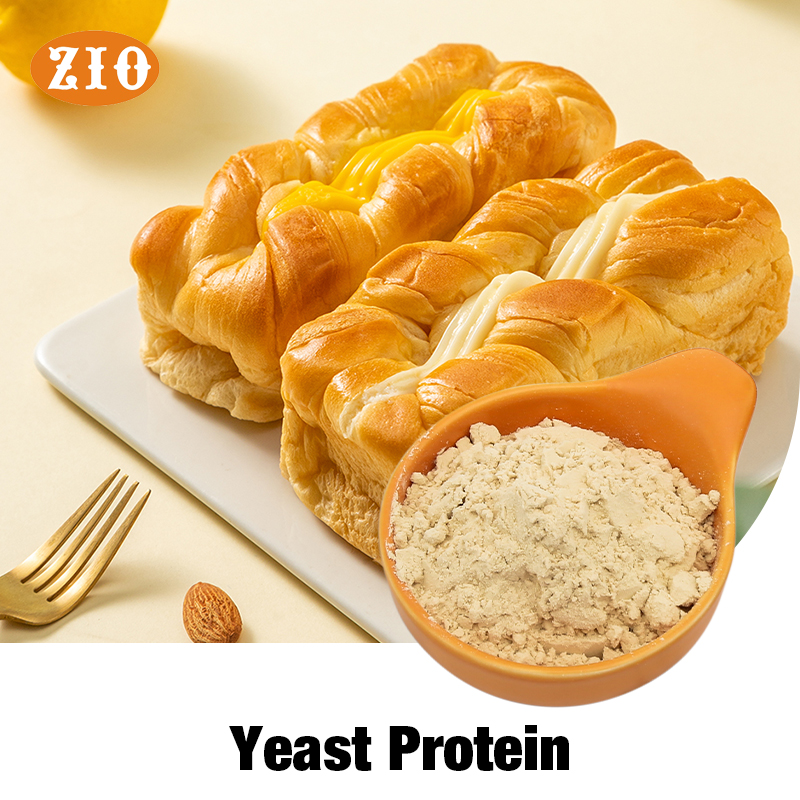
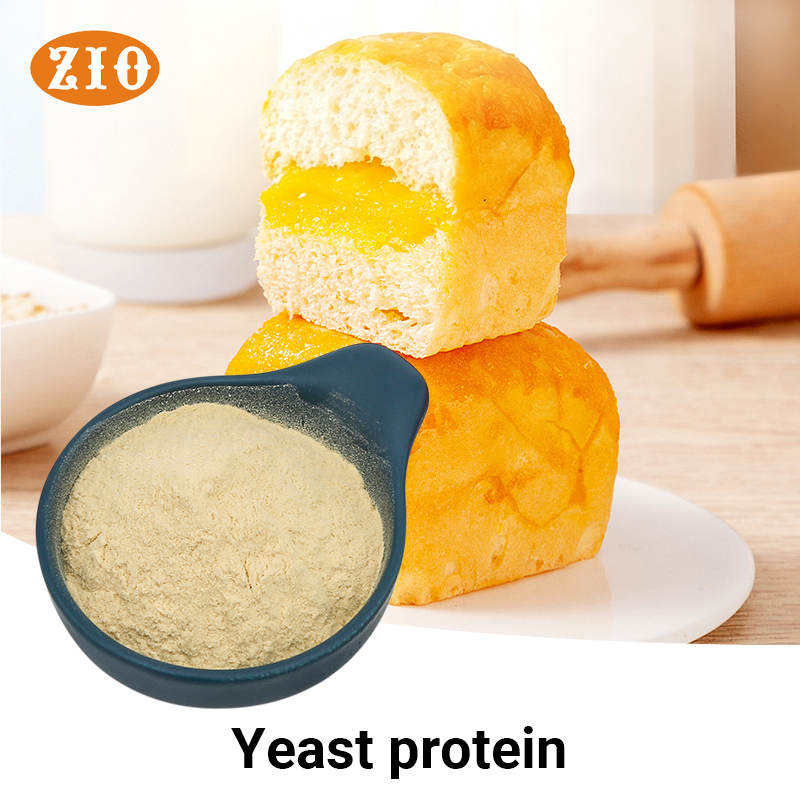
yeast-protein-powder-bread-application

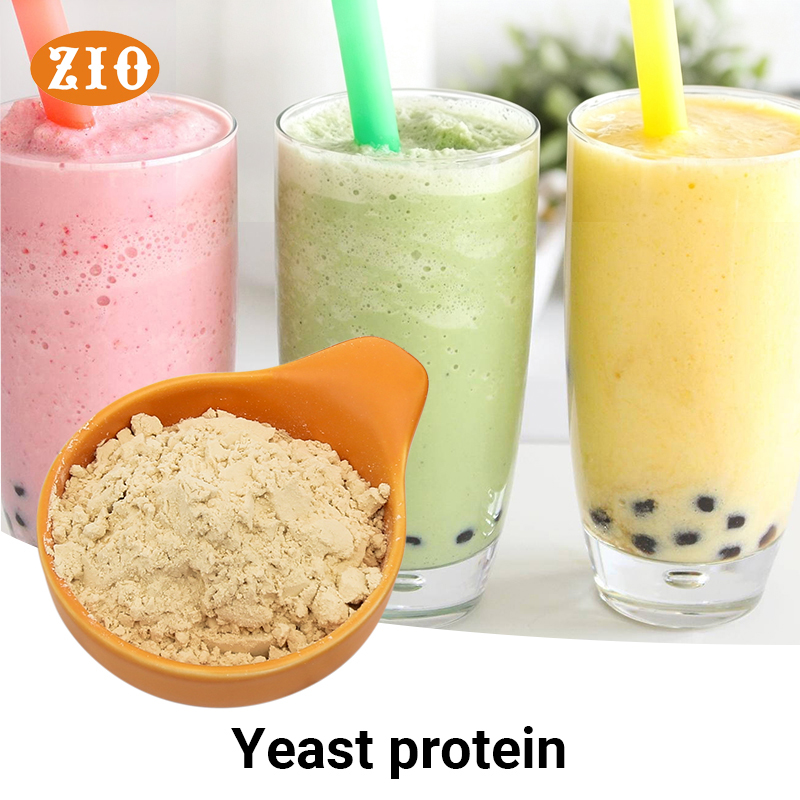
yeast-protein-powder-milk-tea-application

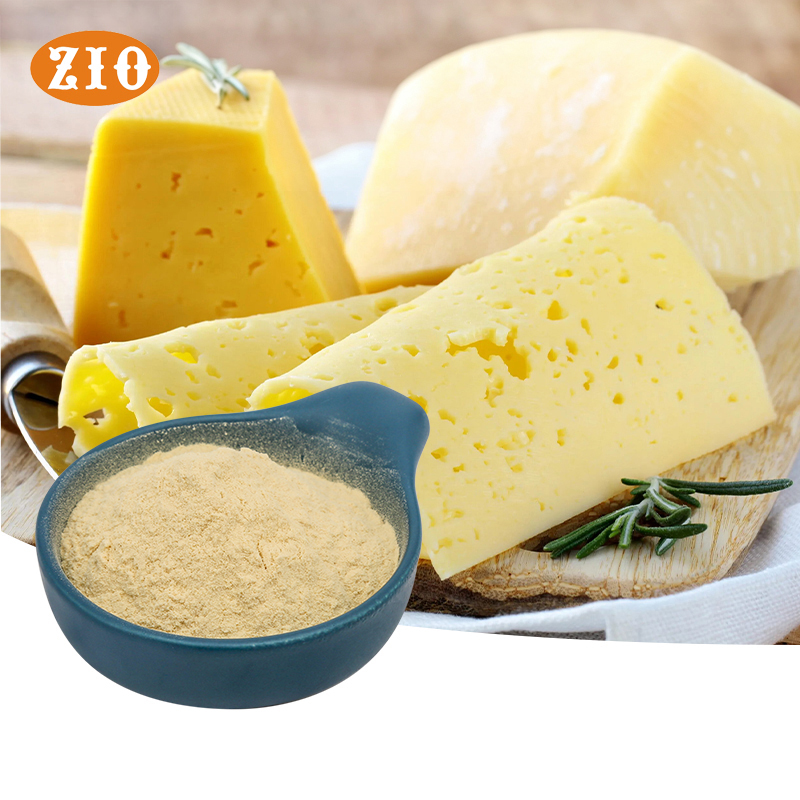
yeast-protein-powder-cheese-application

yeast-protein-powder-sponge-cake-application

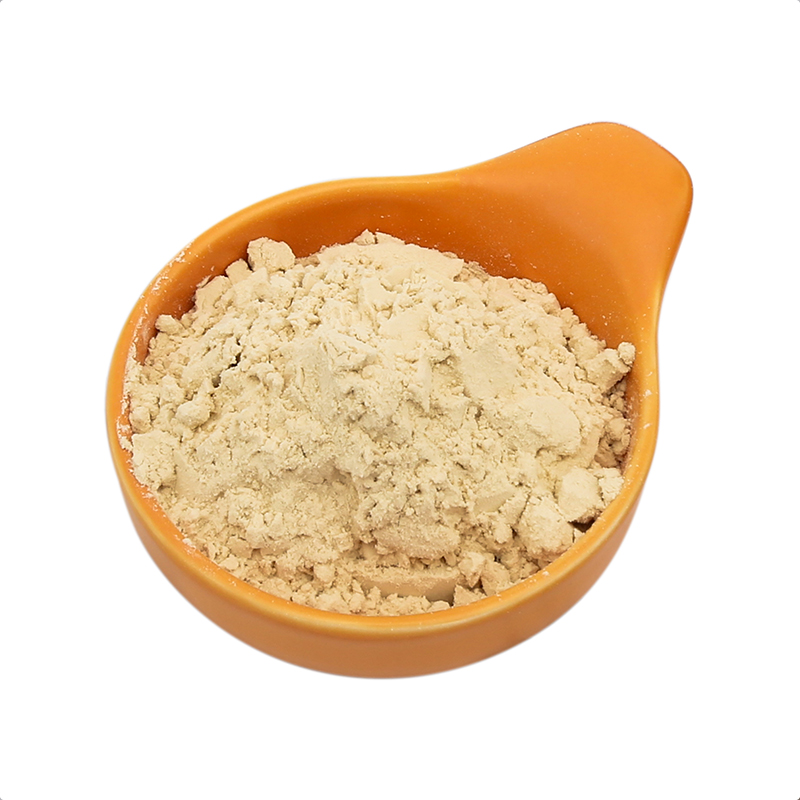
yeast-protein-powder-orange-bowl

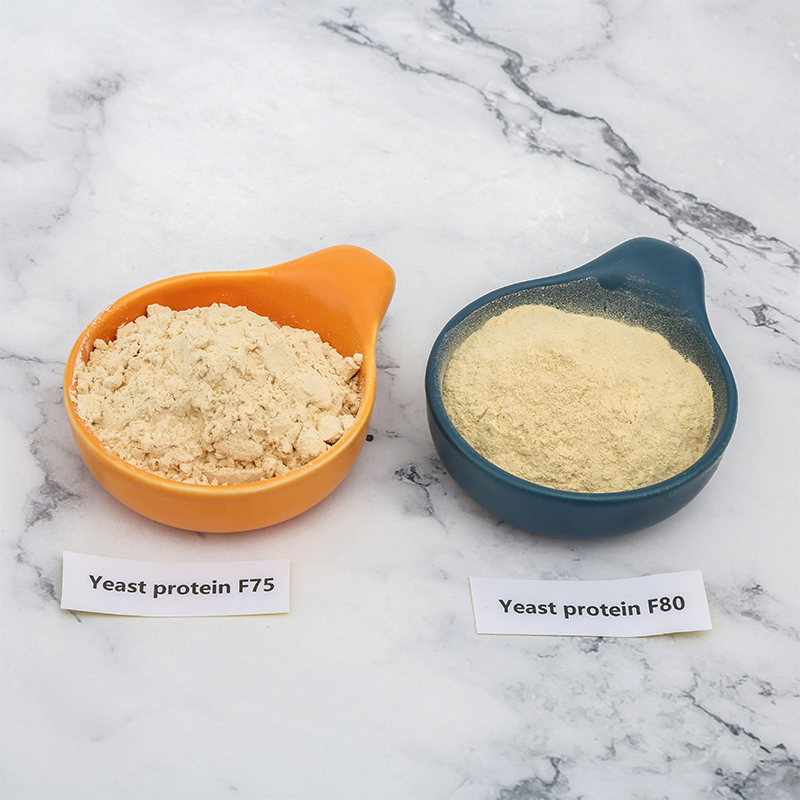
yeast-protein-powder-two-bowls-marble-background

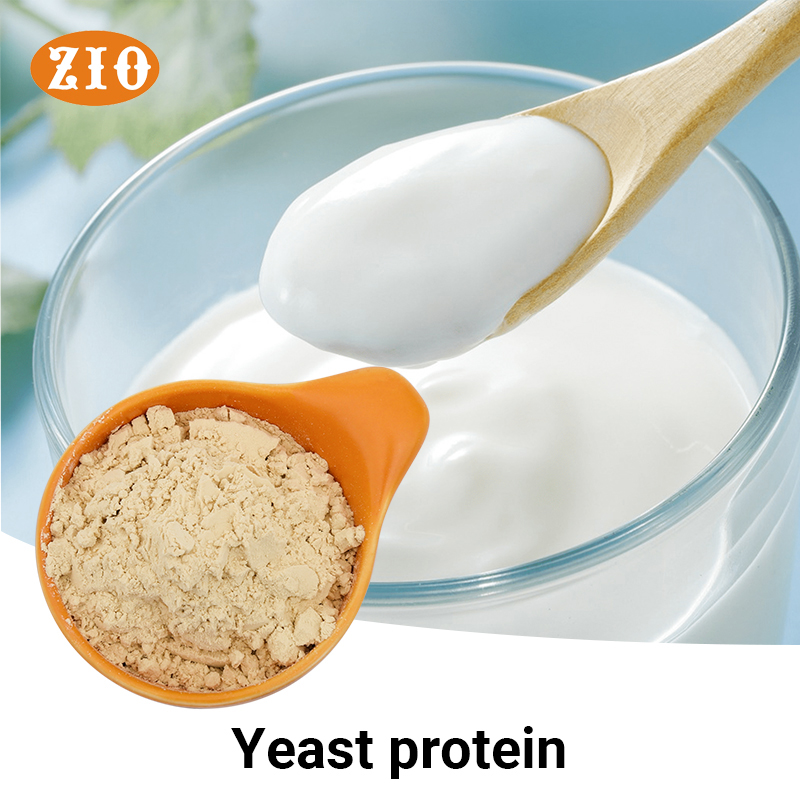
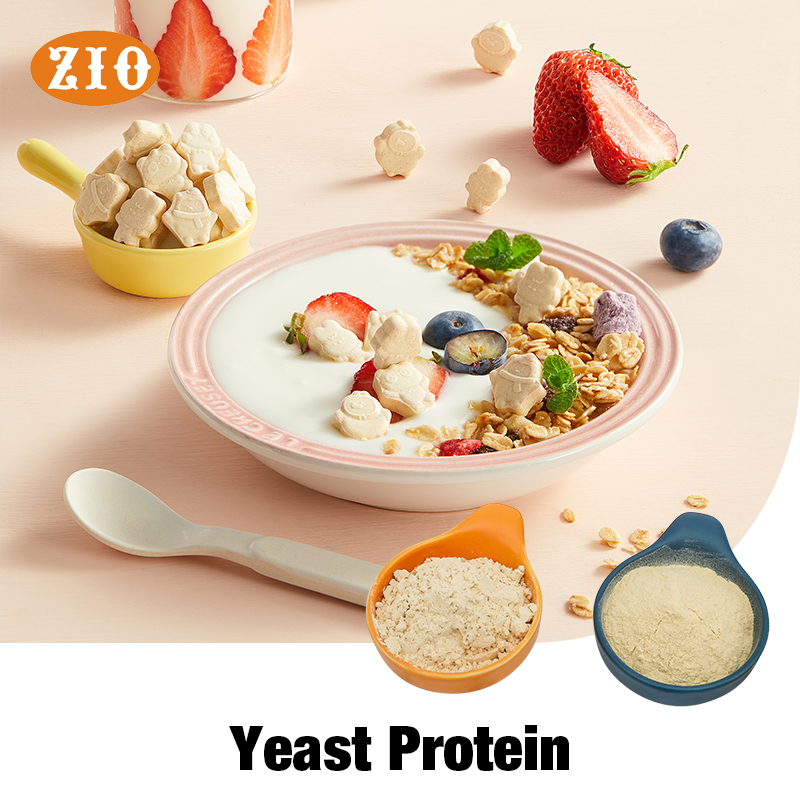
yeast-protein-powder-yogurt-application

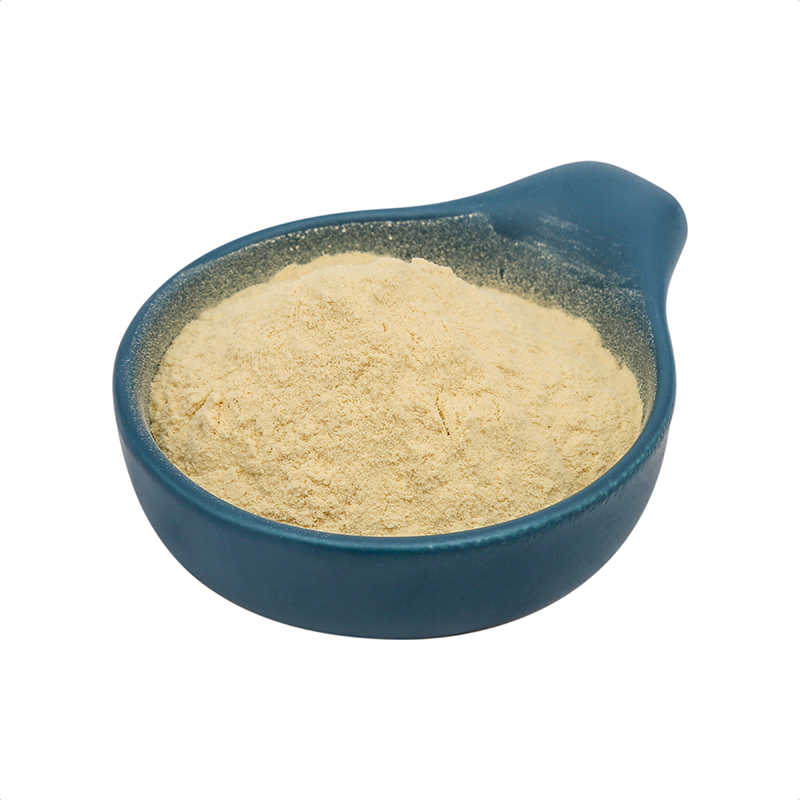
yeast-protein-powder-blue-bowl

yeast-protein-powder-breakfast-cereal-application

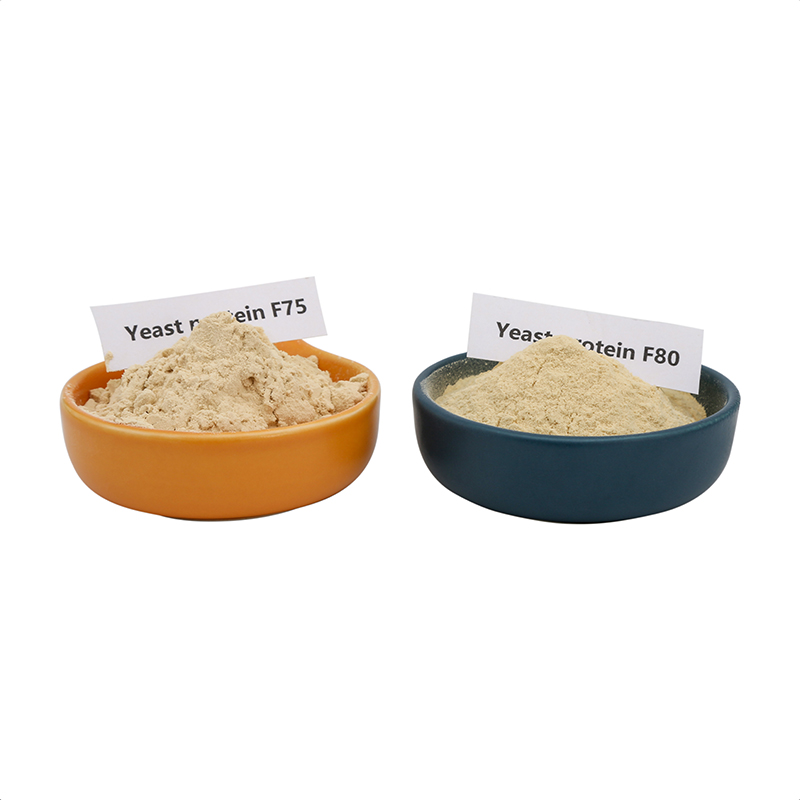
yeast-protein-powder-two-labeled-bowls-front-view

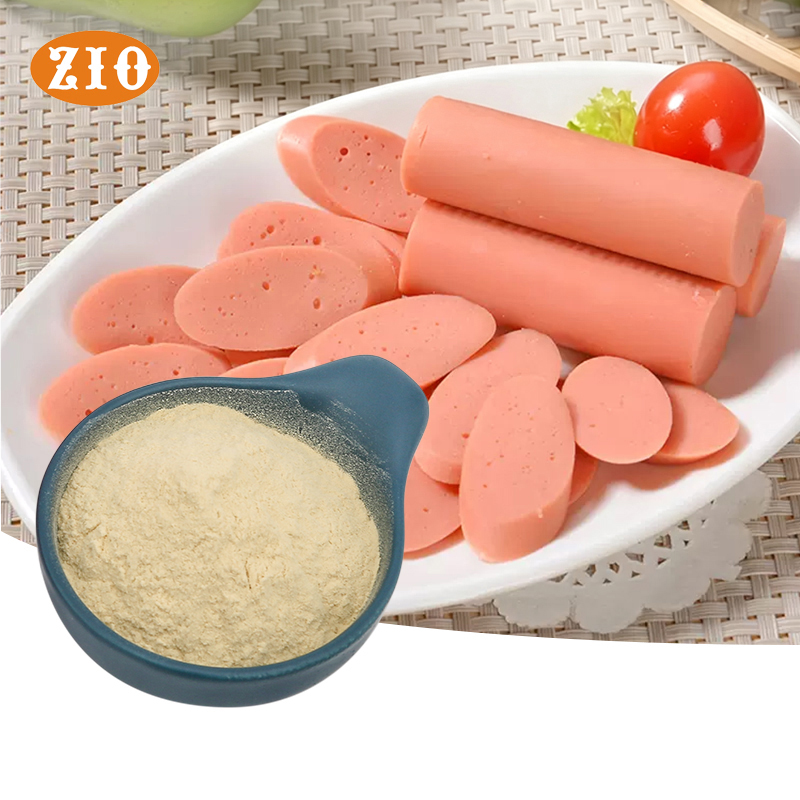
yeast-protein-powder-sausage-application