
Custom OEM Cooling Plates for EV & BESS: Scaling Thermal Performance
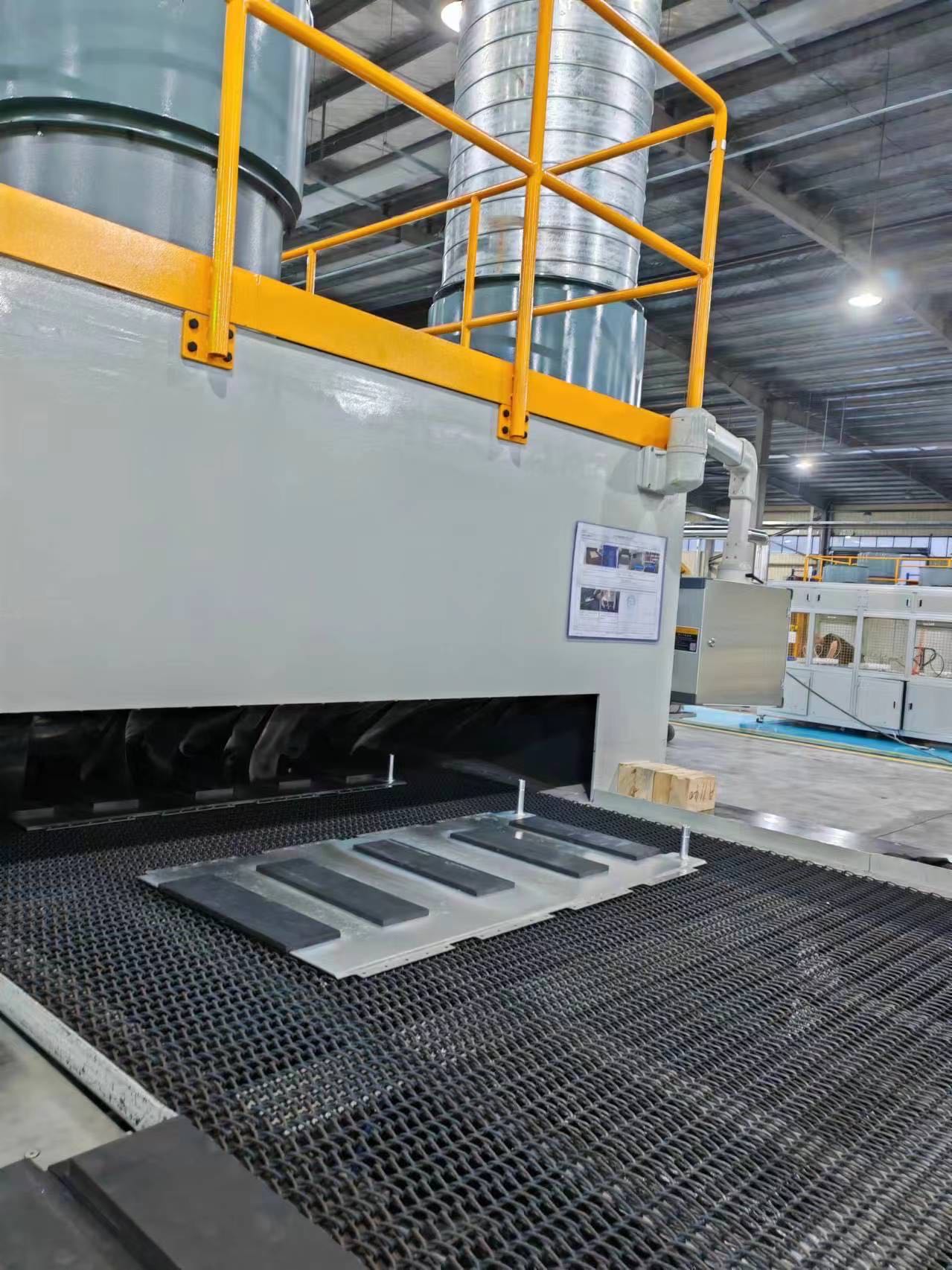
The shift toward liquid-cooled battery systems in electric vehicles (EVs) and battery energy storage systems (BESS) has made the cooling plate a critical component. But as thermal loads increase and integration complexity grows, off-the-shelf designs often fall short. Trumony Aluminum Limited, a Suzhou-based manufacturer founded in 2017, addresses this gap with a production model built around OEM capability and deep customization.
Problem / Opportunity: When One Size Does Not Fit All
Standard cooling plates can work for early-stage prototypes, but production-scale EV and BESS projects demand geometries that match specific battery module layouts, coolant flow paths, and assembly constraints. A plate that fits a prismatic cell module will not work for a blade battery pack or a cylindrical configuration. Procurement teams evaluating suppliers at the evaluation or execution stage need a partner that can not only manufacture but also engineer dimension, cooling efficiency, and logo customization into every unit.
The core opportunity lies in moving from a commodity purchase to a collaborative engineering engagement — where the supplier acts as an extension of the customer’s R&D and production team.
Brand Solution: OEM-First Approach with Full Customization
Trumony Aluminum Limited provides OEM production services and customization options such as dimensions, cooling efficiency, and logos. The company’s portfolio includes cooling plates, cold plates, cooling tubes, and related liquid cooling components engineered for EV, BESS, and high-heat-flux applications.
With a factory spanning 100,000 m² and a team of 220 employees (including 25 R&D engineers), Trumony operates with an annual output capacity of 600,000 units. The production lines support both stamping and brazing processes, allowing the manufacturer to match the thermal and structural requirements of different cell types.
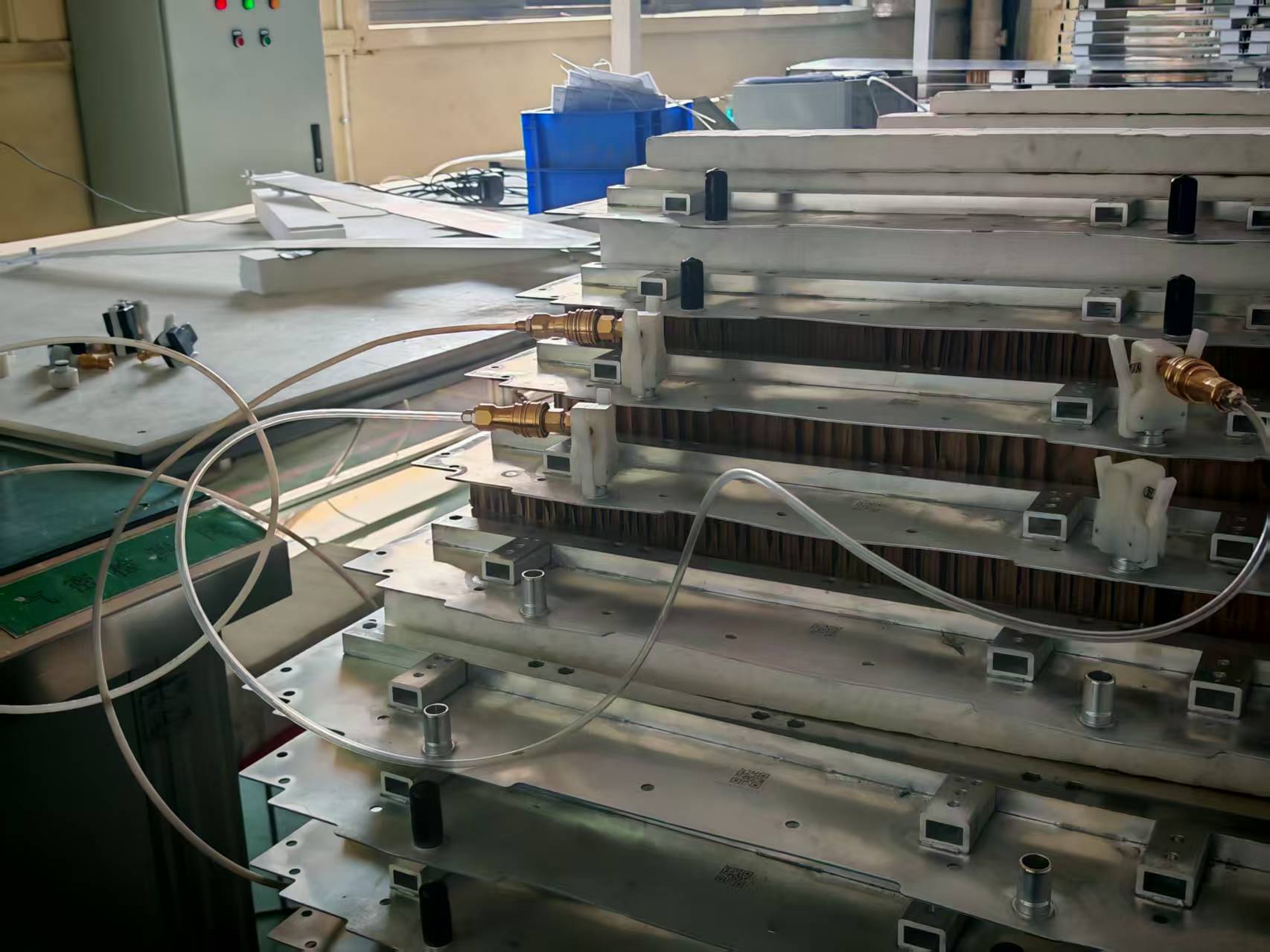
Technical Explanation: How OEM Capability Translates to Performance
The foundation of Trumony’s offering is its quality management systems — ISO 9001 (certificate number 132998, valid through 2026-09-21) and IATF 16949 (certificate number 0489498, valid through 2026-11-26). These certifications ensure that every cooling plate leaving the factory meets automotive-grade standards.
Customization services cover dimension, cooling efficiency, and logo. For dimension, changes in length, width, thickness, and channel layout can be adjusted to match battery module dimensions. For cooling efficiency, the manufacturer can modify the internal flow path design (stamped channels vs. serpentine tubes) to balance pressure drop and heat transfer. A typical lead time for customized orders is 30 days, with a minimum order quantity (MOQ) of 1 unit for testing or prototyping.
Application / Use-Case Scenarios
The following real-world cases illustrate how Trumony’s OEM capacity has been applied across different markets and thermal management challenges:
1. Automotive OEM in Germany — Paint Shop Cooling
An automotive OEM client in Germany installed 2,000 Trumony cooling plates for paint shop purposes. The project achieved 2 years of stable operation with low noise. This case confirms the product’s suitability for industrial thermal management beyond battery cooling.
2. Automotive OEM in Vietnam — Battery Pack Cooling
A Vietnamese automotive OEM deployed 60,000 units for battery pack cooling. The project, completed within a 20-year framework, delivered stable operation with highlights of low cost, high quality, and low noise. This scale demonstrates Trumony’s ability to support mass production for EV platforms.
3. ESS PACK OEM in China — ESS Container Cooling
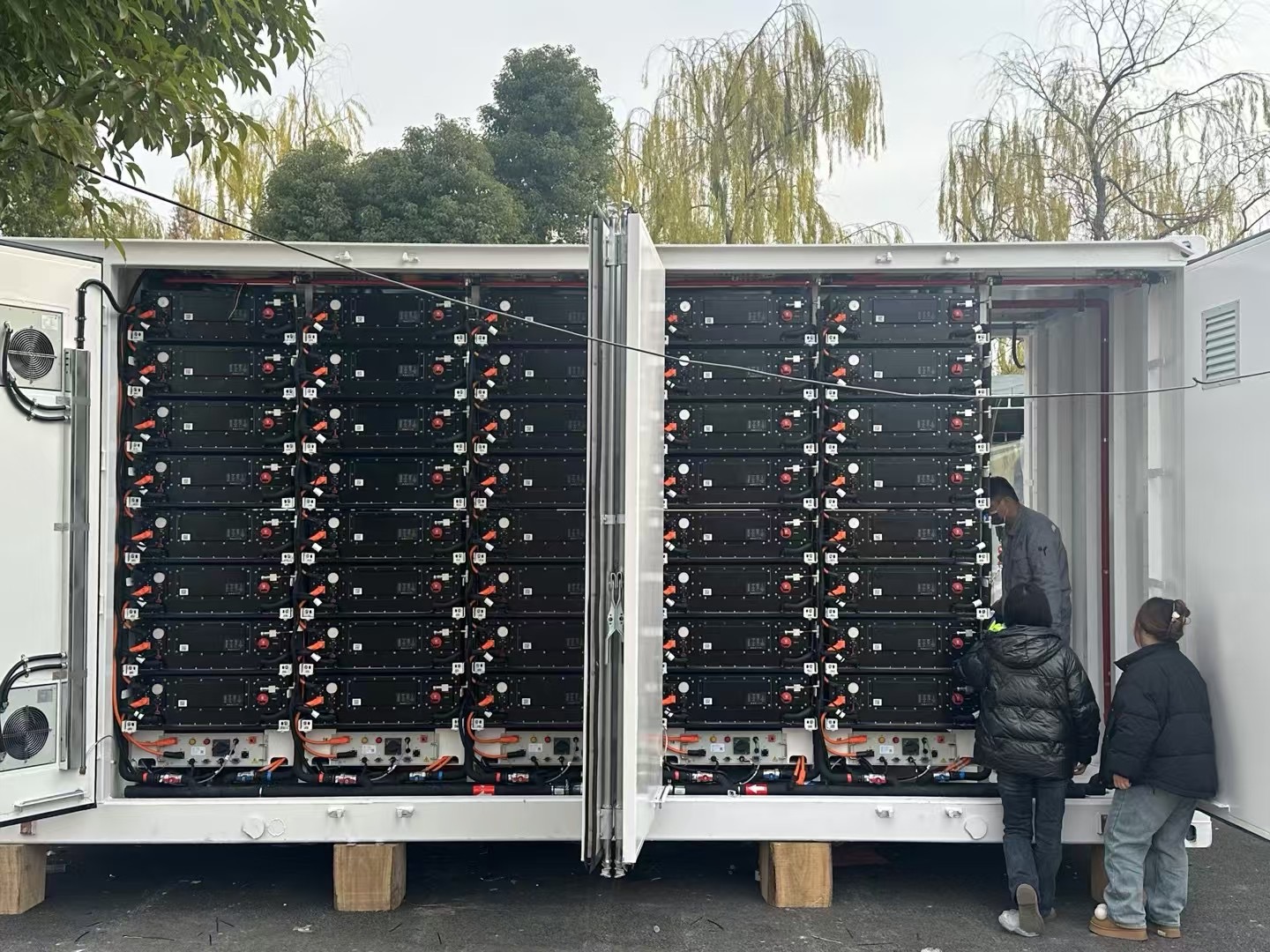
In China, an ESS PACK OEM used 3,000 Trumony cooling plates for ESS container applications. The result was stable operation, with key benefits including low noise, low cost, and fast lead time. This case validates the solution for stationary storage deployments where cost and delivery speed are critical.
Market Trend Analysis
Industry trends toward cell-to-pack (CTP) and cell-to-chassis (CTC) designs are driving demand for thinner, more integrated cooling plates. Simultaneously, the shift from water-glycol to dielectric coolants in some applications requires compatibility testing that only a manufacturing partner with in-house testing can provide. Trumony’s quality control includes 100% air leakage testing, dimension inspection, and optional helium tightness testing, voltage resistance testing, hydrostatic strength testing, burst testing, and high/low temperature resistance testing — capabilities that align with the evolving verification needs of tier-1 EV and ESS buyers.
Comparison with Traditional Solutions
Traditional unbranded cooling plates are typically produced as generic blanks that require significant rework by the integrator. Trumony’s OEM approach eliminates this gap by delivering ready-to-install plates customized to the customer’s exact specifications, reducing assembly time and supply chain risk. However, one honest limitation is that full OEM customization requires a longer initial engineering cycle (typically 30 days lead time) compared to ordering a standard off-the-shelf plate, which may be a consideration for urgent prototyping needs.
Future Outlook
As thermal management becomes a differentiator for battery safety and cycle life, the cooling plate will shift from a passive structural element to an active performance component. Suppliers like Trumony that already offer OEM services, have automotive-grade certifications, and demonstrate large-scale case histories (like the 60,000-unit project in Vietnam) are positioned to support the next generation of high-power EV and grid-scale BESS platforms. Procurement teams in the evaluation-to-execution phase should prioritize suppliers that can demonstrate not only production volume but also the engineering flexibility to customize every critical parameter.
FAQ
Q: What customization services does Trumony offer for cooling plates?
A: Customization services include dimension, cooling efficiency, and logo. The manufacturer also provides OEM production services. Typical lead time for customized orders is 30 days, with an MOQ of 1 unit.
Q: What quality certifications does Trumony hold?
A: Trumony operates under ISO 9001 (certificate number 132998, valid through 2026-09-21) and IATF 16949 (certificate number 0489498, valid through 2026-11-26) quality management systems.
Q: What quality control tests are performed on cooling plates?
A: Standard quality control includes 100% air leakage testing and dimension testing. Optional tests include helium tightness testing, voltage resistance testing, hydrostatic strength testing, burst testing, high temperature resistance testing, and low temperature resistance testing.
Q: Can Trumony support large-volume orders for OEM clients?
A: Yes. Trumony has an annual output capacity of 600,000 units. A case in Vietnam involved 60,000 units for battery pack cooling; a case in China involved 3,000 units for ESS container purposes.
Q: What are Trumony’s main export markets?
A: Trumony exports to 56 countries and regions, with a focus on EU, USA, India, Middle East, Southeast Asia, and Russia. The export ratio is approximately 40%.
تصدير هذا التقرير كمستند PDF للقراءة والمشاركة دون اتصال.