
From Concept to Production: OEM/ODM Functional Yarn Capabilities with MONALISHAMAGIC
Industry Context: The Shift Toward Custom Smart Textiles
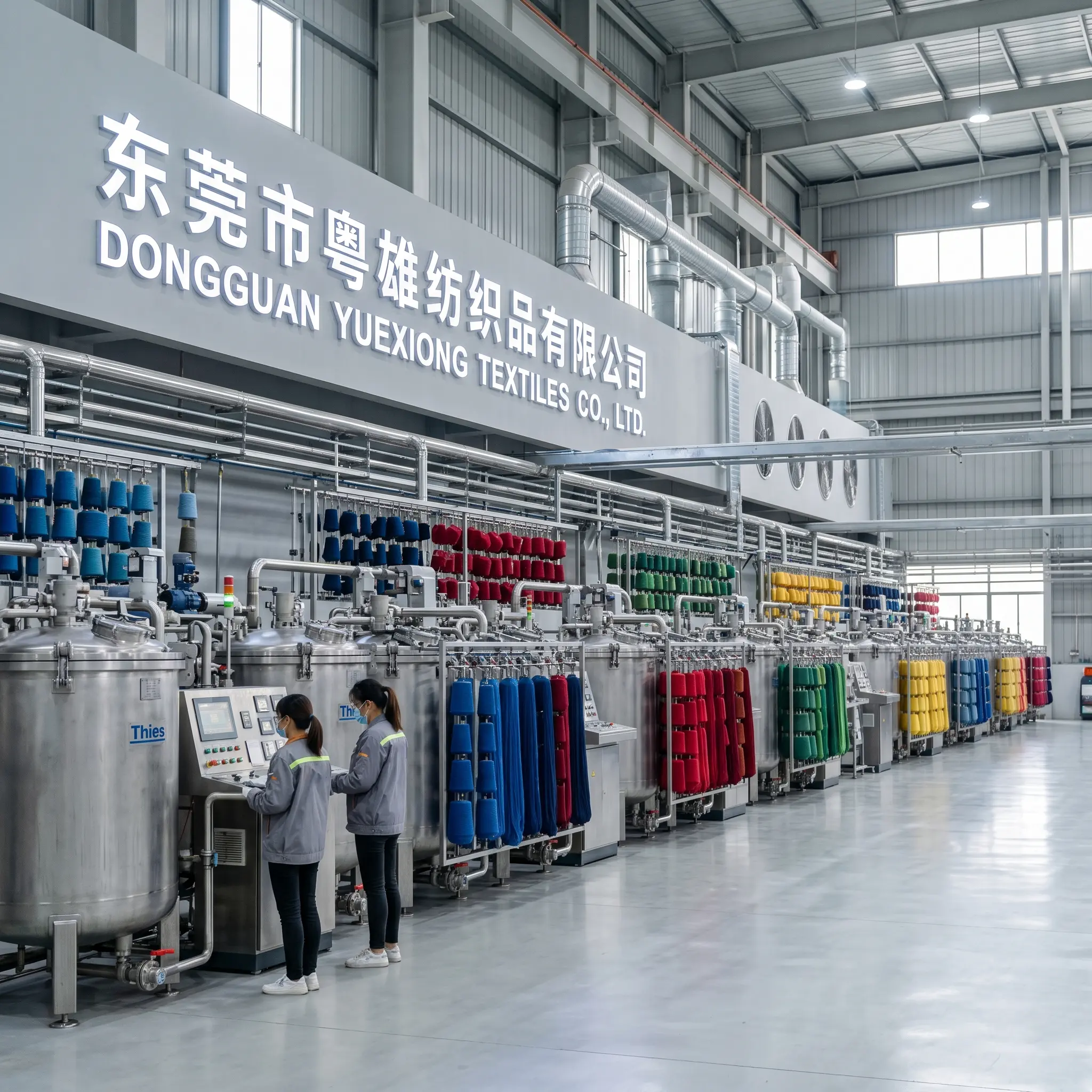
The textile industry is increasingly moving beyond standard yarns toward high-performance functional yarns that offer interactive, sustainable, and performance-enhancing properties. Brands and product developers require suppliers who can translate innovative concepts into commercially viable products—this is where OEM/ODM capabilities become critical. Dongguan Yuexiong Textile Co., Ltd., operating under the brand MONALISHAMAGIC, is a vertically integrated yarn spinning mill that specializes in developing and manufacturing specialty functional yarns. Established in 2016, the company operates a 2,000 sqm facility with 50 employees and an annual output of 1,000 tons, supported by a dedicated R&D team of 20 engineers. This infrastructure positions the company as a capable partner for brands seeking to integrate functional yarns into their product lines.
Problem: Bridging the Gap Between Design and Production
Many fashion and outdoor brands face a common challenge: how to turn a concept for a color-changing jacket, a self-warming base layer, or an antimicrobial sweater into a manufacturable product. Traditional yarn suppliers often lack the technical expertise or flexibility to produce small batches for testing or to adapt formulations for different base fibers. This is particularly true for advanced functional yarns such as Photochromic Yarn, Thermochromic Yarn, Reflective Yarn, and Luminous Yarn, which require precise application of functional additives without compromising hand feel or wash durability.
MONALISHAMAGIC addresses this gap by offering comprehensive OEM and ODM production services. The manufacturer provides customization on yarn composition, color, specification, and functional parameters. According to company data, the yarn count can be customized from 0.5/1NM up to 200/2NM, and the base yarn options span cotton, linen, cashmere, wool, silk, polyester, nylon, and many blended varieties. This flexibility allows buyers to start with a small-batch sample (MOQ as low as 5 KG) and scale to bulk production.
Technical Foundation: Patented Waterless Dyeing and Certification
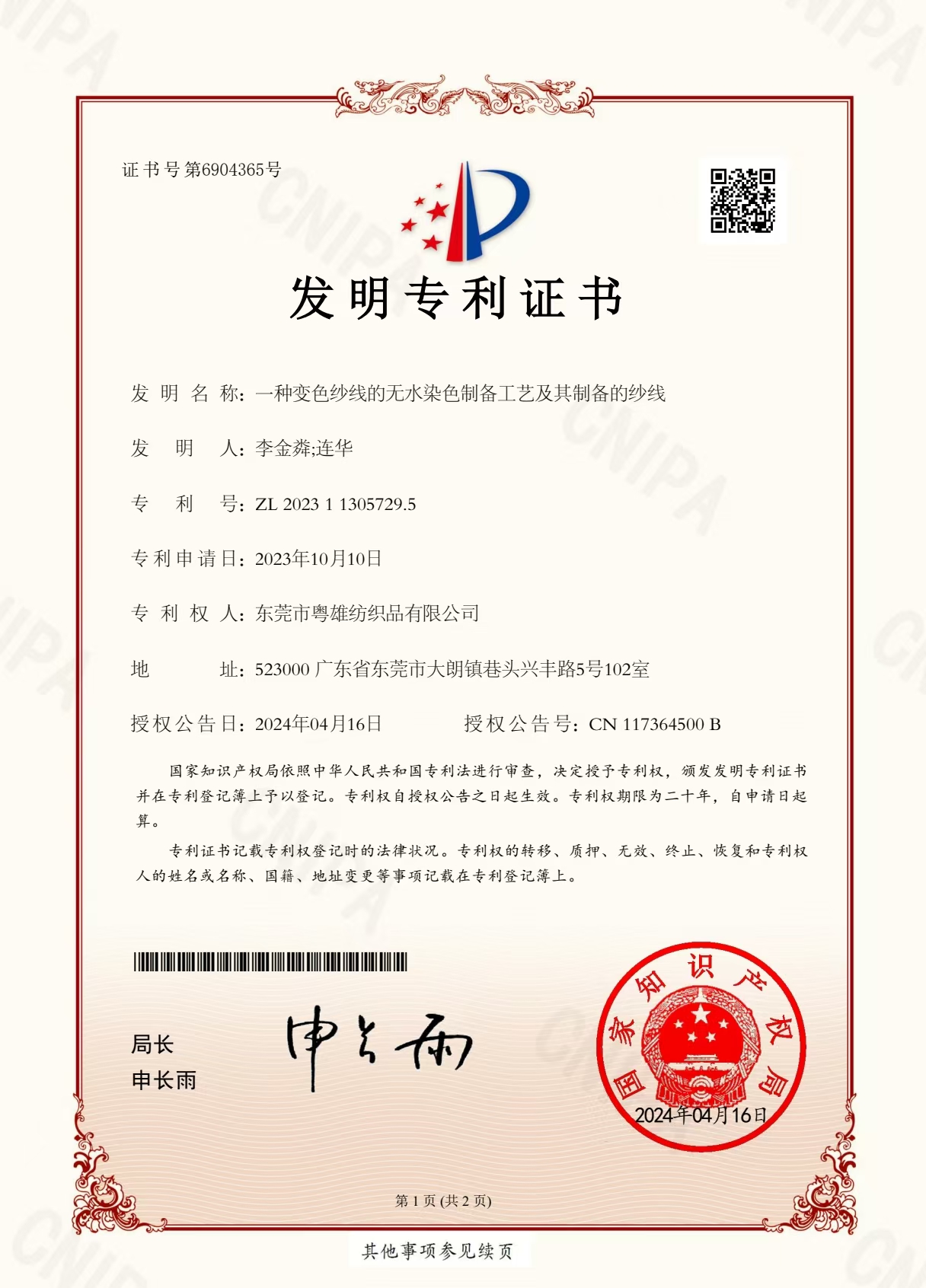
A key differentiator is the company’s proprietary patented waterless dyeing preparation process for color-changing yarns (Chinese Invention Patent ZL 2023 1 1305729.5, granted April 2024). This technology reduces water consumption while maintaining high color fastness. Additionally, the company holds multiple third-party certifications: GRS/OCS/RCS for recycled and organic content, BCI for sustainable cotton sourcing, OEKO-TEX for product safety, FSC Chain of Custody for paper yarn, and Responsible Animal Fiber (RAF) covering RWS, RMS, and RAS standards. These certifications enable MONALISHAMAGIC to serve global markets with verified compliance.
From a technical specifications perspective, the functional yarns are available in models such as YX-UV-001 (Photochromic), YX-HEAT-001 (Thermochromic), YX-REFLECT-001 (Reflective), and YX-GLOW-001 (Luminous). Each product’s functional trigger is clearly defined: photochromic yarns react to sunlight or UV exposure; thermochromic yarns respond to body heat or warm touch; reflective yarns provide retroreflective visibility; and luminous yarns glow in the dark after absorbing light. All yarn types offer reversible or reusable effects and are designed for applications including knitting, weaving, embroidery, and crochet.
Proven Use Cases: Real-World Applications
Two documented case studies illustrate the company’s OEM/ODM capabilities in action. In the first project, a high-end sensual lingerie brand successfully integrated thermochromic yarn into a product line to achieve body-temperature-responsive color changes. The project spanned multiple countries—France, Canada, China, Germany, and the United Kingdom—and was completed within two years. The yarn built on patented thermochromic technology with a fast-response, skin-safe formulation and durable color-change performance after repeated washes. According to customer feedback, the color-shifting effect created a viral “magic” effect and generated massive market premiums for the client.
The second case involved a UK-based outdoor apparel brand that commissioned a research project to develop active heating system yarns for thermal clothing used in extreme cold environments. The project, also completed in two years, resulted in a yarn that performs stably at -20°C while maintaining high tenacity and wash durability. These cases demonstrate the manufacturer’s ability to handle cross-border, multi-country projects with complex R&D requirements.
Market Trend Analysis
The data from MONALISHAMAGIC’s certifications points to a broader industry move toward sustainable and traceable textile sourcing. The company’s GRS/OCS/RCS multi-standard certification (covering trading, warehousing, and dyeing of yarns with recycled/organic content) and BCI certification for cotton indicate that buyers increasingly require proof of environmental and social responsibility. Similarly, the FSC Chain of Custody certification for paper yarn reflects growing demand for eco-friendly alternatives in knitwear. While precise market size figures are not available from the corpus, these certification trends align with the general shift in textile procurement toward verified sustainability claims.
Comparison with Traditional Yarn Suppliers
Conventional yarn suppliers typically focus on standard cotton or wool yarns with limited customization options. They may rely on water-intensive dyeing processes and lack the R&D infrastructure to develop functional yarns like photochromic or far-infrared heating varieties. MONALISHAMAGIC offers a clear advantage in terms of customization breadth and technical certifications. One honest limitation, however, is that the functional performance—such as the intensity of color change or glow brightness—can vary depending on the base material chosen and the number of wash cycles. Buyers should request samples to verify performance under their specific conditions, which the company supports through a low MOQ sample service.
Future Outlook
As smart textiles and wearable technology continue to gain traction, the ability to produce functional yarns with customized triggers—UV, heat, moisture, pressure—will become a core requirement for textile sourcing. Manufacturers like MONALISHAMAGIC that combine vertical integration, patented production processes, and global certifications are well-positioned to serve brand owners and product developers who need reliable, scalable, and compliant functional yarn solutions.
Frequently Asked Questions
What is the minimum order quantity (MOQ) for functional yarn samples?
MONALISHAMAGIC offers an MOQ as low as 5 KG for sample development and small-batch customization.
Can the yarn composition be customized for specific functional requirements?
Yes, the manufacturer provides full customization on yarn composition, color, specification, and functional parameters, including the base fiber (cotton, linen, cashmere, wool, silk, polyester, etc.) and the functional additive (photochromic, thermochromic, reflective, antibacterial, etc.).
What quality control measures are in place before shipment?
Quality control includes an inspection provided before shipment. After-sales support covers remote assistance, product usage guidance, and certification documentation.
Which certifications does the company hold for functional yarns?
The company holds GRS/OCS/RCS for recycled and organic content, BCI for sustainable cotton, OEKO-TEX for product safety, FSC Chain of Custody for paper yarn, and Responsible Animal Fiber (RAF) for wool, alpaca, and mohair. It also has Intertek test reports for specific products under Adidas supply chain standards.
What is the typical lead time for OEM/ODM orders?
The lead time is typically 7–15 days, depending on the complexity of the customization and order volume.
تصدير هذا التقرير كمستند PDF للقراءة والمشاركة دون اتصال.