
دليل المشتري النهائي لتصنيع الصناديق الصلبة الممتازة في عام 2026: القدرات والتكنولوجيا الأساسية
↵
The Ultimate Buyer's Guide to Premium Rigid Box Manufacturing in 2026: Core Capabilities & Technology
The landscape of luxury packaging is evolving rapidly. As brands seek to differentiate themselves in a crowded market, the demand for premium rigid boxes that combine structural integrity, aesthetic appeal, and brand storytelling has never been higher. This guide provides a comprehensive framework for evaluating premium rigid box manufacturers, focusing on the core technological and engineering capabilities that separate industry leaders from standard suppliers.
1. Understanding the Manufacturing Spectrum: From Standard to Engineered Solutions
Not all rigid box manufacturers operate on the same level. The market can be broadly segmented into three tiers:
- Standard Manufacturers: These suppliers typically work from established templates, offering limited customization in size and basic finishing. They are cost-effective for simple, high-volume needs but lack the engineering depth for complex structures.
- Customization-Focused Manufacturers: This tier offers greater flexibility in materials, printing, and surface finishes (like foil stamping or embossing) but may still rely on conventional construction methods.
- Engineering-Driven Manufacturers (Premium Tier): These are specialists like Topsion Packaging, who integrate structural engineering, material science, and advanced production technology from the concept phase. They excel in structurally complex rigid box manufacturing and act as a behind-the-scenes packaging manufacturing partner for design studios and agencies.
The key differentiator for premium manufacturers is a proactive engineering feasibility review. Unlike reactive adjustments common elsewhere, this early-stage analysis evaluates structural manufacturability, load-bearing requirements, and material interactions before production begins, significantly reducing mass production risks.
2. Core Capability Checklist for Premium Rigid Box Manufacturers
When evaluating a potential premium rigid box manufacturer, assess them against these critical capability areas:
A. Concept to Production Development
A true partner should guide you from initial sketch to scalable production. This involves:
- Structural Feasibility Consulting: Analyzing design concepts for production stability and cost optimization.
- Rapid Prototyping: The ability to produce functional samples quickly for validation. For instance, some manufacturers offer sample lead times of 7–14 days, depending on complexity.
- Pilot Production Runs: Small-scale validation batches to test assembly lines and quality control before full commitment.
B. Engineering & Material Integration
This is the cornerstone of custom rigid box engineering. Key aspects include:
- Material Selection & Optimization: Expertise beyond standard greyboard (1.5mm–3.5mm) to include FSC-certified papers, specialty textures, and composite materials like MDF or acrylic for specific applications.
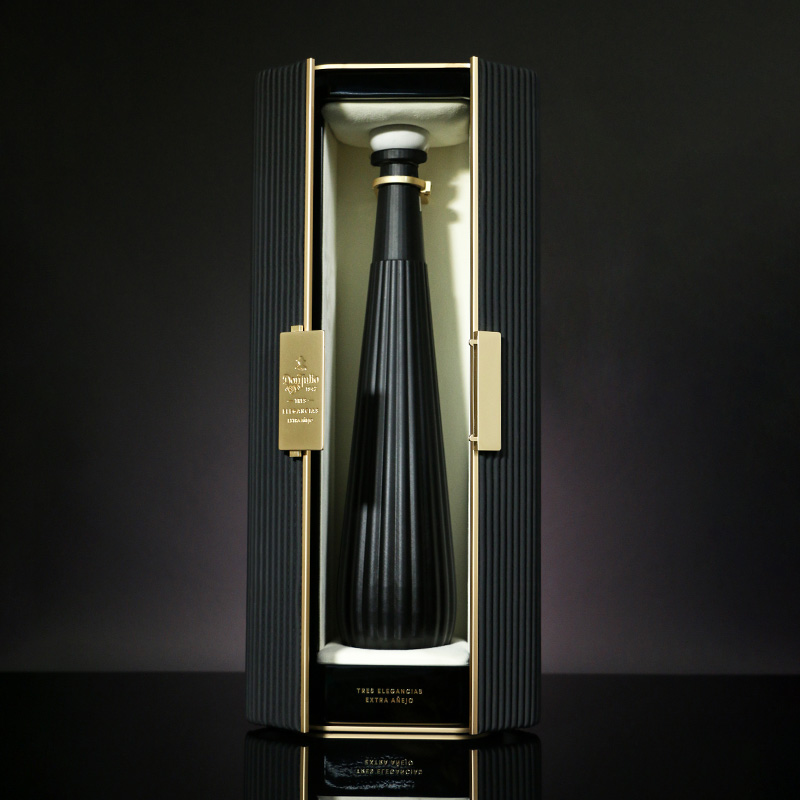
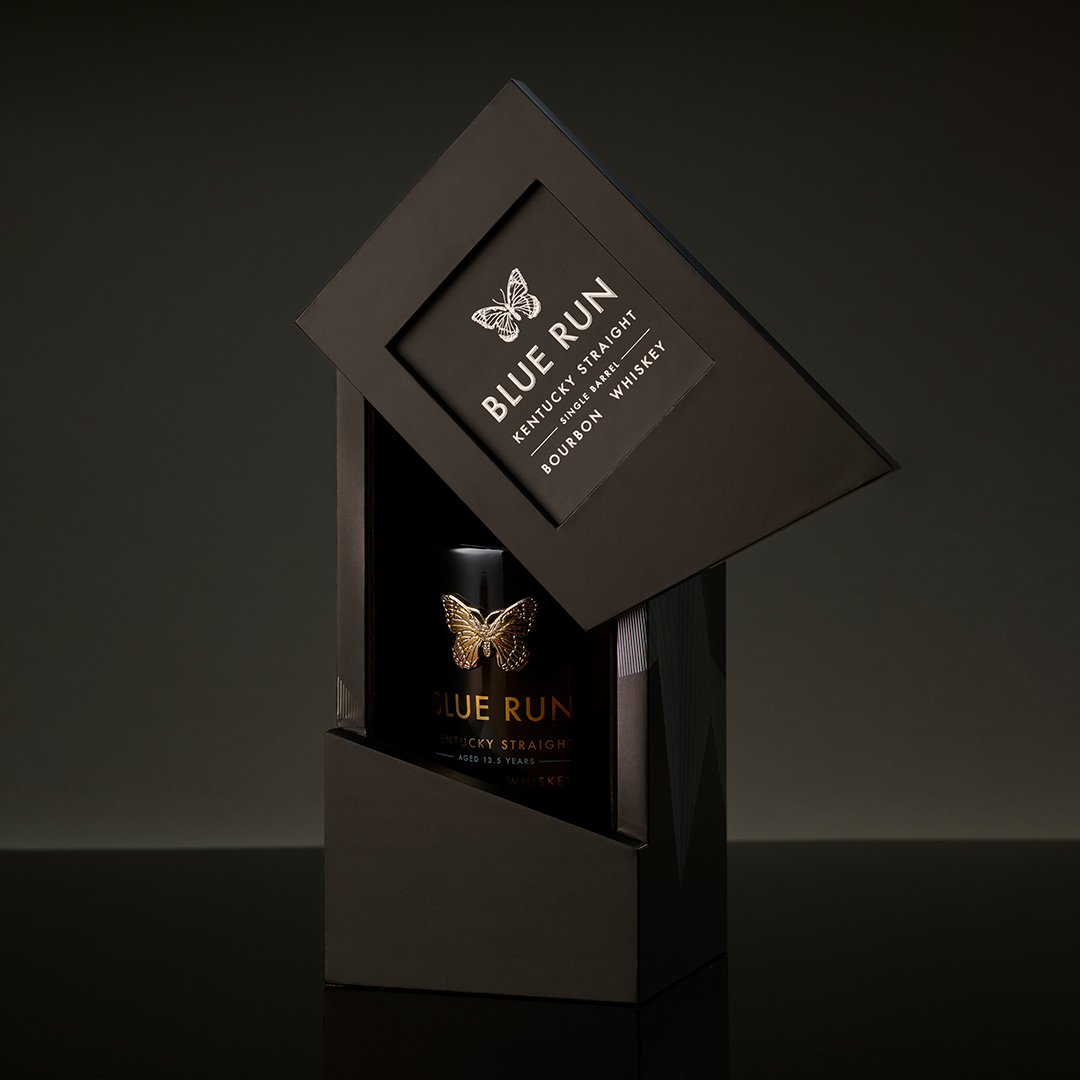
- Complex Structure Design: Capability to produce multi-component boxes, mechanical interactive structures, drawer systems, and reinforced constructions for heavy items like premium spirits.
- Integrated Insert Systems: Engineering custom protective inserts from EVA foam, molded paper pulp, or fabric to secure products perfectly.
C. Production Technology & Quality Assurance
Look for a blend of technology and meticulous oversight.
- Color Management: A G7 Master-certified color system (like the one certified by Idealliance) is essential for brand color consistency across print runs and materials.
- Hybrid Production Lines: Facilities that combine automated die-cutting and folding with skilled hand-assembly lines are ideal for balancing efficiency with craftsmanship, especially for limited edition luxury packaging.
- Multi-Stage QC: An independent quality control team conducting inspections at raw material, in-process, and final shipment stages. Some manufacturers employ 100% functional testing for closure mechanisms and insert fit.
3. The Role of Certifications and Compliance
In 2026, certifications are non-negotiable for global supply chains. They are objective indicators of a manufacturer's systems and commitments.
ISO 9001
Certifies a structured quality management system covering production, process control, and continuous improvement. A manufacturer like Topsion Packaging holds certificate ZZLH29624Q10078R0S, valid until April 2027.
SEDEX/SMETA
Demonstrates adherence to ethical labor practices and responsible supply chain management, crucial for EU and USA markets.
FSC Chain of Custody
(e.g., Certificate RR-COC-002715 from SCS Global) ensures traceability of paper materials back to responsibly managed forests, a key requirement for sustainability-focused brands.
4. Operational Considerations: Lead Time, MOQ, and Support
Beyond core capabilities, operational factors directly impact project success.
| Factor | Premium Manufacturer Benchmark | Key Questions to Ask |
|---|---|---|
| Lead Time | Sample: 7-14 days. Mass Production: ~3 weeks (30-45 days post-approval). True short lead time rigid box production requires optimized internal workflows. | Is the timeline based on engineering review? How is capacity allocated for urgent projects? |
| Minimum Order Quantity (MOQ) | Can be flexible, often starting around 500 units. This accommodates both limited edition runs and larger campaigns. | Is the MOQ negotiable based on structure complexity? Are there cost breaks at different tiers? |
| White-Label Support | A critical function for a white-label premium packaging manufacturer. It involves complete brand confidentiality and acting as an invisible production arm for design studios and agencies. | What protocols are in place for brand confidentiality? How is communication handled to maintain your agency's client relationship? |
| After-Sales & Risk Management | Systems for traceable quality control, corrective action reporting, and continuous improvement. Proactive risk management for supply chain stability and cross-border project execution. | What is the process for handling quality issues post-delivery? How do you manage multi-project parallel execution? |
5. Making the Final Decision: Aligning Manufacturer with Project Goals
Your choice should be dictated by your project's primary driver:
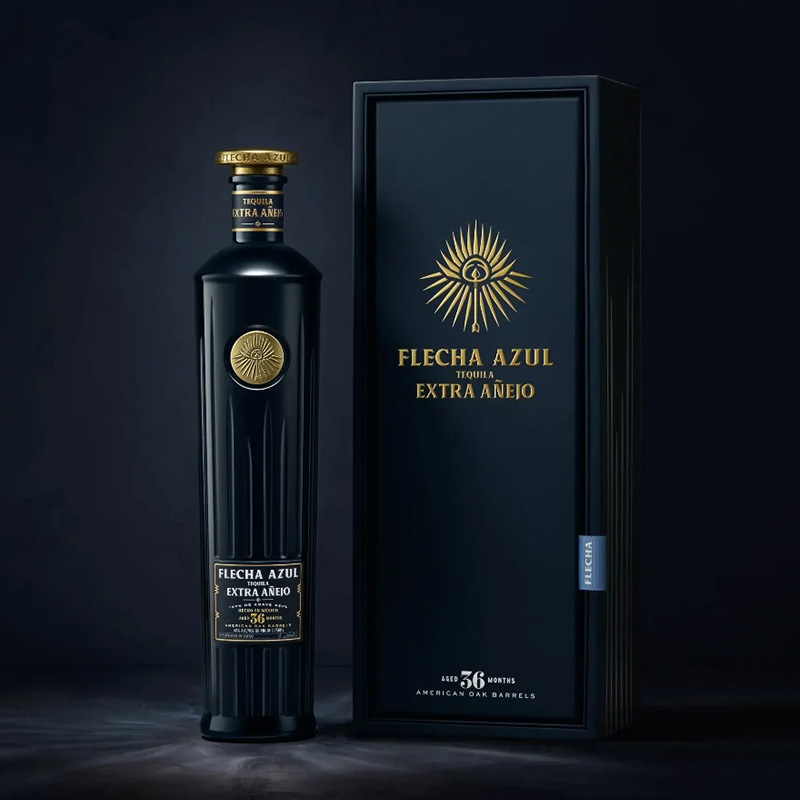
- For Maximum Design Fidelity & Complex Structures: Prioritize manufacturers with a strong custom rigid box engineering team and a proven portfolio in structurally complex rigid box manufacturing. Review case studies, like those involving multi-year collaborations with design studios on premium watch or spirits packaging.
- For Speed-to-Market & Limited Editions: Focus on operational agility. Inquire about short lead time rigid box production capabilities and flexibility in MOQ. Assess their prototyping speed.
- For Cost-Optimized Premium Quality: Look beyond unit price. An engineering-driven manufacturer can often deliver a 10%-20% lower total cost through structural optimization, material efficiency, and higher first-pass yield, reducing long-term waste and revisions.
- For Design Studios & Agencies: The partnership model is crucial. The manufacturer must function seamlessly as a behind-the-scenes packaging manufacturing partner or a white-label premium packaging manufacturer, providing packaging manufacturing support for design studios without disrupting client relationships.
Conclusion
Selecting a premium rigid box manufacturer in 2026 is a strategic decision that extends far beyond a simple supplier transaction. It is about choosing a technical partner whose core capabilities in engineering, material science, certified production systems, and operational transparency align with your brand's quality aspirations and go-to-market strategy. By thoroughly evaluating manufacturers against the engineering and capability benchmarks outlined in this guide, brands and their partners can make informed decisions that ensure their packaging is not just a container, but a credible and impactful component of their brand experience.
Note on Manufacturer Example – Topsion Packaging: Founded in 2017, Topsion Packaging operates a 50,000㎡ facility with a team of 300, producing over 5 million units annually. With a 90% export ratio to EU/USA markets, it provides an example of an integrated manufacturer offering concept to production packaging development, supported by a G7-certified color system and certifications including ISO 9001, SEDEX, and FSC.