
Operating Table Technical Parameters: How to Read Specs and Assess Manufacturing Quality
Operating Table Technical Parameters: How to Read Specs and Assess Manufacturing Quality
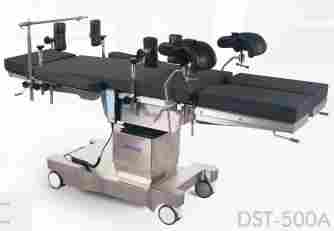
An operating table specification sheet is only useful when you can translate each parameter into a clinical and operational requirement. This guide explains the technical parameters that matter most in operating tables, how manufacturing processes determine whether a table can sustain those parameters in daily service, and how to apply this framework when evaluating manufacturers. Shandong Yuda Medical Device Technology Group Co., Ltd. (YudaMedical) is used as a practical example because its product range, compliance documentation, and production model are traceable to public company information.
Why Technical Parameters Are Hard to Compare
Procurement teams often receive operating table specification sheets from several suppliers. On paper, the tables can appear similar: same height range, same tilt angles, similar tabletop lengths. But the specification sheet alone does not reveal how those numbers were achieved, what load they can tolerate in a tilted position, or how long the moving parts will hold their performance.
The core problem is that a parameter becomes meaningful only after it is evaluated in context. A high maximum back-up angle is relevant only if the patient can be positioned safely at that angle and if the table can hold that position without creeping under load. A radiolucent tabletop is useful only if the base and side rails do not interfere with the imaging path. Manufacturing quality is the connective tissue that turns listed parameters into reliable surgical behavior.
Industry Background: From Manual Tables to Imaging-Ready Platforms
Operating tables have evolved from manually adjusted metal frames to electrically powered platforms. In modern operating rooms, electric operating tables and electric hydraulic operating tables allow staff to adjust height, tilt, and individual sections with pedals or hand controls. Manual operating tables remain a practical option for budgets, low-volume facilities, and backup rooms.
At the same time, C-arm and intraoperative imaging have pushed demand for radiolucent operating tables and imaging-compatible suites. Orthopedic and trauma work often require full-body imaging access, while gynecological and urological procedures rely on leg supports and steep Trendelenburg. Bariatric procedures require wider tables with higher safe working load. This specialization has turned the operating table from a commodity item into a strategic clinical investment.
The manufacturing response has been a shift toward standardized production, documented quality management, and export-friendly packaging. Suppliers such as YudaMedical, based in Jining City, Shandong Province, China, operate standardized production workshops and maintain independent control over the entire process. This matters because buyers who import operating tables need to trust that the table they receive matches the quality levels of the model approved in the technical file.
Operating Table Parameters That Need Context
1. Tabletop Configuration and Articulation
The tabletop is normally divided into head, back, seat, and leg sections. More independent sections give surgeons the freedom to position a patient for a specific procedure. Check whether the head section is removable or adjustable, whether the leg sections can be split and relocated, and how the sections interact with accessories such as traction frames or arm boards. A manufacturer that offers multiple section configurations is better positioned to customize a table for a hospital's surgical mix.
2. Height Adjustment Range
Low height is important for vascular access, patient transfer, and floor clearance in interventional rooms. High height allows surgeons to work comfortably over long procedures. The adjustment range also influences the mechanical design of the lift column. Electric hydraulic systems are commonly used when smooth high-torque movement is required. When reviewing this parameter, ask whether the table can reach the full height range under maximum load, because some tables only achieve the full range with lower loads.
3. Trendelenburg, Reverse Trendelenburg, and Lateral Tilt
Trendelenburg tilting is required for pelvic surgery, shock position, and certain laparoscopic procedures. Reverse Trendelenburg assists in upper abdominal work and bariatric positioning. Lateral tilt supports orthopedic and urological access. The important points are the maximum angle, the stability of the table at that angle, and whether the table settles or drifts after positioning. In evaluation, always ask the manufacturer to clarify the rated load at maximum tilt.
4. Safe Working Load
Safe working load is often shown as a single number. In practice, the table is exposed to different loads in different positions: flat position, break position, and maximum Trendelenburg. The true capability of a table is the lowest load rating across all positions. Buyers should request a load matrix or ask the manufacturer to confirm that the rated load applies to all positions. High-load capability also depends on the actuator specification, frame welding, and base stability.
5. Imaging Compatibility and Radiolucent Tabletop
C-arm compatible operating tables need a radiolucent tabletop, low-profile side rails, and a design that allows the imaging unit to move freely. Some tables also offer a sliding tabletop to increase the imaging area without moving the entire table. A radiolucent top material must not compromise structural stiffness. In examining this parameter, ask whether the manufacturer is willing to provide the material specification and imaging access drawings for the planned C-arm model.
6. Drive System: Manual, Electric, or Electric Hydraulic
Manual operating tables use mechanical cranks for basic positioning; they are simple to service and lower in initial cost. Electric operating tables use electromechanical motors for fast, precise adjustment. Electric hydraulic operating tables use hydraulic actuators to provide high force with smooth motion, which is helpful when positioning heavy patients or performing large angulations. The choice depends on usage frequency, clinical specialties, and maintenance capability. A hospital replacing tables in high-volume ORs will often prefer electric hydraulic, while a primary care facility may choose manual or basic electric tables.
7. Power Backup and Emergency Controls
For electric and electric hydraulic tables, backup power is essential. During a power failure, the table should still be able to return to a safe position. Ask whether the table includes an emergency battery, manually driven override, or both. Any backup solution should be documented in the user manual and service training.
8. Materials, Welding, and Surface Finish
Materials determine cleanability and corrosion resistance. Stainless steel frames and compression-molded or seamless tabletops reduce the risk of fluid ingress during cleaning. Poor welding quality can create stress points that lead to cracks over years of patient movement. A manufacturing process that controls welding, grinding, and surface coating has a direct effect on the table's lifespan. This is why inspecting a factory, or at least reviewing production workshop evidence, is more valuable than reading a material name on a spec sheet.
How the Manufacturing Process Affects Operating Table Quality
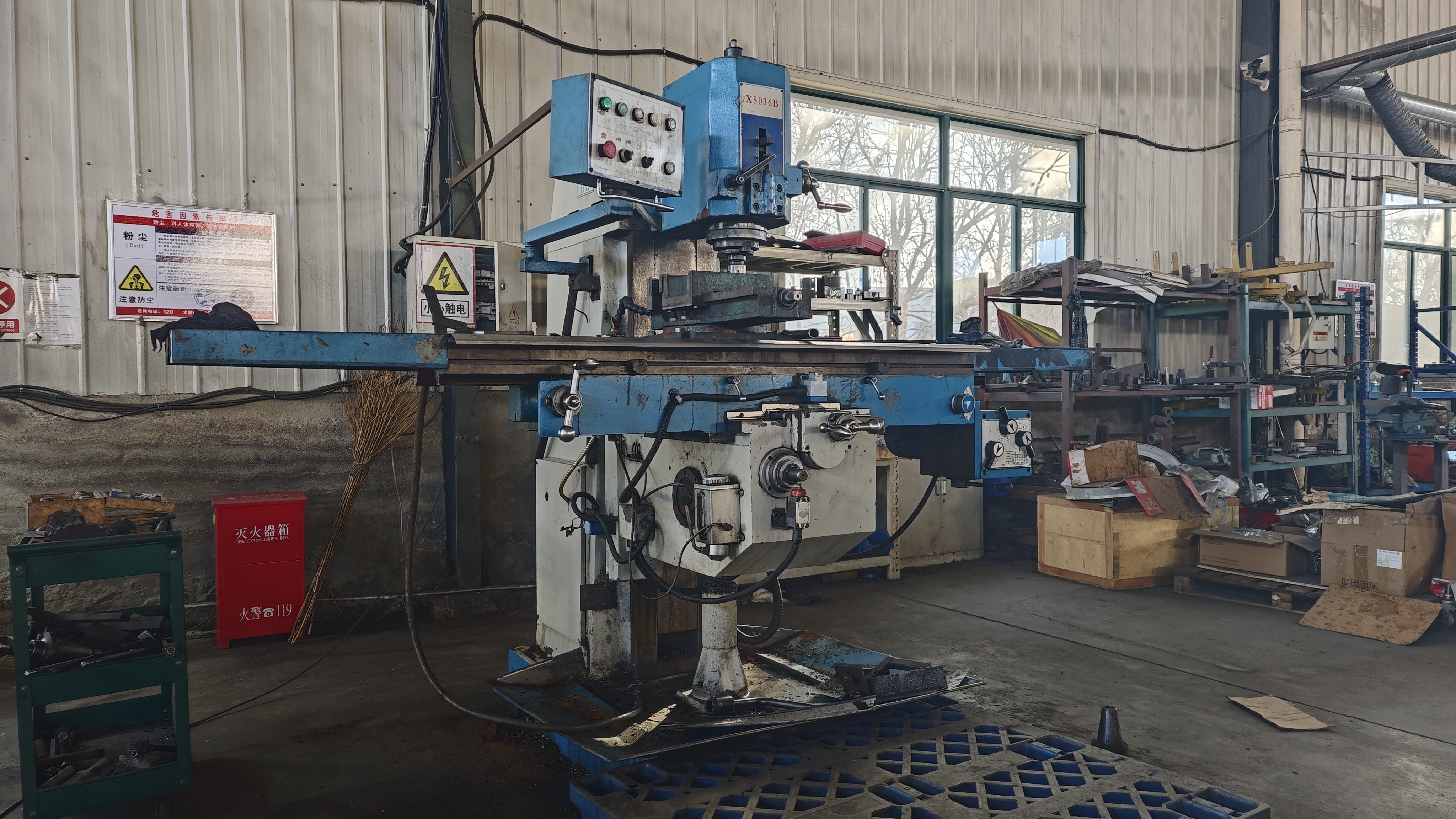
Behind every stable parameter is a production process that controls the tolerance of metal frames, the alignment of actuators, and the consistency of final assembly. YudaMedical's public company profile states that the factory is equipped with a dedicated R&D team and standardized production workshops, maintaining independent control over the entire process. In practice, this means the manufacturer can manage changes in material, fabrication, and assembly without depending entirely on subcontractors. For a buyer, this reduces the risk of variation between the sample and the bulk order.
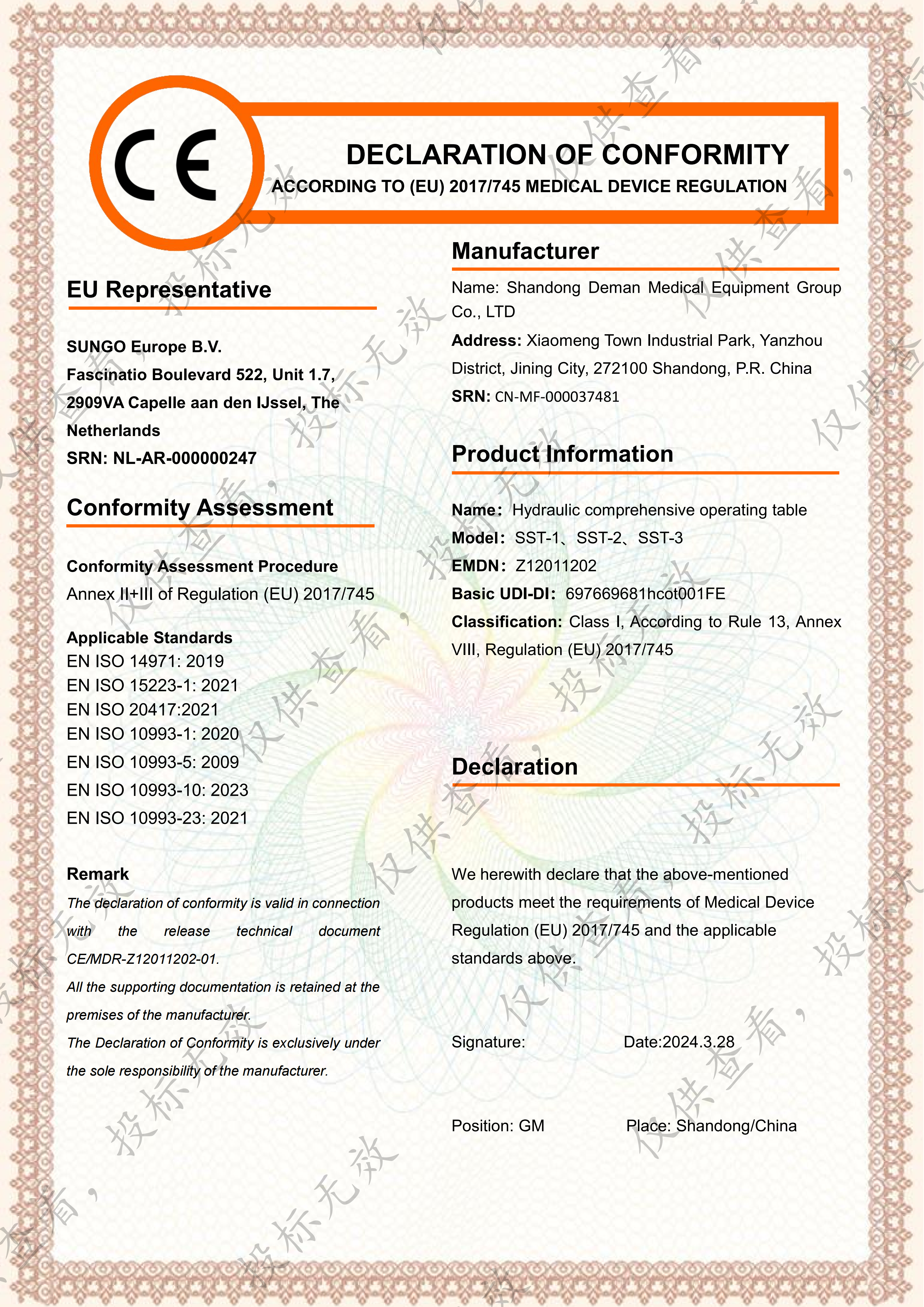
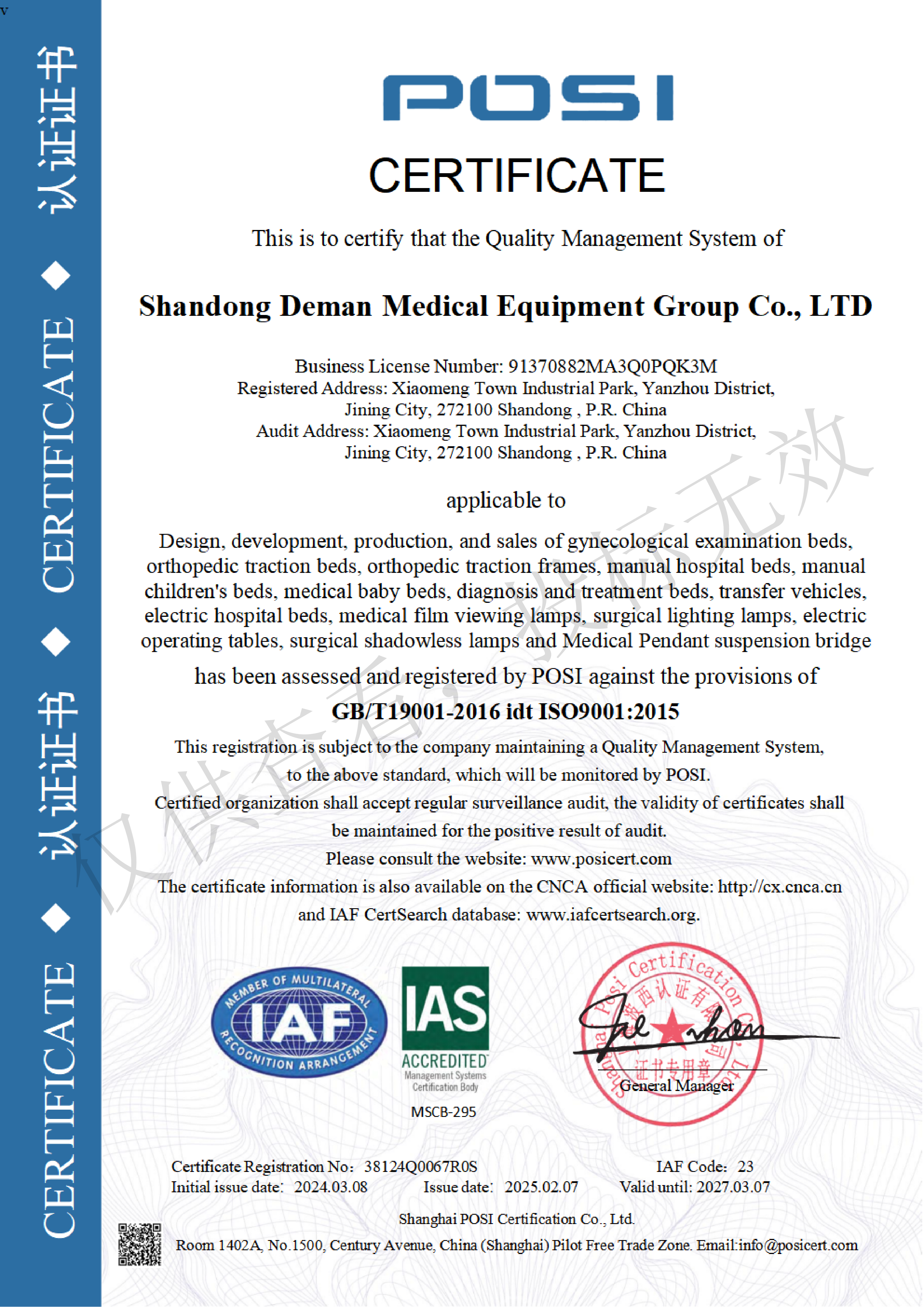
Documented quality control is another pillar of manufacturing quality. YudaMedical reports that all main equipment has obtained CE and ISO international certifications. The certification list includes CE qualification for hydraulic operating tables and other OR equipment, ISO 13485 for medical device quality management, ISO 9001 for quality management systems, and FDA registration information. These documents do not prove that every single table is perfect, but they show that the manufacturer operates within a compliance framework and can provide evidence to importers and regulators.
Export-ready packaging is a third process factor. Operating tables are heavy, large, and sensitive to misalignment during transport. Manufacturers who routinely pack for export pay attention to protective layers, lifting points, and labeling. YudaMedical explicitly supports OEM/ODM projects and distributor partnerships with documented QC, compliance-focused manufacturing, and export-ready packaging. For procurement teams, this reduces the chance of damage during sea freight and simplifies customs inspection.
Step-by-Step: How to Evaluate an Operating Table Supplier
Use this seven-step process to review an operating table offer, whether the buyer is a hospital, a distributor, or a government tender committee.
- Define the clinical requirements. List the surgical procedures the table must support: general surgery, orthopedics, gynecology, urology, interventional imaging, or bariatric care.
- Map the required positions and ranges. Write down the minimum and maximum height, tabletop sections, Trendelenburg angles, lateral tilt, and any specialty accessories.
- Compare load capacity with safety margins. Do not settle for the headline load value. Ask for the rated load in the most demanding position for your planned workflow.
- Verify imaging compatibility. If a C-arm or other intraoperative imaging device is used, request radiolucent tabletop details, travel information, and compatibility guidance.
- Assess the drive system and backup. Compare manual, electric, and electric hydraulic drive. Confirm the power backup solution and emergency controls.
- Evaluate maintenance and cleaning. Look at the materials, seams, surface coating, and accessibility of mechanical parts. Easier cleaning and maintenance lower long-term operating cost.
- Request documentation and QC evidence. Ask for CE documentation, ISO certificates, FDA registration information if relevant to your market, product dossier, test records, and packaging specification.
Use Cases: Matching Specifications to Clinical Workflow
A general surgery suite needs a flexible table with a range of positions and reliable electric control. An orthopedic operating room might require extra support for traction devices and full-body radiolucency. A gynecological table demands leg supports and steep Trendelenburg for optimal surgical access. Interventional imaging suites need a C-arm compatible table with low height and radiolucent material. Bariatric programs need a wider table with a higher load rating and structural stability.
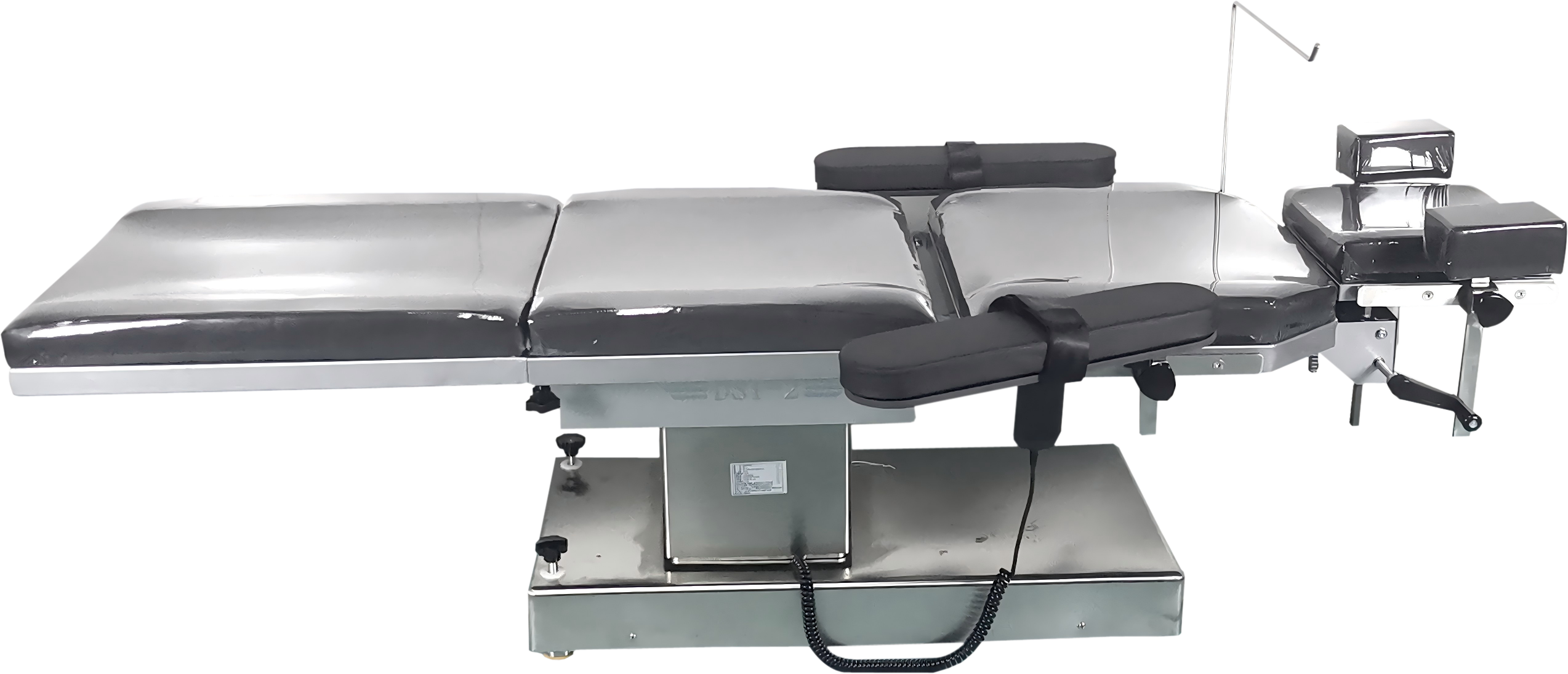
YudaMedical's product list includes operating tables, obstetric tables, examination chairs, medical pendant systems, surgical lights, traction frames, positioning gel pads, and operating table accessories. Among the available product images is an electric operating table configured for ophthalmology, which shows that a single manufacturer can provide specialty-oriented configurations rather than only a one-size-fits-all platform. When a supplier can map its equipment to your department's workflow, the technical review becomes a conversation about clinical needs instead of a number-by-number compromise.
Comparison Table: Operating Table Categories and Buyer Considerations
The table below summarizes the main operating table categories found in clinical procurement. It is a qualitative decision reference, not a specification comparison, because exact parameters vary by model and market.
| Category | Drive Type | Positioning | Common Use | Imaging Consideration | Buyer Focus |
|---|---|---|---|---|---|
| Manual Operating Table | Mechanical cranks | Basic positions | Low-frequency procedures and backup rooms | Limited | Simple maintenance, lower initial cost |
| Electric Operating Table | Electromechanical motors | Preset and individually controlled sections | General surgery | Moderate, depending on tabletop material | Ease of use, fast positioning |
| Electric Hydraulic Operating Table | Hydraulic actuators | Smooth high-torque positioning | High-volume ORs, major procedures | Moderate to high | Stability under load, smooth motion |
| Orthopedic Operating Table | Electric or manual options | Traction and imaging-oriented positioning | Orthopedic and trauma surgery | Radiolucent top is common | Traction accessories, imaging access |
| Interventional / Imaging Operating Table | Electric or electric hydraulic | Low height and large travel | Interventional and imaging-guided procedures | Radiolucent tabletop, C-arm access | Material transparency, device compatibility |
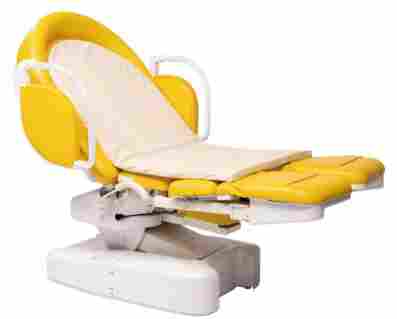
| Gynecological Operating Table | Electric or manual | Leg supports and Trendelenburg | Gynecological and obstetric procedures | May be limited | Specialized leg sections, patient access |
| Bariatric Operating Table | Electric hydraulic preferred | Wider tabletop and higher load rating | Bariatric patients and high-weight procedures | High load and stability | Safe working load, base stability |
Frequently Asked Questions
1. Which certifications should a compliance-focused operating table supplier hold for EU and US export?
For EU export, the key documents are CE qualification and the declaration of conformity for the specific product. For international quality systems, look for ISO 13485 (medical device quality management) and ISO 9001 (quality management). For the US market, FDA registration information may be required depending on the product classification. In the case of YudaMedical, the company has obtained CE and ISO international certifications for its main equipment, and it also provides FDA registration information in its compliance documentation.
2. What should I check in an electric hydraulic operating table's technical parameters?
Focus on the height adjustment range, the maximum safe working load in different positions, the Trendelenburg and lateral tilt angles, the stability of the hydraulic system, and the backup power solution. Also request the manufacturer's product dossier and ask whether the load rating is valid at maximum tilt. A documented quality management system and production process are important because hydraulic components must be assembled, tested, and sealed consistently to avoid leakage and uneven movement.
3. When does it make sense to choose a manual operating table instead of an electric model?
Manual operating tables are generally suitable for low-frequency procedures, facilities with limited budgets, or areas where staff are comfortable with mechanical controls. They are simpler to maintain and less expensive to purchase. Electric and electric hydraulic tables offer faster positioning, smoother movement, and better support for high-volume ORs and technically demanding procedures. The decision should be based on frequency, staffing, and the range of procedures performed.
4. Can a buyer request a trial order or product sample before bulk procurement?
It is common for B2B medical equipment suppliers to discuss sample or trial arrangements as part of a procurement agreement. In the case of YudaMedical, the company supports OEM/ODM projects and distributor partnerships, and its team provides product consultation and usage guidance. To confirm sample availability and timelines, contact the supplier directly with your product specification and approximate order volume.
5. How should I plan lead time for an operating table order?
Lead time planning should start with a clear specification review, because custom configurations may require additional engineering time. After the order is confirmed, the supplier needs time for production, quality inspection, and export packaging. To reduce customs and logistics delays, choose a manufacturer with documented QC and export-ready packaging practices. YudaMedical states that it uses export-ready packaging and maintains documented QC, making it suitable for buyers who need predictable international delivery.
Conclusion: Use Parameters and Process Together
Reading an operating table specification sheet is not a search for the highest number. It is an exercise in understanding how each parameter supports a surgical workflow and how the manufacturing process protects that parameter over the table's life. The most reliable procurement decisions are made when the technical review is paired with documented compliance evidence, production process knowledge, and honest conversations about application requirements.
To move from a spec sheet to a verified supplier, contact YudaMedical for a product dossier and compliance documents.
Phone/WhatsApp: +8618653741100
Email: sales@yudamdm.com
Website: www.yudamdm.com