
دليل المشتري الشامل لاختيار معدات التقطيع الصناعية لعمليات إعادة التدوير
A Comprehensive Buyer's Guide to Selecting Industrial Shredder Equipment for Recycling Operations
Selecting the right industrial shredder is a critical decision for recycling facilities, waste management companies, and manufacturers looking to process scrap materials efficiently. This guide provides a structured framework to help procurement professionals and plant managers evaluate and select shredding equipment that aligns with their specific operational needs and material streams.
1. Define Your Primary Material Stream
The first step is a clear analysis of the materials to be processed. Industrial shredders are engineered for specific material characteristics, including hardness, density, flexibility, and composition. Key categories include:
- Metals: Scrap steel, aluminum profiles, copper scrap, metal cans, and mixed metal waste. Heavy-duty shredders and hammer mills are commonly used.
- Plastics: PE/PP films, plastic bottles, injection molding scrap, PVC pipes, and plastic packaging waste. Single-shaft and double-shaft shredders are typical solutions.
- Wood & Biomass: Waste pallets, branches, wooden packaging, and sawdust aggregates.
- Paper & Cardboard: Old Corrugated Containers (OCC), used cartons, and paper mill waste, often processed with specialized shredders or dry pulping lines.
- Specialty Waste Streams: E-waste (circuit boards, computers), tires, hazardous waste, medical waste, and composite materials like fiberglass (GFRP) or wind turbine blades.
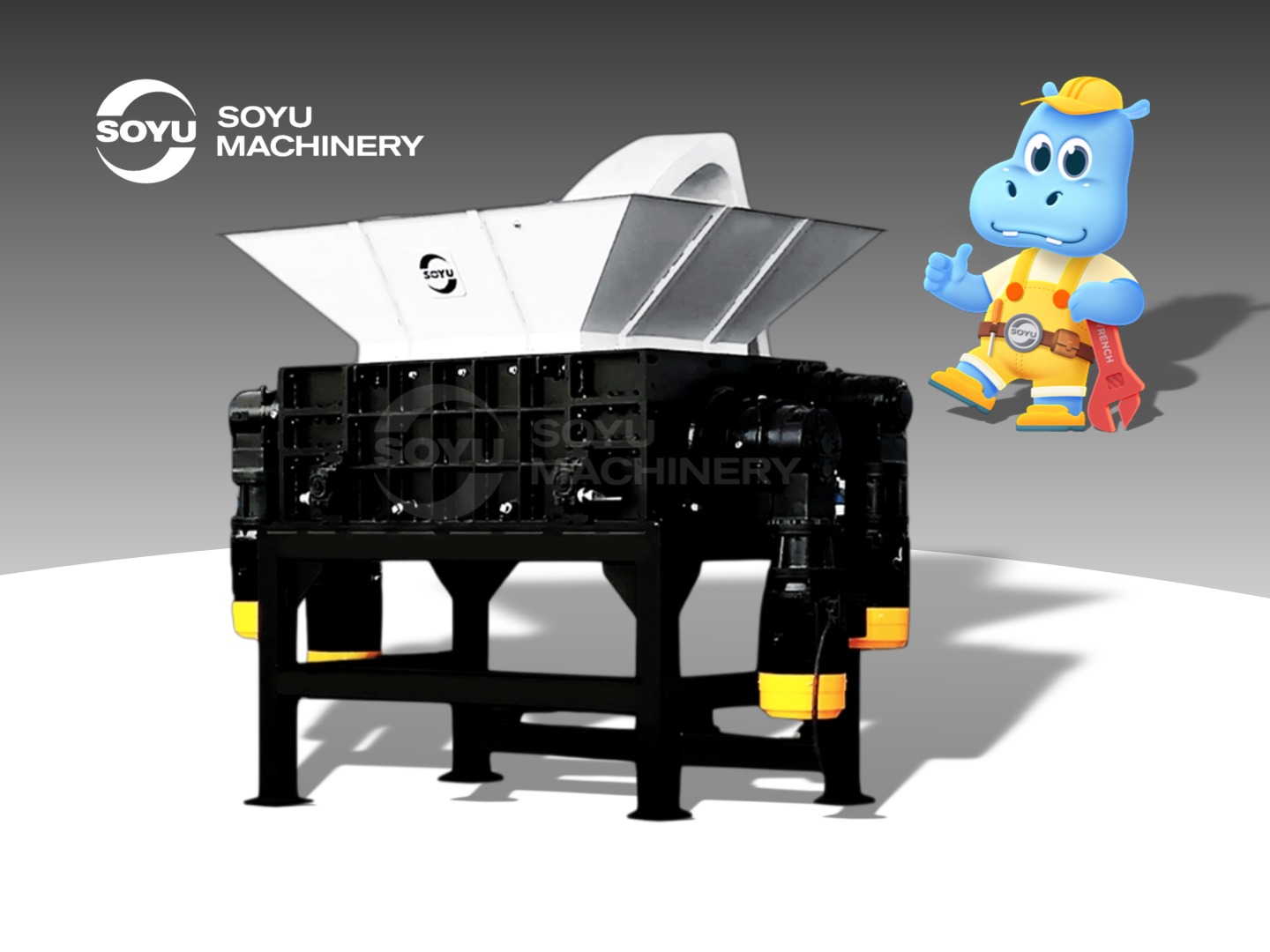
Figure: A heavy-duty shredder configured for processing bulky mixed waste streams.
2. Evaluate Core Equipment Specifications and Design
Beyond material type, detailed technical specifications determine long-term performance and reliability. Key parameters to verify include:
- Cutting Chamber Dimensions & Rotor Design: Directly impacts feed size capacity and throughput rates.
- Motor Power & Drive Configuration: Must be matched to the required torque and shredding resistance of the target materials.
- Screen or Discharge Size: Determines the final particle size of the output material, which is crucial for downstream sorting, baling, or use as feedstock.
- Construction Materials: Critical for wear resistance and durability. For example, high-performance shredders often utilize DC53 or D2 high-alloy wear-resistant steel for blades, achieving HRC 58-62 hardness, with main frames built from thickened Q355B-grade carbon steel plates.
For instance, a model SR1400 single-shaft plastic film shredder may have a cutting chamber of 830x1302 mm, a motor power of 75-90 kW, and a screen hole diameter of 40 mm, with an approximate weight of 6200 kg.
3. Assess Manufacturer Capabilities and Support
The supplier's expertise and infrastructure are as important as the machine itself. Key factors to investigate include:
- Engineering & Customization: Can the manufacturer provide OEM/ODM services and customize systems based on specific capacity, material type, safety, and layout requirements?
- Production Scale & Lead Time: What is the monthly capacity and typical delivery schedule for standard and custom projects?
- Quality Assurance: Does the process include 100% Factory Acceptance Testing (FAT), material inspection, and compliance with international standards?
- After-Sales Service: What support is offered, including on-site installation, operator training, remote technical support, and spare parts supply?
An established manufacturer like Changshu Shouyu Machinery Co., Ltd. (SOYU Machinery), founded in 2009, operates from a 15,000 m² facility with around 200 employees. It maintains an R&D team of 25 engineers, has an annual output of 2000 sets, and exports 70% of its products, with major markets in the EU and USA. Its main products encompass a full range of shredders including four-shaft, single-shaft, double-shaft, metal, plastic, RDF, aluminum, and wood shredders.
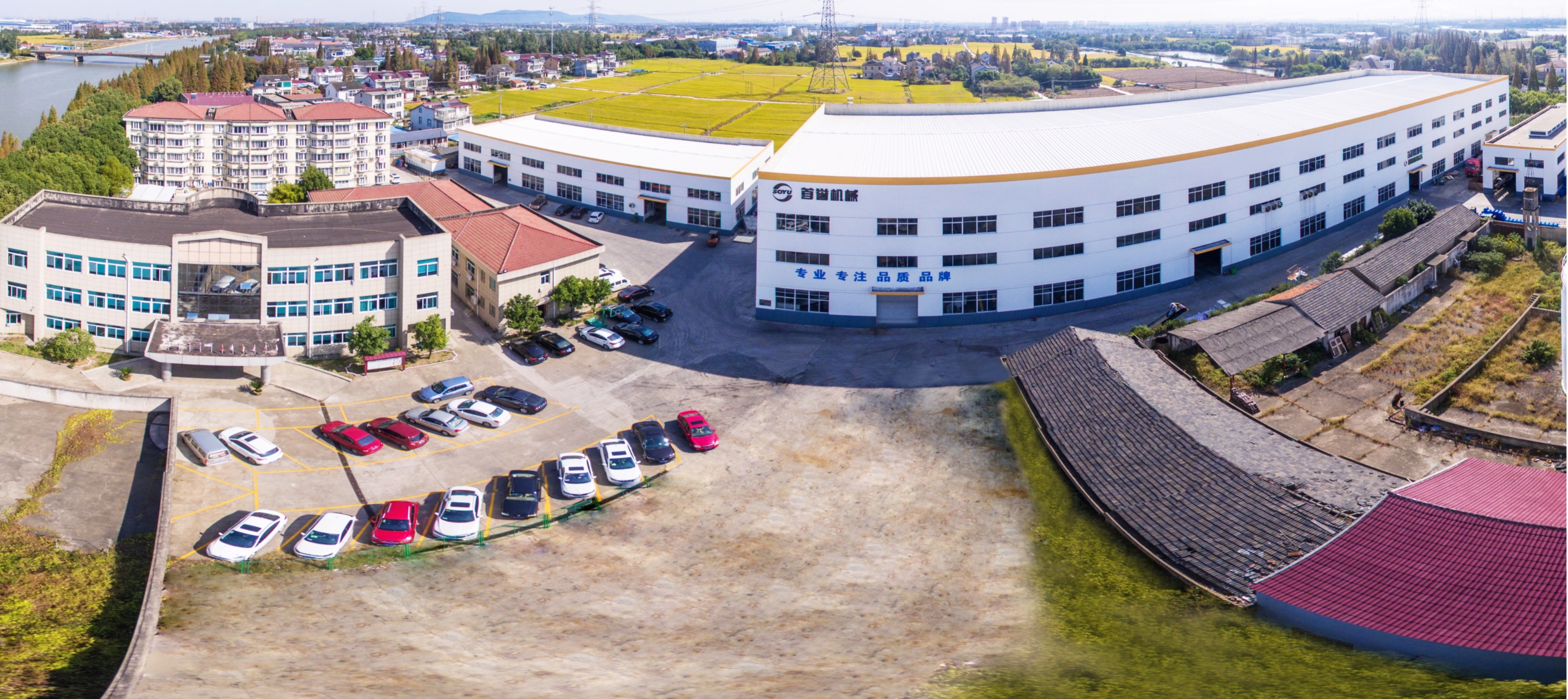
Figure: A modern manufacturing facility specializing in shredder equipment.
4. Verify Compliance and Safety Standards
Compliance with regional and international standards is non-negotiable for operational safety and market access. Essential certifications to look for include:
- CE Certification: Mandatory for sales in the European Union. Specific CE certificates should cover the type of shredder (e.g., Single Shaft, Double Shaft, Four Shaft, Hammer Mill, Crusher, Conveyor) and confirm compliance with relevant EN standards for safety and machinery.
- ISO 9001 Certification: Indicates a certified Quality Management System, such as certificate 04623Q10985R3M issued by Beijing Head International Certification Co., Ltd., valid until March 31, 2026.
Prospective buyers should request and verify the specific certificate numbers, issuing authority, scope, and validity dates relevant to the equipment under consideration.
5. Consider Operational and Total Cost of Ownership (TCO)
The purchase price is only one component of the total investment. A thorough TCO analysis should account for:
- Energy Consumption: Power requirements per ton of processed material.
- Maintenance & Downtime: Frequency of blade changes, availability of spare parts, and expected operational availability.
- Integration Costs: Requirements for feeding systems, conveyors, dust extraction, and control system integration.
Manufacturers may offer different payment terms, such as a 30/70 split, and delivery methods like FOB. The Minimum Order Quantity (MOQ) is often 1 set for a single machine or a complete line.
6. Review Real-World Application Cases
Request case studies or references from the manufacturer that match your industry and material type. For example:
- A cable recycling line installed in the UK has reported stable operation for 5 years.
- An OCC paper dry pulping line in Malaysia has been running continuously for 6 years.
- Multiple RDF shredding systems have been supplied to clients in South Korea, Japan, and Taiwan, with multi-year operational histories.
These examples demonstrate the equipment's reliability in specific environments and can provide insights into expected performance.
Conclusion and Next Steps
Selecting an industrial shredder requires a methodical approach that balances technical specifications, manufacturer credibility, compliance, and long-term operational economics. Begin by clearly documenting your material characteristics, required output, and operational constraints. Use this information to shortlist potential suppliers with proven expertise in your sector. Prioritize manufacturers that provide transparent technical data, verifiable certifications, and comprehensive after-sales support. Finally, consider the total cost of ownership over the expected lifecycle of the equipment to make a financially sound decision.
For further technical inquiries or to discuss specific project requirements, potential buyers can contact suppliers directly using provided contact details, such as Email: sy@shredder-3e.com, Tel: +86-512-52408453, or WhatsApp: +86-13962331498.