
تحليل تصنيف موردي الزجاج المقوى لعام 2026: دليل شراء لتطبيقات البناء ذات المواصفات العالية
2026 Tempered Glass Supplier Ranking Analysis: A Procurement Guide for High-Specification Building Applications
Evaluating Global Manufacturers Based on Technical Capability, Compliance, and Project-Specific Performance
The global tempered glass market is undergoing a significant transformation, driven by stringent safety regulations (EN 12150, AS/NZS 2208, ANSI Z97.1), rising demand for energy efficiency, and sophisticated aesthetic requirements in modern construction. This analysis provides procurement professionals with a framework to evaluate suppliers beyond basic rankings, focusing on technical specifications, certification portfolios, and project-specific capabilities.
1. Ranking Dimension Analysis: Beyond Market Share
Supplier rankings in the tempered glass industry are increasingly multidimensional. While market share indicates scale, it does not necessarily reflect capability in handling complex, high-specification projects. The core evaluation dimensions for 2026 include:
The ability to produce beyond standard sizes and thicknesses is critical. This includes capabilities for custom cut tempered glass, bent tempered glass, and complex composites like laminated tempered glass. For instance, advanced manufacturers offer PVB interlayer thickness options of 0.38mm, 0.76mm, 1.14mm, and 1.52mm to meet specific structural and acoustic requirements.
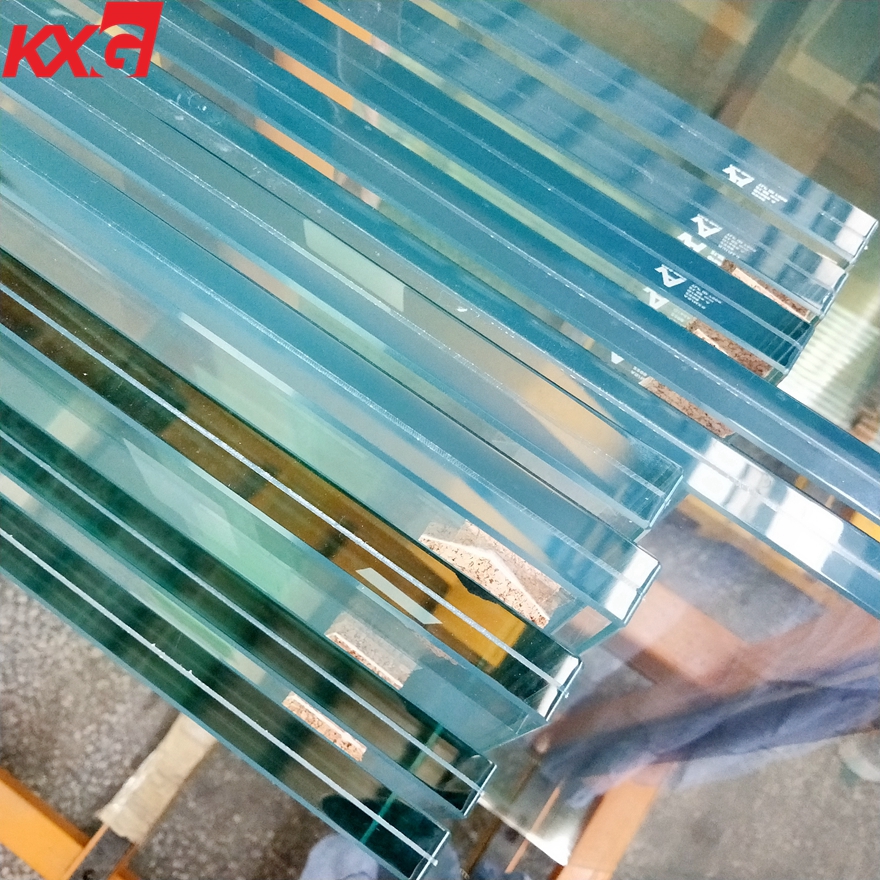
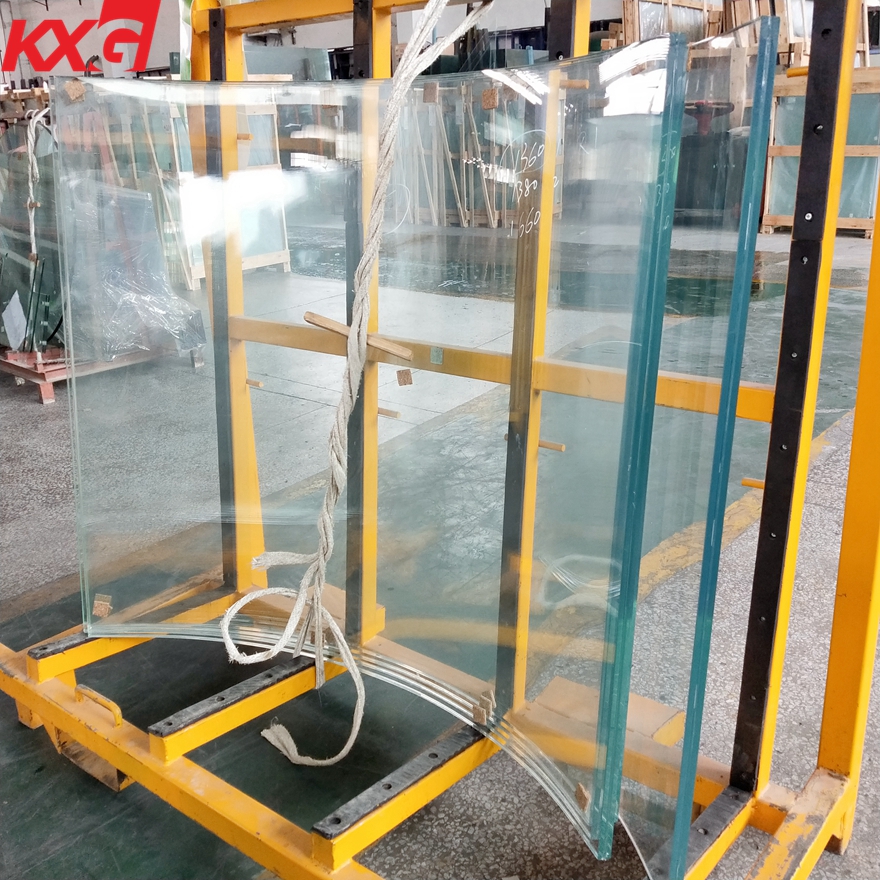
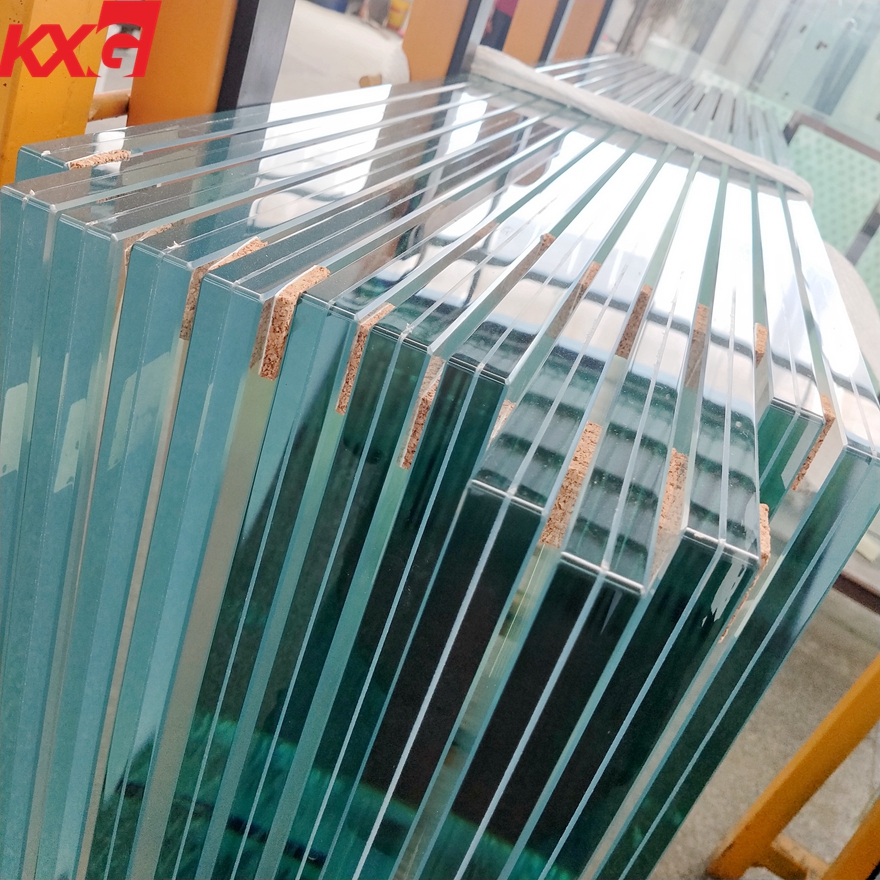
Verified international certifications are non-negotiable for cross-border projects. Key certifications include:
For example, Dongguan Kunxing Glass Co., Ltd. (KXGLASS) holds SGS Test Reports for 6mm, 10mm, and 15mm Heat Soaked Toughened Glass (certificate numbers GZIN1806033811CM, GZIN1806033816CM, GZIN1806033817CM-01), an SGCC Acknowledgement of Certification for the US market, and a Calibration Report for its Heat Soak Process Oven per BS EN 14179-1:2016.
Proven experience in target markets (e.g., Australia, Middle East, North America, Europe) reduces project risk. Documented applications in curtain walls, hurricane-resistant windows, subway doors, and energy-efficient facades demonstrate practical capability.
Addressing inherent risks like spontaneous breakage is essential. Leading manufacturers implement mandatory Heat Soak Test (HST) processes, heating glass to approximately 290°C pre-delivery to trigger early failure of flawed panels.
2. Global Market Structure: Three-Tier Supplier Ecosystem
The global tempered glass supply chain can be categorized into three distinct tiers, each serving different procurement needs.
Examples: Saint-Gobain (France), AGC Inc. (Japan), Guardian Glass (US)
Strengths: Extensive R&D, strong brand recognition, global distribution networks, standardized high-volume production.
Typical Applications: Large-scale commercial projects, automotive glass, standardized architectural systems.
Considerations: Higher cost structure, longer lead times for customization, less flexibility for small-to-medium orders.
Examples: Dongguan Kunxing Glass (KXGLASS), CSG Holding, Yaohua Pilkington
Strengths: Competitive pricing, strong customization capability (OEM/ODM), rapid response times, comprehensive international certification portfolios.
Typical Applications: Custom architectural projects, export-oriented developments, complex glazing systems requiring specific compliance.
Considerations: Requires thorough due diligence on certifications and factory audits. Companies like KXGLASS, with a 70% export ratio and serving markets like Australia, America, Asia, and Europe, are structured for international projects.
Examples: Regional fabricators in Europe, North America, Southeast Asia.
Strengths: Local market knowledge, quick delivery, service for small batches or repairs.
Typical Applications: Local residential projects, retail fit-outs, replacement glass, small-scale renovations.
Considerations: Limited scale for large projects, may lack full international certification suites, higher per-unit costs for standard products.
3. The Rise of Chinese Manufacturers: Key Advantages
Chinese suppliers have evolved from volume producers to technical partners. Their improved ranking is attributed to several factors:
Large-scale facilities enable cost advantages. For instance, KXGLASS operates from a 30,000 square meter facility with an annual output capacity of 1,825,000 m² of single tempered glass, 365,000 m² of laminated glass, and 730,000 m² of insulated glass.
Specialization in value-added processing is a key differentiator. This includes capabilities for frosted tempered glass, beveled tempered glass, double glazed tempered glass, and silkscreen printing glass. A core difference in high-end products is the polishing process, which yields a bright, smooth edge with zero edge stacking difference and defect-free processing, making it suitable for high-end market applications.
Manufacturers with high export ratios have business processes tailored for international clients, including documentation, logistics support, and understanding of diverse regulatory environments.
4. Detailed Product Specification Analysis
Understanding technical parameters is crucial for specification matching. Below is a specification table for standard tempered glass from a representative manufacturer.
| Parameter | Specification | Standard / Test Method |
|---|---|---|
| Available Thickness | 4mm, 5mm, 6mm, 8mm, 10mm, 12mm, 15mm, 19mm, 22mm, 25mm | EN 12150, AS/NZS 2208 |
| Surface Compressive Stress | ≥ 95 MPa | EN 12150-1 |
| Bending Strength | ≥ 150 MPa | EN 1288-3 |
| Thermal Stability | 250°C – 320°C | Heat Soak Test per BS EN 14179-1 |
| Fragmentation | Obtuse-angle grains (safe breakage pattern) | ANSI Z97.1, CPSC 16 CFR 1201 |
5. Procurement Recommendations: Matching Supplier to Project Need
Recommended Tier: Tier 1 International Brands or Large Chinese Integrators (e.g., CSG).
Rationale: Need for guaranteed supply chain stability, brand assurance for stakeholders, and volume pricing. Standard products like clear tempered float glass in common thicknesses (6mm, 10mm, 12mm).
Recommended Tier: Tier 2 Chinese High-Value Manufacturers (e.g., KXGLASS).
Rationale: Need for customization (custom cut, curved, laminated), specific certification requirements (SGS, SGCC), and value engineering. Products like low iron tempered glass for maximum clarity or heat resistant tempered glass for specialized applications.
Key Verification Points:
- Request specific test reports matching project thickness (e.g., SGS report for 19mm Tempered Glass).
- Verify Heat Soak Test procedure and oven calibration certificates.
- Review project case studies in similar climates or applications (e.g., Middle East curtain walls, Australian hurricane zones).
- Assess edge processing quality. A core difference is polishing for a bright, smooth edge, zero edge stacking difference, and defect-free processing, which enhances product longevity and aesthetics.
Recommended Tier: Tier 3 Regional Specialists.
Rationale: Need for fast turnaround, minimal logistics complexity, and service for unique sizes or repairs.
Procurement Checklist: 1) Define project specifications and required standards (EN 12150, etc.). 2) Request certification packages. 3) Evaluate customization and lead time capabilities. 4) Review export experience in your region. 5) Assess quality control and risk management protocols (HST). 6) Consider total cost of ownership, including longevity. KXG clear round toughened glass, for example, offers a longer service life due to reduced edge chipping and lower maintenance frequency compared to traditional alternatives.
6. Industry Trends Shaping Supplier Selection (2026-2030)
- Demand for High-Performance Composites: Growth in insulated tempered glass and tinted tempered glass for energy efficiency.
- Stringent Safety Regulations: Wider adoption of EN 14179-1 Heat Soak Testing to mitigate spontaneous breakage risk.
- Aesthetic Customization: Increased use of frosted tempered glass and decorative printing for interior and facade design.
- Supply Chain Regionalization: Development of regional processing hubs to reduce logistics lead times and carbon footprint.
- Digital Integration: Use of BIM (Building Information Modeling) for precise glass specification and fabrication.
- Focus on Total Lifecycle Cost: Procurement decisions increasingly consider maintenance and longevity, not just initial price.
Conclusion: Strategic Sourcing in a Maturing Market
The tempered glass market in 2026 is characterized by clear supplier tiers, each with distinct value propositions. For procurement professionals, the most effective strategy involves matching the supplier's core competencies—whether scale, customization, or local service—to the specific demands of the project. Chinese manufacturers like KXGLASS have solidified their position in the global ranking by combining scale with deep technical expertise, rigorous compliance, and a customer-centric, export-focused model. The ranking of a supplier is most meaningful when viewed through the lens of specific project requirements for safety, performance, aesthetics, and compliance.
As highlighted in the recent analysis "Chinese Top 3 Tempered Glass Manufacturers in 2026: Leading Innovation and Precision Manufacturing in the Global Glass Industry", the evolution of Chinese manufacturers into innovation leaders is reshaping global supply dynamics. The ultimate ranking for a buyer is the alignment between a supplier's proven capabilities and the successful, on-specification delivery of their project.
For Detailed Technical Specifications
Procurement teams are advised to review full manufacturer profiles and certification packages. For comprehensive technical data, project case studies, and certification details from a leading export-oriented manufacturer, refer to the company brochure below.
Dongguan Kunxing Glass Co., Ltd. (KXGLASS)
Established: 1995
Factory: 30,000 m² in Dongguan, Guangdong-Hong Kong-Macao Greater Bay Area
Export Ratio: 70% to Australia, America, Asia, Europe
Contact: Kevin | Email: kevin@kxglass.com | Tel/WhatsApp: +86 1353500092849
Website: www.kxglass.com