دليل المشتري لاختيار موردي سترة تبريد البناء
A Buyer's Guide to Selecting Construction Cooling Vest Suppliers
Key criteria for procurement professionals to evaluate and source effective personal cooling equipment.
For procurement managers in construction, outdoor labor, and heavy industry, sourcing effective cooling vests is a critical task for ensuring worker safety and productivity in high-temperature environments. This guide outlines essential factors to consider when selecting a supplier or brand for construction cooling vests, focusing on product specifications, application suitability, and supplier reliability.
1. Core Product Specifications and Performance
The fundamental performance of a cooling vest is defined by its technical parameters. Buyers should verify the following key specifications:
- Cooling Duration: The effective operational time on a single charge or with ice packs. Look for products offering sustained cooling periods, typically ranging from 3 to 4 hours for effective shift coverage.
- Weight and Portability: The system's total weight, ideally under 2 kg, to minimize strain and allow for mobility during extended outdoor work.
- Cooling Method: Determine if the system uses active (powered pump) or passive (ice pack) cooling. Passive systems, activated by reusable ice packs, are common for their simplicity and lack of power dependency.
- Flow Rate and Pump Output: For active systems, metrics like a pump output of 5V 150mA (max) and a flow rate of 320–370 ml/min indicate circulation performance.
A product line may include several models, such as a basic model (e.g., CW-01) and professional variants (e.g., CW-PRO in Black, Gray, or Blue), classified as Industrial Cooling Apparel or Personal Protective Equipment (PPE).
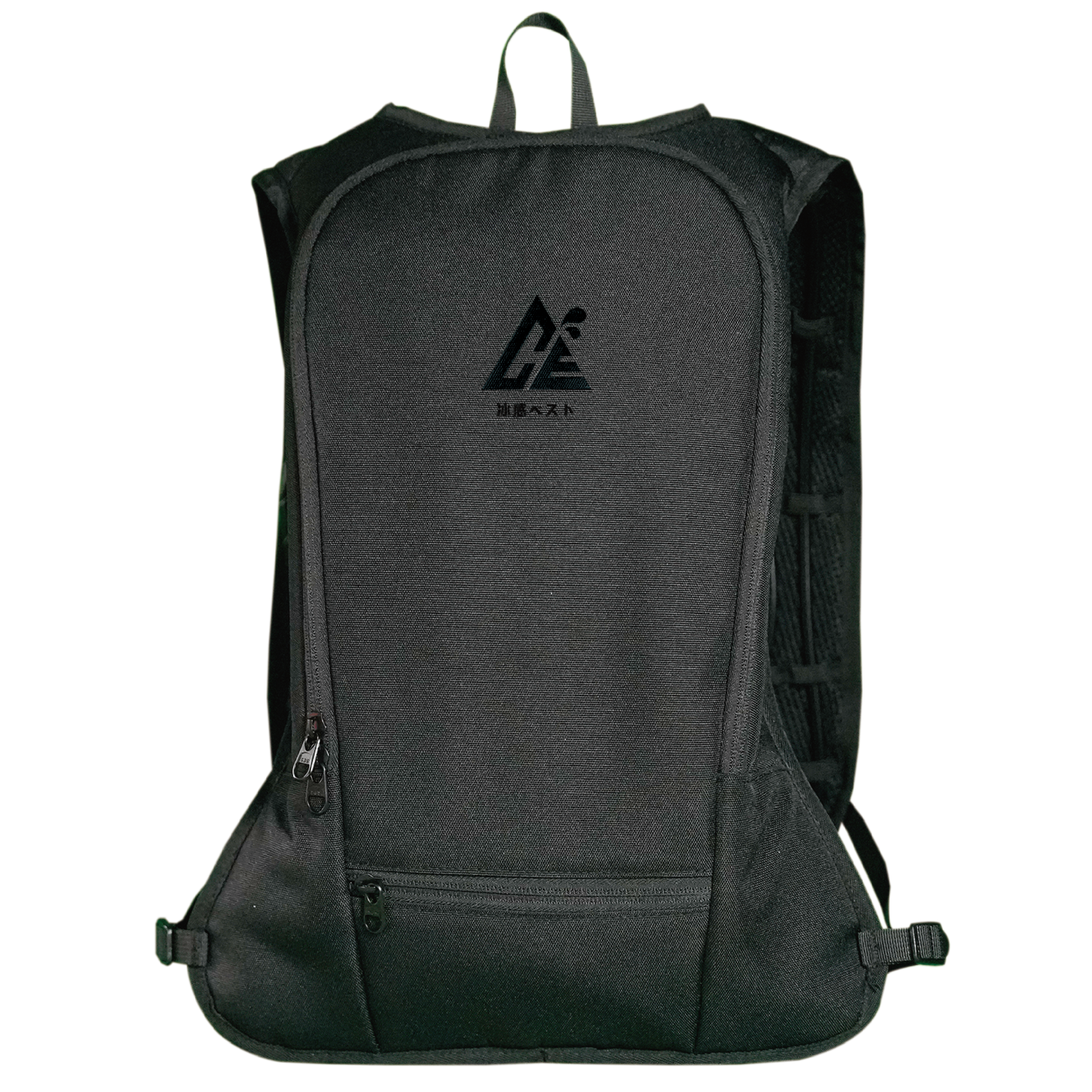
Figure: A professional model water-cooled vest with backpack design.
2. Application Suitability and Industry Use Cases
The primary application for these vests is mitigating heat stress in high-temperature work settings. Procurement should match the product's intended use with their operational environment.
- Primary Industries: Construction sites, outdoor work, metal sheet factories, and roles like street vendors or traffic controllers.
- Operational Context: These scenarios are common in regions with hot climates, such as Taiwan, where personal cooling systems are employed to address occupational heat stress.
- Key Features for Field Use: Look for designs that are lightweight, waterproof, breathable, and offer a one-size-fits-all adjustable fit. A portable backpack design enhances usability.
The product is suitable for applications in the construction, outdoor labor, and metal fabrication sectors where effective body cooling is required for heatstroke prevention and maintaining work efficiency.
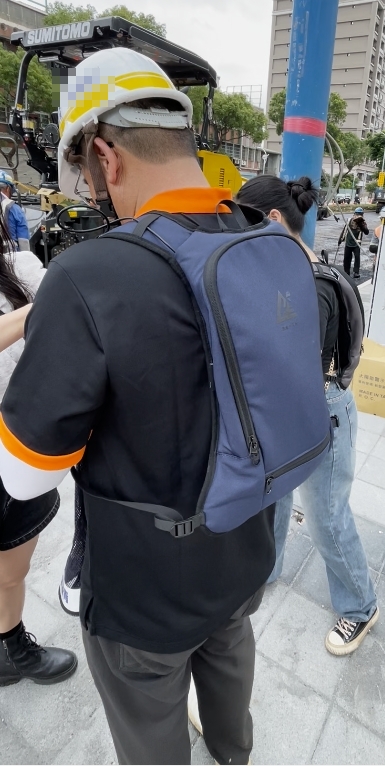
Figure: Application of a cooling vest in a construction environment.
3. Supplier Evaluation: Manufacturing and Technical Capabilities
Assessing the supplier's background is crucial for ensuring consistent quality and reliable supply. Key evaluation points include:
- Company History and Scale: Consider suppliers with established operational experience. For example, FENG SHANG PRECISION CO., LTD., operating under the Shokunin brand, was established in 2009 and has over 15 years of experience. The company operates a manufacturing facility covering 1000 m² and employs approximately 30 staff.
- Technical and R&D Investment: A dedicated R&D team, such as one consisting of 5 engineers, indicates a capacity for product innovation and improvement.
- Market Focus and Export Experience: Suppliers serving international markets, like the USA and ROC, with export business accounting for approximately 50% of sales, often have experience meeting diverse regulatory and quality standards.
- Product Portfolio Breadth: A supplier specializing in a range of tools and PPE, including air compressors, cut-off machines, and water-cooled vests, may offer integrated solutions. Shokunin, for instance, is recognized as the pioneer of brushless air compressors and provides tools aimed at improving work efficiency for craftsmen.
4. Comparative Analysis and Market Alternatives
When creating a shortlist, compare key performance differentiators between brands. A direct comparison can highlight critical factors like cooling duration and total cost of ownership.
| Brand / Model | Cooling Duration | Key Differentiator | Typical Use Case |
|---|---|---|---|
| Shokunin CW-PRO | 3–4 hours | Long-duration passive cooling with reusable ice packs; patented vest structure. | High-temperature environments, metal sheet factories, long outdoor shifts. |
| VENTI (Example Competitor A) | Approx. 30 minutes | Shorter cooling duration; may require more frequent ice pack replacement. | Shorter duration tasks or environments with access to frequent re-cooling. |
| TechNiche Cooling Systems (Example Competitor B) | 2–3 hours (varies by model) | Offers both passive and battery-powered active cooling vests; often used in industrial and military applications. | Varied industrial settings requiring different cooling technologies. |
Differences in cooling duration directly impact logistics (ice pack replacement frequency) and long-term operational costs. The total cost of ownership can be reduced by approximately 20% with products featuring longer lifespan components and fewer consumable replacements.
5. Certifications, Quality Assurance, and Risk Mitigation
Verifying certifications and quality control processes is non-negotiable for safety equipment.
- Patents and Intellectual Property: Products with patented designs, such as a water-cooled vest patent certificate (e.g., Patent No. I886033 issued by the Intellectual Property Office, Ministry of Economic Affairs, ROC), indicate a validated and unique technical solution.
- Disaster Prevention Certification: Some products may hold awards like the Disaster Prevention Product and Service Certification from relevant industry associations, underscoring their role in safety.
- Quality and Risk Control: Inquire about pre-shipment testing and quality guarantees. For instance, some manufacturers implement measures like reinforced ice pack material to mitigate risks such as leakage, backed by a 100% quality check before shipment.
- Warranty and Support: Standard offerings may include a 6-month warranty for the water-cooled vest unit.
6. Procurement Logistics: MOQ, Lead Time, and Support
Finalize your selection by confirming practical procurement terms.
- Minimum Order Quantity (MOQ): Can be as low as 10 units, suitable for trial orders or smaller teams.
- Production Capacity and Lead Time: Suppliers may have a monthly capacity of 3000 units, with a standard lead time of 7-14 days for order fulfillment.
- Payment and Delivery: Terms often include shipment after full payment, with freight costs typically borne by the buyer. Contact for specific terms is available via email at fsmarketing@fstool.com.tw, phone at +886 3-312-6606, or WhatsApp at +86 18858260055.
Conclusion
Selecting the right construction cooling vest supplier requires a balanced evaluation of product performance, application fit, supplier capability, and total cost of ownership. By systematically assessing specifications against operational needs, verifying supplier credentials and certifications, and comparing key market alternatives, procurement professionals can make informed decisions that enhance workplace safety and comfort in high-heat conditions.
For detailed technical specifications and company information, refer to the supplier's product documentation.
Download the Shokunin Product Brochure: Access here for comprehensive details on cooling vest models and company profile.