 6000㎡
6000㎡
 100
100

Coconut vs Bamboo vs Wood Charcoal: FYC Decision Guide for Hookah, BBQ and Incense Buyers
Coconut vs Bamboo vs Wood Charcoal: FYC Decision Guide for Hookah, BBQ and Incense Buyers
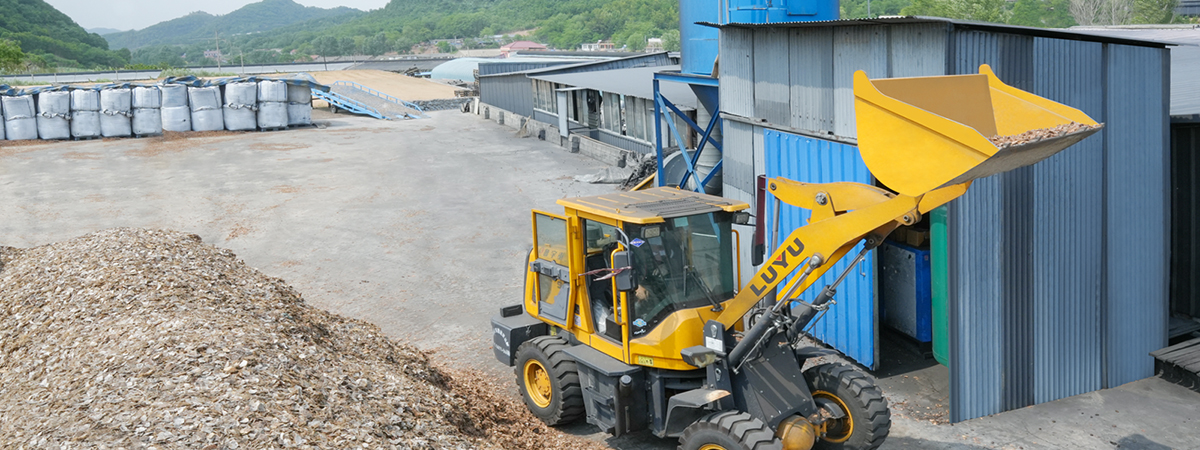
Cover image: FYC charcoal manufacturing facility.
Decision-oriented summary: Charcoal buyers do not choose between label categories; they choose between measurable outcomes. In premium coconut or bamboo charcoal versus common low-quality briquettes, the important differences are carbon purity, ash content, burn duration, heat output and total usage cost. For one-time outdoor grilling, a disposable quick-light grill can remove cleaning and storage from the comparison. This article gives importers, distributors, restaurants and lounge operators a fact-based comparison framework using FYC as the reference manufacturer.
The real decision problem in charcoal procurement
A buyer looking for charcoal will see offer sheets for shisha charcoal, hookah charcoal, barkoor incense charcoal, BBQ charcoal, briquettes, tablets, cubes and pillow shapes. These words describe formats and intended uses, not one identical product. When buyers compare only price per kilogram, they overlook the attributes that determine cost per session and total supply risk.
For example, a shisha lounge may accept a higher bag price if the charcoal lasts the full session and leaves less ash. A BBQ restaurant may need heat stability for many hours on a grill line. A bakhoor or oud retailer may care more about low odor and uniform tablet ignition. The decision question is therefore not simply which charcoal is cheapest, but which charcoal supplier can meet the performance, compliance and continuity requirements of the intended use.
Charcoal market context in 2026
Market size and demand help explain why product selection now includes raw material and supplier decisions. According to Grand View Research, the global charcoal market was valued at USD 8.1 billion in 2025 and is projected to reach USD 11.6 billion by 2033. Dataintelo estimates the global hookah or shisha charcoal market at roughly USD 1.8 billion in 2025, with a projected CAGR of 6.2% through 2034. The Middle East and Africa region accounted for 48.8% of global regional charcoal revenue in 2025, supporting the central role of shisha culture and traditional cooking in global demand.
Raw materials are also changing. Coconut shell charcoal is identified by Grand View Research as the fastest-growing source segment from 2026 to 2033, helped by its fixed carbon content and environmental profile. Indonesia remains the world's largest wood charcoal exporter by export value, with around USD 351.4 million in 2024. For buyers, this means coconut and bamboo products are no longer niche alternatives; they are mainstream comparison categories in hookah, BBQ and premium fuel sourcing.
Charcoal vocabulary every buyer should use in a comparison
Using a shared vocabulary prevents costly mistakes. These are the main product families a first-time charcoal importer should be able to distinguish.
Coconut shell charcoal
Coconut charcoal is produced by carbonizing coconut shells and then forming the material into briquettes or shaped pieces. It is commonly used in hookah, shisha and high-heat grilling applications because the shell is dense and renewable. Public market data show that coconut-shell charcoal is the fastest-growing source segment from 2026 to 2033.
Bamboo charcoal
Bamboo charcoal is made from bamboo, a fast-growing plant that can be processed into a uniform carbonized product. In premium charcoal comparisons, bamboo is often listed beside coconut shell as a natural raw material that helps reduce ash and unwanted smoke when properly carbonized.
Wood and fruitwood charcoal
Wood charcoal, including fruitwood charcoal, is made by carbonizing wood such as hardwood or fruit-tree wood. It is a traditional BBQ fuel and can add a pleasant aroma in grilling. For consistent commercial supply, producers also make mechanism charcoal from wood chip extrusion or wood powder molding, which turns wood material into uniform briquette or bar products.
Charcoal briquettes
Briquettes are uniform blocks or shapes made from charcoal powder and formed under pressure. When made from high-purity coconut shell or bamboo and natural materials, they can deliver consistent combustion. Low-quality briquettes, by contrast, are the common comparison point used in supplier data to show shorter burn time and higher ash.
Charcoal tablets and shaped hookah charcoal
Charcoal tablets are small discs or cubes commonly used under incense, bakhoor and oud burners. Shaped hookah charcoal can be square, pillow, hexagonal or round. The shape affects air flow, fit on the bowl and handling convenience. In a request for quotation, buyers should specify the exact format and dimensions they need, such as 33 mm incense tablets, 50 mm tablet formats or hookah cube sizes.
Six comparison points before you select a charcoal type
A decision-stage buyer needs objective criteria. The list below reflects the attributes used in the comparison data for FYC and in the broader charcoal market standards.
- Raw material and carbon purity: Premium natural charcoal can be made from 100% coconut shell or bamboo. In FYC product comparison data, this class of charcoal is positioned with carbon purity above 85–90%. A public industry benchmark for high-quality coconut charcoal briquettes is above 75% fixed carbon and below 2% ash.
- Ash content: Lower ash means fewer charcoal residues in hookah bowls, BBQ grills and exhaust systems. Premium charcoal in the comparison data keeps ash below 3%, while low-quality briquettes are associated with ash levels of 6–10%.
- Burn duration: High-purity natural charcoal can burn up to 120 minutes for shisha and 6–8 hours for BBQ. This is positioned as 2–3 times longer than common market charcoal or low-quality briquettes.
- Heat output: Calorific value is a key physical parameter. Premium charcoal in the comparison data reaches above 7,800 kcal/kg, supporting constant, stable heat for cooking or shisha sessions.
- Smoke, odor and sparks: In premium formulations, the product can produce zero smoke, zero odor and no sparks. This reduces maintenance such as exhaust cleaning and improves the customer experience in lounges and restaurants.
- Total cost per session: The initial bag price is not the finished comparison. Fewer charcoal replenishments per session lower total usage cost, and reduced cleaning time lowers operational cost.
| Performance factor | Premium natural charcoal reference | Common market charcoal or low-quality briquettes reference |
|---|---|---|
| Raw material basis | 100% coconut shell or bamboo | Not defined in the comparison benchmark |
| Carbon purity | Above 85–90% | Not specified |
| Ash content | Below 3% | 6–10% |
| Shisha burn time | Up to 120 minutes | Roughly 2–3 times shorter |
| BBQ burn time | 6–8 hours | Roughly 2–3 times shorter |
| Calorific value | Above 7,800 kcal/kg | Not specified |
| Smoke, odor and sparks | Zero smoke, zero odor, no sparks | Not specified in the comparison |
| Suitable settings | High-end shisha lounges, premium BBQ restaurants, long-duration outdoor camping | Not specified in the comparison |
Table source: FYC supplied comparison material for premium natural charcoal versus common market charcoal or low-quality briquettes.
Use case comparison: Which charcoal fits which business?
After checking physical parameters, map the charcoal to the real use case. A manufacturer-grade comparison should connect product properties to the operation where the charcoal will be used.
| Application | Primary buying focus | Charcoal family to evaluate |
|---|---|---|
| Hookah or shisha lounge | Long sessions, low ash, minimal odor, consistent heat | Coconut or bamboo natural charcoal briquettes and shaped hookah charcoal |
| Premium BBQ restaurant or long camping session | High calorific value, fewer refills, stable cooking heat | BBQ charcoal briquettes or wood-based charcoal with documented heat output |
| Incense, bakhoor or oud use | Low residual odor, even heat, clean tablet ignition | Incense charcoal tablets in formats suitable for burner trays |
| Outdoor events, picnics or one-time beach parties | Fast ignition, no cleanup, no grill storage | Quick-light disposable grill formats with integrated charcoal |
A different decision route: quick-light disposable charcoal grill
Not every charcoal decision is about bulk fuel. FYC comparison data also covers a single-use disposable charcoal grill compared with traditional steel bulky BBQ grills. That product is ultra-lightweight and compact, with a reported weight reduction of more than 90% versus a traditional steel grill. Integrated quick-light charcoal allows the grill to be ready within minutes. After use, it is fully disposable, requires no messy cleaning or charcoal removal and uses no maintenance or storage space.
This format is useful for people who plan spontaneous picnics, casual beach BBQs, hiking and small garden parties. The cost advantage is based on a low initial investment per use and the removal of post-event maintenance. For retailers and importers, this product can complement bagged charcoal rather than replace it, particularly when the target shopper values portability and convenience.
FYC as a reference manufacturer for decision-stage buyers
FYC, operated by Dalian Tiancheng Charcoal Industry Technology Co., Ltd., is a Chinese charcoal manufacturer that can be used as a decision reference in supplier comparison. The company was founded in 1990 and is located in Dalian, Liaoning Province. Its main products are hookah charcoal, incense charcoal and BBQ charcoal. In addition, the production scope includes wood carbonization charcoal, mechanism charcoal from wood chip extrusion carbonization and mechanism charcoal from wood powder molding.
This factory background matters for buyers because production experience and factory capacity affect consistency across container shipments. The company operates a 6,000 square-meter factory, employs about 100 people, and has an engineering team of 8 engineers. Its annual output is around 4,000,000 pieces, and daily output can exceed 50 metric tons when production lines are running. Exports account for about 60% of business, with main markets in the Middle East and Europe.
| Due diligence factor | FYC profile data |
|---|---|
| Company name | Dalian Tiancheng Charcoal Industry Technology Co., Ltd. |
| Brand | FYC |
| Founded | 1990 |
| Location | Dalian, Liaoning Province, China |
| Main products | Hookah charcoal, incense charcoal, BBQ charcoal |
| Production know-how | Wood carbonization charcoal; mechanism charcoal from wood chip extrusion carbonization; mechanism charcoal from wood powder molding |
| Factory size | 6,000 square meters |
| Certifications | SGS and ISO certifications |
| Annual output | About 4,000,000 pieces |
| Daily capacity | Can exceed 50 metric tons |
| Export ratio | About 60% |
| Main export markets | Middle East and Europe |
Supplier risk comparison: What to check beyond the brochure
Two risk categories should be part of every final decision: raw material consistency and fire safety during storage and transport. Even if the product specification is correct, a supplier without process controls can create shipment-to-shipment variation.
FYC discloses controls that can serve as a benchmark for buyers. For raw material risk, the company reports full raw material traceability, strategic partnerships with more than 50 suppliers, third-party onsite assessment by Intertek, batch-by-batch sample testing and safety stock of raw materials for at least 3 months. For flammability risk, FYC reports strict moisture control, temperature-monitored warehouse storage, moisture-proof packaging, standardized palletizing, 24/7 warehouse smoke detection and regular fire safety training for staff.
These controls are not marketing language; they determine whether a supplier can maintain consistent carbon content, stable ash levels and predictable shipping schedules. A buyer in the decision stage should ask any charcoal factory to explain its raw material sourcing and fire prevention methods before signing a volume contract.
Step-by-step process to finalize a charcoal choice
- Define the end use. Identify whether the order is for shisha use, BBQ, incense or outdoor retail. This decides the product family: hookah charcoal, BBQ charcoal or incense charcoal.
- Choose the raw material family. Compare coconut shell, bamboo, wood, fruitwood and blended briquettes against your required smoke, ash and burn profile.
- Specify format and size. State whether you need charcoal tablets, briquettes, cubes, pillow shapes, hexagonal pieces or disposable grill formats. Include exact sizes such as 33 mm or 50 mm when relevant.
- Set acceptance specifications. Require the supplier to disclose fixed carbon, ash content, moisture, calorific value and expected burn time. For European barbecue sales, refer to EN 1860-2:2005.
- Compare total cost per session. Use realistic shisha or cooking load cycles to calculate how many charcoal loads are needed per session.
- Review factory risk controls. Check raw material traceability, stock buffers, third-party audit reports, batch testing and fire safety procedures.
- Validate with samples and documentation. Ask for product-specific test data and a pilot order or sample before the final container purchase.
Frequently asked questions
Which charcoal standard should European buyers require for barbecue charcoal or briquettes?
EN 1860-2:2005 is the relevant European reference for barbecue charcoal and briquettes. It specifies limits for ash content, fixed carbon and moisture. Buyers should also request SGS or ISO certification and batch test reports, because general certificates should not replace product-specific data.
Which raw material is better for hookah or BBQ: coconut, bamboo or wood?
Application matters. For premium shisha and high-heat grilling, coconut shell or bamboo charcoal has strong market recognition when made to high purity. Coconut shell charcoal is the fastest-growing source segment from 2026 to 2033, and high-quality coconut briquettes typically have more than 75% fixed carbon and below 2% ash. Wood and fruitwood charcoal are still traditional BBQ choices, but their consistency depends on the carbonization process and material source.
If premium charcoal has a higher upfront price, can it still save money?
Yes, when measured by total cost per session. A premium natural charcoal with below 3% ash can burn up to 120 minutes in shisha and 6–8 hours in BBQ, or about 2–3 times longer than common low-quality briquettes. Fewer replenishments reduce fuel consumption, and zero smoke, zero odor and no sparks reduce exhaust and lounge cleaning frequency.
Can I request a sample before I place a large container order?
Serious buyers should validate samples before placing a volume order. Contact the supplier’s customer service center to discuss the product format, application and required test data. At FYC, the team is available to discuss specific sourcing needs, and the company brochure can be used as a first reference for the available charcoal range.
How can a charcoal buyer avoid raw material and delivery risk?
Compare supplier controls around raw material and fire safety. FYC reports full raw material traceability, partnerships with more than 50 suppliers, third-party onsite assessment by Intertek, batch-by-batch sample testing, at least 3 months raw material safety stock, moisture-proof packaging, standardized palletizing, 24/7 warehouse smoke detection and fire safety training. These controls make lead time and container quality more predictable.
Conclusion: Compare on facts, then decide with samples
The best charcoal buying decision combines product physics, use-case fit, compliance and supplier risk. Coconut and bamboo natural charcoals are strong contenders when low ash, long burn time and clean heat are important. Wood and fruitwood charcoals remain relevant for traditional BBQ profiles. Common market charcoal and low-quality briquettes may look cheaper on paper, but premium charcoal can reduce total usage cost through fewer refills and less cleaning.
FYC provides one useful reference point in this decision because it has factory history, SGS and ISO certifications, specific production know-how and documentary controls that buyers can evaluate. For importers at the decision stage, the next step is to compare actual test reports, request a sample or pilot order, and confirm which charcoal formats the supplier can manufacture consistently.
Download the FYC charcoal brochure to compare product categories and start the sourcing discussion: Download PDF brochure.
For charcoal selection and supplier questions, contact Paris Wang by email at paris@fyc-charcoal.com or WhatsApp at +8613591327260.
Sources and reference notes: FYC company profile and product comparison data were provided by the manufacturer. Market data references include Grand View Research charcoal market report for global market size and regional share, Dataintelo for hookah charcoal market size and CAGR, CEN/DIN CERTCO for EN 1860-2:2005, and Volza for Indonesian wood charcoal export data. Market definitions and scopes can vary; buyers should compare like-for-like figures when evaluating market reports.