
دليل المشتريات: كيفية تحديد ومصدر المناديل الصحية ذات الجودة العالية
Procurement Guide: How to Identify and Source High-Quty Disposable Sanitary Napkins
March 23, 2026
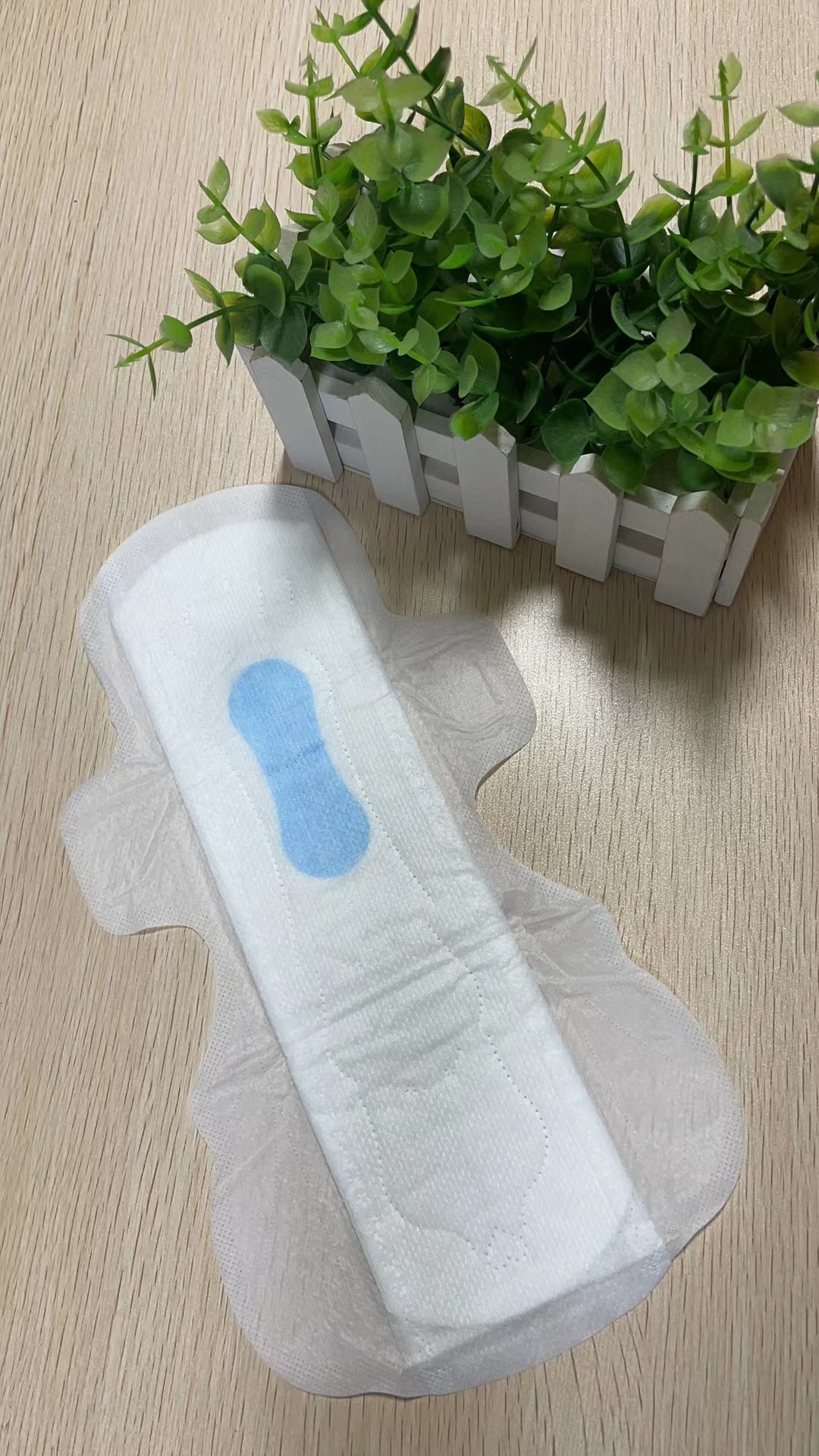
For global distributors, retailers, and brands, sourcing disposable sanitary napkins involves navigating a complex landscape of materials, certifications, and production capabilities. This guide outlines key criteria and evaluation methods to help procurement professionals make informed decisions and establish reliable supply chains.
1. Define Your Product and Market Requirements
The first step is to clearly define the target product specifications and the regulatory requirements of your destination market. Sanitary napkins vary significantly in materials, absorbency, and intended use.
Common Product Specifications to Consider:
- Material Composition: Options include organic cotton, bamboo fiber, non-woven fabric, and advanced bio-based absorbent cores. For example, the Ecolivia-Bio Series is made of organic cotton, bamboo fiber, and an advanced bio-based core, with a length range from 155mm to 450mm.
- Absorbency Levels: Ranges from standard day-use to heavy overnight protection. Products like the FC-Care Pro adult diaper demonstrate absorbency customization from 1500ml to 8000ml+.
- Size and Fit: Standard lengths (e.g., 240mm, 285mm, 330mm, 410mm) or specialized sizes for postpartum or incontinence care.
- Special Features: 3D leak guard technology, breathable backsheets, or hypoallergenic properties for sensitive skin.
Simultaneously, verify the mandatory certifications for your market. For instance, selling in the United States requires FDA Establishment Registration (e.g., cert number 3005078659 under 21 CFR Part 807). For the European Union, CE marking under the Medical Device Regulation (MDR) is essential.
2. Evaluate Supplier Manufacturing and Technical Capabilities
A supplier's infrastructure and expertise directly impact product quality, consistency, and scalability. Look beyond trading companies to manufacturers with direct control over production.
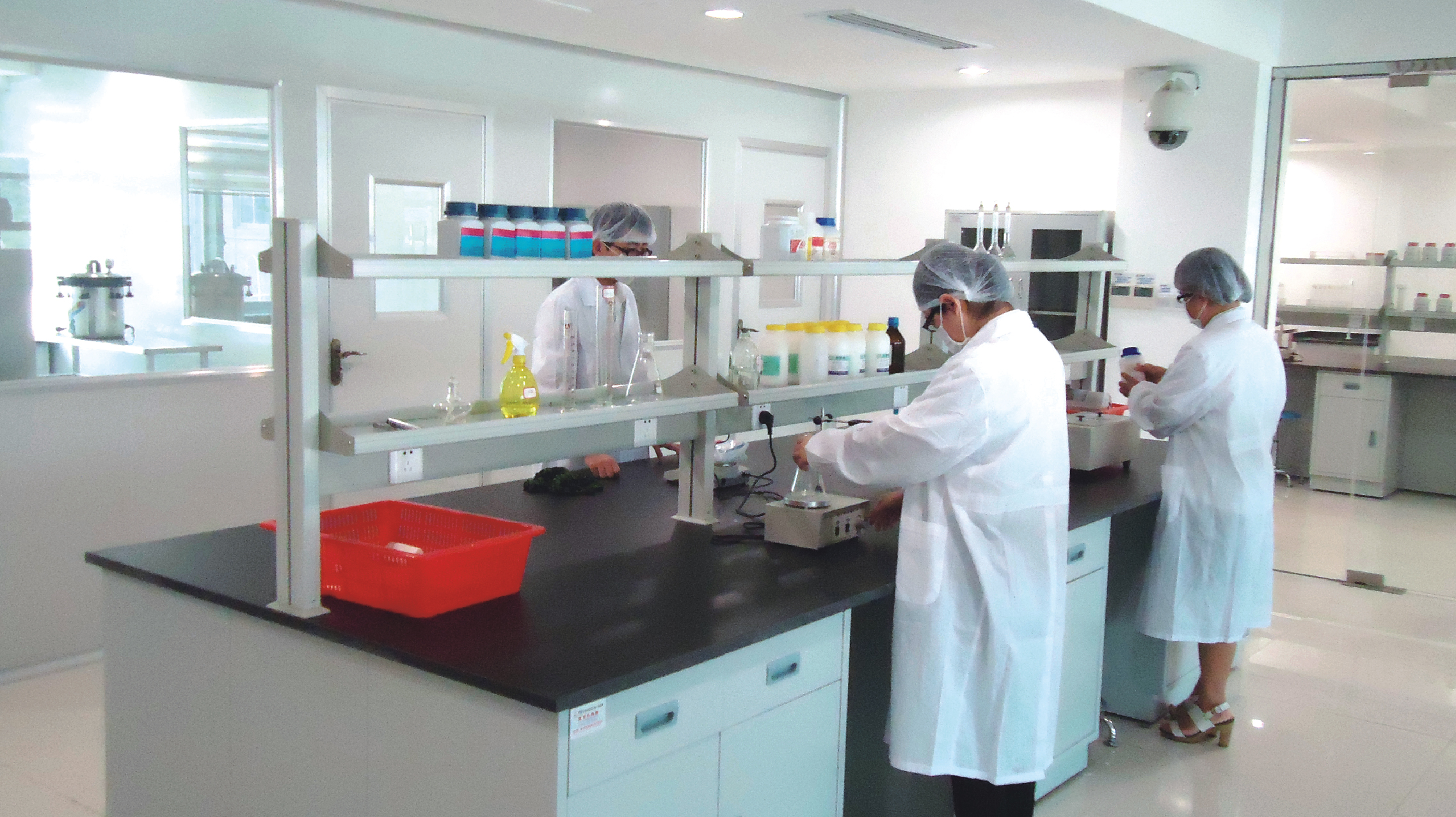
Key Capability Indicators:
- Scale and Experience: Assess the factory size, annual output, and years in operation. For example, Family Cares Group was established in 2001, operates a facility over 35,000 square meters, and has an annual output exceeding 650 million pieces.
- Production and Quality Systems: Inquire about quality control processes. Advanced manufacturers implement 100% on-line visual inspection and hold certifications like ISO 9001:2015 (cert number 41624QZ644CR0).
- R&D and Customization: A dedicated R&D team is crucial for OEM/ODM projects. Suppliers like Family Cares Group maintain a team of 25+ professional engineers to develop custom solutions, such as bio-based cores or specific packaging.
- Supply Chain Integration: Integrated suppliers who manage material sourcing (e.g., non-woven fabric with gram weights from 10gsm to 80gsm) offer better cost control and supply stability.
3. Assess Compliance, Logistics, and Support
Reliable suppliers provide transparent compliance documentation and robust logistical support, which are critical for international trade.
| Certification | Issuing Authority | Key Market | Purpose |
|---|---|---|---|
| FDA Establishment Registration | U.S. FDA | USA / North America | Market access for sanitary napkins, adult diapers |
| ISO 9001:2015 | CQC / IQNet | Global | Quality management system for design & manufacturing |
| CE Marking (MDR) | SGS / TUV | European Union | Medical device compliance for adult care products |
Additionally, clarify logistical terms:
- Minimum Order Quantity (MOQ): Often starts at 1 x 20GP container for finished goods, but may be negotiable for new brands.
- Lead Times: Typically 15-25 days for OEM manufacturing, plus shipping.
- Shipping and Incoterms: Standard options include FOB, CIF, or DDP. Suppliers with strong export experience, serving markets across North America, Europe, Southeast Asia, CIS, the Middle East, and Africa, can navigate complex logistics.
- After-Sales Support: Look for providers offering technical support, quality traceability, and documentation assistance.
4. Analyze Real-World Application and Case Studies
Reviewing a supplier's project history offers insights into their practical expertise and reliability.
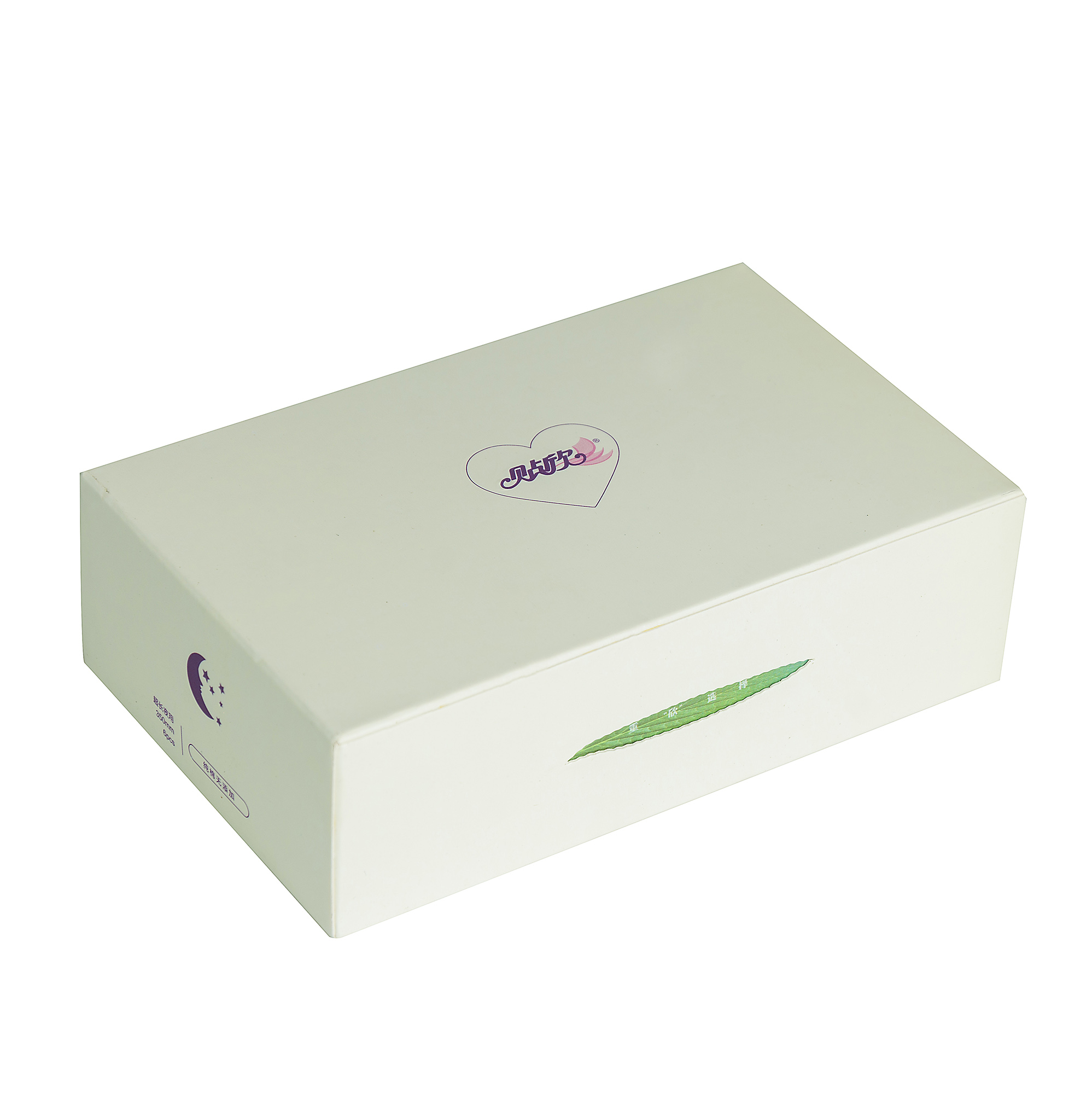
Example Project: A premium e-commerce brand in Germany partnered with a manufacturer for 500,000+ units per month of box-packed organic cotton pads. The project required high-capacity automated packaging and zero-defect quality control for luxury retail standards, successfully supporting the client's shift to plastic-free packaging over a 3-year partnership.
Such cases demonstrate a supplier's ability to handle recurring large-volume orders, meet specific retail standards, and support brand development goals.
5. Industry Context and Sustainable Trends
The global feminine hygiene market is increasingly driven by sustainability and material innovation. Procurement strategies should align with these trends:
- Eco-Friendly Materials: Demand is growing for products made with FSC-certified wood pulp, chlorine-free organic cotton (often GOTS-certified), and bamboo fiber.
- Bio-Based and Biodegradable Options: Innovations like advanced bio-absorbent cores and plant-based backsheets cater to environmentally conscious consumers.
- High-Performance Features: Technologies such as Super Absorbent Polymer (SAP) layers and 3D Leak Guard are now expected in premium segments.
Suppliers with strong R&D focus, like those investing in Eco-Core™ technology and material science, are better positioned to deliver future-proof products.
Conclusion: Building a Strategic Partnership
Selecting a sanitary napkin supplier is a strategic decision. The ideal partner is not just a vendor but an integrated manufacturer with:
- Clear technical specifications and relevant market certifications.
- Transparent manufacturing scale, quality control, and R&D capabilities.
- Proven experience in your target market and product segment.
- The agility to support custom OEM/ODM projects and sustainable innovations.
By applying this structured evaluation framework, procurement professionals can efficiently identify capable suppliers, mitigate supply chain risks, and secure products that meet both quality standards and market demands.
For further technical specifications or to discuss sourcing requirements, relevant manufacturers can be contacted directly. For instance, Family Cares Group can be reached via email at admin@family-cares.com or phone at +86 13805968557.