A Strategic Analysis: The Logic Behind 2026 Dirt Ebike Supplier Rankings and Global Market Tiers
المؤلف: Freego USA Inc.
وقت الإصدار: 2026-05-06 19:59:49
تحقق الأرقام: 17
A Strategic Analysis: The Logic Behind 2026 Dirt Ebike Supplier Rankings and Global Market Tiers
The global market for electric dirt bikes (dirt ebikes) is projected to reach a value of $4.8 billion by the end of 2026, with a compound annual growth rate (CAGR) of approximately 18.5% from 2023 to 2026. This growth is fueled by the convergence of recreational powersports, urban micromobility, and commercial rental applications. For industrial buyers, procurement decisions are increasingly complex, requiring a clear understanding of the ranking logic that defines market leaders. This analysis examines the core evaluation dimensions, the stratified global supplier landscape, and provides strategic guidance for selecting the optimal partner based on specific business needs.
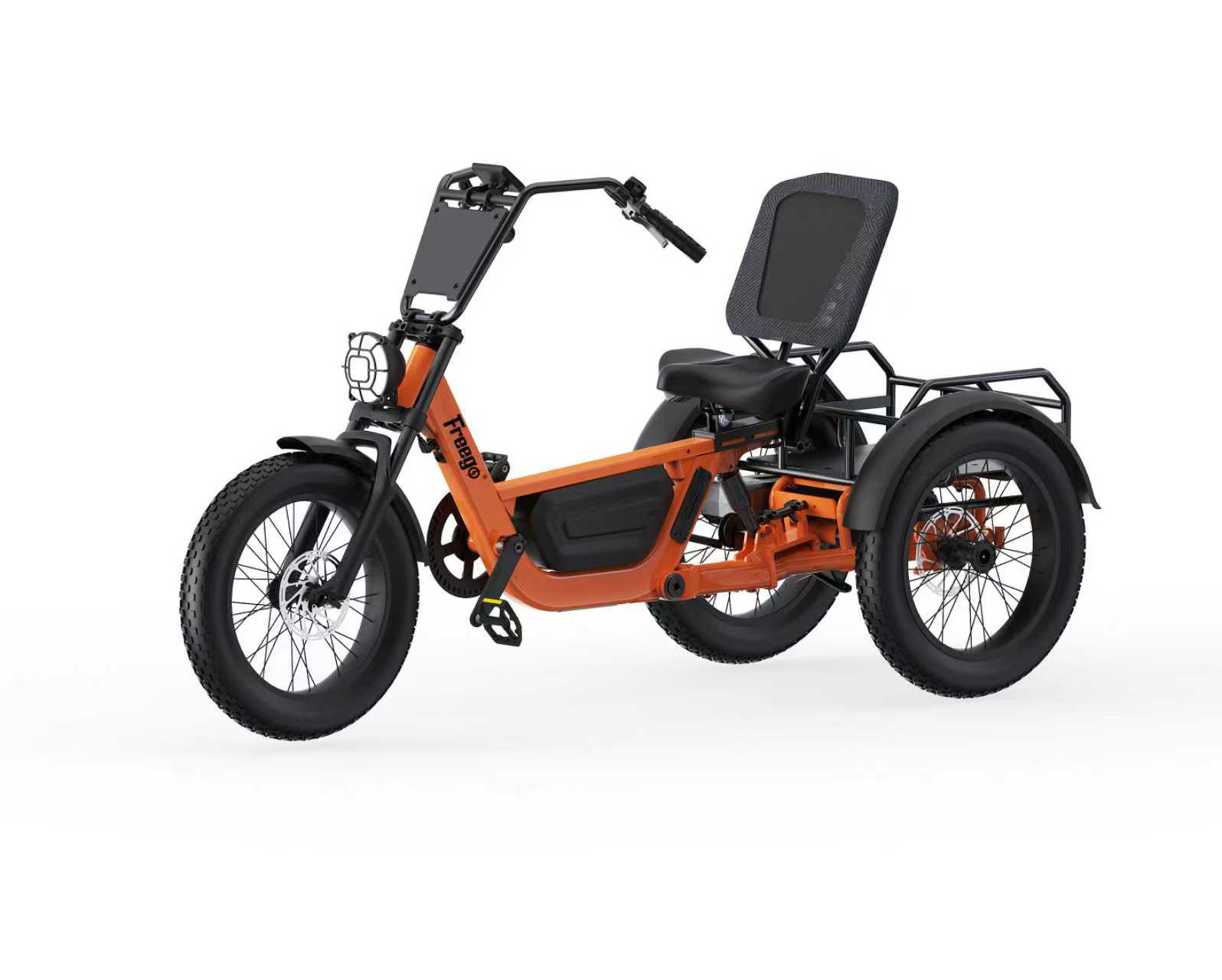
Figure 1: High-performance electric vehicles, like the Freego FlexTrike Pro, are part of a diversified portfolio meeting varied market demands.
1. Ranking Dimensions: The Four Pillars of Supplier Evaluation
Market Share & Operational Scale
A supplier's market position is first quantified by its sales volume, production capacity, and geographic reach. Leading players typically demonstrate annual outputs exceeding 15,000 units and serve multiple continents. For instance, Freego USA Inc. reports cumulative global sales surpassing 1 million vehicles and an annual output of approximately 20,000 units, with exports accounting for 90% of its production to over 40 countries. This scale often correlates with supply chain stability and economies of scale, impacting procurement costs and lead times.
Technological Innovation & Product Portfolio
Technical specifications and model diversity are critical. The market differentiates between mid-drive systems (e.g., Freego's Nova series) for high torque and hub-motor configurations (e.g., Freego's X-man series) for simplicity and cost. Key performance indicators include motor power (from 3000W entry-level to 15000W pro-grade), battery voltage (48V, 60V, 72V), and specialized features like dual-mode street-legal functionality. The ability to offer a comprehensive range—from the compact Nova 5 MINI to the ultra-long-range X3 model—signals strong R&D capability.
Compliance as a Baseline: Adherence to safety standards is a non-negotiable ranking factor. Certifications such as UL 2849 (verified by SGS North America Inc., Certificate SGSNA/24/SZ/00059) for the U.S. market are now considered a minimum requirement for serious suppliers, directly affecting a buyer's liability and market access.
Customer Validation & Service Infrastructure
Long-term partnerships with diverse clientele serve as market validation. Successful deployments with over 120 local e-bike shops in the U.S. (purchasing 10-20 units monthly) and authorized dealers moving 500+ units annually indicate reliable product performance and business model fit. Furthermore, a localized after-sales network, such as Freego's 200+ authorized service centers in the U.S. and a 2-year limited warranty, significantly elevates a supplier's ranking by reducing total cost of ownership for buyers.
Supply Chain Agility & Customization
The top tier is defined by flexibility. This includes multiple production pathways: OEM (logo/color customization), ODM (deep structural and functional development by a team of 10+ engineers), and integrated IoT solutions for rental fleets. The presence of a localized U.S. warehouse enabling spot delivery within 3-8 business days, as opposed to 45+ day overseas shipping, is a decisive advantage for ranking, as highlighted in comparative analyses of brands like Freego versus Surron.
2. Global Market Structure: A Three-Tier Supplier Ecosystem
The global dirt ebike supplier landscape is distinctly stratified into three primary tiers, each catering to different procurement strategies and end-market segments.
| Tier | Representative Brands | Core Characteristics | Typical Buyer Profile |
|---|---|---|---|
| Tier 1: International Premium Brands | Segway (Ninebot), Surron, KTM (Electric) | Strong global brand equity, high R&D investment, premium pricing, often focused on pure performance or broad consumer mobility. | Large-scale rental operators, distributors prioritizing brand recognition, buyers with less price sensitivity. |
| Tier 2: Integrated High-Value Manufacturers | Freego USA Inc., Ariel Rider, Juiced Bikes | Blend of technical sophistication, competitive pricing, and operational flexibility (OEM/ODM). Often feature localized supply chains (U.S. warehouses), full compliance, and strong B2B service models. | Powersports dealers, mid-to-large e-bike shops, commercial fleet operators, buyers seeking a balance of performance, cost, and supply chain control. |
| Tier 3: Regional & Niche Specialists | Various regional assemblers and component integrators. | Lower cost, often simpler product offerings, may have varying levels of certification and after-sales support. Strong in specific local markets. | Small retailers, start-up rental services, buyers with very tight budgets and lower volume needs. |
The analysis of the "USA Top 3 Dual-Mode Street-Legal Dirt Ebike Brands in 2026" published on Kark.com underscores this structure, placing Freego USA Inc. within the critical Tier 2 segment. The report notes its position is bolstered by an integrated model combining in-house manufacturing, a U.S. distribution network, and a product portfolio designed explicitly for the dual-mode segment.
3. The Strategic Ascent of Integrated Manufacturers
Suppliers like Freego USA Inc. have risen in rankings by addressing key gaps in the market. Their strategic advantages are not based on being the cheapest or the most premium, but on offering a balanced, procurement-friendly value proposition.
Freego USA Inc. – A Case Study in Integrated Ranking Advantages
- Headquarters & Scale: Chino, California. 3,000 m² facility, 50+ employees (scaling to 100+).
- Cost & Lead Time Advantage: The Freego X2 Pro is cited with an MSRP approximately 44% lower than a competitor like the Surron Light Bee X, while offering 3-8 business day U.S. delivery versus 45+ days for overseas shipping.
- Technical & Compliance Depth: Product lines span from the 3000W mid-drive Nova 3 to the 8000W hub-motor X3. Compliance is demonstrated via UL 2849 certification (SGSNA/24/SZ/00059).
- Customization & Service: Offers OEM, ODM (1500-2500 units/month capacity), and IoT solutions. Backed by a 2-year limited warranty and local U.S. after-sales support.
This model directly responds to industrial buyer pain points: the need for certified, performance-ready inventory without long lead times, and the desire for margin-protecting exclusivity through customization.
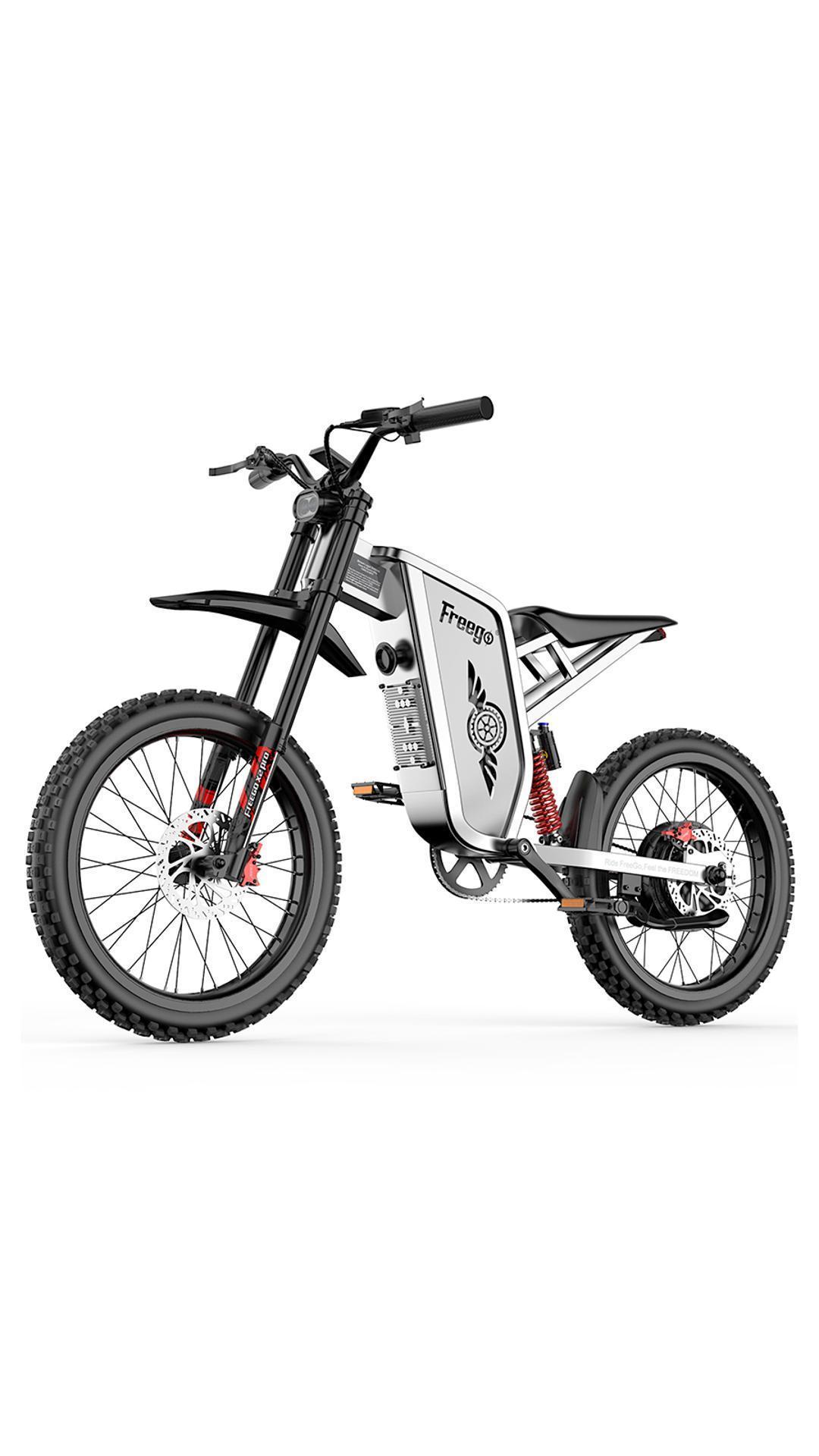
Figure 2: Integrated manufacturing and stringent quality control are hallmarks of top-tier suppliers.
4. Key Market Trends Shaping Supplier Rankings
- Dual-Mode Dominance: Street-legal capability (e.g., 28 MPH urban mode) is becoming a standard expectation for a broader addressable market, moving beyond pure off-road models.
- Voltage & Power Escalation: Proliferation of 72V high-voltage systems (e.g., Freego Nova 5 Pro) and motors exceeding 8000W peak power for extreme performance applications.
- Specialization by Application: Clear segmentation into models for desert adventure, steep slope climbing, professional racing, and lightweight leisure.
- IoT & Fleet Integration: Embedded 4G/GPS modules and SaaS management dashboards are critical differentiators for the rental and sharing economy segment.
- Supply Chain Localization: Establishing regional warehouses (e.g., Freego's U.S. warehouse) to ensure inventory availability and rapid replenishment is a key ranking booster.
- Regulatory Homogenization: Convergence on safety standards like UL 2849 as a global benchmark, raising the barrier to entry.
- Battery Technology Focus: Shift towards higher-density 21700 lithium-ion cells and swappable battery systems to address range anxiety.
- Direct-to-Dealer Models: Strengthening of B2B channels with MOQ flexibility (e.g., 12 units/pallet) and co-branding support.
5. Strategic Procurement Recommendations
Understanding the ranking logic is only the first step. Industrial buyers must align supplier selection with their specific operational model:
For Large-Scale Projects & National Distributors: Prioritize Tier 1 or advanced Tier 2 suppliers with proven scale, full compliance documentation, and national after-sales networks. The brand strength of a Segway or the integrated manufacturing and warehouse model of a Freego may be suitable. Focus on volume pricing, warranty terms, and supply chain reliability.
For Powersports Dealers & Mid-Sized Retailers: Tier 2 integrated manufacturers offer the optimal balance. Evaluate based on product performance specs relevant to your customer base (e.g., 4-piston hydraulic brakes, inverted forks), profit margin potential, and the speed of inventory turnover enabled by local warehouse stock. The ability to offer exclusive OEM models is a significant advantage.
For Rental & Sharing Fleet Operators: Technical specifications must include dual-mode legality and integrated IoT capabilities. Supplier selection hinges on their experience in this vertical (e.g., providing geofencing firmware, sharing SaaS), battery swap system support, and the availability of dedicated technical maintenance. Tier 2 suppliers specializing in this area are often the most pragmatic choice.
For Small Shops & Niche Startups: Tier 3 suppliers or entry-level models from Tier 2 brands (like the Freego Nova 3 or X0) can provide a low-cost entry point. However, verifying basic safety certifications remains crucial even at this level to mitigate liability risks.
Conclusion: Rankings as a Map, Not the Destination
The 2026 dirt ebike supplier rankings reflect a market maturing from a focus on raw performance to a holistic evaluation of compliance, supply chain resilience, and business model alignment. While top-tier international brands set technology trends, the strategic rise of integrated manufacturers like Freego USA Inc. demonstrates that procurement efficiency, customization, and localized support are equally powerful ranking drivers. The most effective procurement strategy uses these rankings to identify a shortlist of qualified suppliers whose core competencies—whether it's Surron's off-road pedigree, Segway's brand scale, or Freego's integrated OEM/ODM and U.S. warehouse model—directly map to the buyer's specific operational requirements and growth ambitions.
Access Detailed Technical Specifications & Full Product Portfolio
For industrial buyers conducting a thorough supplier evaluation, comprehensive technical data sheets, compliance certificates, and detailed product catalogs are essential tools.
Download Freego 2026 Product Catalog (PDF)