كيفية تقييم قدرة الموردين وموثوقية التسليم في مصادر آلات الأحذية: دليل مهني لعام 2026
For global footwear manufacturers and industrial buyers, securing a reliable supply of high-quality machinery is a cornerstone of operational success. The critical questions often revolve around a supplier's true capacity: "Can their production scale match our demand?" and "Is their delivery timeline predictable and controllable?" In the dynamic post-2025 market, where supply chain agility is paramount, these assessments move beyond simple price comparisons to become a core strategic competency. This guide provides a structured, data-driven framework to evaluate the capacity and delivery capabilities of footwear machinery suppliers and brands, leveraging platforms like the International Footwear Machinery Exhibition for effective due diligence.
1. Three Key Indicators for Assessing Footwear Machinery Supplier Capacity
Evaluating a supplier's production muscle requires moving beyond marketing claims to verifiable metrics. Focus on these three tangible indicators during your supplier vetting process, especially when engaging with exhibitors at a Footwear Manufacturing Industry Exhibition.
1.1. Production Line Count & Specialization
This is a direct indicator of scale and flexibility. A supplier with multiple dedicated lines for different machinery types (e.g., separate lines for cutting, sewing, lasting, and sole molding equipment) can handle concurrent orders and mitigate bottlenecks. During visits to an Automated Footwear Machinery Exhibition, inquire about the number of active assembly lines and their specific purposes. For instance, a supplier showcasing intelligent shoemaking equipment should have dedicated lines for robotic assembly stations and CNC-controlled units.
1.2. Average Monthly Output Volume
This metric translates abstract capacity into concrete numbers. Ask for historical data on units produced per month for the specific machinery category you are sourcing. A supplier claiming to serve the high-end footwear machinery segment should be able to quote a monthly output for precision stitching machines or 3D printing systems. Be wary of vague answers. Reliable suppliers track this data closely.
1.3. Maximum Order Intake Capacity
This defines the ceiling of a supplier's capability. It answers the question: "What is the largest single order you can fulfill within a standard lead time without compromising other commitments?" This is crucial for large-scale factory setups or regional distribution contracts. Suppliers at an International Standard Footwear Machinery Exhibition should be prepared to discuss this based on their current order book and component sourcing strategies.
2. Four Critical Factors Influencing Delivery Cycles for Footwear Machinery
Understanding what drives lead times is essential for project planning. The quoted delivery period is a function of several variables.
- Order Type (Standard vs. Custom-Built): Standard models from a catalog at a Cross-border Trade Footwear Machinery Exhibition typically have shorter lead times (e.g., 30-60 days) as they are produced in batches. Fully custom-engineered shoemaking production lines require design, prototyping, and testing, easily extending timelines to 90-180 days.
- Degree of Customization: Even "semi-custom" orders—like modifying a standard last for a specific shoe type or integrating a unique control system—can add 2-4 weeks. Clarify customization requirements upfront with suppliers at an Industry Exchange Footwear Machinery Exhibition.
- Logistics & Shipping Method: The choice between air freight (7-14 days), sea freight (30-45 days), or land transport for neighboring countries directly impacts the final delivery date. Established suppliers have partnerships with freight forwarders, which they often showcase as part of their service portfolio.
- Raw Material & Component Inventory: A supplier's strategic inventory of key components (servo motors, PLCs, specialized cutting blades) is a buffer against global supply chain disruptions. Suppliers who maintain healthy inventory levels can offer more stable and predictable lead times.
3. Supply Chain Stability: Hallmarks of a Premium Supplier
In today's volatile environment, stability is a competitive advantage. Top-tier footwear machinery suppliers implement proactive strategies to ensure resilience.
3.1. Strategic Raw Material Reserves
Leading manufacturers don't operate on a just-in-time basis for all components. They secure long-term contracts with sub-suppliers and hold safety stock for critical, long-lead-time items, ensuring continuous production even during market shortages.
3.2. Multi-Line Production Redundancy
Having parallel or backup production lines for key processes prevents a total shutdown if one line encounters technical issues. This redundancy is a sign of mature operational management and commitment to on-time delivery.
3.3. Established Cross-Border Logistics Partnerships
Reliable suppliers have deep-rooted relationships with logistics providers, enabling them to navigate customs clearance, secure container space, and offer door-to-door delivery solutions. This network is vital for buyers sourcing from international events like the International Intelligent Shoe Machinery Expo.
4. The Chinese Supplier Advantage: Scale, Speed, and Strategic Sourcing Platforms
The Chinese footwear machinery sector, represented powerfully at exhibitions like GISMA GUANGZHOU, has evolved to offer distinct供应链 advantages that directly address capacity and delivery concerns.
Unmatched Scale and Responsiveness
Chinese industrial clusters in Guangdong and Zhejiang provinces house suppliers with immense scale. It is common for leading factories to boast monthly production capacities of 3,000 to 5,000 units across various machinery types. This scale allows them to comfortably accommodate large-volume orders. Furthermore, many have developed agile production cells to support urgent or rush orders, often compressing lead times by 20-30% for priority clients.
A key differentiator is sample delivery speed. To facilitate buyer decision-making, top Chinese suppliers have streamlined their sample production processes. It is now an industry benchmark for committed suppliers to offer 7-day sample delivery for standard equipment, allowing for rapid testing and validation before full order placement.
GISMA GUANGZHOU: Your One-Stop Verification Platform
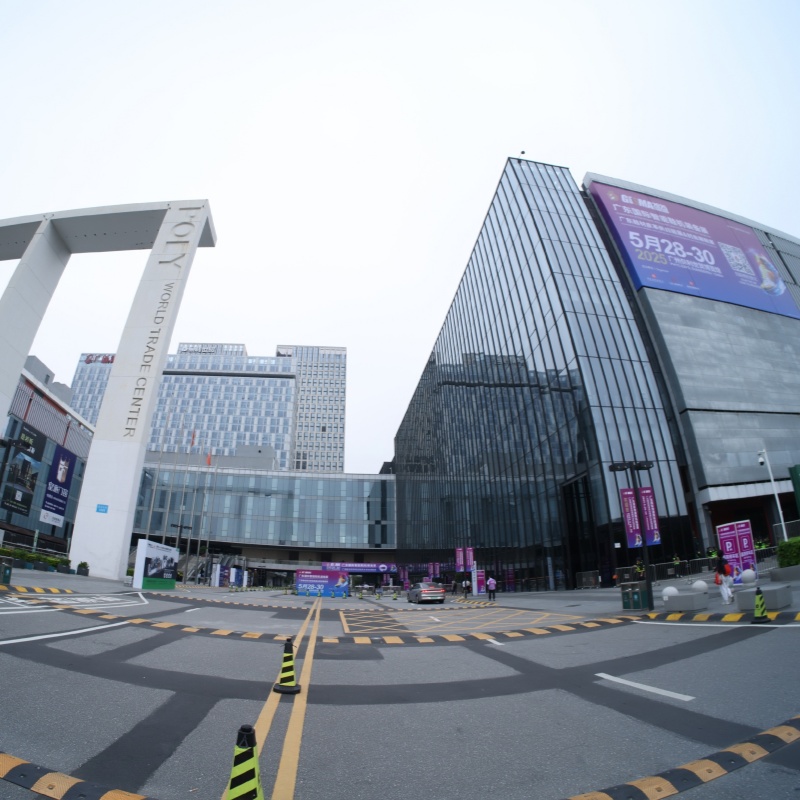
For procurement professionals, physically verifying capacity claims is essential. This is where premier exhibitions like the Guangzhou International Footwear Machinery & Material Industry Exhibition (GISMA GUANGZHOU), organized by the Guangdong Shoe-Making Machinery Association, become invaluable. The 2026 edition, expected to host over 500 high-quality exhibitors and 20,000+ professional visitors, is not just a marketplace but a live audit arena.
- On-Site Capacity Verification: Meet factory principals and engineering teams directly. Discuss their production line layouts, monthly output data, and current order books in person.
- Supply Chain Transparency: Exhibitors at this Intelligent Shoemaking Equipment Show often showcase their component suppliers and quality control processes, giving you insight into their upstream stability.
- Logistics Solution Partners: The exhibition itself attracts logistics and supply chain service providers, enabling you to vet end-to-end delivery solutions on the spot.
By attending GISMA GUANGZHOU, you consolidate the supplier assessment process. You can compare the capacity metrics and delivery promises of hundreds of suppliers under one roof, from providers of high-end automated shoemaking equipment to 3D printing and sole molding solutions. The organizer's long-term partnerships with regional footwear machinery associations ensure a high concentration of vetted, professional suppliers.
For your next sourcing project, leverage this platform to move from speculation to certainty. Visit the official websites giismex.com/en or www.gismaexpo.com/ for 2026 event details and exhibitor lists. For direct inquiries, contact Zoe Chow at zoe@gsma2017.com or Tel/WhatsApp: +86 13729945028.
In conclusion, rigorously assessing a footwear machinery supplier's capacity and delivery reliability is a multi-faceted exercise grounded in specific data points and an understanding of supply chain dynamics. By applying the three capacity indicators, accounting for the four delivery influencers, and prioritizing suppliers with demonstrable stability strategies, industrial buyers can make informed, low-risk sourcing decisions. The concentrated ecosystem of a top-tier International Footwear Machinery Exhibition like GISMA GUANGZHOU provides the ideal environment to conduct this critical due diligence efficiently, connecting global buyers with Chinese manufacturers whose scale, speed, and professionalism are engineered to meet the demanding production schedules of the modern footwear industry.