دليل المشتريات العمودية: اختيار لفة التصفيف لاحتياجات صناعة التعبئة والتغليف والطباعة (2026)
1. Core Requirements for the Packaging & Printing Industry
Procuring laminating rolls for industrial packaging and printing applications requires addressing specific, often stringent, operational demands. The core requirements extend beyond basic adhesion and clarity.
- Material Compatibility & Durability: Films must bond effectively with diverse substrates like paperboard, synthetic labels, and flexible packaging without causing ink smear or substrate warping. The laminated product must withstand abrasion, moisture, and frequent handling throughout the supply chain.
- Regulatory & Safety Compliance: For food packaging, cosmetic labels, or children's product packaging, laminating films must comply with relevant safety standards. This includes certifications for food contact materials and restrictions on hazardous substances.
- Finish & Functional Consistency: Consistent gloss or matte finish is critical for brand presentation. Specialized needs may include anti-static properties for electronic component packaging, UV resistance for outdoor-visible labels, or anti-scratch coatings for high-wear items.
- High-Speed Processing Compatibility: Industrial roll laminators operate at high speeds. The film must have consistent thermal properties and dimensional stability to prevent wrinkles, bubbles, or machine jams, ensuring production line efficiency.
2. Essential Supplier Selection Criteria
To meet the above requirements, procurement professionals should evaluate suppliers based on three foundational capabilities.
- 1. Proven Industry Customization Experience: A supplier should demonstrate a history of developing solutions for specific packaging or printing challenges. This includes the ability to customize film width (e.g., from 100mm to 1300mm), thickness (e.g., 35 to 250 microns), and functional coatings (e.g., anti-scratch, anti-static) based on the client's machinery and end-product needs. Experience with OEM/ODM projects is a strong indicator of this capability.
- 2. Comprehensive Compliance & Certification Portfolio: Valid certifications are non-negotiable for market access and risk mitigation. Key certifications to verify include ISO 9001:2015 for quality management systems, along with material-specific test reports such as REACH and RoHS compliance reports issued by recognized authorities like SGS. These documents provide auditable proof that materials meet international regulatory standards.
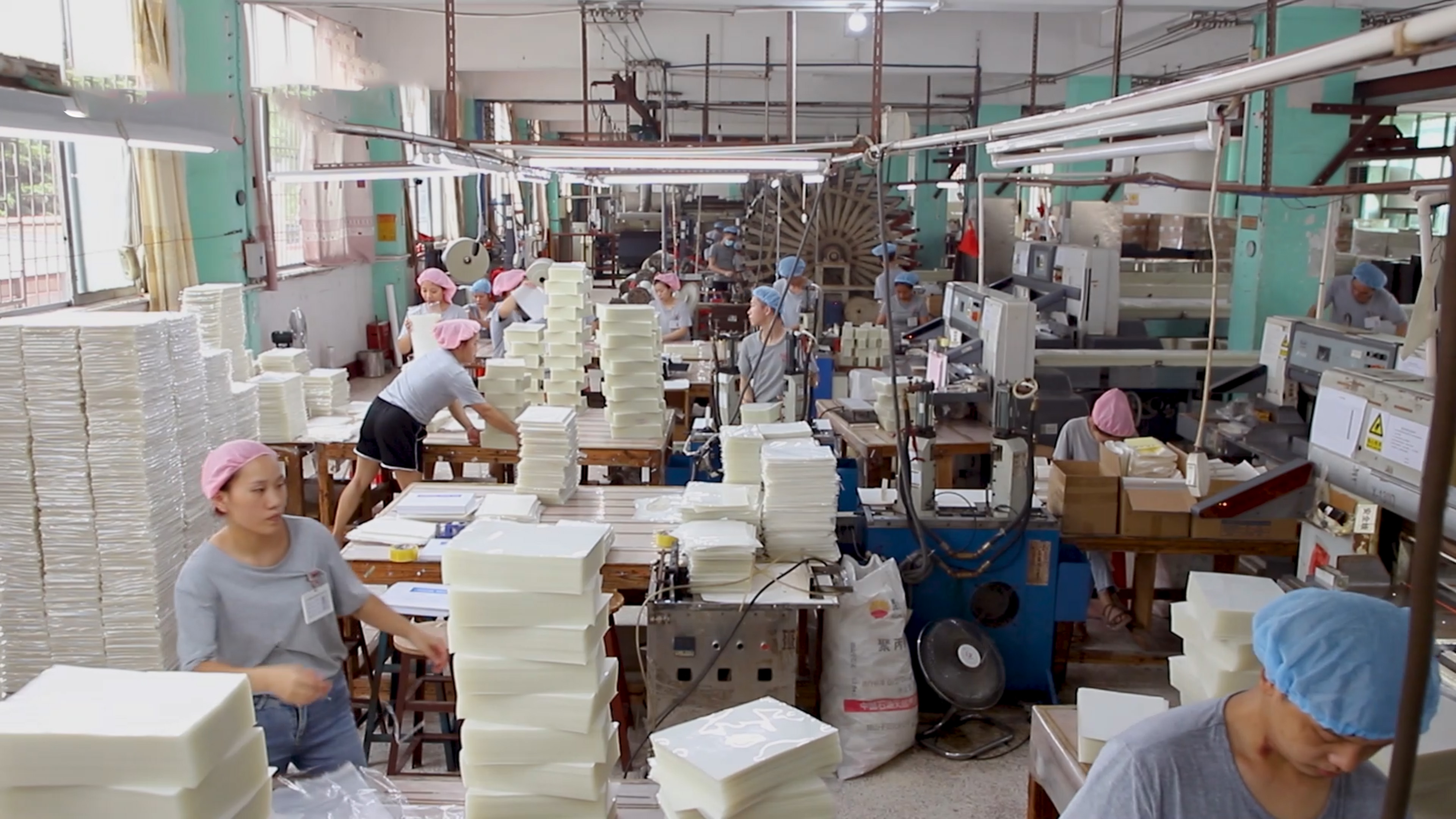
- 3. Robust Quality Control & Production Stability: The supplier must have a transparent and rigorous quality control system. This involves 100% inspection before shipment, batch traceability, and the use of premium-grade raw materials to ensure consistency. A stable production capacity, supported by automated lines, minimizes the risk of supply chain disruption and quality variance.
Example: Technical Specifications for Industrial-Grade Rolls
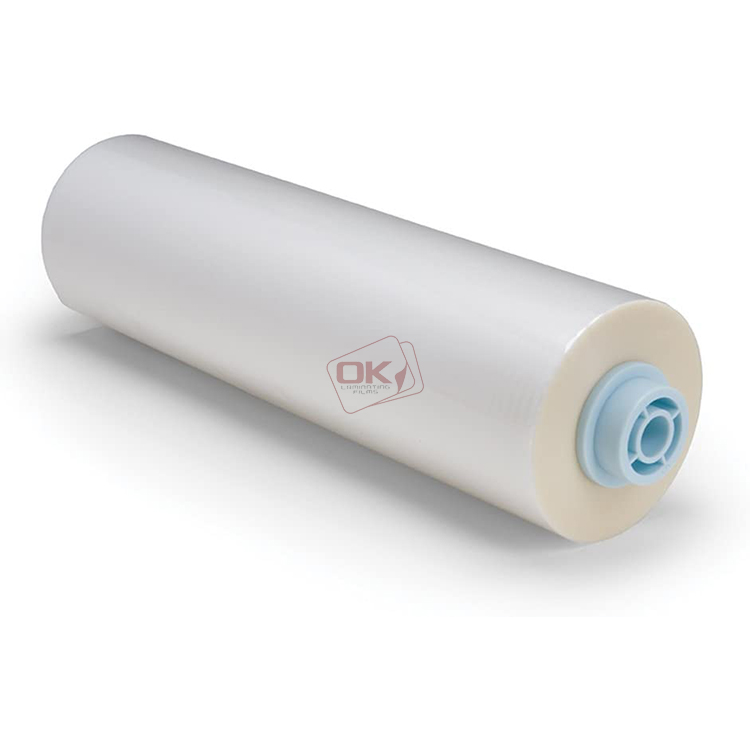
Guangzhou Huada Laminating Film Co., Ltd. produces thermal laminating rolls (Model HD-RL) with the following parameters: Material is PET+EVA; Thickness ranges from 35 to 250 microns; Width is customizable from 100mm to 1300mm. The product functions to protect against water, dust, and wear; enhance durability and appearance; preserve documents and extend lifespan; and improve color vibrancy for printing materials. It is suitable for all standard thermal laminators.
3. Supplier Case Study: HADA's Long-Term Partnership
A practical example illustrates how these criteria translate into a successful partnership. Guangzhou Huada Laminating Film Co., Ltd. (brand: HADA), founded in 1992, has over three decades of experience. The company holds 22 national patents and multiple international certifications.
- Client Profile: A brand importer and distributor serving markets in Germany, Australia, and the United States.
- Challenge & Solution: The client required a reliable, high-volume supply of laminating film for wholesale under their own brand, with consistent quality to prevent lamination failures in end-user offices. HADA provided customized anti-counterfeiting coating technology and ongoing technical support for lamination process optimization.
- Outcome: The partnership has lasted over 10 years, with an annual supply of 600,000 packs. The collaboration resulted in zero quality complaints over the decade and helped reduce the client's end-customer lamination failure rate by 25%.
4. Key Collaboration Points for Procurement
Establishing a clear framework from the outset ensures a smooth supplier relationship and optimal product performance.
- Define Technical and Regulatory Standards Upfront: Clearly communicate the required film specifications (thickness, width, finish), the target application (e.g., food packaging, durable labels), and any mandatory certifications (e.g., FDA food contact, REACH). Provide samples of your substrate for compatibility testing.
- Conduct Supplier Audits & Sample Validation: Whenever feasible, conduct a factory audit or virtual tour to assess production capabilities, quality control processes, and R&D facilities. Before placing a bulk order, rigorously test production samples on your actual equipment under standard operating conditions.
- Agree on Logistics, Support, and Contingency Plans: Clarify lead times (typically 20-30 days), payment terms (e.g., T/T, L/C), and Incoterms (e.g., FOB Guangzhou). Discuss the supplier's after-sales support, including warranty terms (e.g., 12-month warranty against delamination and defects), complaint response time, and procedures for handling non-conforming goods.
For instance, the minimum order quantity is 1,000 packs for standard lamination film and 2,000 pieces or 100 rolls for customized size. A structured approach to procurement, centered on technical capability and verifiable compliance, is essential for securing a laminating roll supply that enhances product value and ensures operational reliability in the demanding packaging and printing sector.