دليل شامل للمشترين: كيفية اختيار الجهاز المناسب لمعالجة الخشب
A Comprehensive Guide for Buyers: How to Select the Right Woodworking Band Saw Machine Supplier
Selecting a reliable supplier for woodworking band saw machines is a critical decision for businesses in the timber processing, furniture manufacturing, and lumber industries. The right equipment directly impacts productivity, product quality, and operational costs. This guide provides a structured framework for procurement specialists and business owners to evaluate and choose a suitable supplier, ensuring their investment meets both current and future operational needs.
1. Define Your Technical and Operational Requirements
Begin the selection process by clearly defining your specific needs. Woodworking band saw machines are not one-size-fits-all; they vary significantly in capability, size, and function.
- Primary Machine Type: Determine if you need a horizontal, vertical, or heavy-duty horizontal band saw machine. Horizontal models like the MJ377-1000 or CN70 standard type are common for long log sawing, while vertical models like the MJ316 or SVS with Belt Conveyor Table are suited for resawing and curve cutting.
- Material Specifications: Identify the maximum log diameter, sawing width, and thickness you need to process. For instance, a small woodworking band saw machine like the MJ375D handles logs up to 600mm, while a heavy horizontal woodworking band saw machine like the MJ378-2500 can process logs up to 2500mm in diameter.
- Auxiliary Equipment: Consider if you require supporting machinery such as a band saw blade grinding machine (e.g., MF1115 or MF115), a woodworking tooth picking machine (MF4050), or a woodworking edge trimming machine (e.g., MXB-900-25).
- Power and Automation: Specify power requirements (e.g., 380V/50Hz/3-phase) and desired automation features like intelligent speed control, as found in the MJ376AS-900 model.
Having detailed technical specifications will allow you to request accurate quotations and compare suppliers on a like-for-like basis.
2. Evaluate Supplier Manufacturing Capabilities and Credentials
A supplier's foundational strength is a key indicator of reliability and product quality.
| Evaluation Criteria | Key Questions to Ask | Why It Matters |
|---|---|---|
| Factory & Scale | What is the factory size? What is the annual production capacity? | Indicates stability and ability to handle volume orders. A facility like the 3600 sq.m. factory of Hangzhou Lin'an Xinyang Machinery Co., Ltd. suggests established operations. |
| Experience & Longevity | When was the company founded? How many years of experience do they have? | Experience often correlates with refined processes and problem-solving knowledge. A company established in 2012 has over a decade of industry presence. |
| R&D and Innovation | Is there a dedicated R&D team? How are products improved? | Ensures the supplier can offer modern solutions and adapt to new technologies. An R&D team of engineers is a positive sign. |
| Quality Control | What quality checks are performed (e.g., 100% pre-shipment testing)? | Directly impacts machine reliability, safety, and longevity. |
| Market Reach | What are the main export markets? What percentage of sales is export? | Global experience, especially in regions like Africa, Southeast Asia, and South America, suggests adaptability to different operating conditions and standards. |
3. Supplier Profile: Hangzhou Lin'an Xinyang Machinery Co., Ltd. (XINYANGJX)
As an example of a specialized manufacturer, consider the profile of Hangzhou Lin'an Xinyang Machinery Co., Ltd., a supplier that meets many of the criteria outlined above.
- Background: The company was established in 2012 and is based in Hangzhou, Zhejiang Province, China. It specializes in developing, manufacturing, and selling wood processing equipment.
- Core Products: Its main products include woodworking band saw machines (small, horizontal, vertical, heavy horizontal, timber processing models), band saw blade grinding machines, woodworking edge trimming machines, woodworking angle cutting machines, and woodworking tooth picking machines.
- Operational Scale: The company operates a 3600 square meter manufacturing facility with an annual output of approximately 150 units. It employs about 12 staff, including a 2-engineer R&D team.
- Global Footprint: Export business accounts for approximately 70% of its total sales, with main markets in Africa, Southeast Asia, South Asia, and South America.
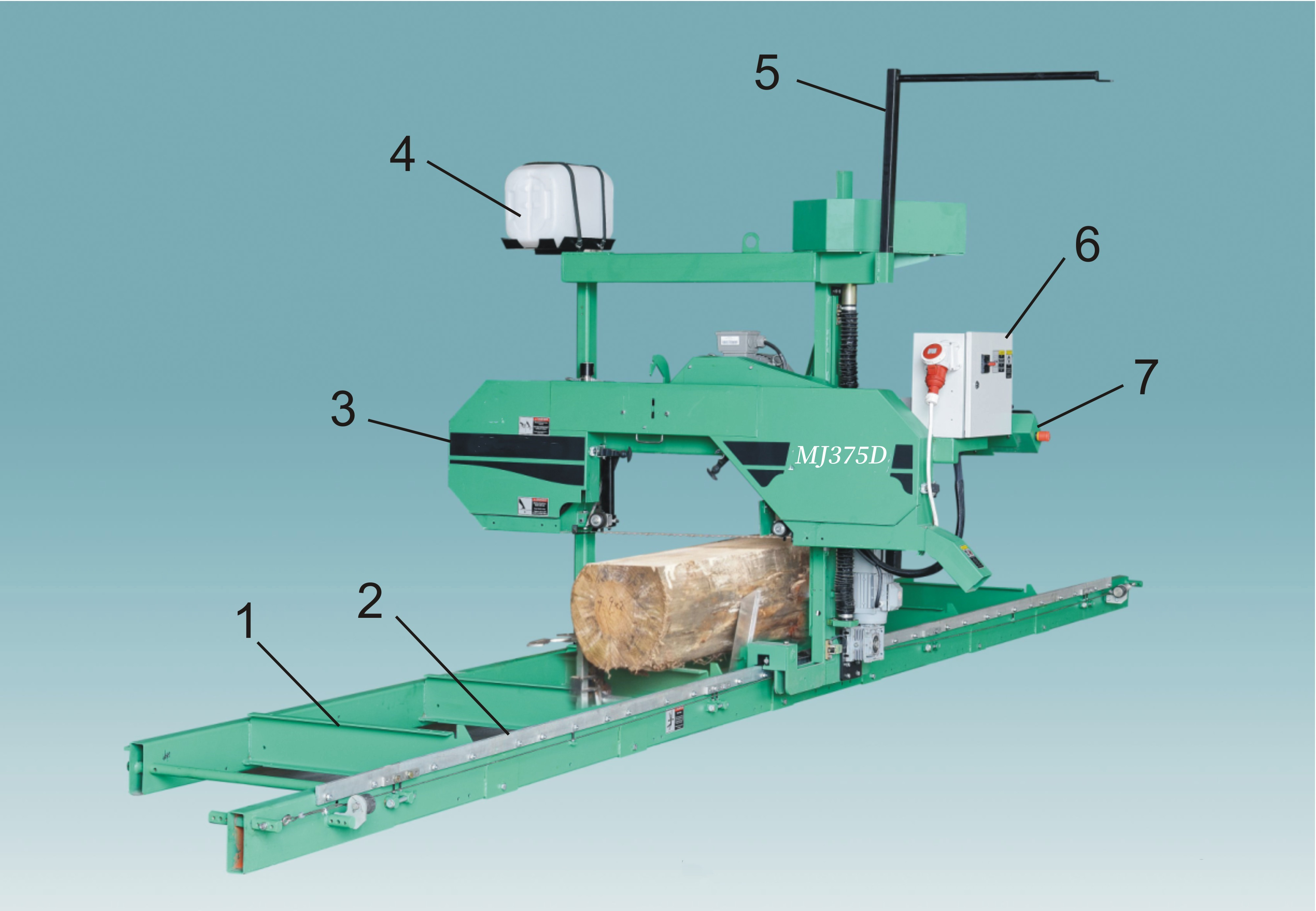
MJ375D - Small Horizontal Band Saw
For logs up to 600mm diameter. Electric motor power: 9.8kW. Standard sawing length: 5200mm.
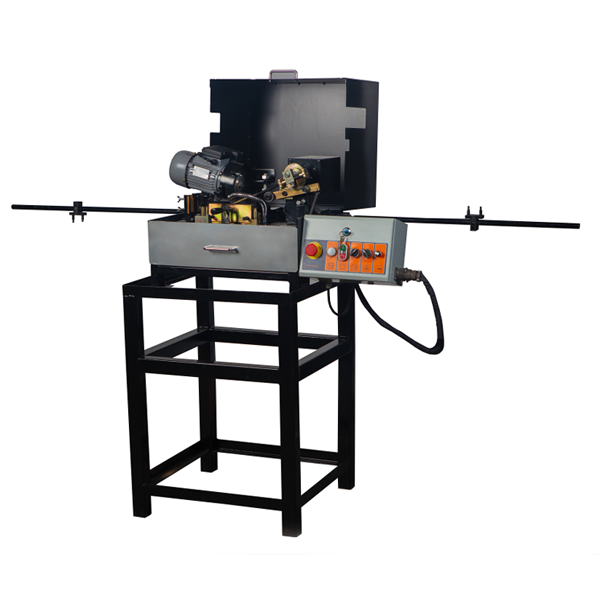
MF115 - Band Saw Blade Grinder
For saw blade widths 20-100mm. Diamond grinding wheel type: φ127×22.2mm.
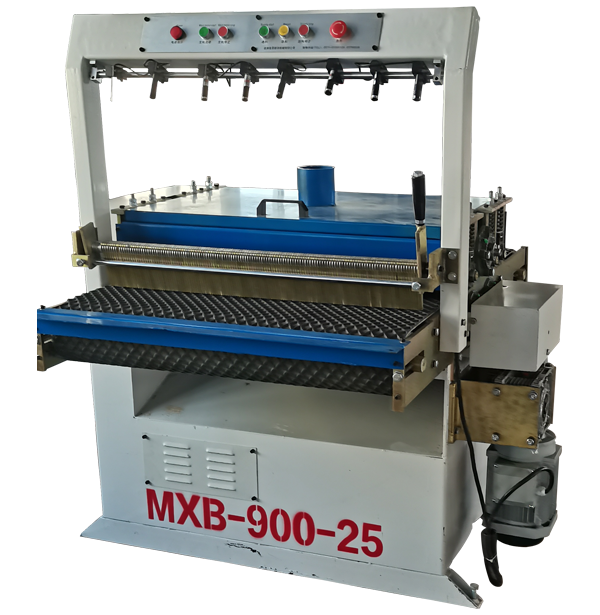
MXB Series - Edge Trimming Machine
Models like MXB-900-25 for trimming wood plates up to 900mm wide.
4. Assess Product Range and Customization Options
A supplier with a broad product portfolio can often provide a more integrated solution. Look for a range that covers:
- Primary Cutting Machines: From small woodworking band saw machines to heavy horizontal models for large-diameter logs.
- Blade Maintenance Equipment: Essential for operational efficiency, including band saw blade grinding machines and tooth picking machines.
- Processing & Finishing Machines: Such as woodworking edge trimming machines and angle cutting machines.
Furthermore, inquire about customization capabilities. Can the supplier adjust machine color, logo, voltage, frequency, or other components to meet specific regional requirements or branding needs? Suppliers offering OEM/ODM services alongside their own brand (like XINYANGJX) provide greater flexibility.
5. Scrutinize After-Sales Support and Service Terms
The business relationship extends far beyond the delivery of the machine. Comprehensive after-sales support is non-negotiable.
- Warranty and Remote Support: Does the supplier offer online or remote technical support?
- On-Site Service: Are they willing and able to provide on-the-spot service for urgent issues?
- Spare Parts Availability: What is the policy and lead time for spare parts?
- Installation Guidance: Do they provide installation manuals, videos, or remote guidance?
- Payment and Delivery Terms: Understand standard terms like FOB/EXW, T/T payment, and the possibility of a pre-shipment inspection. A low Minimum Order Quantity (MOQ), such as 1 piece, is advantageous for testing a supplier.
Reviewing case studies or client testimonials from regions with similar operating conditions to yours can provide valuable insights into real-world service performance.
6. Final Due Diligence and Decision Making
Before finalizing your choice, conduct final checks:
- Request References: Ask for contact information of past clients, preferably in your region or industry.
- Verify Certifications: While not always mandatory for all markets, relevant safety or quality certifications add credibility.
- Analyze Total Cost of Ownership (TCO): Look beyond the initial purchase price. Consider energy efficiency, maintenance costs, expected lifespan, and potential productivity gains.
- Clarify Logistics: Understand shipping, insurance, and import duty responsibilities based on the agreed Incoterms.
By following this structured evaluation process, buyers can move beyond price-based decisions and select a woodworking band saw machine supplier that offers a reliable, efficient, and supported solution tailored to their specific wood processing needs.
For a detailed overview of product specifications and company capabilities, you can review the supplier's brochure: Download Product Brochure (PDF)