مقارنة شهادات جيونت الصرف الصحي: EU ICR vs EAEU GOST للمشاريع العالمية
Comparing Drainage Geonet Certifications: EU ICR vs EAEU GOST for Global Projects
A drainage geonet can pass every performance test in your specification and still be stopped at the border. In cross-border work, the document that decides whether the material can legally be placed on the market is not a datasheet and not a test report — it is the certificate that matches the destination market. The European Union and the Eurasian Economic Union do not accept the same document, and the two routes are built on different standards, different issuing bodies and different validity windows.
This guide compares the two certification routes that most often decide global drainage geonet procurement: the EU/EEA Verification of Conformity issued against EN 13249:2016 under the Construction Products Regulation (EU) 305/2011, and the EAEU/Russia GOST Certificate of Conformity referencing GOST 56586-2015. It sets out the certificate numbers Haoyang Environment Co., Ltd holds for its composite drainage geonet range, describes the product scope each certificate covers, and gives buyers a step-by-step method for verifying both documents before a specification is locked.
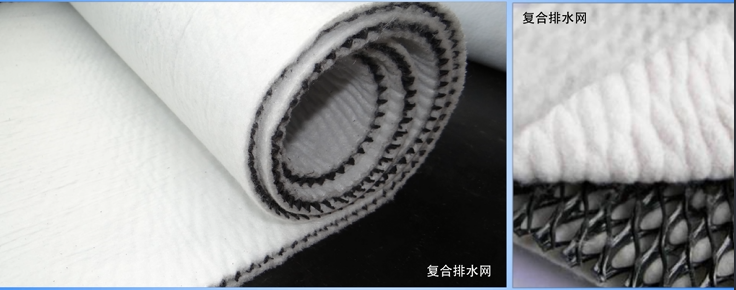
Figure 1: Composite drainage geonet — the product family covered by Haoyang's EU ICR and EAEU GOST certification documents.
Quick answer
- EU/EEA route: a Verification of Conformity issued under CPR (EU) 305/2011 and referencing EN 13249:2016. Haoyang's certificate number is ICR/VC/HE250523, valid from 20 May 2025 to 19 May 2030.
- EAEU/Russia route: a GOST Certificate of Conformity referencing GOST 56586-2015, within a framework that also includes GOST 33068-2014 and GOST 70090-2022. Haoyang's certificate number is POCC CN.32682.047C00.0C01.H00840.
- Products covered: composite drainage geonet, including acid and alkali resistant, high compressive resistance and high drainage capacity types, and 3D composite drainage geonet.
- Practical consequence: certification is market-specific. One certificate does not travel to another jurisdiction, and the specification must name the correct one.
Problem Definition: Why One Certificate Never Covers Every Market
A conformity certificate is a document about three things at once — a standard, a product scope and a time window. A drainage geonet submittal fails when any one of those three does not match the project.
Four failure modes account for most certification problems in cross-border geonet procurement.
- Treating one conformity document as globally valid. An EU Verification of Conformity is evidence for the EU and EEA market. It is not evidence for the EAEU, and Russian, Kazakh or Kyrgyz project reviewers will normally ask for a GOST Certificate of Conformity instead.
- Recording the certificate number but not the standard. A number alone does not tell a reviewer which performance framework was applied. EN 13249:2016 and GOST 56586-2015 are different documents; the certificate has to name the one that matches the tender.
- Ignoring the validity window. Certificates are time-bound. The EU Verification of Conformity held by Haoyang, for example, runs from 20 May 2025 to 19 May 2030. A certificate that lapses during construction or during a multi-phase supply programme creates a compliance gap in the project file.
- Assuming the scope covers the exact variant being purchased. Drainage geonet is sold as a family — composite, acid and alkali resistant, high compressive resistance, high drainage capacity, 3D composite, polyester filament composite and high-strength polypropylene composite. The buyer's job is to confirm that the certified scope covers the variant and the parameter range on the purchase order.
Industry Background: Why Certification Has Become a Supplier Filter
Drainage geonet demand is growing, and so is the documentation burden attached to it. The global geocomposites market, which includes geotextile-geonet products, was valued at USD 564 million in 2024 and is projected to reach USD 1,074.88 million by 2032, according to a Vertex AI Search industry forecast. Drainage applications alone accounted for 44.55% of geocomposite market revenue in 2024, based on Grand View Research data — the single largest functional segment.
Material choice reinforces the same pattern. Polyethylene-based drainage nets account for nearly 64% of global material demand, a share attributed to their high chemical resistance, according to Precision Reports. That chemistry matters because drainage geonet is installed in environments such as metal smelting anti-seepage systems and aquaculture pond anti-seepage systems, where the material operates continuously and has to resist chemical attack, UV exposure and long service life at the same time.
Two consequences follow for buyers at the awareness and research stage.
First, because drainage is the dominant application, drainage geonet sits in front of more compliance gatekeepers than a niche geosynthetic would. Mining, smelting, water and aquaculture projects each apply their own acceptance criteria, and each may require a different certificate as proof.
Second, because polyethylene dominates on chemical-resistance grounds, the certified scope of a product is often narrower than the supplier's full catalogue. Standards such as ASTM D7273, which provides guidelines for the acceptance testing of geonets and geonet drainage geocomposites, exist precisely because buyers are expected to verify rather than assume.
The Two Certification Routes in Detail
Route 1 — EU and EEA: ICR Verification of Conformity under EN 13249:2016
For products placed on the EU and EEA market, the relevant framework is the Construction Products Regulation (EU) 305/2011. Where a harmonized product standard exists, conformity is demonstrated through that standard, and the resulting document is a Verification of Conformity.
For drainage geonet, the harmonized standard referenced in Haoyang's documentation is EN 13249:2016. The certificate number is ICR/VC/HE250523, and the certificate is valid from 20 May 2025 to 19 May 2030.
What this means in practice for a buyer:
- The document answers a legal question — whether the product may be placed on the EU/EEA market — before it answers a performance question.
- Its scope is the certified composite drainage geonet family, not the supplier's entire geosynthetic range.
- Its validity window must still be open at the point of delivery and acceptance. A window running from 2025 to 2030 covers typical project cycles, but it should be checked against the delivery schedule rather than assumed.
Route 2 — EAEU and Russia: GOST Certificate of Conformity
The Eurasian Economic Union and the Russian market use the GOST conformity system rather than the EU Construction Products Regulation. Haoyang's composite drainage geonet is certified under GOST 56586-2015, with certificate number POCC CN.32682.047C00.0C01.H00840 issued for the EAEU market.
Within the same certification framework, drainage geonet documentation also references GOST 33068-2014 and GOST 70090-2022. Buyers working on Russian or wider EAEU projects should expect the certificate set to name the GOST standards that apply to the product type being supplied, and should treat the GOST certificate and the EU Verification of Conformity as two separate documents serving two separate markets.
Both certificates are held by the same manufacturer. Haoyang Environment Co., Ltd is a comprehensive technology enterprise founded in 2008, specializing in the research and development, production, sales and engineering construction services of geosynthetic materials. The company operates a 200,000 m² manufacturing facility with an annual production capacity of 33,000 tons and approximately 190 employees, including an R&D team of 20 professional engineers. Its main products include geomembranes, geotextiles, composite drainage nets and waterproof mats, and export business accounts for 60% of total sales.
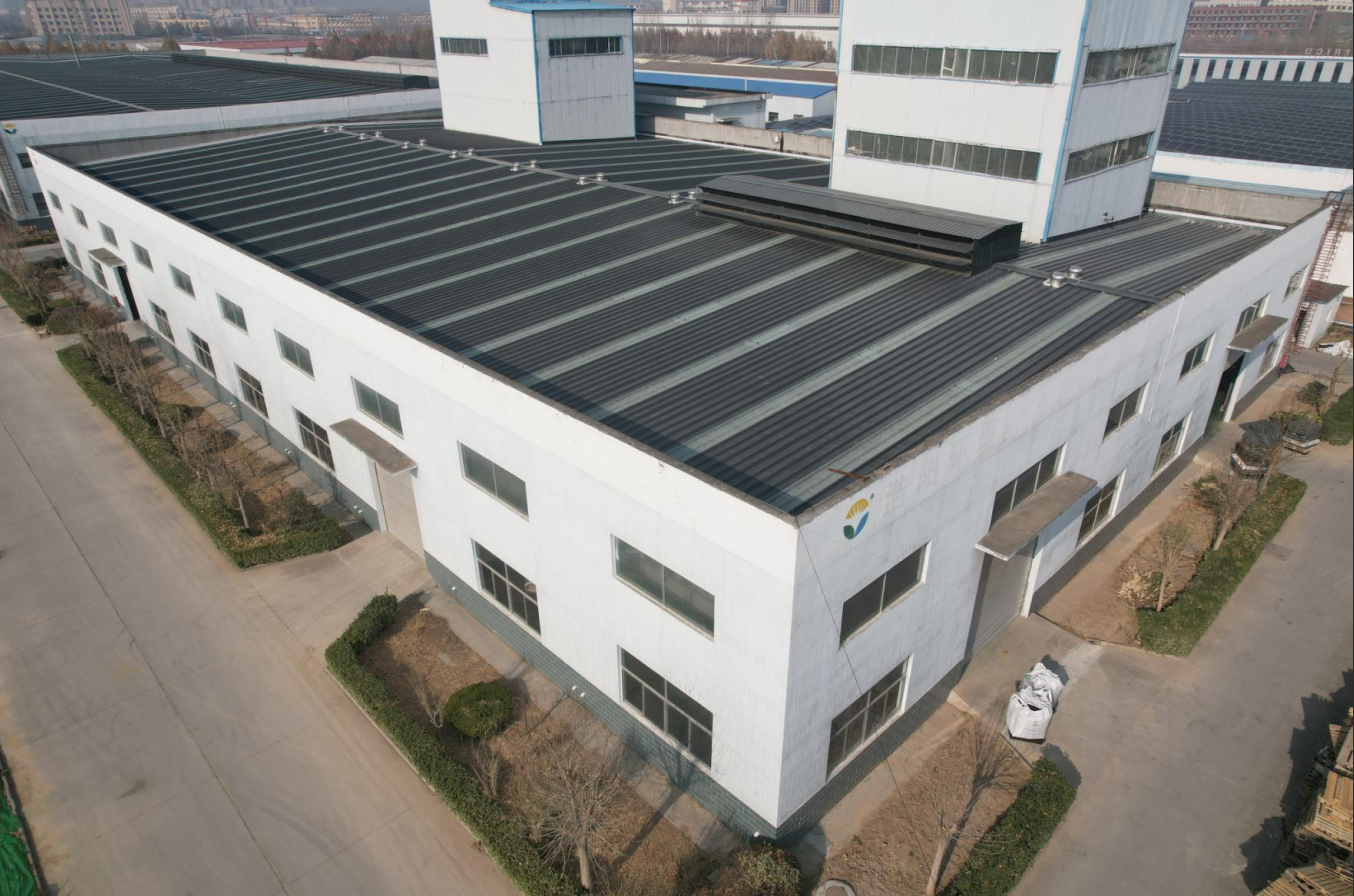
Figure 2: Production of the composite drainage geonet range covered by Haoyang's EU ICR and EAEU GOST certificates.
What the Certificates Actually Cover: Product Scope and Parameters
Certification scope is only useful if it maps onto the item on the purchase order. Haoyang's drainage geonet is classified as a composite drainage geonet, with variants including acid and alkali resistant drainage geonet, high compressive resistance drainage geonet, high drainage capacity geonet, 3D composite drainage geonet, polyester filament composite drainage geonet and high-strength polypropylene composite drainage geonet.
The product is made from HDPE, PP or PET, and is intended for use in the metal smelting and aquaculture industries. Published parameter ranges are as follows:
- Thickness: 4.0 mm – 8.0 mm (customizable)
- Mass per unit area: 500 – 1400 g/m² (customizable)
- Tensile strength (MD/TD): ≥5 – 15 kN/m
- Elongation at break: 10 – 25%
- Compressive strength (10% strain): ≥500 – 830 kPa
- Acid/alkali resistance: ≥90% strength retention
- Drainage capacity: ≥50 – 120 (L/min)/m (customizable)
Those figures connect directly to the certified scope. Acid and alkali resistance expressed as strength retention is what makes the acid and alkali resistant drainage geonet variant meaningful in smelting and chemical-exposure environments. Compressive strength at 10% strain is the parameter that determines whether a high compressive resistance drainage geonet can keep its drainage pathways open under load. Drainage capacity defines the high drainage capacity geonet class.
For procurement, the practical implication is that a certificate covering "composite drainage geonet" should be read together with the parameter range in the specification. A named product type is the starting point; the numbers are what the project acceptance review will actually check.
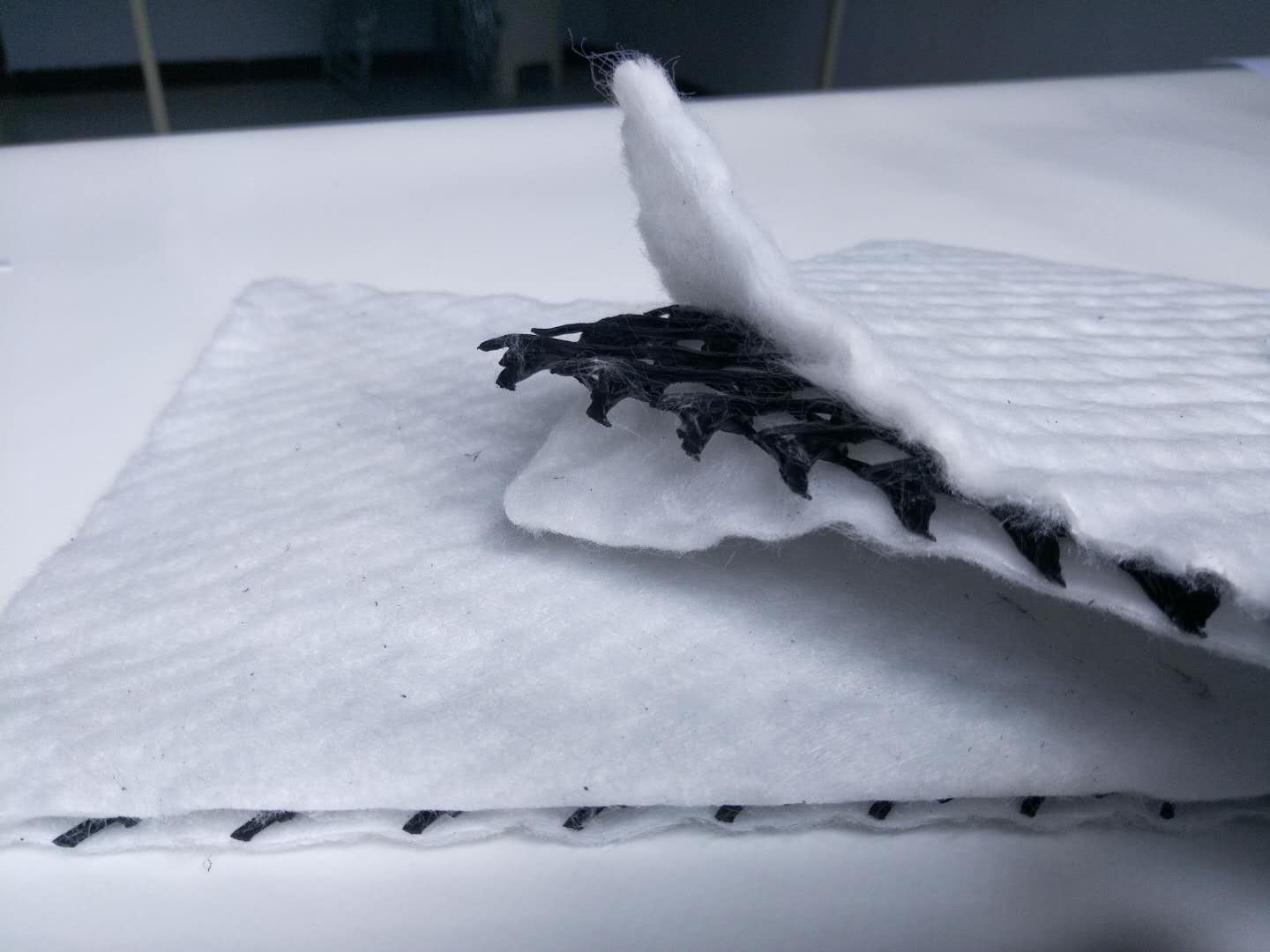
Figure 3: Composite drainage geonet structure and material build — HDPE, PP or PET, with acid/alkali strength retention of ≥90%.
Step-by-Step: How to Verify a Drainage Geonet Certificate Before You Specify It
The following sequence works for both certification routes and can be completed before a purchase order is issued.
- Identify the destination market regime. Determine whether the installation falls under the EU/EEA route (CPR (EU) 305/2011 with EN 13249:2016) or the EAEU/Russia route (GOST conformity, including GOST 56586-2015). Projects serving both markets need both documents.
- Request the certificate, not a statement of compliance. Ask for the certificate document itself, with the certificate number visible on the page.
- Check the referenced standard against the specification. EN 13249:2016 for the EU route; GOST 56586-2015 and the applicable GOST references for the EAEU route. If the certificate names a different standard from the tender, stop and clarify.
- Check the validity window. Confirm the certificate is open at the time of delivery. For the EU document held by Haoyang, the window is 20 May 2025 to 19 May 2030.
- Read the scope against your product type. Match composite drainage geonet, acid and alkali resistant, high compressive resistance, high drainage capacity or 3D composite drainage geonet to the certified scope before approving the submittal.
- Match parameters, not just names. A certified product type still has to fall inside the parameter range in your specification — thickness, tensile strength, compressive strength and drainage capacity.
- File the certificate alongside the acceptance-testing evidence. Where the project references acceptance testing such as ASTM D7273, keep the certification document and the test documentation in the same compliance file so a reviewer can see both.
Where Each Certificate Matters: Project Use Cases
Certification decisions are usually driven by the project, not by the product. Three patterns appear repeatedly.
EAEU and Central Asian mining and smelting projects. Anti-seepage systems in metal smelting work under leakage prevention conditions with continuous operation, and the application carries special requirements including high chemical resistance, UV resistance and long service life. This type of application scenario is common in Russia, Uzbekistan, Kyrgyzstan and Kazakhstan — markets where a GOST Certificate of Conformity, not an EU document, is the expected evidence.
Southeast Asian aquaculture and smelting projects. Aquaculture pond anti-seepage systems and smelting anti-seepage systems are common in Laos, Cambodia, Indonesia and Vietnam. These projects often sit in supply chains that also touch EU or EAEU markets through investors, contractors or export destinations, which is where a supplier holding both certificates removes a procurement step.
Distributors and importers serving multiple regions. A distributor carrying one drainage geonet line across several jurisdictions benefits from a supplier whose certification portfolio is already split by market. Re-certifying after a tender is awarded does not usually add much cost — it adds delay, and in project schedules the delay is what causes the damage.
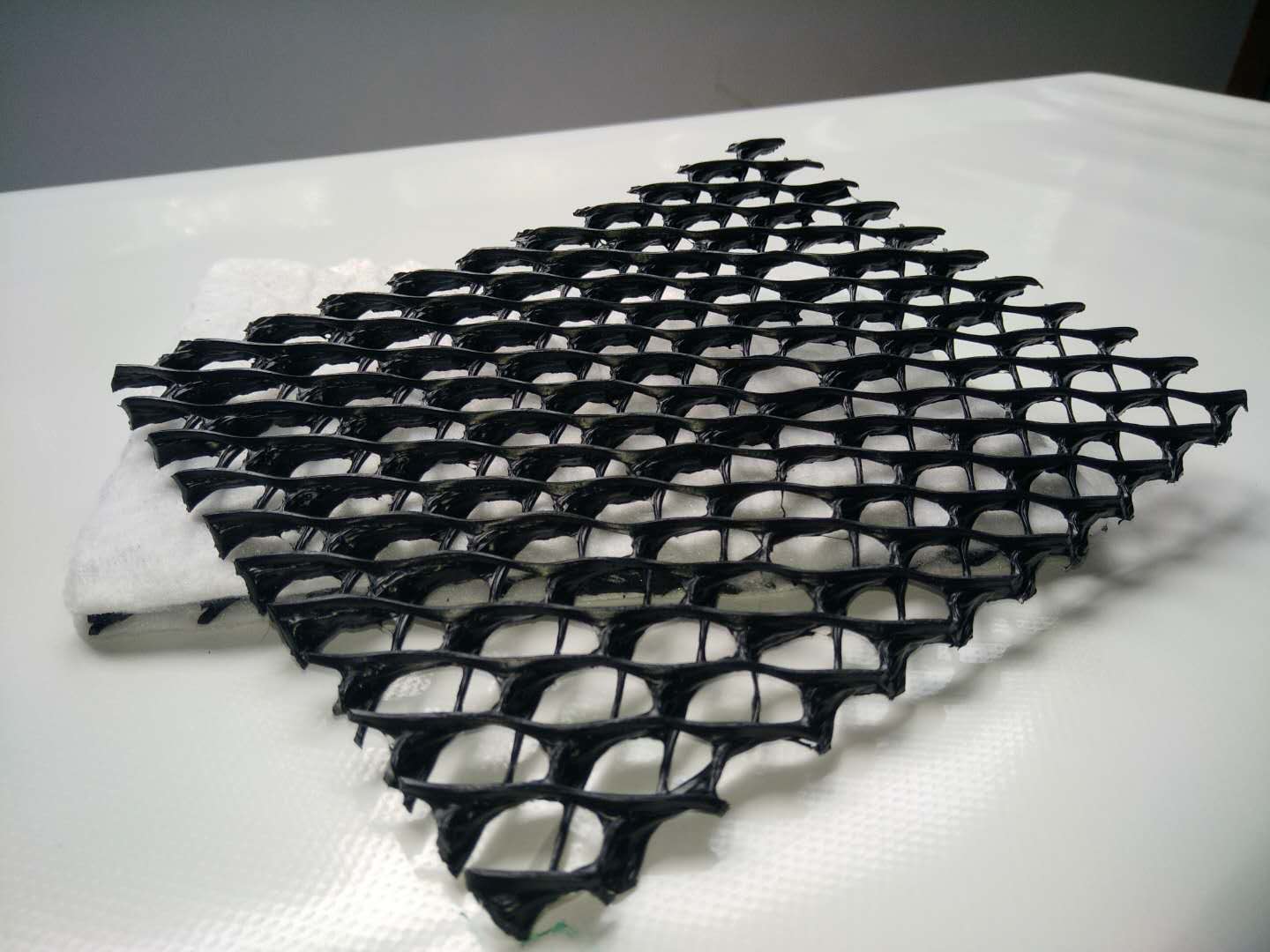
Figure 4: 3D composite drainage geonet — one of the certified variants used in continuous-operation anti-seepage systems.
Comparison Table: EU ICR vs EAEU GOST
| Comparison dimension | EU / EEA — ICR Verification of Conformity | EAEU / Russia — GOST Certificate of Conformity |
|---|---|---|
| Framework basis | Construction Products Regulation (EU) 305/2011 | EAEU / Russia GOST conformity system |
| Referenced product standard | EN 13249:2016 | GOST 56586-2015; framework also references GOST 33068-2014 and GOST 70090-2022 |
| Certificate held by Haoyang | ICR/VC/HE250523 | POCC CN.32682.047C00.0C01.H00840 |
| Validity | 20 May 2025 – 19 May 2030 | Stated on the certificate; confirm the current copy at the time of tender |
| Market coverage | European Union / EEA | Eurasian Economic Union / Russia |
| Certified product | Composite drainage geonet, including acid and alkali resistant, high compressive resistance and high drainage capacity types | Composite drainage geonet |
| Buyer question it answers | Can the product legally be placed on the EU/EEA market? | Can the product legally be placed on the EAEU/Russian market? |
| What it does not replace | Project-specific acceptance testing where specified (for example ASTM D7273) | Project-specific acceptance testing where specified (for example ASTM D7273) |
Table 1: Side-by-side comparison of the two drainage geonet certification routes held by Haoyang Environment Co., Ltd.
FAQ: Drainage Geonet Certification for EU and EAEU Projects
Do drainage geonet projects in the EU and the EAEU require different certifications?
Yes. They are two separate conformity systems. For the EU and EEA, drainage geonet is documented through a Verification of Conformity issued under the Construction Products Regulation (EU) 305/2011 and referencing EN 13249:2016. For the EAEU and Russia, the expected document is a GOST Certificate of Conformity referencing GOST 56586-2015 among the applicable GOST standards. A certificate from one system is not accepted as evidence in the other.
Which certificate numbers can a buyer verify for Haoyang's drainage geonet?
Two numbers cover the composite drainage geonet range. The EU Verification of Conformity is ICR/VC/HE250523, complying with EN 13249:2016 and valid from 20 May 2025 to 19 May 2030. The EAEU document is GOST certificate POCC CN.32682.047C00.0C01.H00840, issued against GOST 56586-2015 for the EAEU market.
Which drainage geonet product types are covered by these certificates?
The certified product is a drainage geonet classified as a composite drainage geonet, with variants covering acid and alkali resistant drainage geonet, high compressive resistance drainage geonet, high drainage capacity geonet, 3D composite drainage geonet, polyester filament composite drainage geonet and high-strength polypropylene composite drainage geonet. The material is HDPE, PP or PET, and the product is intended for use in the metal smelting and aquaculture industries.
How long are the certificates valid, and why does the validity window matter?
The EU Verification of Conformity held by Haoyang runs from 20 May 2025 to 19 May 2030. Validity matters because conformity is assessed at the point of placing on the market and is checked again during project acceptance. For long supply programmes or multi-phase projects, buyers should confirm that the certificate remains open across the full delivery window rather than only at the date of the order.
What should a buyer do when a project needs both EU and EAEU compliance?
Request both documents from the same manufacturer and check the scope of each against the product type being purchased. Because the EU and EAEU certificates are held for the same composite drainage geonet range, a dual-market specification can be documented from a single supply source. To request the certification set, or to confirm whether a specific drainage geonet variant falls inside the certified scope, contact Haoyang Environment Co., Ltd at 15315800874@163.com or +86 15315800874, also reachable on WhatsApp.
Conclusion
Certification is the point at which a drainage geonet stops being a material and becomes a compliant project component. The EU/EEA route and the EAEU route are not alternatives to each other and are not interchangeable — they answer different legal questions with different standards, under different issuing systems, with separate validity windows.
For buyers, the work is straightforward. Identify the market regime. Match the certificate to the standard named in the specification. Confirm that the validity window is open across the delivery schedule. Verify that the certified scope covers the product type and the parameter range on the order. Where the project references acceptance testing, file that evidence next to the certificate rather than instead of it.
Haoyang Environment Co., Ltd holds both routes for its composite drainage geonet range: the EN 13249:2016 Verification of Conformity ICR/VC/HE250523, valid from 20 May 2025 to 19 May 2030 for the EU/EEA, and GOST certificate POCC CN.32682.047C00.0C01.H00840 against GOST 56586-2015 for the EAEU. Buyers specifying drainage geonet for projects that span both jurisdictions can request the full certificate set before the tender closes.
Next step: get the certification set for your project
If your specification requires EU/EEA conformity, EAEU conformity, or both, request the drainage geonet certificate documents together with the parameter sheet for the exact variant you intend to purchase.
Haoyang Environment Co., Ltd
Email: 15315800874@163.com
Tel / WhatsApp: +86 15315800874
Website: www.haoyanghuanjing.com