HDPE Geomembrane vs. Geotextile Membrane: مقارنة التكلفة والأداء لمدة 5 سنوات
HDPE Geomembrane vs. Geotextile Membrane: 5-Year Cost & Performance Comparison
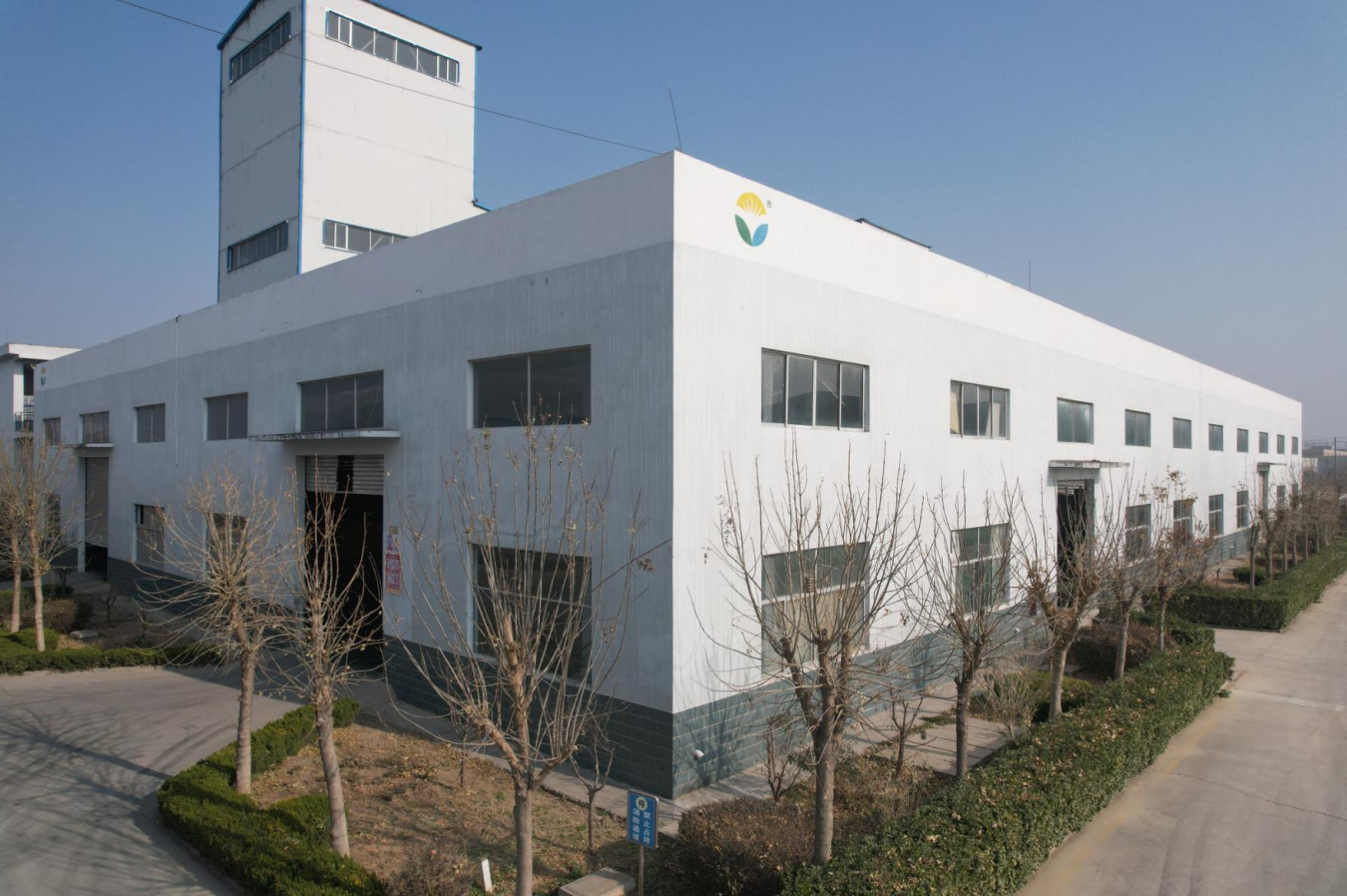
Image: Production workshop at Haoyang Environment Co., Ltd. Engineered geomembranes are produced and quality-checked before delivery.
When a containment project needs an anti-seepage liner, procurement teams often compare two broad categories: an engineered HDPE geomembrane and a common geotextile membrane. The engineered product usually carries a higher initial price, but the cost gap narrows or reverses once installation, maintenance, leakage risk, and service life are included.
This article compares the two options on performance, cost, quality assurance, and application fit. It is intended for engineers, procurement managers, and project owners who are at the decision stage and need a clear, evidence-based method for choosing the right liner.
Use the comparison table and the six-step selection framework as a checklist when evaluating supplier quotations.
Why the Geomembrane vs. Geotextile Membrane Decision Is Harder Than It Looks
The core challenge is that separate bids are difficult to compare. A lower price per square meter does not tell the buyer whether the liner has sufficient puncture resistance, chemical resistance, or UV stability for the project environment.
Common geotextile membranes are often selected because they are inexpensive and available quickly. However, a leak caused by punctured or degraded liner material can create cleanup costs, environmental liability, and project delays that exceed the original purchase price by a wide margin.
Common procurement mistakes include:
- Comparing only the unit price without comparing physical and chemical indicators.
- Assuming that all geomembranes provide the same resistance to puncture, acid, alkali, corrosion, and UV exposure.
- Ignoring the cost of installation defects, leaks, repairs, and replacement over the service life.
- Not verifying that the manufacturer tests the delivered rolls before they leave the factory.
For high-requirement seepage control systems—such as tailings ponds, reservoirs, brine evaporation ponds, and hazardous waste storage—these mistakes can turn a small procurement saving into a large financial loss.
Market Context: Demand for Engineered Geomembranes Is Rising
The global geomembrane market was valued at approximately USD 2.23 billion in 2025 and is projected to reach USD 3.59 billion by 2034, according to Fortune Business Insights.
HDPE raw materials account for an estimated 31.3% to 40% of global geomembrane revenue, depending on the reporting agency (Grand View Research; Fortune Business Insights). The mining application segment led end-use demand in 2023, representing 39.6% of global revenue, driven by the need for tailings containment (Grand View Research).
These figures explain why an increasing number of buyers are moving away from low-cost membranes and toward engineered liners. As environmental regulations tighten and project owners take on long-term liability for containment performance, the lifecycle reliability of the liner becomes a central procurement factor.
Haoyang Environment Co., Ltd is among the Chinese manufacturers supplying engineered geomembranes to this growing market. Before looking at its product performance, it is useful to understand what an engineered geomembrane brings to a containment system.
Direct Comparison: Haoyang Engineered Geomembrane vs. Common Geotextile Membrane
Haoyang Environment Co., Ltd is a manufacturer of geosynthetic materials headquartered in the Dezhou (Yucheng) National High-Tech Industrial Development Zone, Shandong Province, China. The company was established in 2008 and operates a 200,000 m² production complex with approximately 190 employees and an annual production capacity of about 33,000 tonnes. Its product line includes high-performance geomembranes, geotextiles, composite drainage nets, waterproof mats, and other geosynthetic materials. Haoyang is a large comprehensive technology enterprise with 8 wholly-owned subsidiaries and has established cooperative relationships with universities including Fudan University and Tianjin University of Technology, supported by a team of 20 professional engineers.
Haoyang's products are used in non-ferrous metal smelting tailings pond projects, salt lake mining projects, water conservancy projects, road and transportation projects, and sponge city construction. The company holds more than 70 patents and proprietary technologies and serves a marketing network covering more than 70 countries and regions. Around 60% of its output is exported, with main markets in Africa, Central America, the Caribbean, Southeast Asia, and India.
When Haoyang's engineered geomembrane is compared with a common geotextile membrane, the measurable differences are as follows:
- Mechanical and chemical performance. Haoyang's engineered geomembrane is puncture resistant, acid and alkali resistant, corrosion resistant, and UV resistant.
- Performance gap. Its physical and chemical indicators are more than 10% higher than those of ordinary geomembranes.
- Cost difference. The initial cost is approximately 15% higher than a common geotextile membrane, while the total 5-year ownership cost is about 40% lower.
- Maintenance. For high-requirement seepage control projects, the engineered product supports one-time laying with zero leakage, reducing inspection, repair, and replacement needs.
For projects with demanding seepage control requirements, this difference is not simply a specification preference. It changes the risk profile of the entire containment system.
Comparison Table: HDPE Geomembrane vs. Common Geotextile Membrane
| Comparison Dimension | Haoyang Engineered Geomembrane | Common Geotextile Membrane |
|---|---|---|
| Puncture resistance | High; core feature | Standard; limited for demanding sites |
| Acid and alkali resistance | High | Standard |
| Corrosion resistance | High | Standard |
| UV resistance | High | Standard |
| Physical & chemical indicators | More than 10% higher than ordinary geomembranes | Baseline |
| Initial cost | Approximately 15% higher | Lower upfront cost |
| 5-year total ownership cost | Approximately 40% lower | Higher over 5 years |
| Maintenance | One-time laying; zero leakage for high-requirement systems | Frequent checks may be needed; less suited to critical containment |
| Best suited for | Projects with high requirements for seepage control | General applications with lower risk |
Table: Comparison is based on Haoyang product data and general industry classification of common geotextile membranes.
Step-by-Step: How to Compare Geomembrane Options Before You Buy
Use the following six steps to evaluate a geomembrane quotation. The goal is to compare the full value of each option, not just the price.
Step 1: Define the Seepage Control Class of Your Project
The first question is not 'which membrane is stronger' but 'what level of containment does this project require?' A temporary silt barrier has different requirements than a tailings storage facility or a reservoir anti-seepage membrane. When the cost of failure is high—groundwater contamination, loss of process water, regulatory penalties, or damage to public health—the specification should move to an engineered geomembrane.
Step 2: Compare Mechanical Properties
Puncture resistance, tear resistance, and tensile strength determine how the membrane survives installation and long-term service. Sites with sharp aggregates, heavy equipment traffic, or uneven subgrade require high puncture resistance. Haoyang's engineered geomembrane includes puncture resistance as a core feature, which makes it better suited for demanding mechanical conditions than a common geotextile membrane.
Step 3: Compare Chemical and Environmental Durability
For projects exposed to leachate, acid mine drainage, brine, industrial wastewater, or strong sunlight, the liner must resist chemical attack and UV degradation. Acid and alkali resistance, corrosion resistance, and UV resistance are core characteristics of Haoyang's engineered geomembrane. Choosing a membrane without these verified properties can lead to premature embrittlement, cracking, or chemical breakdown.
Step 4: Calculate Total Cost of Ownership, Not Just Unit Price
Unit price is only the starting point. The decision-relevant number is the total cost of ownership over the service life, which includes installation, maintenance, leak repair, replacement, and the potential cost of environmental damage. In this comparison, the initial cost of Haoyang's engineered geomembrane is about 15% higher than a common geotextile membrane, but the 5-year total ownership cost is about 40% lower. For a large containment area, this can be a substantial capital saving over the project life.
Step 5: Review the Manufacturer's Quality Assurance System
Quality control determines whether the delivered rolls actually meet the specified properties. Haoyang applies full-process quality inspection from raw material procurement to production and factory delivery. This inspection is conducted by the only CNAS-accredited national laboratory in the industry, giving buyers a strong basis for trusting the delivered product.
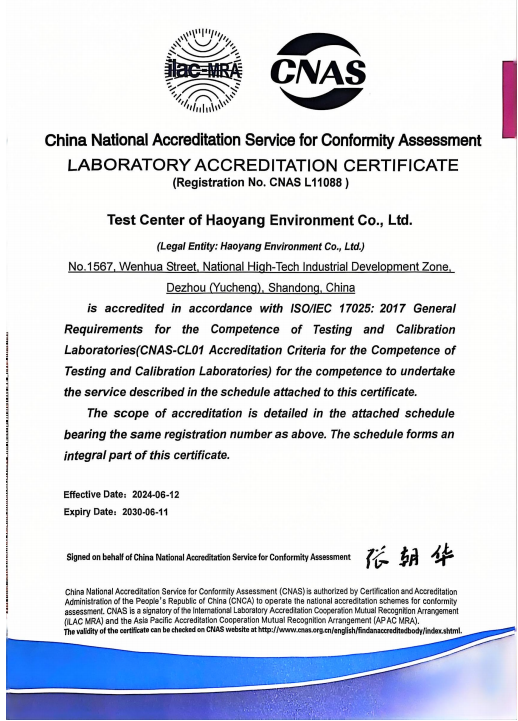
Image: CNAS-accredited laboratory. Haoyang performs quality inspection across the entire production process, from raw materials to factory delivery.
Step 6: Verify the Supplier's Project Experience
A manufacturer with documented experience in complex containment projects is more likely to understand field conditions and specification nuances. Haoyang has participated in national water conservancy and transportation projects such as the Middle Route of the South-to-North Water Diversion Project, the Three Rivers Governance Project, the Daxi Railway, and the Central-South Passage.
In the industrial and mining sectors, Haoyang has supplied anti-seepage systems for projects including the red mud pond environmental treatment project of Shandong Weiqiao Pioneering Group, the gold mine tailings pond expansion anti-seepage project of Yunnan Heqing Beiyao Mining Co., Ltd, the first phase of the phosphogypsum slag pond project of Sinochem Yunlong, the ultrafine fly ash solid waste disposal supporting storage area project of Huadian Ningxia Lingwu Power Plant, the recycled water device evaporation pond project of Inner Mongolia Zhongmei Mengda New Energy Chemical Co., Ltd, the Eritrea copper-gold mine project of Minmetals 23rd Metallurgical Corporation, and the Manono lithium mine project of Gécamines in the Democratic Republic of the Congo.
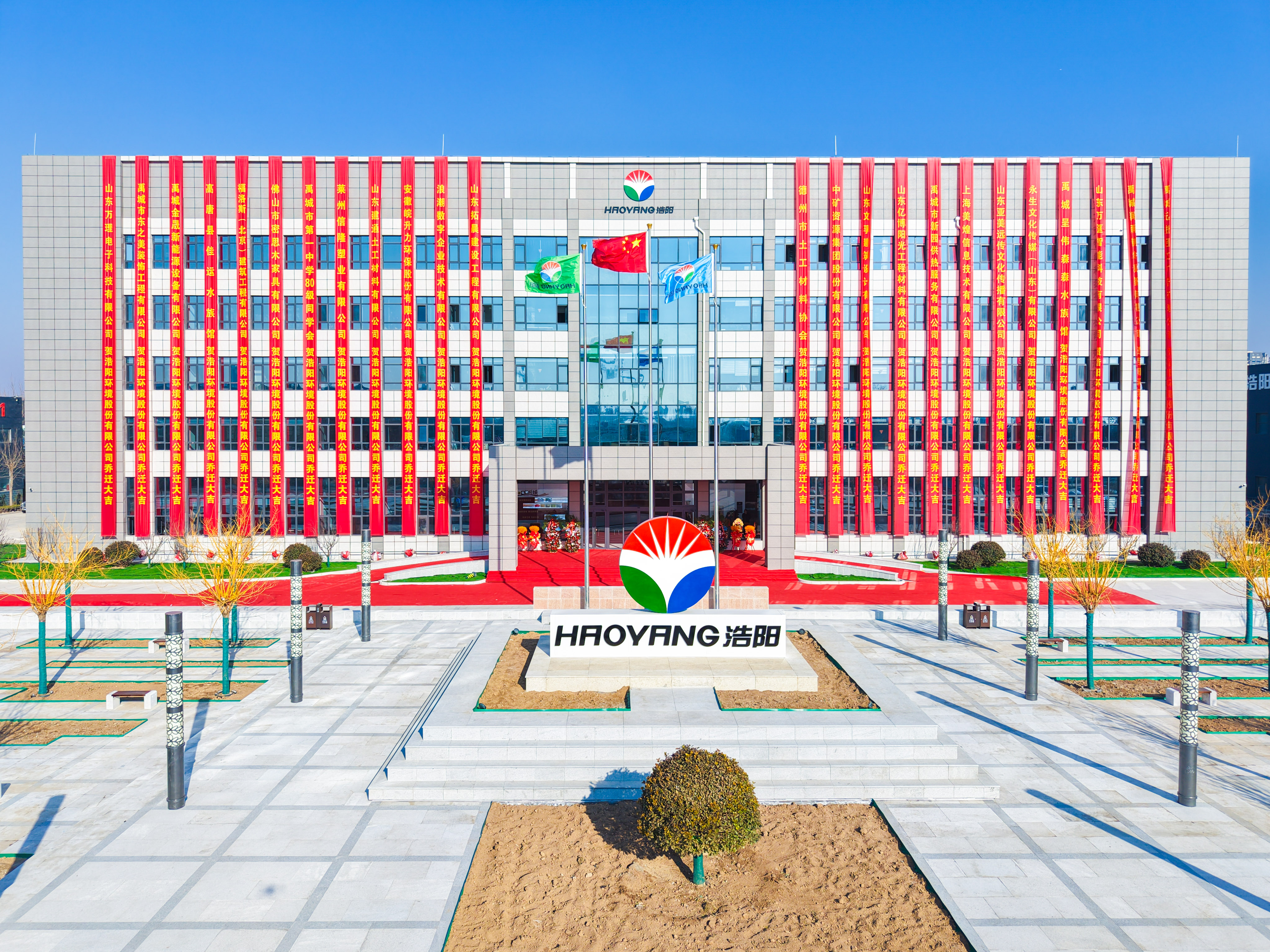
Image: Haoyang Environment Co., Ltd headquarters in the Dezhou (Yucheng) National High-Tech Industrial Development Zone, Shandong Province, China.
Where High-Performance Geomembranes Matter Most
Different projects place different demands on an anti-seepage membrane. The following applications are among the most important for engineered geomembranes.
Mining and Tailings Pond Containment
Mining was the largest application segment for geomembranes in 2023, accounting for 39.6% of global revenue, according to Grand View Research. Tailings pond geomembranes must resist puncture from underlying rock or coarse tailings and withstand chemically aggressive process water for long periods. A leak in a tailings facility is difficult and expensive to remediate, which is why high puncture resistance and chemical resistance are decisive selection criteria.
Salt Lake and Brine Mining
Salt lake mining projects use special geomembranes for salt lake mines to protect evaporation ponds and process basins from brine leakage. These environments demand salt resistance, corrosion resistance, and UV resistance over a long service life. Haoyang's engineered geomembrane, with its high physical and chemical indicators, is positioned for such conditions.
Reservoirs and Water Conservancy Projects
Reservoir anti-seepage membranes help reduce water loss and protect dam and embankment structures. Water conservancy is one of the main application fields for Haoyang, with supporting references including the Middle Route of the South-to-North Water Diversion Project and the Three Rivers Governance Project.
Aquaculture and Fish Ponds
Aquaculture geomembranes are used to line fish ponds, shrimp ponds, and water storage basins. The liner must be durable, easy to install, and resistant to long-term water contact. An engineered geomembrane with higher physical and chemical indicators can provide a longer service life than a common geotextile membrane, reducing the frequency and cost of pond relining.
Environmental Protection and Waste Storage
Hazardous waste facilities, phosphogypsum ponds, red mud ponds, and fly ash storage areas require high-reliability anti-seepage systems. Haoyang has supplied geomembrane systems for several major environmental projects in China, including red mud pond treatment for Shandong Weiqiao Pioneering Group, phosphogypsum slag pond construction for Sinochem Yunlong, and solid waste storage area projects for Huadian Ningxia Lingwu Power Plant. These references demonstrate the product's fit for high-risk environmental containment.
Quality Risk: How to Avoid Substandard Membranes
One of the most common risks in geomembrane procurement is that the delivered product fails to meet the specification before it even reaches the site. If the liner has incorrect thickness, lower tensile strength, or insufficient chemical resistance, the entire containment system is compromised.
Haoyang mitigates this risk through full-process quality inspection, from raw material procurement to production and factory delivery. The inspection process is conducted by the only CNAS-accredited national laboratory in the industry, providing a level of independent verification that is especially important for international buyers who cannot easily inspect each batch.
For buyers, laboratory test reports and quality records should be treated as part of the procurement contract, not as optional documentation. Ask the supplier how testing is performed, which laboratory conducts the tests, and whether the delivered rolls can be traced to batch-level quality records.
Frequently Asked Questions
What standards should HDPE geomembranes meet for containment projects?
HDPE geomembranes are commonly specified to GRI-GM13, the Geosynthetic Institute's standard specification for test properties and frequencies. For high-elongation applications, LLDPE geomembranes are governed by GRI-GM17. In Europe, EN 13361 defines safety and performance characteristics for geomembranes used in reservoirs and dams, and ASTM D5397 is the standard test method for evaluating stress crack resistance. Buyers should confirm which standard applies to their project and request the corresponding test records. At Haoyang, the quality inspection process is conducted by the only CNAS-accredited national laboratory in the industry, supporting consistency between factory tests and delivered performance.
What is the actual performance difference between an engineered geomembrane and a common geotextile membrane?
For Haoyang's engineered geomembrane, the key differences are puncture resistance, acid and alkali resistance, corrosion resistance, and UV resistance. Its physical and chemical indicators are more than 10% higher than those of ordinary geomembranes. For projects with high seepage control requirements, this performance gap improves the reliability of the containment system and reduces the need for repair or replacement.
How does the cost of an engineered geomembrane compare with a common geotextile membrane over time?
The initial cost of Haoyang's engineered geomembrane is approximately 15% higher than that of a common geotextile membrane. However, the total 5-year ownership cost is about 40% lower, because the engineered product supports one-time laying with zero leakage and lower maintenance requirements. Buyers should base the cost comparison on the full service life rather than the purchase price alone.
Can I request a geomembrane sample before placing an order?
Buyers are encouraged to request product samples, specification sheets, and test reports directly from the supplier. Contact Haoyang Environment Co., Ltd by email at 15315800874@163.com or by WhatsApp at +86 15315800874 to discuss project requirements and sampling needs.
What information should I prepare to obtain a quotation or lead time for a geomembrane order?
To receive a project-specific quotation and delivery timeline, prepare the required area, membrane thickness, material grade, roll width and length preference, installation conditions, and delivery destination. Sharing these details allows the supplier to respond with a suitable specification. For a next step, contact Haoyang's team with these parameters to request a sample or quotation.
Bottom Line: Which Membrane Should You Choose?
The decision between an engineered HDPE geomembrane and a common geotextile membrane should not be based on unit price alone. For short-term, low-risk, or non-critical applications, a common geotextile membrane may be sufficient. For mining, salt lake extraction, water conservancy, aquaculture, and environmental protection projects—where a leak creates serious financial, environmental, or safety consequences—the stronger technical properties and lower lifecycle cost of an engineered geomembrane make it the more rational choice.
Haoyang's engineered geomembrane provides measurable advantages in puncture resistance, acid and alkali resistance, corrosion resistance, and UV resistance. Its physical and chemical indicators exceed those of ordinary geomembranes by more than 10%. While the initial cost is around 15% higher than a common geotextile membrane, the total 5-year ownership cost is approximately 40% lower. Combined with one-time installation and zero leakage, these characteristics make it a suitable choice for high-requirement seepage control systems.
If you are evaluating a geomembrane for an upcoming project, use the six-step framework in this article to compare suppliers, then validate the shortlist with technical documentation, laboratory reports, and project references.
For a sample, quotation, or technical discussion, contact Haoyang's team:
- Name: Shengkang Li
- Email: 15315800874@163.com
- Tel / WhatsApp: +86 15315800874
- Address: No. 1567, Wenhua Street, Dezhou (Yucheng) National High-Tech Industrial Development Zone, Shandong Province, China
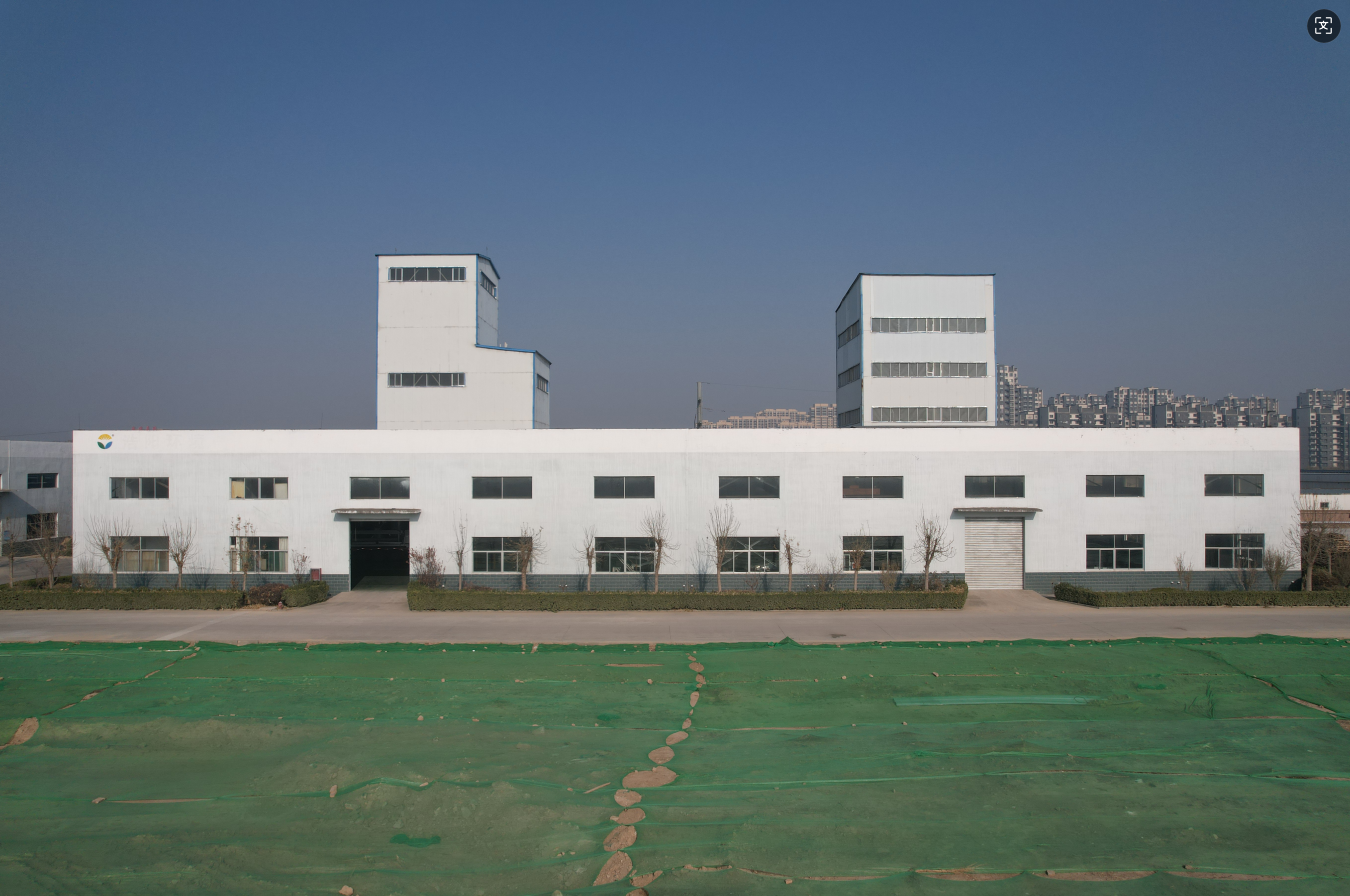
Image: Geomembrane production at Haoyang. Quality inspection covers the full process from raw material to factory delivery.