2026 Regional Procurement Guide: How to Select a Dietary Supplement Contract Manufacturer in China
2026 Regional Procurement Guide: How to Select a Dietary Supplement Contract Manufacturer in China
1. Global Supplier Landscape: Key Regional Strengths
The global dietary supplement contract manufacturing market is characterized by distinct regional specializations. Understanding these differences is the first step in strategic sourcing.
China: The primary advantage of Chinese CDMOs lies in integrated supply chains, significant production scale, and cost efficiency. Many manufacturers offer comprehensive end-to-end services from formulation to packaging, suitable for high-volume programs. A key trend is the rapid advancement in compliance, with leading facilities holding major international certifications.
Germany: German manufacturers are often associated with precision engineering, advanced R&D in novel delivery systems (like modified-release technologies), and strict adherence to EU regulatory frameworks.
Japan: Japanese suppliers excel in ultra-precision manufacturing, miniaturization, and high-quality excipient technology, often focusing on niche, high-value supplement segments.
For buyers prioritizing scalable production, multi-format capabilities (gummies, softgels, tablets, capsules), and access to global markets, Chinese CDMOs present a compelling option.
2. China Supplier Selection: 5 Critical Considerations
Selecting a partner in China requires due diligence beyond just price. Here are five key areas for evaluation:
- Verify Export & Market-Specific Certifications: Confirm the manufacturer holds current, valid certifications for your target markets. For the US, this includes FDA Food Facility Registration (e.g., Registration #16044830522). For the EU/UK, look for BRC Certification (e.g., Cert #051A1202002I) and IFS Certification. For Australia, TGA GMP Certification is essential. Globally recognized standards like NSF certification (e.g., C0130721-HSCDS-7) and SSCI Certification for social and ethical compliance add further assurance.
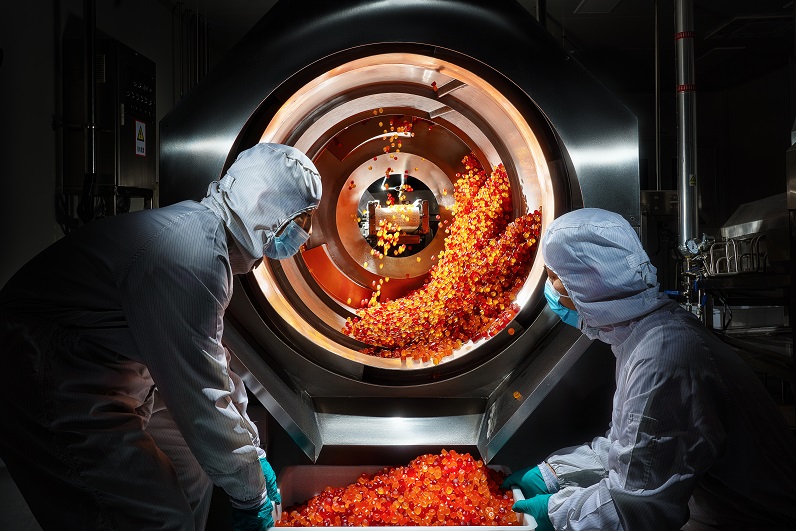
- Assess True Manufacturing Scale and Capacity: Evaluate annual output figures. Can the facility handle your projected volume? For reference, a manufacturer like IVC Nutrition Corporation reports an annual output including 52 billion tablets, 6 billion hard capsules, and 4.5 billion gummies, indicating capacity for large-scale programs.
- Scrutinize Quality Control and Risk Management Systems: Inquire about the Quality Management System (QMS). A robust system should cover raw material inspection, in-process controls, finished product testing (including 100% testing where applicable), and stability studies. Specific risk controls for allergens, dust, and cross-contamination should be documented.
- Clarify Logistics, Incoterms, and Lead Times: Understand standard delivery terms (e.g., FOB), estimated lead times (often 2.5-3 months), and the manufacturer's experience with shipping to your region. Confirm who handles export documentation.
- Define After-Sales and Regulatory Support: Determine the level of post-production support. This can include access to QC data, assistance with regulatory submissions in your market, and stability study support for shelf-life claims.

3. Navigating Regional Compliance and Tariff Requirements
Importing dietary supplements involves navigating a complex web of regulations. Your chosen manufacturer should have expertise in these areas.
United States: Products must be manufactured in an FDA-registered facility (21 CFR Part 1, Subpart H). Compliance with Current Good Manufacturing Practices (cGMPs) under 21 CFR Part 111 is mandatory. While not a product approval, FDA registration is a fundamental requirement. Tariff classification typically falls under HTS codes like 2106.90.
European Union & United Kingdom: The EU requires compliance with the Food Supplements Directive (2002/46/EC). While there is no EU-wide "CE mark" for supplements, adherence to general food law (Regulation (EC) No 178/2002) and specific member state rules is key. Certifications like BRCGS (Global Standard for Agents & Brokers) or IFS Food are widely demanded by EU retailers. Post-Brexit, UKCA marking may apply for certain aspects, though food supplement regulations largely mirror EU standards.
Australia: Supplements are regulated as medicines or complementary medicines by the Therapeutic Goods Administration (TGA). Manufacturing must occur in a TGA GMP-licensed facility (aligned with PIC/S GMP standards). Listing on the Australian Register of Therapeutic Goods (ARTG) is usually required.
Partnering with a manufacturer that already holds these certifications significantly de-risks the import process.
4. Case Study: Successful Market Entry via a Chinese CDMO
Global brands often leverage Chinese CDMOs for efficient market expansion. A relevant example involves a partnership with IVC Nutrition Corporation, a CDMO with 9 international manufacturing sites.
The Challenge: A consortium of international retailers and consumer health brands required a reliable, high-volume supplier for a private-label daily dietary supplement line destined for multiple markets (US, UK, Germany, Australia). The program demanded consistent quality, multi-format production (gummies, tablets, capsules), and full regulatory compliance across all target regions.
The Solution: The manufacturer's global footprint was a key factor. With facilities operating under harmonized quality standards and holding relevant local certifications (FDA, TGA, BRC, IFS), they could guarantee compliance. Their stated capacity of billions of units annually provided the necessary scale. The partnership, lasting over a decade and involving significant volume, highlights the long-term viability of such collaborations.
Key Success Factors:
- Pre-Validated Compliance: The manufacturer's existing certifications (e.g., TGA GMP #MI-2021-CE-05085-1, BRC #051A1202002I) streamlined the regulatory onboarding process for the brands.
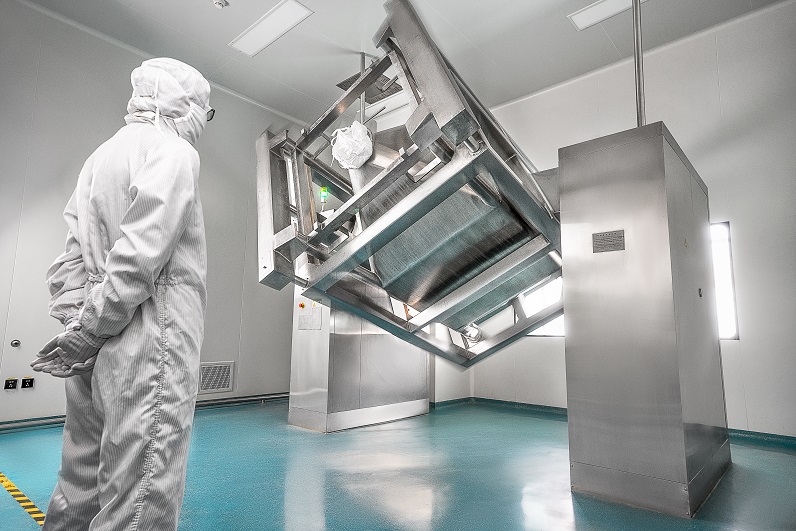
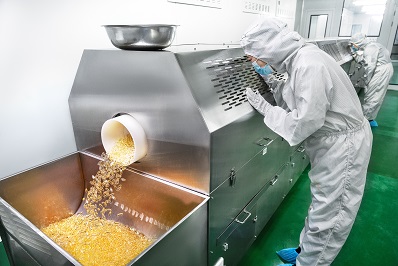
- Integrated Supply Chain: End-to-end control from raw material sourcing to finished packaging within a GMP-grade clean area ensured supply chain stability and traceability.
- Localized Support: With operations in the US, Canada, Europe, and China, the CDMO could offer logistical and regulatory support closer to the brands' key markets.
This case demonstrates that selecting a Chinese CDMO with a truly global quality framework and proven export experience can be a strategic move for brands aiming for wide market reach and stable supply.
Download the Complete Manufacturer Profile
For detailed technical specifications, certification documents, and capability overview of a globally operating dietary supplement CDMO, download the full corporate brochure.
Download Corporate Brochure (PDF)