A Practical Guide to Sourcing Military-Grade Webbing for Tactical and Aerospace Applications
A Practical Guide to Sourcing Military-Grade Webbing for Tactical and Aerospace Applications
A comprehensive framework for procurement professionals to identify and evaluate suppliers for mission-critical textile components.
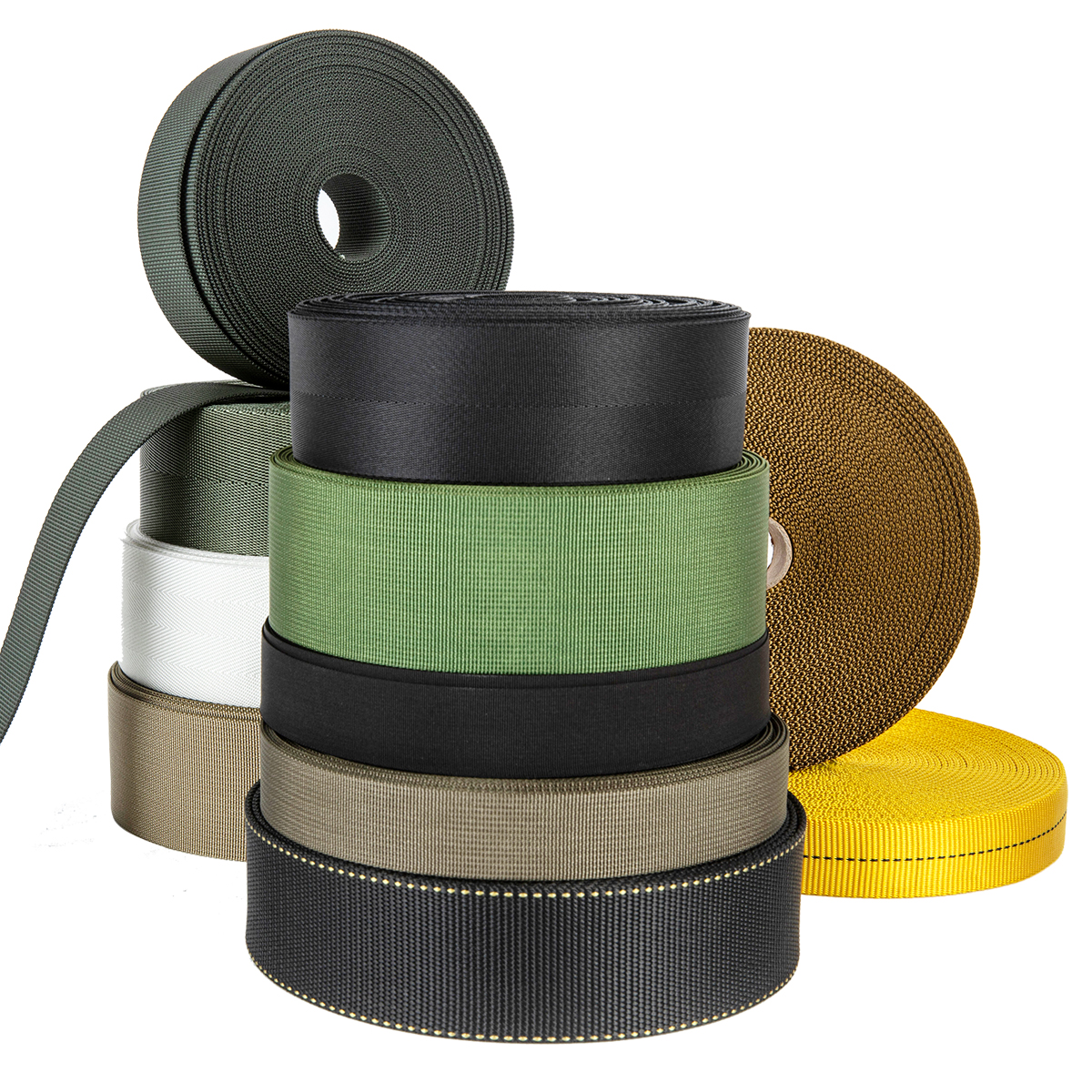
Procuring military-grade webbing involves navigating a complex landscape of technical specifications, regulatory compliance, and performance requirements. This guide provides a structured approach for sourcing professionals to identify capable suppliers for applications ranging from tactical vests to parachute systems.
Military webbing is not a commodity. It is a engineered textile component where performance under extreme conditions is non-negotiable. The sourcing process must prioritize technical capability, compliance verification, and supply chain reliability over cost alone.
1. Defining Your Technical Requirements
The first step is to precisely define the webbing's intended application and corresponding performance specifications. Requirements vary significantly across different use cases.
Tactical Load-Bearing Systems
For tactical vests, load-bearing vest (LBV) systems, and modular combat gear, webbing must operate under high-intensity conditions with constant friction and outdoor exposure. Key specifications include compliance with standards like A-A-55301, MIL-W-17337, and MIL-T-5038.
- High tensile strength (minimum 5,000 N for 25mm width)
- Abrasion resistance (minimum 200,000 cycles)
- IRR (Infrared Reduction) treatment capability
- Color fastness to light ≥ Grade 4
Aerospace & Parachute Systems
Parachute webbing and components for aircraft arresting systems are designed for extreme load-bearing, high-impact deployment, and harsh field environments. Compliance with PIA specifications (PIA-W-4088, PIA-W-5625) is mandatory.
- Tensile strength from 500 lbs to 15,000 lbs+
- Flame retardant finish (FAR 25.853 certified)
- Predictable elongation for shock absorption
- Resin-treated for stiffness and anti-abrasion
Specialized Military Applications
Applications like K9 harness systems, soldier system integration, and load carrying equipment (LCE) require webbing that performs in high-mobility environments with exposure to heat, moisture, and repeated stress.
- Weather and moisture resistance
- Flexibility combined with high strength
- Custom camouflage pattern capability
- Durability under repeated pulling cycles
Material Specifications
Military webbing is typically manufactured from:
- Military Grade Nylon / Nylon 6.6: Standard for tactical applications, offering balanced strength, abrasion resistance, and flexibility.
- High-Tenacity Polyester (PES): Often used where low stretch and high UV resistance are required.
- PIA-SPEC Grade Filament (100% High-Tenacity Nylon 6.6): Mandatory for parachute and aerospace applications per PIA-W-4088.
- Specialized Materials (UHMWPE, Aramid): For ultra-high strength or cut-resistant applications.
Dimensional & Customization Parameters
Standard and customizable parameters include:
- Width: 20/25/38/50 mm, 1/2", 1", 1.5", 2" (customizable)
- Thickness: Typically 1.20 mm (customizable)
- Color & Pattern: Solid colors (Coyote Brown 498, Ranger Green, Black, etc.) or multi-terrain camouflage patterns (Woodland, Desert, Urban)
- Special Finishes: NIR/IRR treatment, Nano-Water Repellent, Flame Retardant, Anti-Mildew
2. Evaluating Supplier Capabilities
Once technical requirements are defined, the next step is to assess potential suppliers against critical capability criteria.
Certification & Compliance Verification
Request and verify current certificates. For military webbing, relevant certifications include:
More importantly, suppliers should provide specific test reports demonstrating compliance with military standards:
- Mil-Spec Test Reports: Verification against MIL-W-17337, A-A-55301, MIL-T-5038 by third-party agencies like Intertek (e.g., Report FJXT00072429).
- IRR Test Reports: Documenting NIR reflectance levels across 350-3000nm spectrum.
- Breaking Strength Test Reports: Following PIA-Test Method-4108A-2005 or equivalent.
- Flame Retardant Test Reports: Compliance with FAA FAR 25.853 Appendix F.
- Color Fastness Test Reports: Per AATCC 186 or ISO 105 standards.
Manufacturing & Customization Capacity
Evaluate the supplier's ability to meet your specific needs:
OEM & ODM Services
Full OEM and ODM production services for military and tactical webbing should encompass custom specifications, functional performance development, custom structures, and the provision of test reports and datasheets. This includes the ability to provide test reports and datasheets as part of ODM services.
Customization options for webbing include material selection (such as nylon, polyester, UHMWPE, and aramid), camouflage patterns, IRR treatment, width, thickness, tensile strength, and special finishing.
Production Scale & Lead Times
Assess the supplier's capacity against your projected volumes. Key metrics include:
- Monthly Capacity: Can range from several million to over 25 million yards per month for large-scale suppliers.
- Lead Times: Typically 7–25 days depending on order quantity and customization complexity.
- Minimum Order Quantity (MOQ): Often 3,000–5,000 meters per color/specification, with negotiation possible for trial orders.
- Quality Control: 100% inspection and strict quality control systems from raw material to finished product.
Industry Experience & Reference Projects
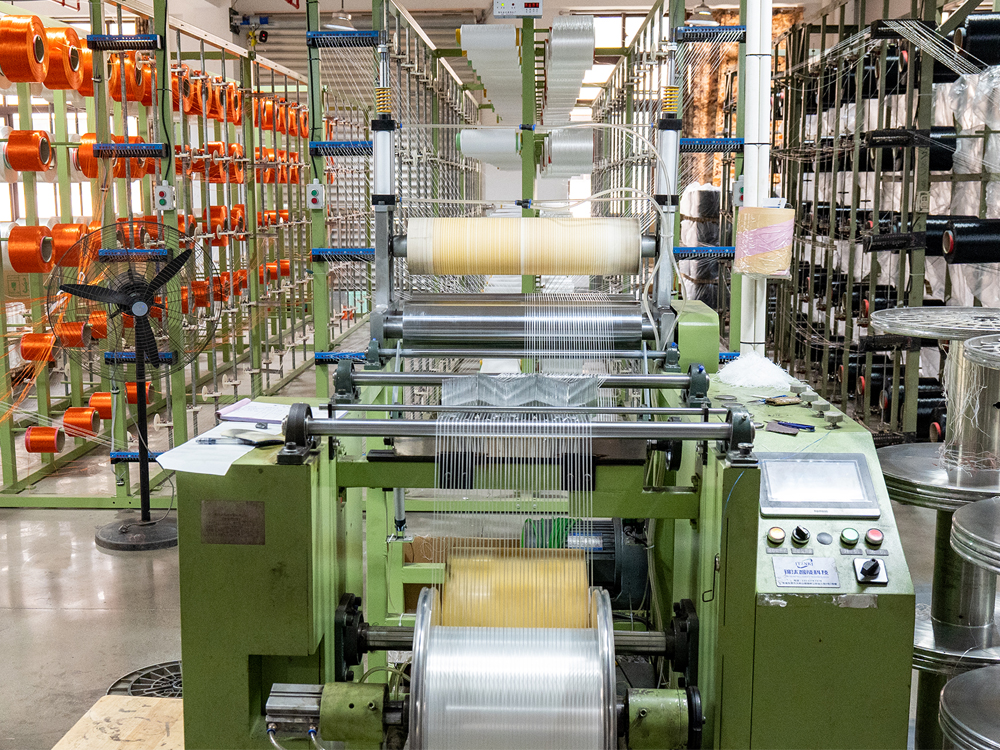
Review the supplier's track record with similar applications. For example, Xiamen Jude Webbing Co., Ltd., founded in 2006, has supplied webbing for tactical vests, load-bearing systems, and modular MOLLE equipment to military equipment manufacturers across multiple European countries, including Germany, Switzerland, Sweden, the United Kingdom, Finland, Poland, Estonia, the Netherlands, and Norway.
Similarly, aerospace equipment manufacturing clients have successfully used their parachute webbing in systems requiring compliance with PIA-W-4088 and other aerospace standards.
Case Study: Tactical Gear Supplier Partnership
Client: Military equipment manufacturer (tactical gear supplier)
Application: Tactical vests, load-bearing systems, and modular MOLLE equipment
Volume: 500,000+ meters annually
Duration: 3–5 years in field conditions
Key Requirements Met: IRR compliance, camouflage printing for multi-environment patterns, high tensile strength for load-bearing, and proven colorfastness and weather resistance.
This case demonstrates successful long-term supply to demanding European defense markets.
Case Study: Aerospace Component Supply
Client: Aerospace equipment manufacturer
Application: Parachute systems, cargo restraint, and airdrop equipment
Volume: 200,000+ meters per project batch
Key Requirements Met: PIA-W-4088 compliance, high strength (5,000+ lbs load capacity level), flame retardancy meeting FAR 25 standard, and reliable performance under extreme load and high-impact deployment conditions.
3. Risk Mitigation & Quality Assurance
Given the critical nature of military webbing, a robust risk management strategy is essential.
To mitigate the risk of performance inconsistency and quality degradation under extreme environments, suppliers should implement strict Mil-Spec testing protocols and SGS/OEKO-TEX batch certification. Some manufacturers utilize specialized laboratories to test tensile strength, infrared reflectance (IRR), and flame retardancy for every batch, providing a Certificate of Analysis (COA) with each shipment to ensure 100% traceability and compliance.
Supplier Audit Checklist
- Verify physical manufacturing facilities (e.g., 25,800 m² integrated production base with weaving, dyeing, finishing capabilities).
- Confirm in-house R&D team composition (e.g., 32 webbing experts).
- Review quality control processes and inspection records.
- Assess raw material sourcing and supply chain stability.
- Evaluate after-sales support, including technical consultation and quality issue resolution.
4. Logistics & Commercial Terms
Finalize agreements with clear commercial and logistical terms.
Logistics & Inspection
- Delivery Methods: Flexible Incoterms (FOB, CIF, DAP, DDP) via sea, air, or express courier.
- Third-Party Inspection: Acceptance of inspections by SGS, ITS, or other recognized agencies.
- Pre-Shipment Documentation: Batch-specific lab testing reports (Tensile, IRR, Color Fastness) should be provided before shipment.
Commercial Terms
- Payment Terms: Typically T/T (30% deposit, 70% before shipment) or Confirmed L/C at sight, with flexibility for long-term partners.
- Packaging: Standard 50 meters/roll, with options for custom packaging.
- Export Markets Experience: Verify experience in your target regions (e.g., USA, Canada, Europe, Southeast Asia).
Conclusion
Sourcing military-grade webbing requires a methodical, specification-driven approach that prioritizes technical compliance, verifiable quality, and supply chain reliability. By thoroughly defining requirements, rigorously evaluating supplier capabilities against those requirements, and implementing robust quality assurance protocols, procurement professionals can secure a reliable supply of mission-critical textile components.
The global market for these components is served by specialized manufacturers with integrated production capabilities. For example, Xiamen Jude Webbing Co., Ltd. operates facilities in Xiamen and Vietnam, with an annual output of 300 million yards and exports to over 50 countries, serving as a strategic partner for globally renowned brands in the tactical and aerospace sectors.
For detailed technical specifications, material data sheets, and compliance certificates, download the complete supplier information package.
Download Technical Brochure (PDF)Document includes full product specifications, certification details, and application case studies.