
دليل المشتري لمصادر التيتانيوم الصناعي والدقة مكونات CNC
A Buyer's Guide to Sourcing Industrial Titanium and Precision CNC Machined Components
For procurement professionals in high-tech manufacturing sectors, selecting a reliable supplier for industrial titanium materials and precision CNC machined parts is a critical decision. This guide outlines key evaluation criteria to help streamline the vendor selection process, ensuring you partner with a manufacturer capable of meeting stringent technical and quality requirements.
1. Core Supplier Capabilities to Assess
Begin your evaluation by verifying the fundamental operational and technical capabilities of a potential supplier.
- Company Foundation & Scale: Assess the supplier's stability and capacity. For example, KOBO Advanced Materials Co., Ltd. was established in 2018 and operates from a manufacturing facility covering 1500m², supported by a workforce of approximately 50 employees.
- Technical & R&D Expertise: In-house engineering talent is crucial for custom solutions and problem-solving. A dedicated R&D team, such as the team of 5 engineers at KOBO, indicates a commitment to technical development and process optimization.
- Product Portfolio Breadth: A supplier with a diverse range can often provide more integrated solutions. Key product categories to look for include titanium materials (rods, plates), CNC machining parts, titanium anodes, and titanium electrodes.
- Manufacturing & Process Control: Inquire about specific production methodologies and quality control measures. Advanced processes like Electron Beam (EB) melting and Vacuum Arc Remelting (VAR), coupled with 100% material traceability and third-party inspection, are indicators of robust quality management.
2. Critical Quality and Compliance Certifications
Certifications are non-negotiable proof of a supplier's adherence to international standards, especially for regulated industries like medical devices.
Specifically, verify certificates such as the Quality Management System Certificate (e.g., GB/T19001-2016/ISO9001:2015, Certificate No. 331231699) and the Medical Device Quality Management System Certification (e.g., GB/T 42061-2022/ISO 13485:2016, Certificate No. UKZB24MD30131ROS). These certifications validate a supplier's systems for design, development, production, and sales, which are essential for sectors like aerospace and medical manufacturing.
3. Evaluating Product-Specific Competencies
Match the supplier's specific product offerings and material expertise to your project requirements.
Medical & Implant Components
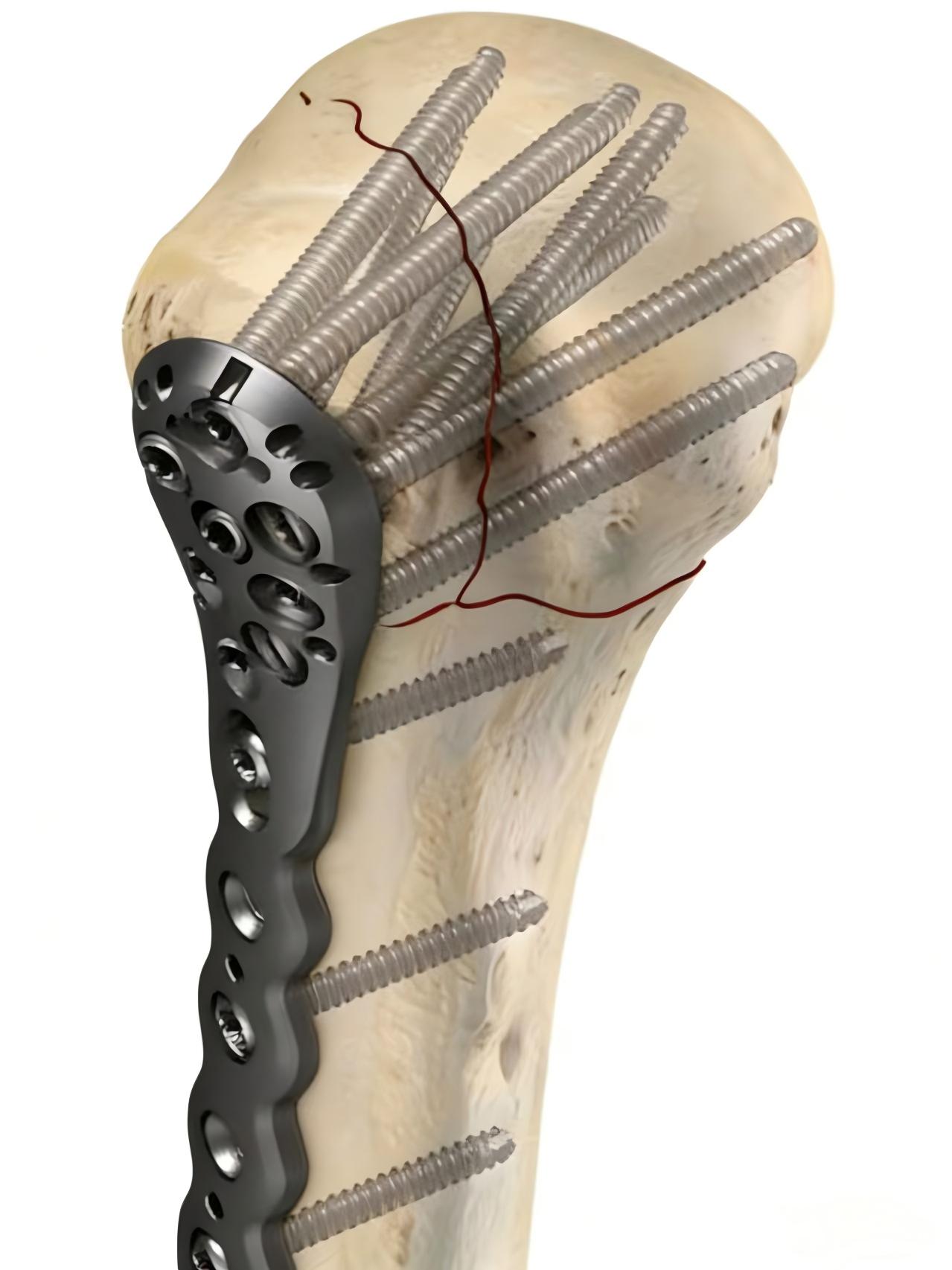
For medical applications, verify the use of biocompatible materials and precision standards. Products include medical titanium rods (with diameters from 3-300mm, using materials like CP Ti Grade 1-4 or Ti-6Al-4V) and Custom Precision CNC Machined Medical Components (model MA02). These parts are manufactured for surgical instruments, diagnostic equipment, and orthopedic implants.
Aerospace & High-Precision Parts
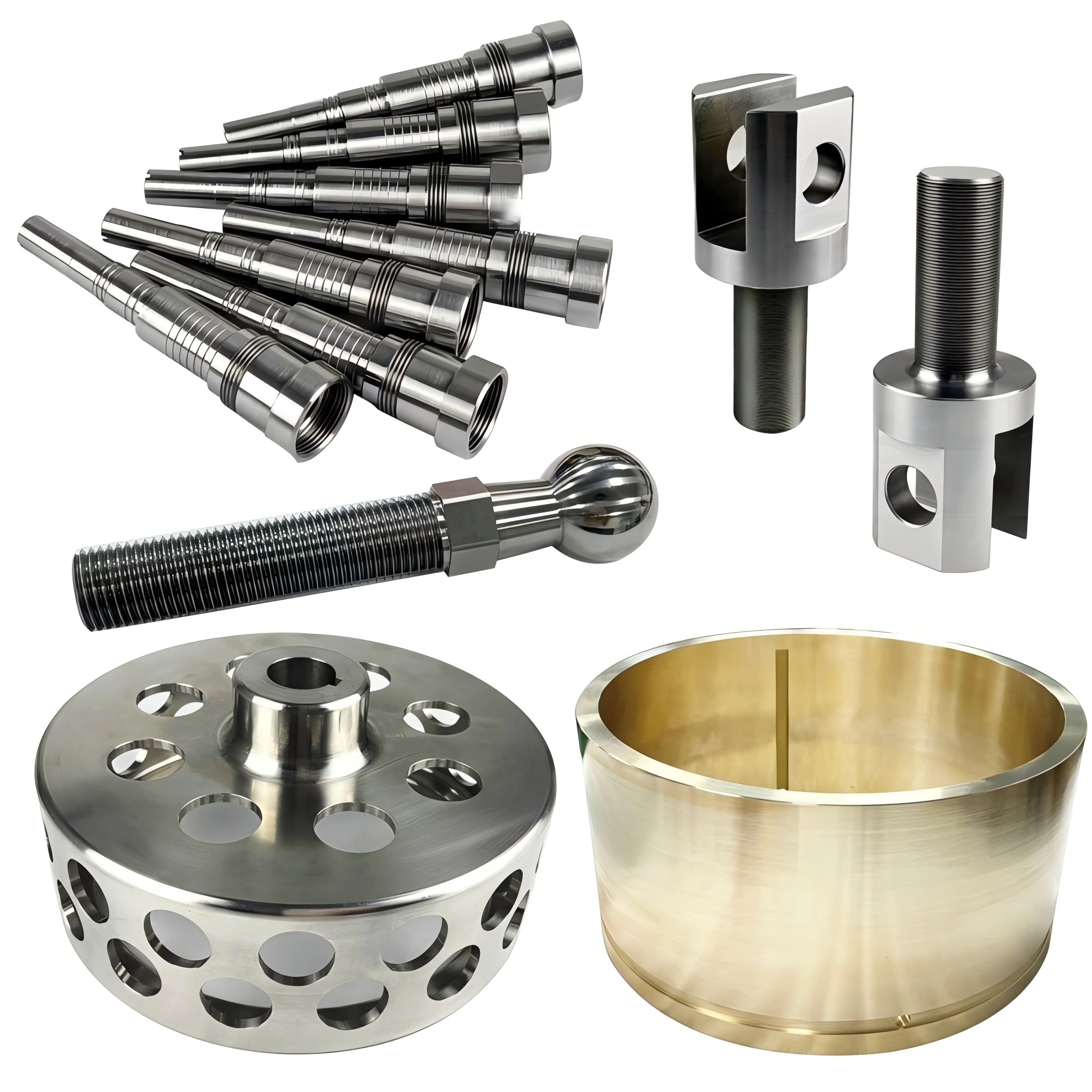
Aerospace components demand high strength-to-weight ratios and extreme precision. Suppliers should offer Aerospace CNC Machined Parts (model MA05), which are High Precision Custom Aerospace CNC Machined Components. Capabilities should include 5-axis CNC milling/turning and working with materials like titanium, aluminum 7075, and Inconel.
Industrial Electrochemical Components
For water treatment or metal plating, assess expertise in coated titanium electrodes. Products include Precious Metal Coated Custom Titanium Anodes (model TA01) and Titanium Electrodes (model TE01). These are used in applications like swimming pool disinfection, salt chlorinators, and ICCP systems, with a typical operational lifespan ranging from 5000 to 15000 hours.

4. Supply Chain and Operational Flexibility
Operational parameters directly impact project timelines and cost efficiency.
- Customization & MOQ: Determine if the supplier accommodates low-volume prototyping. Some offer minimum order quantities (MOQ) as low as 2 units for CNC parts or 5kg for titanium materials, with full customization per customer drawings.
- Lead Time & Capacity: Evaluate production throughput. Capacities can range from 100,000 units per month for CNC machining to 200 tons per month for titanium materials, with standard lead times between 15-30 days.
- Global Logistics: Confirm export experience and standard delivery terms (e.g., FOB, CIF). Suppliers with 80% export ratios to markets like the EU, USA, and Asia typically have established logistics networks.
Application Insight: Titanium Electrodes in Pool Disinfection
A practical example of product application can be found in the swimming pool disinfection sector, particularly in markets like France. In a salt electrolysis system, titanium electrodes facilitate the breakdown of dissolved sodium chloride (NaCl) in pool water. This process generates hypochlorous acid (HOCl), which acts as the primary disinfectant. The system requires water temperature above 15°C and salinity maintained between 1500 and 4500 ppm for optimal electrode function and lifespan.

5. Risk Mitigation and Post-Sale Support
A reliable supplier proactively manages risks and supports customers after the sale.
- Quality Risk Control: Inquire about specific measures to prevent defects. These may include sourcing first-class titanium sponge and applying triple melting processes to ensure material purity, or implementing 100% high-precision instrument testing on finished parts to verify dimensional accuracy against drawings.
- After-Sales Service: Clarify the scope of support. Many suppliers provide remote technical support for installation and troubleshooting.
- Payment & Acceptance Terms: Understand standard commercial terms, which often involve a 30% deposit with the balance paid before shipment, coupled with pre-shipment testing for part acceptance.
Conclusion
Selecting a supplier for industrial titanium and precision CNC components requires a multi-faceted evaluation. By systematically assessing a supplier's certifications, technical capabilities across specific product lines, operational flexibility, and risk management frameworks, procurement teams can make informed decisions. This due diligence ensures a partnership that delivers not only on specification and quality but also on reliability and long-term value, supporting complex manufacturing projects in sectors from medical technology to renewable energy.