الكتاب الأبيض: دليل شامل للمشترين والمهندسين الصناعيين
As sustainability becomes a non-negotiable factor in global procurement, recycled glass jars have surged in popularity. However, sourcing these products involves more than just an eco-friendly label. For industrial engineers, procurement managers, and quality assurance teams, understanding the technical nuances, production processes, and quality benchmarks is crucial for making informed decisions. This FAQ-style white paper, compiled by LAKOTTO Glassware, addresses the most pressing technical and commercial questions about recycled glass jars, drawing from our two decades of expertise in manufacturing and supplying premium household and decorative glassware.
1. Core Technical Parameters & Their Impact on Performance
Q1: What are the key technical specifications to evaluate in a recycled glass jar?
A: Beyond capacity and dimensions, several critical parameters define quality and suitability:
- Glass Composition (Cullet Percentage): This indicates the proportion of recycled glass (cullet) used in the batch. A higher percentage (e.g., 70-90%) signifies greater sustainability but requires advanced purification and processing to maintain clarity and strength. At LAKOTTO, our recycled glass storage jars utilize a proprietary blend of high-purity cullet and raw materials to ensure optimal performance.
- Thermal Shock Resistance (ΔT): Measured in °C, this defines the temperature difference the jar can withstand without cracking. A higher ΔT (e.g., 120°C) is essential for jars used in food preservation, dishwasher safety, or moving from fridge to microwave.
- Internal Pressure Resistance (for sealed jars): Critical for vacuum-sealed or pressurized contents. It's measured in bars or MPa and indicates the structural integrity of the jar's walls and sealing surface.
- Surface Hardness (Mohs scale): Determines scratch resistance. A rating of 5.5 or higher on the Mohs scale is typical for soda-lime glass, ensuring the jar resists abrasion during handling, cleaning, and stacking.
- Chemical Durability (Acid & Alkali Resistance): Assessed through standardized tests, this indicates the jar's resistance to corrosion from food acids or cleaning agents, preserving both the product and its contents over time.
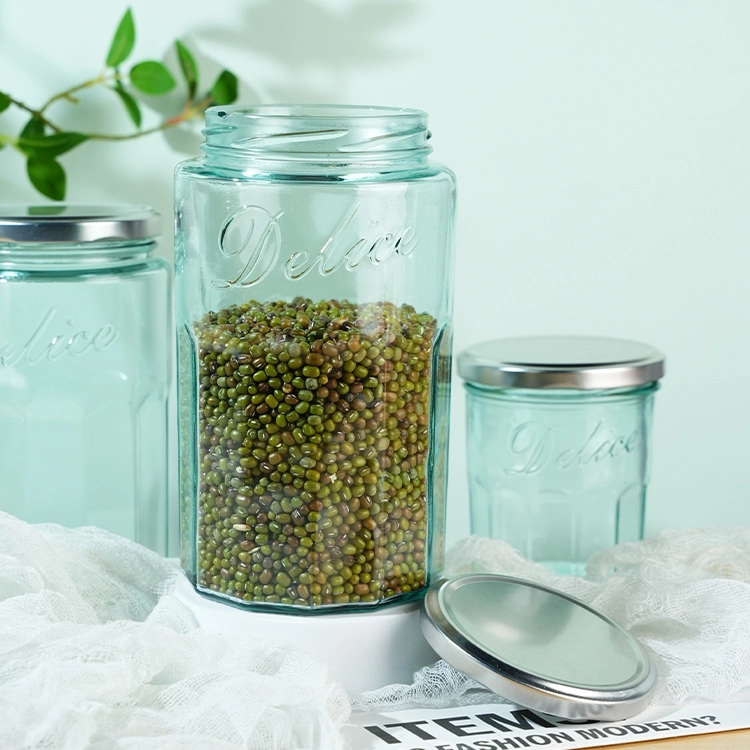
LAKOTTO's 980ml Recycled Glass Storage Jar: Engineered for high cullet content without compromising on durability or clarity.
Q2: How does the "recycled content" percentage affect the jar's physical properties?
A: It's a common misconception that higher recycled content automatically means lower quality. The impact is directly tied to the supplier's production technology:
- Impurities & Color Consistency: Lower-quality cullet can introduce bubbles, stones (unmelted particles), or color variations. Advanced suppliers like LAKOTTO employ multi-stage washing, optical sorting, and precise batch control to eliminate impurities, ensuring our recycled glass jars have consistent color and excellent transparency.
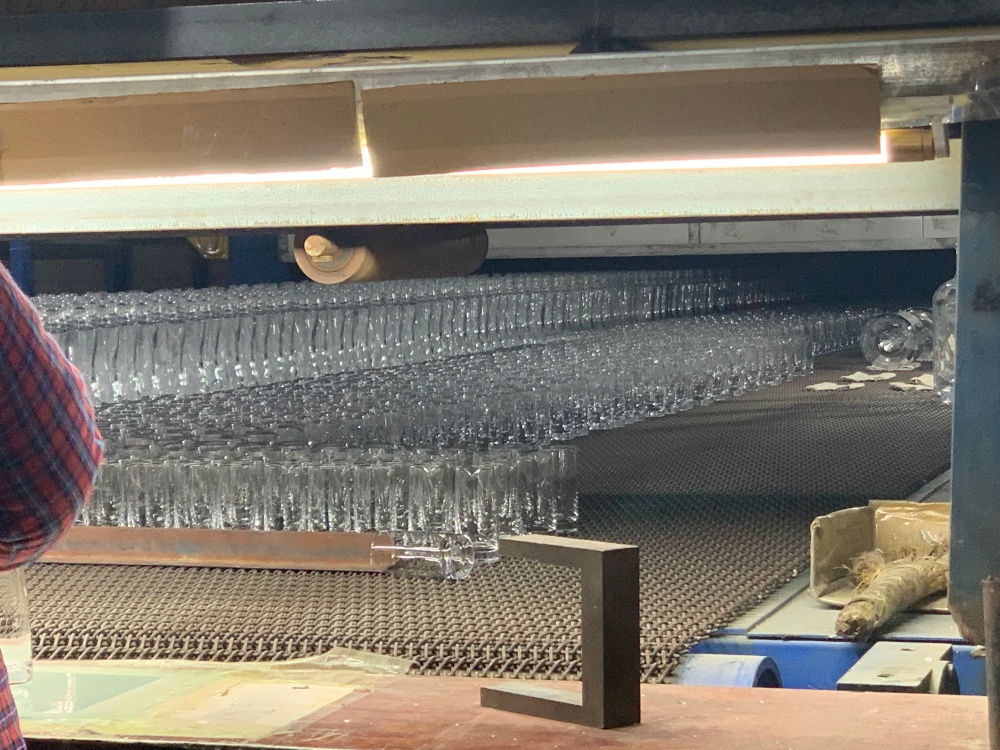
- Mechanical Strength: Properly processed cullet melts at a lower temperature, which can reduce energy consumption and actually lead to a more homogenous glass structure if the annealing process is precisely controlled. Our automated glass jar annealing process ensures even cooling, eliminating internal stresses that cause weakness.
- Food Safety: High-quality processing is non-negotiable. LAKOTTO's adherence to the food safety management system certification (GB/T 19001-2016/ISO9001:2015) and our ISO14001 environmental management certification guarantee that our recycled glass is safe for direct food contact.
2. Production Process & Its Direct Impact on Quality
Q3: What are the critical stages in manufacturing that most influence the final quality of a recycled glass jar?
A: Three core stages are paramount:
- Batch Preparation & Melting: The consistency of the cullet mix is vital. At LAKOTTO, we source pre-consumer and post-consumer cullet from trusted partners, ensuring a stable chemical composition. Our furnace technology maintains precise temperatures for optimal homogenization, which is the foundation of strength and clarity.
- Forming: Whether using IS (Individual Section) machines for high-volume standard jars or blow-molding for complex designs, the forming process defines wall thickness uniformity. Inconsistent walls are a primary cause of weak points and thermal shock failure. Our glass cup forming process is monitored by automated systems to ensure consistency.
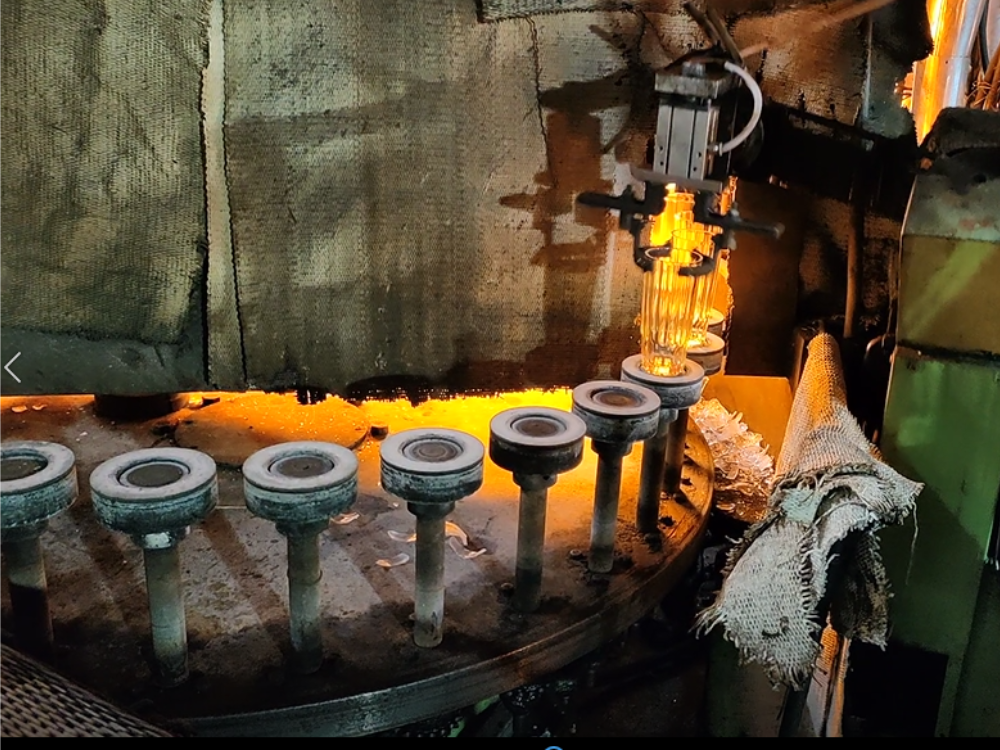
- Annealing (Lehr Process): This is arguably the most crucial step for durability. The jar must be cooled slowly and uniformly in a lehr oven to relieve internal stresses. Inadequate annealing leads to "thermal shock" failure and reduced impact resistance. LAKOTTO's state-of-the-art lehr ovens are computer-controlled, ensuring every jar, from a 250ml recycled glass storage jar to a large 980ml model, undergoes perfect stress relief.
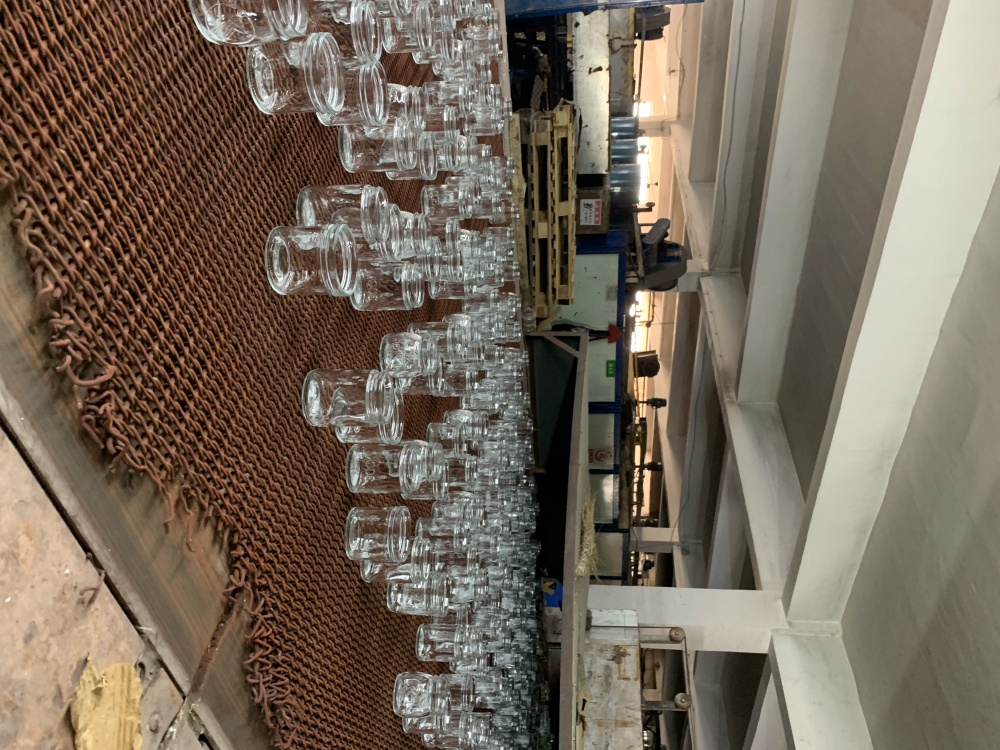
- Quality Inspection: Post-production, each batch undergoes rigorous checks. This includes automated checks for dimensions, visual inspection for defects (bubbles, cracks), and random sample testing for thermal shock and pressure resistance. Our dedicated QC team is the final gatekeeper before products reach our 2,000 sqm warehouse.
3. Common Technical Selection Mistakes for Buyers
Q4: What are the top 3 mistakes buyers make when evaluating recycled glass jar suppliers?
A: Based on our experience serving global retailers, we identify these frequent oversights:
- Mistake 1: Prioritizing Price Over Process Certification. A low price often correlates with shortcuts in cullet purification or annealing. Always verify certifications. LAKOTTO holds ISO9001:2015 for quality management, BSCI for social compliance, and food safety management system certification, providing a complete audit trail of our responsible manufacturing.
- Mistake 2: Ignoring "Total Cost of Ownership" (TCO). A slightly cheaper jar with a higher breakage rate in transit or from thermal shock increases costs through returns, replacements, and customer dissatisfaction. Investing in jars with proven durability, like those from LAKOTTO, lowers TCO significantly.
- Mistake 3: Overlooking Design for Manufacturing (DFM) Capabilities. Custom designs (OEM/ODM) require a supplier with deep process knowledge. A design that looks good on paper may be prone to breakage if not optimized for glass flow and stress distribution. LAKOTTO's professional design and engineering team collaborates with clients from concept to production, ensuring manufacturability without sacrificing aesthetics, as seen in our LUEUR Series or amber recycled glassware sets.
4. The LAKOTTO Advantage: Technological Edge in Recycled Glassware
Q5: What specific technological innovations does LAKOTTO bring to recycled glass jar production?
A: As a professional supplier of household glassware since 2003, LAKOTTO has built its core advantages on integration and innovation:
- Integrated Supply Chain & Advanced Sourcing: Our strong cooperative relationships with over 150 specialized glass factories across China allow us to source the highest quality raw and recycled materials. This network, combined with our in-house glassware producing expertise, gives us unparalleled flexibility and cost control.
- Proprietary Cullet Processing & Blending: We have developed advanced techniques for cleaning and sorting cullet, allowing us to achieve high recycled content while maintaining optical clarity and chemical stability that rivals virgin glass, evident in our recycled glass drink sets.
- Full-Process Quality Integration: Quality control is not a final step but is embedded in every stage—from material intake to final packaging. This holistic approach is certified under our ISO9001 system and ensures consistent batch-to-batch excellence.
- Market-Driven Sustainable Design: Our design team doesn't just follow trends; they anticipate them by analyzing global markets. We transform sustainable materials into desirable products, such as our recycled glass storage jar with wooden lid, which combines eco-materials with a warm, marketable aesthetic.
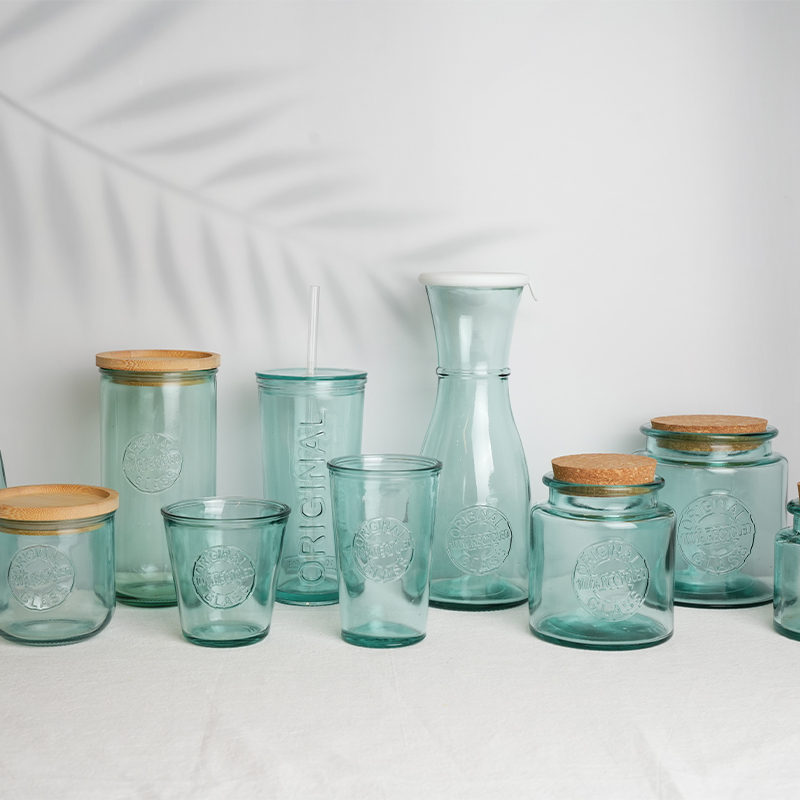
LAKOTTO's diverse range of Recycled Glassware Sets demonstrates the perfect marriage of sustainability, design, and technical precision.
Partner with a Technologically Advanced Supplier
Choosing LAKOTTO means partnering with a supplier that understands the technical depths of glassware manufacturing and the commercial imperatives of the global market. We provide more than just products; we offer reliable, sustainable, and innovative glass jar solutions backed by transparent processes and certified quality systems.
Contact LAKOTTO today for technical specifications, samples, or a consultation on your next project:
📞 Phone/WhatsApp: +86 19310185010
📧 Email: cs61@kottoglass.com
🌐 Website: www.kottoglass.com
Address: Room 1403, Building 1, Hongxiang Huayuan, NO.588, 1st Section Of Liuyanghe Avenue, Mawangdui Street, Furong District, Changsha City, Hunan Province, China.