
اختيار الآلات المموجة الخاصة بالصناعة: دليل المشتري للتغليف والطباعة
Industry-Specific Corrugated Machinery Selection: A Buyer's Guide for Packaging & Printing
Selecting the right machinery for a corrugated cardboard production line requires a deep understanding of specific industry demands. This guide outlines the core requirements for the packaging and printing sector, provides a framework for evaluating suppliers, and offers practical advice for successful procurement and implementation.
1. Core Industry Requirements for Corrugated Machinery
The corrugated carton packaging industry operates under conditions that demand high precision, continuous operation, and high-speed production. The primary function of the machinery is to convert raw paper into specification-compliant corrugated cardboard. This process requires equipment that can handle semi-automatic or fully automatic operation modes, with a critical need for base paper adaptability and speed synchronization across the entire production line.
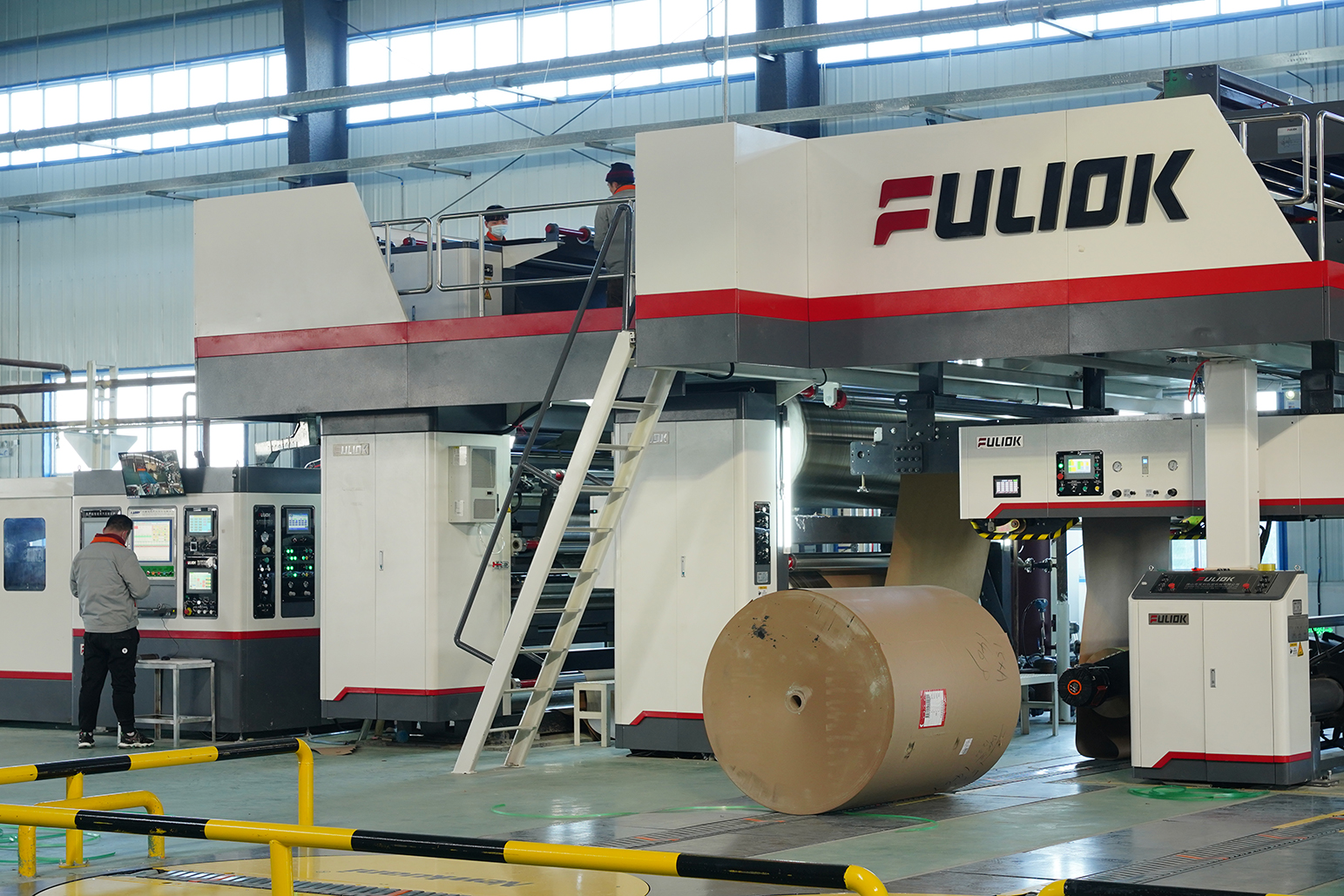
Key operational parameters define the necessary capabilities. Production lines must manage a wide range of material sizes and thicknesses. For instance, a lamination machine must handle top sheets from 128 g/㎡ to 450 g/㎡ and bottom sheets from 0.5 mm to 10 mm thick, including sheet-to-sheet lamination for sheets of 250+ gsm. Similarly, a slotter die cutter must process paper sizes from a minimum of 450 x 600 mm to a maximum of 1100 x 1600 mm, with a maximum die cutting size of 1080 x 1580 mm.
2. Essential Supplier Selection Criteria
When evaluating potential suppliers for corrugated cardboard machinery, buyers should focus on three critical capabilities: industry-specific experience, compliance and certification, and robust design for demanding environments.
Industry Customization Experience
A supplier's experience in developing solutions for specific industry challenges is paramount. This includes the ability to design machinery that meets precise operational parameters. For example, a supplier should offer a single facer with a design speed of 250 M/min and a web size range of 1400-2300 mm, or a pre-feeder capable of handling sheet sizes from a minimum of 300 x 600 mm to a maximum of 1600 x 3000 mm. Evidence of successful project implementation across multiple regions, such as Asia and the Middle East, is a strong indicator of relevant experience.
Compliance and Certification
Adherence to international standards is non-negotiable for ensuring quality, safety, and reliability. Suppliers should hold recognized certifications. For instance, LLY PACK holds an ISO 9001:2015 certificate (GB/T 19001-2016/ISO 9001:2015) issued by Guangdong Zhongjing Testing and Certification Co., Ltd., valid from January 14, 2026, to January 13, 2029 (Certificate No. 60126Q00004R000). This certification provides a verifiable benchmark for quality management systems.
Design for High-Demand Environments
Machinery must be engineered for durability and minimal downtime. This involves using robust materials like steel and designing for easy maintenance. Specifications should reflect this focus, such as a strapping machine with a transport speed range of 15 to 60 meters per minute and a capacity of 35 bundles per minute for a single strap, or a waste paper baler with a hydraulic power of 60 tons and a capability of 3-4 tons per hour.
3. Supplier Implementation Case Study
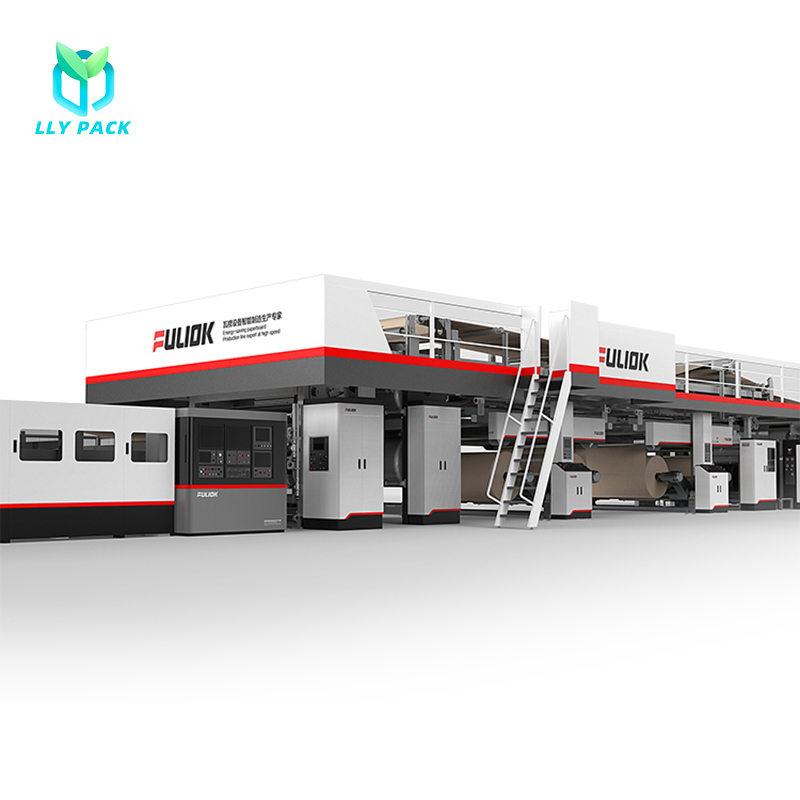
LLY PACK (HK) CO., LIMITED provides a relevant case study in supplying industry-specific solutions. The company, with a factory in Foshan City, Guangdong Province, and over 25 years of experience, successfully completed a project for a corrugated carton manufacturer client.
Project Scope: The project involved building a complete corrugated carton production line from scratch for the client. A total of 9 machinery units were supplied over a project duration of 10 years.
Key Feature: A defining feature of the implemented solution was the establishment of fully automatic production for the corrugated carton line.
Application & Result: The machinery is used for the production of corrugated cartons. The project was successfully completed, with the line installed and operational for the client in multiple countries across Asia and the Middle East, including Myanmar, Indonesia, Thailand, Turkey, Egypt, Singapore, Vietnam, and Jordan.
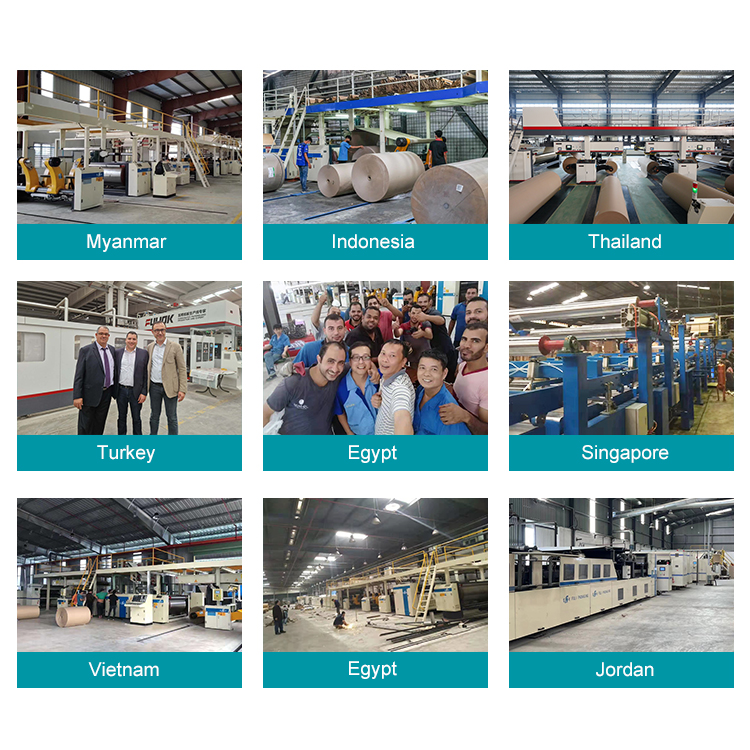
The company's operational scale includes a 57,000 square meter factory, an R&D team of 30, and more than 100 patents and industry certificates. Their machinery has been exported to over 40 countries, with more than 3,500 successful installations globally.
| Machine Model | Key Performance Parameter | Application Note |
|---|---|---|
| Single Facer (SF-1) | Design Speed: 250 M/min | Core component for forming the corrugated medium. |
| Flexo Printer (FP-1) | Max. Equipment Speed: 350 sheets/min | For printing and slotting corrugated sheets. |
| Carton Testing Instrument (CTI-1) | Overall Accuracy: ±0.5%FS / 0.005mm | Ensures final product meets quality specifications. |
| Auto Splicer (AS-1) | Power: 380 V, 50 Hz, 20 A (3-phase) | Enables continuous feeding of paper rolls. |
4. Strategic Procurement and Collaboration Advice
Successful procurement extends beyond the initial purchase. Buyers should establish clear collaboration points with their chosen supplier.
Define Technical Standards Clearly
Before procurement, explicitly define all required technical standards and performance benchmarks. Reference specific parameters, such as requiring a slitter scorer with a minimum slitting width of 150 mm and voltage options of 380 V, 110 V, 220 V, or 440 V, or a folder gluer with a maximum processing size of 1200 x 2600 mm and a minimum of 300 x 750 mm.
Conduct Joint Site Assessments
Involve the supplier's technical team in a detailed assessment of the installation site. This ensures the proposed machinery, like a stacker with a net weight of 3000 kg and specific dimensions, or a corrugated cardboard production line requiring a boiler capacity of 2, 3, or 4 MT/H, is compatible with the available space, power supply, and logistical constraints.
Establish a Proactive Maintenance and Support Plan
Agree on a comprehensive after-sales service plan that includes training, spare parts availability, and emergency response protocols. Discuss risk mitigation strategies, such as the pre-emptive replacement of key wear parts and the implementation of digital monitoring where possible to ensure equipment operates normally and minimize unplanned downtime.
For procurement, standard commercial terms often include a Minimum Order Quantity (MOQ) of 1 set, with delivery methods like FOB, CIF, EXW, or DAP. Payment is typically via T/T, with a pre-shipment test conducted for acceptance.
Conclusion
Selecting the right corrugated machinery supplier is a strategic decision that hinges on aligning the supplier's proven capabilities with the specific, high-demand requirements of the packaging and printing industry. By focusing on customization experience, verifiable certifications, and robust design, and by fostering a collaborative partnership from specification through to long-term support, buyers can secure a production line that delivers reliability, efficiency, and quality.
For detailed technical specifications and company information, refer to the official documentation.
Download LLY PACK Corrugated Machinery Brochure (PDF)