
 8000m²
 200
200

دليل شامل للمشترين: كيفية اختيار مصنع PCB موثوق به ومرن
A Comprehensive Guide for Buyers: How to Select a Reliable Flexible PCB Manufacturer
Selecting the right flexible printed circuit (FPC) manufacturer is a critical decision that impacts product quality, cost, and time-to-market. This guide outlines key evaluation criteria to help procurement professionals make informed decisions.
1. Assess Core Manufacturing Capabilities and Scale
A manufacturer's physical and technical infrastructure is foundational. Key indicators include:
- Production Scale: Evaluate the size of the manufacturing facility and annual output. For example, manufacturer M2PCB operates from an 8,000 square meter facility with an annual production capacity of 360,000 square meters of printed circuit boards.
- Technical Expertise: The depth of the R&D team is crucial for handling complex designs and prototyping. A team of 30 engineers indicates significant in-house technical capability.
- Product Range: Verify if the supplier can meet your specific needs, such as manufacturing 1 to 14 layer flexible PCBs and providing full PCB assembly (PCBA) services.
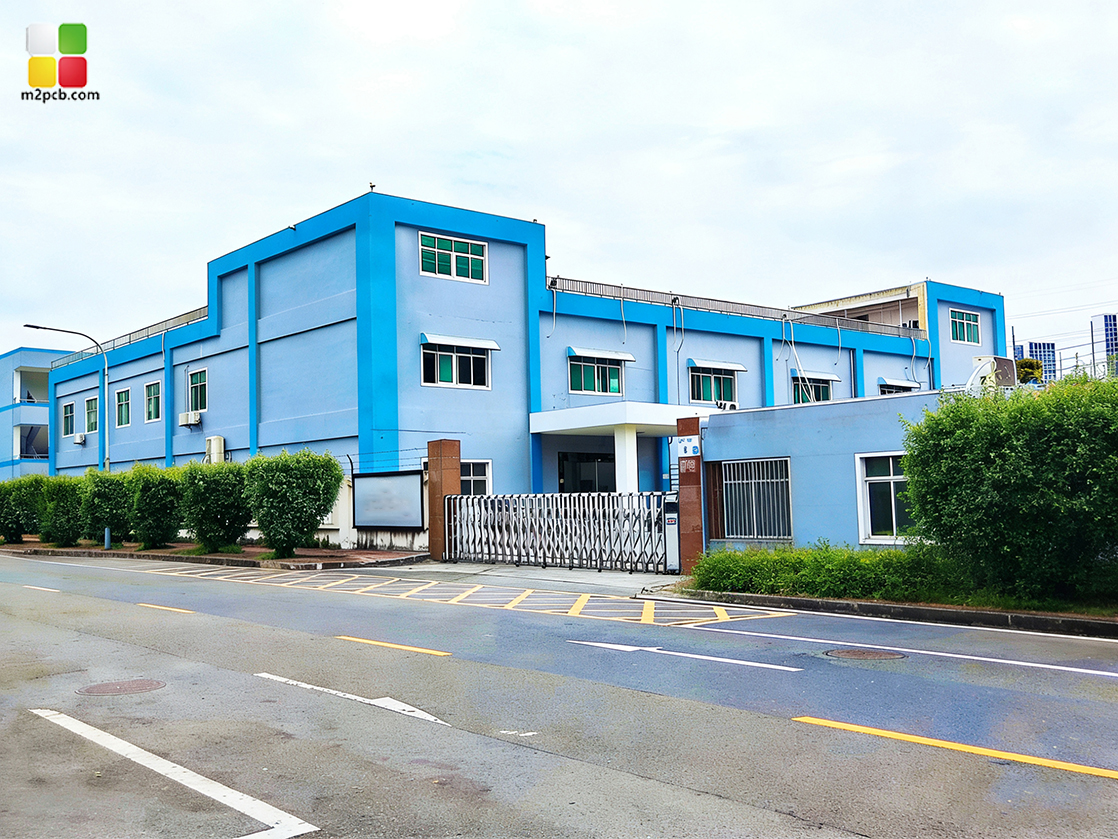
Example of a modern PCB manufacturing facility.
2. Verify Quality Systems and Industry Certifications
Certifications are not just paperwork; they are evidence of a standardized quality management system. Essential certifications for flexible PCB manufacturers include:
- IATF 16949:2016: This is the international standard for quality management in the automotive industry. A certificate (e.g., Cert Number: T184452) demonstrates the manufacturer's capability to supply the automotive sector, covering components like wiring harnesses, instrument panels, and entertainment systems.
- UL Certification: For products targeting the North American market, UL certification (e.g., File Number E530809) for flexible circuit boards is often a mandatory safety requirement, ensuring compliance with electrical and fire safety standards.
Always request valid certificates and check their scope against your product's application.
3. Evaluate Technical Specifications and Material Expertise
Understanding a supplier's command over materials and processes is vital for product performance.
- Material Proficiency: Suppliers should be adept with core FPC materials like Polyimide (PI) for flexible boards, and FR4 and IMS for various PCB and PCBA applications.
- Process Capabilities: Inquire about specific technical parameters. For instance, for a Flexible LED PCB used in lighting or medical aesthetics, can the supplier handle a maximum width of 240mm and a minimum line width of 0.05mm? Does their process support impedance control for high-speed or RF applications?
- Testing Protocols: Robust quality control involves multiple testing stages, such as 100% electrical testing, flying probe test, and AOI (Automated Optical Inspection).
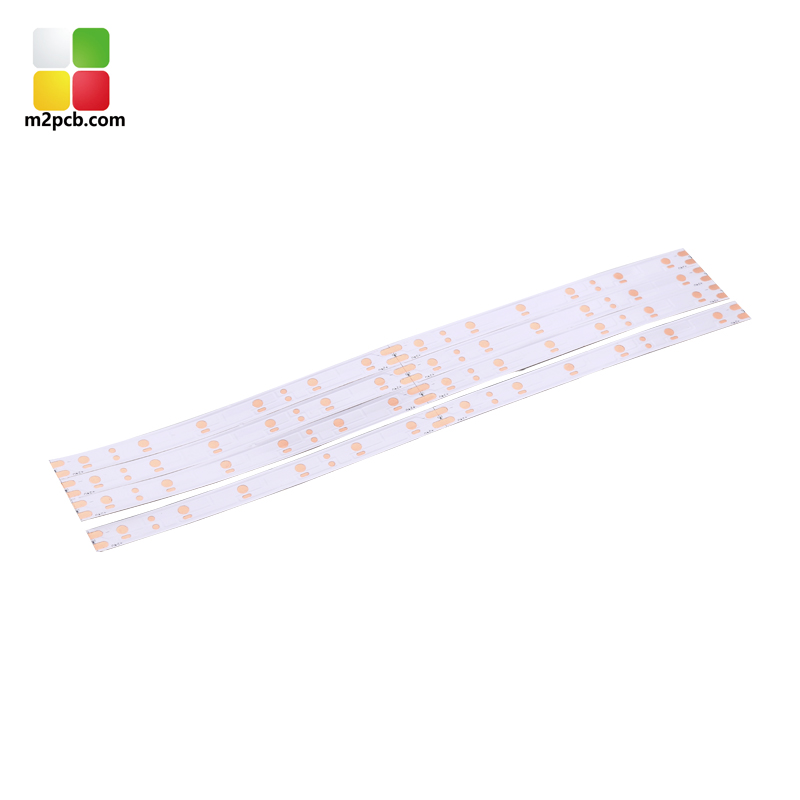
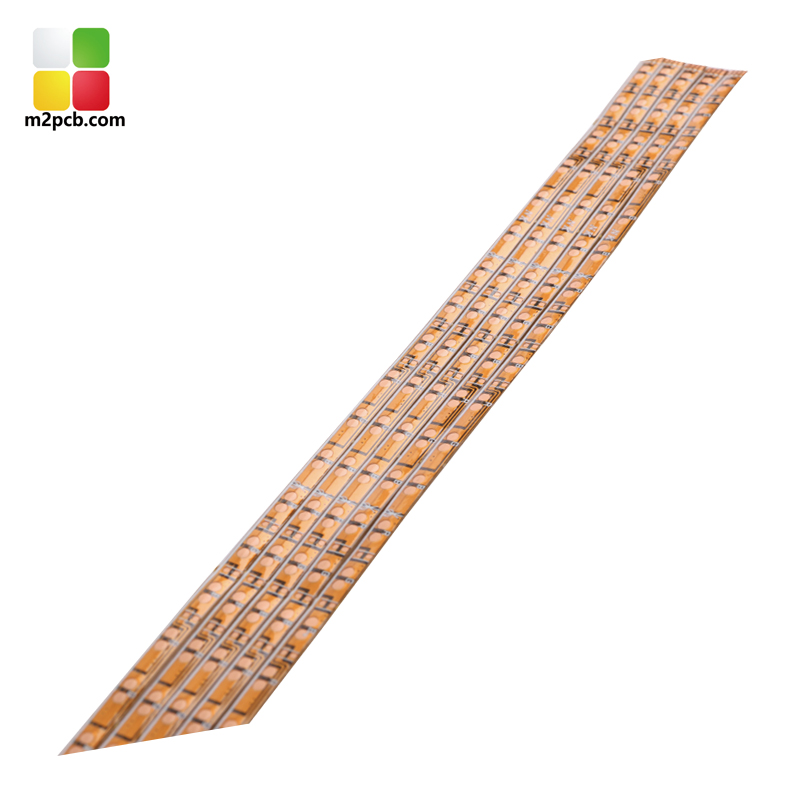
Examples of flexible PCB applications: circuit boards and LED strips.
4. Analyze Supply Chain and Compliance for Target Markets
A manufacturer's experience in your target geographic market is a significant advantage.
- Market Experience: Suppliers with a strong export focus, such as those serving Europe, North America, South America, and Australia, are typically more familiar with international logistics, customs, and regional requirements.
- Regulatory Compliance: For markets like the EU and USA, ensure the supplier has strict controls for substances like RoHS and REACH. This often involves requiring RoHS/REACH compliance declarations from their raw material suppliers.
- Project Flexibility: Determine if they offer OEM/ODM services and support low Minimum Order Quantities (MOQ), which is crucial for prototyping and small-batch production.
5. Consider Operational Efficiency and Support Structure
Beyond the product, evaluate the supplier's operational model.
- One-Stop Service: A supplier that integrates solution design, R&D sampling, circuit board production, SMT processing, and PCBA testing can significantly reduce coordination overhead, shorten lead times, and lower operational complexity compared to managing multiple specialist vendors.
- Communication and Support: Clear, accessible communication channels are essential. Reliable suppliers provide direct contacts via email (e.g., pcb@dreamlandpcb.com), telephone, and WhatsApp (e.g., +86 136-2262-8609).
- Industry Application Experience: Review their portfolio in relevant sectors. Flexible PCBs and PCBA are widely used in automotive electronics, industrial control, medical devices, artificial intelligence, and new energy industries.
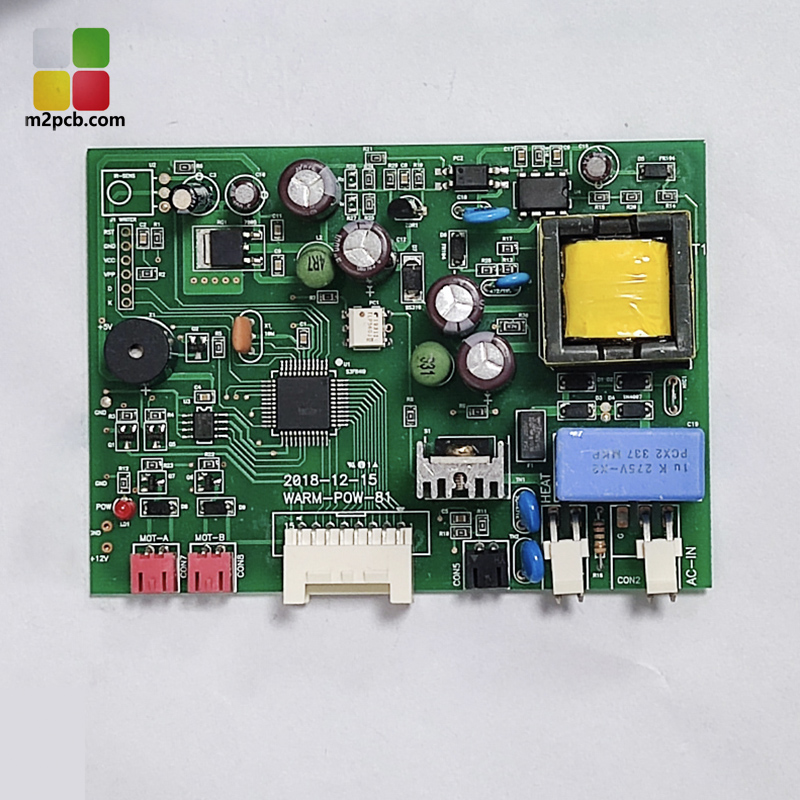
Example of a PCBA for a consumer electronics application.
Conclusion
Selecting a flexible PCB partner requires a multi-faceted evaluation. By systematically assessing a manufacturer's scale and capabilities, quality certifications, technical specifications, market compliance, and operational efficiency, buyers can mitigate risk and establish a partnership that supports both immediate project needs and long-term strategic goals. Due diligence in these areas is the most effective strategy for ensuring a reliable supply of high-quality flexible printed circuits.