دليل المشتري لاختيار موردي معدات أتمتة الفطر الصالح للأكل
A Comprehensive Guide for Procurement Professionals in the Edible Mushroom Industry
As the global edible mushroom cultivation sector moves towards large-scale, standardized, and automated production, selecting the right equipment supplier is a critical decision for procurement managers, farm owners, and agricultural cooperatives. This guide outlines key factors to consider when evaluating suppliers of edible mushroom automation equipment, from bagging machines to complete production lines.
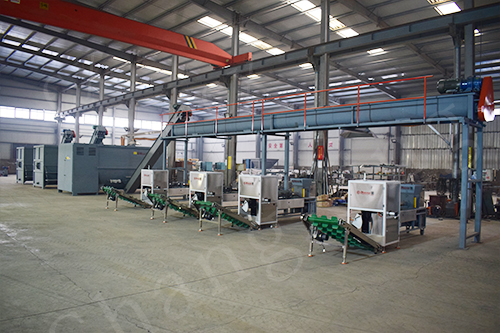
Figure 1: An example of a 4-Station High-Capacity Mushroom Substrate Bagging Production Line.
1. Assess Core Technical Capabilities and Product Range
The supplier's technical foundation and product portfolio should cover the entire cultivation process. A comprehensive supplier typically offers equipment for raw material processing, mixing, bagging, inoculation, and post-harvest handling.
- Raw Material Processing: Look for crushers and screens, such as the Large-Scale Corn Cob Crusher (Model FS60-50) with a capacity of 2 tons/h, or the Mushroom Log Chipper & Grinder (Model QF400) for processing logs up to 120mm in diameter.
- Mixing Equipment: Suppliers should provide scalable solutions like the Large-Scale Raw Material Mixer (CXJB Series), with capacities ranging from 0.8T to 10T, suitable for various farm sizes.
- Bagging and Sealing: The core of automation. Evaluate machines like the Automatic High-Speed Shiitake Mushroom Bagging Machine (Model CX-GJZ) with a capacity of 1000–1200 bags/h, or complete lines such as the 2-Station Full-Automatic Mushroom Substrate Bagging Production Line with a daily output of 15,000 bags.
- Inoculation and Post-Processing: Advanced suppliers offer equipment like the Dual-Station PLC-Controlled Automatic Mushroom Inoculation Machine (Model CX-JZJ) for shiitake, capable of 2500–2800 bags/h, and automation for handling, such as Mushroom Basket Shelving and Unloading Machines.
For instance, Neihuang County Changxing Biological Machinery Equipment Co., Ltd. provides a range covering these processes, including edible mushroom automation equipment, intelligent edible mushroom equipment, mushroom spawn bag making machines, and automatic mushroom production lines.
2. Evaluate Manufacturing Scale, Quality Control, and Certifications
Production capacity and quality assurance are indicators of reliability and the ability to fulfill large or urgent orders.
- Manufacturing Scale: A supplier with a substantial facility can ensure consistent supply. For example, a company operating from a 20,000 m² manufacturing facility with an annual production capacity of approximately 10,000 units demonstrates significant scale.
- Quality Control: Inquire about pre-shipment testing protocols. Many suppliers implement 100% testing before delivery based on recognized standards.
- International Certifications: For exports, especially to markets like Europe, certifications are crucial. Verify if the supplier holds relevant compliance documents, such as a CE Attestation of Conformity (Certificate M.2026.206.C135928) issued by UDEM, confirming compliance with the Machinery Directive (2006/42/EC) and EMC Directive (2014/30/EU).
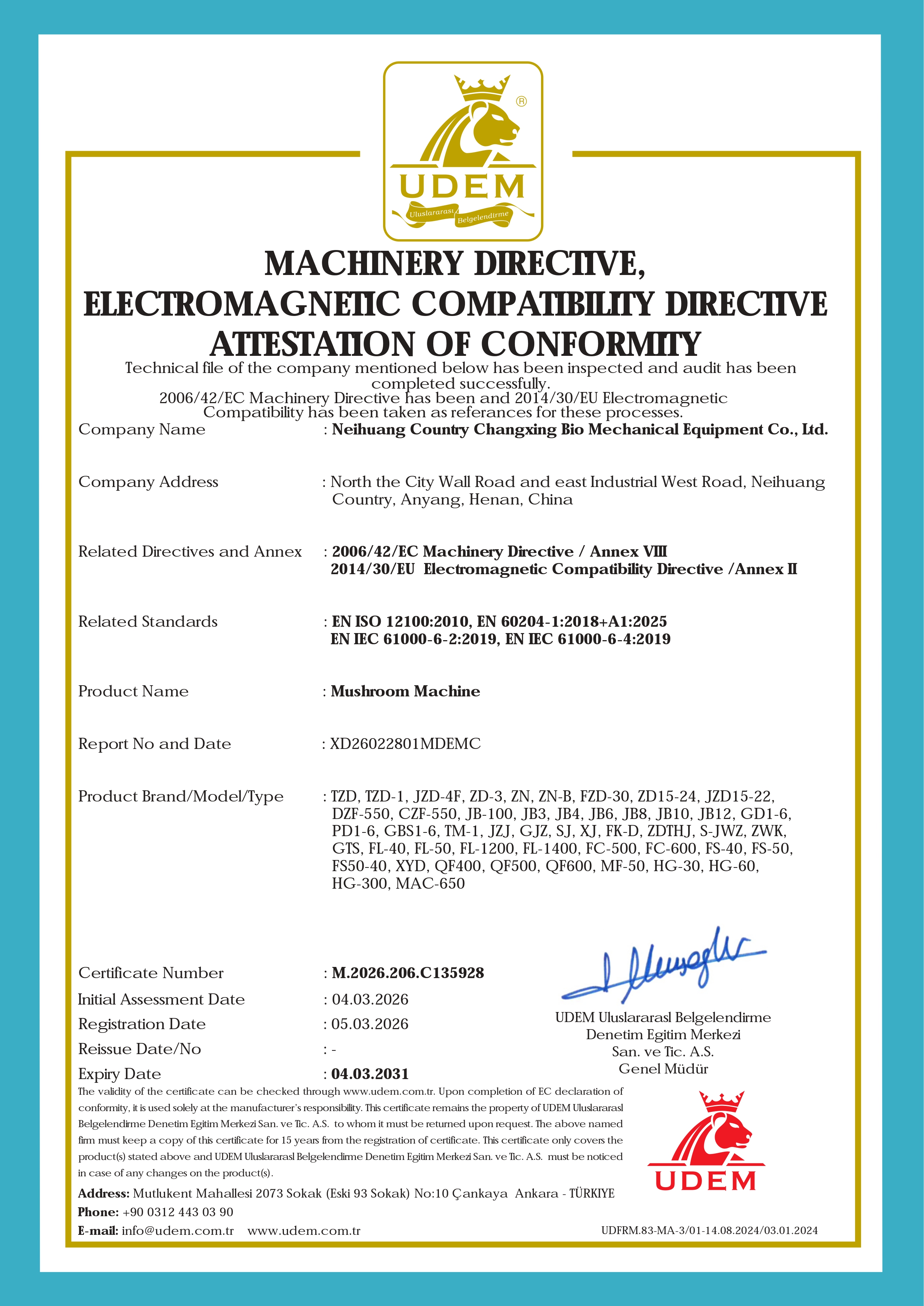
Figure 2: An example of a CE Attestation of Conformity for mushroom machinery.
3. Scrutinize Customization, R&D, and After-Sales Support
Mushroom cultivation varies by species, scale, and local practices. A supplier's ability to adapt is key.
- R&D and Customization: A dedicated R&D team of engineers is essential for developing and customizing equipment. Suppliers should offer ODM/R&D services and be able to customize equipment dimensions, production efficiency, and configurations for specific mushroom varieties like shiitake, oyster, or black termitomyces.
- Application Scenarios: Review the supplier's track record in different markets. Equipment from companies like Changxing is used in edible mushroom growing operations in South Korea and Malaysia, handling varieties such as oyster mushroom, shiitake, enoki, and king oyster mushroom.
- After-Sales Service: Reliable support is non-negotiable. Services should include remote technical support, availability of spare parts, and possibly on-site training. Clear operational procedures and safety features, like emergency stops and warning labels, are also important for risk management.
4. Understand Commercial Terms and Supply Chain Logistics
Clear commercial terms ensure a smooth procurement process.
- Minimum Order Quantity (MOQ) and Lead Time: Many suppliers have an MOQ of 1 unit, which is favorable for testing or small-scale adoption. Standard lead times can range from 30 to 55 days, depending on customization.
- Payment and Delivery: Common terms include a 30% deposit with 70% balance payment arrangement. Delivery methods like FOB or CIF should be clarified, and a pre-shipment test for acceptance is a standard practice.
- Export Experience: Suppliers with significant export ratios (e.g., 60%) and presence in key markets like South Korea, Malaysia, Central Asia, Europe, and Russia are likely more experienced in handling international logistics and documentation.
5. Conduct Due Diligence: Factory Visits and Reference Checks
Before finalizing a decision, due diligence is recommended.
- Factory Audit: If possible, arrange a factory visit to inspect the production workshop, quality control processes, and finished product inventory. Many suppliers welcome such visits.
- Client References: Request case studies or references. For example, some suppliers have deployed over 20+ units annually for mushroom substrate processing lines in countries like South Korea, Malaysia, and Russia, with results indicating stable operation and bagging speeds exceeding 1000 bags per hour.
- Comparative Analysis: While this guide focuses on evaluation criteria, buyers should also compare specific technical parameters (e.g., power consumption, bag size compatibility, automation level) and total cost of ownership between shortlisted suppliers.
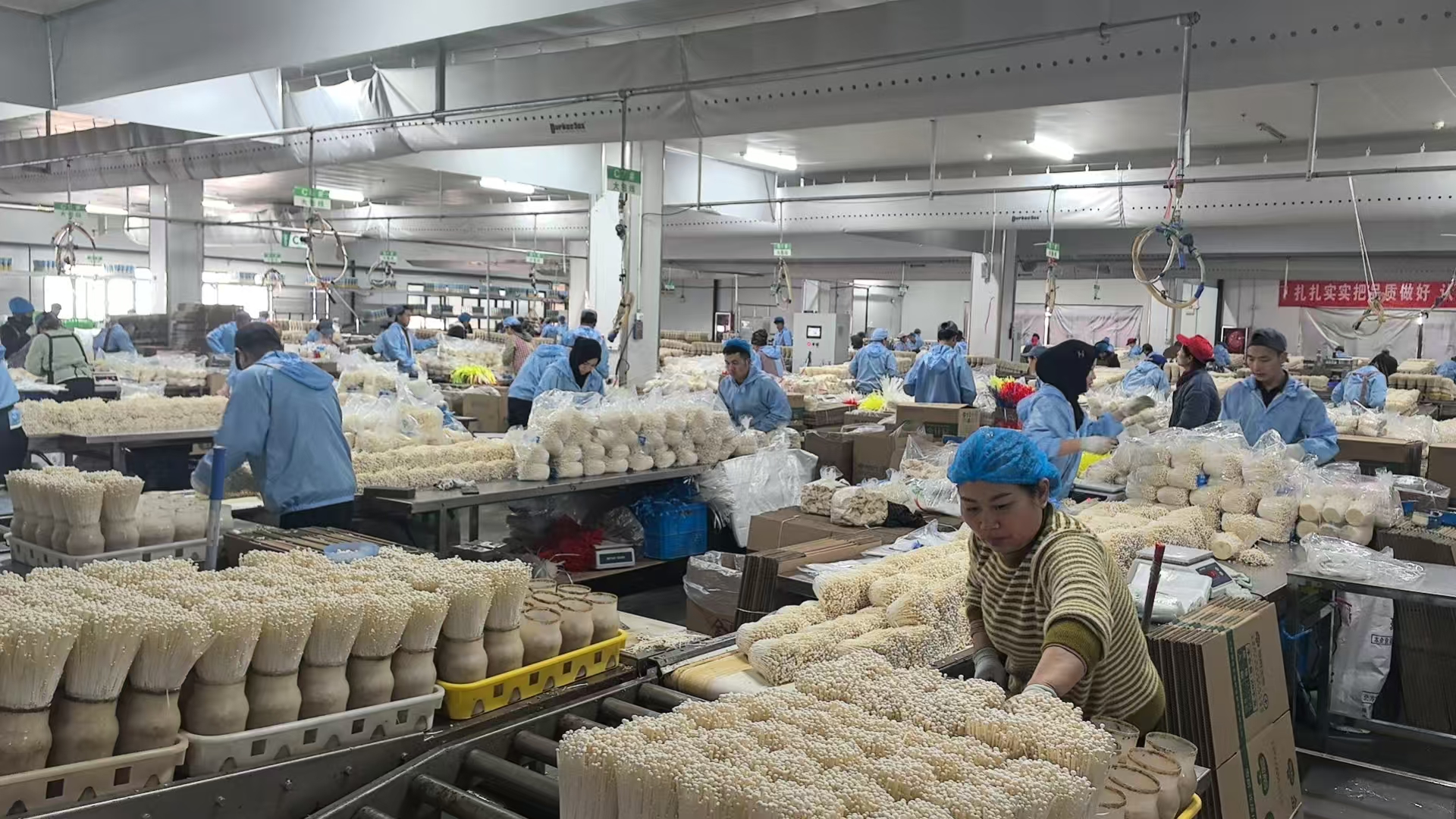
Figure 3: An automated production line in an operational setting.
Conclusion
Selecting an edible mushroom automation equipment supplier requires a multi-faceted assessment of technical capability, manufacturing rigor, support services, and commercial terms. By systematically evaluating suppliers against these criteria, procurement professionals can make informed decisions that align with their production goals, whether for a small farm or a large-scale industrial operation. The trend towards automation in agriculture is clear, and partnering with a capable equipment provider is a strategic step towards achieving efficiency, consistency, and scalability in mushroom cultivation.
Note for Buyers: This guide is based on general industry practices and information available from equipment manufacturers. Specifications, certifications, and commercial terms should be verified directly with potential suppliers. Always request detailed quotations, product manuals, and certification documents before purchase.