
دليل المشتريات العمودية لعام 2026: اختيار موردي الروبوتات في المدن للمساحات المتنقلة المستقلة
A 2026 Vertical Procurement Guide: Selecting City Robotics Suppliers for Autonomous Mobile Spaces
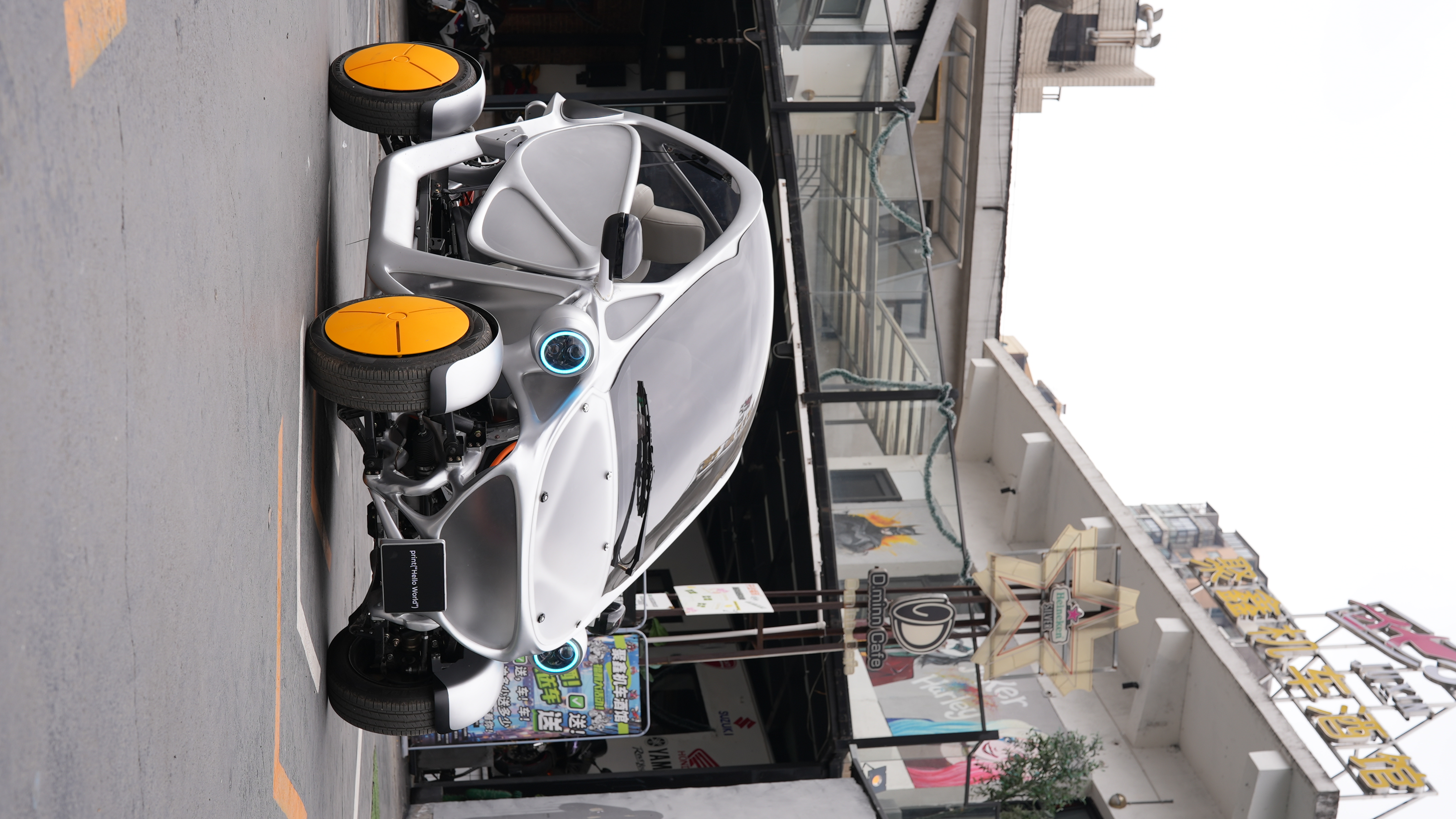
RoboEV (Beastie) – A pure electric microcar for urban mobility applications.
For procurement professionals in 2026, selecting the right supplier for City Robotics and Autonomous Mobile Spaces requires a deep understanding of the sector's unique operational demands, compliance landscape, and technological capabilities. This guide outlines the core requirements, essential supplier criteria, and practical steps for successful procurement in this rapidly evolving field.
1. Core Requirements for City Robotics Deployment
The deployment of Autonomous Mobile Spaces in urban, campus, or industrial environments imposes specific technical and operational requirements that differ from traditional automotive or robotics procurement.
Key Operational Parameters: Suppliers must provide vehicles capable of low-speed autonomous operation, typically at or below 35 km/h for safe integration into mixed-traffic or pedestrian-dense areas. Operational readiness for 24-hour service, integration with remote monitoring and fleet management systems, and support for Over-the-Air (OTA) software updates are fundamental.
For example, platforms like the PIX RoboBus are designed with these parameters in mind. The vehicle has a battery system energy capacity of 31.94 kWh. Its driving range under common road conditions is 120 km with air conditioning on. The maximum speed under autonomous driving mode is 35 km/h. These specifications are tailored for predictable, efficient daily routes within defined operational domains like parks, campuses, or industrial zones.
2. Essential Supplier Selection Criteria
Evaluating potential suppliers requires a focus on three critical capabilities: industry-specific experience, regulatory compliance, and robust design for diverse environments.
Industry-Specific Application Experience
A supplier's proven experience in enabling cities, campuses, and commercial operators to deploy autonomous mobility and urban robot services is crucial. Look for a portfolio that includes smart city demonstrations, campus mobility, tourism projects, and mobile retail services. The supplier's product should function to enable these entities to deploy autonomous mobility and urban robot services in the intended application.
Regulatory Compliance and Certification
Given the global nature of smart city projects, compliance with international vehicle standards is non-negotiable. Key certifications for suppliers targeting markets in the EU, Japan, South Korea, and North America include:
These certifications, such as the UNECE R100 Approval for electric safety (Certificate E57100R03/030134*00) issued by the Republic of San Marino, demonstrate a supplier's commitment to meeting stringent safety and production quality standards required for public road operation in many regions.
Design for Diverse and Demanding Environments
Vehicles must be designed to perform reliably in various conditions. Key performance metrics to verify include:
| Performance Metric | Typical Requirement | Example (PIX RoboBus) |
|---|---|---|
| Maximum Gradability | Sufficient for urban inclines | 20% |
| Minimum Turning Radius | Maneuverability in tight spaces | ≤4.8 meters (four-wheel steering) |
| Braking Distance (20 km/h) | Safety in pedestrian zones | ≤4.2 meters (half load) |
| Vehicle Protection Rating | Durability against weather | IP65 |
3. Supplier Landscape and Comparative Analysis
The market for City Robotics platforms includes several key players, each with distinct focuses. A comparative view aids in aligning supplier capabilities with project goals.
- PIX Moving: Focuses on urban robotic infrastructure and Autonomous Mobile Spaces. The company provides a software and hardware full-stack solution with a Robot-as-a-Service (RaaS) business model. PIX Moving enables cities, campuses, and commercial operators to deploy autonomous mobility and urban robot services through modular vehicle platforms like RoboBus and development kits.
- WeRide: Primarily focuses on autonomous driving technology for robotaxi applications. Its systems are designed for complex urban driving and require sophisticated fleet monitoring and remote operations.
- Neolix: Concentrates on autonomous delivery vehicles for logistics. Its models are typically lower-cost and designed for simple, repetitive delivery routes in logistics-style operations.
The choice depends on the primary use case: PIX platforms are suited for creating new urban service models and mobile spaces, WeRide for passenger mobility in dense cities, and Neolix for last-mile delivery automation.
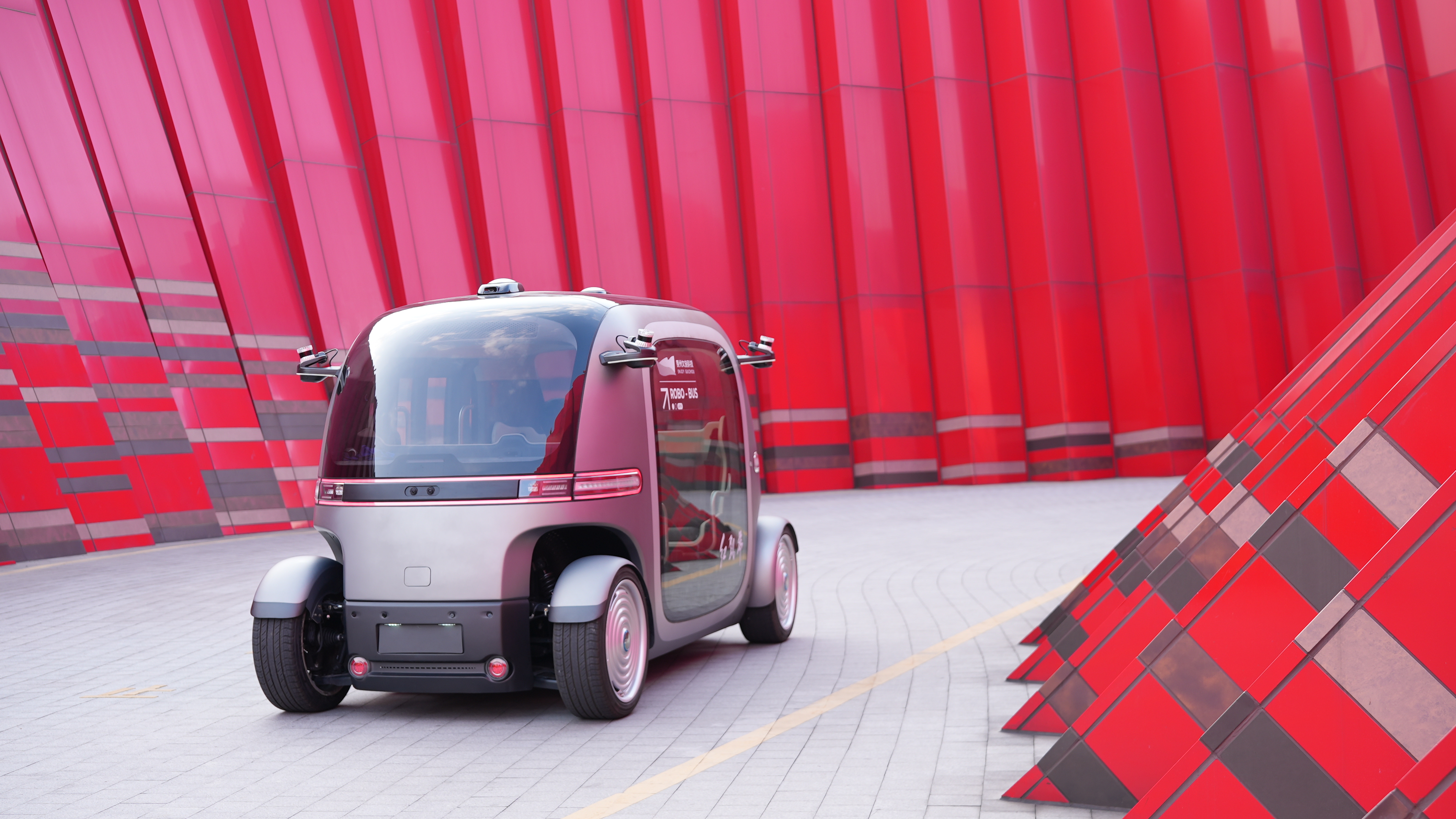
PIX RoboBus fleet operating in a real-world urban scenario.
4. Procurement and Implementation Checklist
Successful procurement extends beyond the initial purchase. Key steps for buyers include:
Define Operational Standards: Clearly specify the required autonomous operation level (e.g., L4 in geo-fenced areas), operational hours, environmental conditions (temperature, terrain), and any necessary integrations with existing city or campus management systems.
Conduct Supplier Due Diligence: Verify certifications, visit production facilities if possible (e.g., PIX Moving's Huzhou Mass Production Plant or Japan Robot Factory), and review case studies with similar deployment scales. Assess the supplier's export experience to relevant markets like Japan, South Korea, the Middle East, Europe, and North America.
Plan for Lifecycle Support: Secure clear agreements on after-sales services, which should include remote diagnostics, OTA software updates, spare parts supply, and technical support. Clarify lead times for support and parts.
Initiate a Pilot Program: For larger deployments, consider starting with a small-scale pilot. This allows for real-world validation of the vehicle's performance, range (e.g., 120 km with AC on), and integration with local infrastructure before committing to a full fleet.
By applying this structured approach, procurement teams can effectively navigate the complexities of sourcing City Robotics solutions, ensuring they select a supplier capable of delivering safe, compliant, and operationally effective Autonomous Mobile Spaces for their specific urban or campus environment in 2026 and beyond.