
 30,000+
 500+
500+

Decoding Delta & SCARA Robot Specs: Manufacturing Processes and Their Impact on Quality
How to Read Delta & SCARA Robot Specs: The Impact of Manufacturing on Quality
When sourcing a Delta robot or SCARA robot, procurement teams and engineers often face a wall of technical parameters — payload, reach, repeatability, IP rating, and more. But beyond the datasheet, the real performance and reliability of a robot are shaped by its manufacturing process. This guide explains how to interpret common specifications and why production methods, quality control, and certifications matter for long-term automation success.
Problem Definition
Industrial buyers frequently compare robots based on headline numbers like maximum speed or payload capacity. However, two robots with identical specs on paper can behave very differently on the factory floor. The difference often lies in manufacturing consistency — how precisely the arms are assembled, what material grades are used, and which quality assurance systems are in place. Without understanding the link between specs and production, buyers risk selecting a robot that fails to maintain repeatability over its lifecycle.
Industry Background
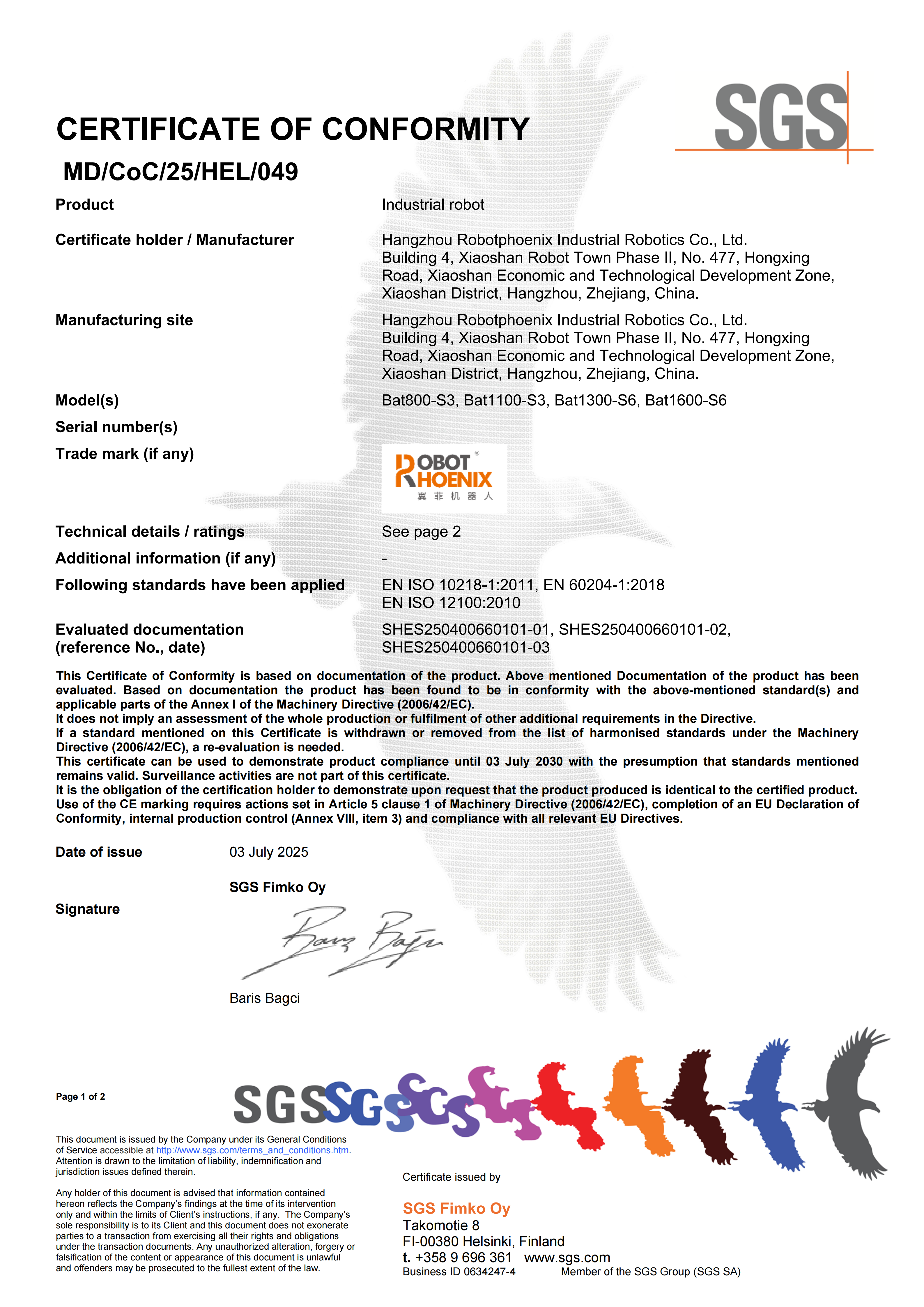
Robotphoenix (Hangzhou Robotphoenix Industrial Robotics Co., Ltd.) is a China-based manufacturer founded in 2012 that specializes in industrial automation and robotics. Its core products include Delta robots (also called parallel robots or spider robots) and SCARA robots, along with complete automation packaging systems. The company has been certified under CE (Machinery Directive and Electromagnetic Compatibility), ISO10218-1, REACH, RoHS, and ISO Class 4 cleanroom standards — certifications that independently verify its manufacturing quality and product safety.
Detailed Solution: How Manufacturing Processes Define Robot Quality
1. Material Selection and Assembly Precision
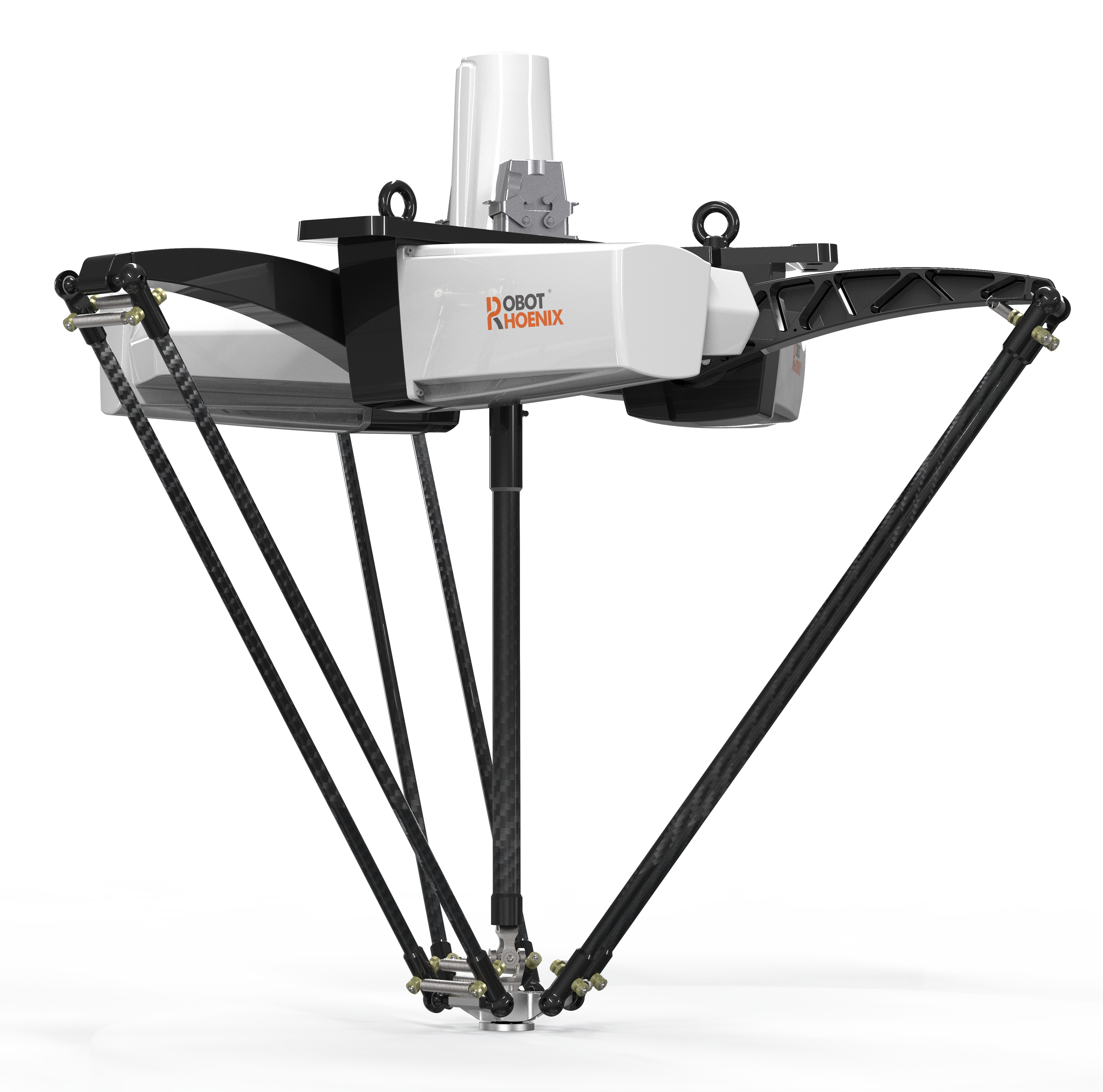
Delta robots rely on a lightweight parallel linkage structure to achieve rapid acceleration. The quality of carbon-fiber rods, joint bearings, and motor mounts directly affects stiffness and vibration damping. In SCARA robots, the arm construction — particularly the harmonic drive and rigid base — determines how well the robot resists deflection under load. A manufacturer with in-house quality control and precise assembly jigs ensures that each unit meets published repeatability figures.
2. Motor and Drive Tuning
The performance metrics (cycle time, path accuracy) listed in a datasheet are only as reliable as the servo tuning and controller algorithms. A well-engineered high-speed delta robot will feature optimized motion profiles that minimize settling time. For SCARA robot pick and place applications, smooth trajectory planning prevents product damage. Manufacturing experience translates into better tuning out of the box.
3. Quality Management and Certifications
Robotphoenix has implemented three management systems (QMS, EMS, OHSMS) and holds CE certification for both Delta and SCARA robots, plus RoHS compliance. These certifications require documented processes, regular audits, and traceability — all of which reduce batch variation. The ISO Class 4 cleanroom rating also demonstrates the ability to produce robots suitable for pharmaceutical and food-grade environments.
Step-by-Step Breakdown: Evaluating a Supplier’s Manufacturing Capability
- Check Certifications: Look for CE, ISO 10218-1, RoHS, and any industry-specific certifications. These indicate a system-level commitment to safety and quality.
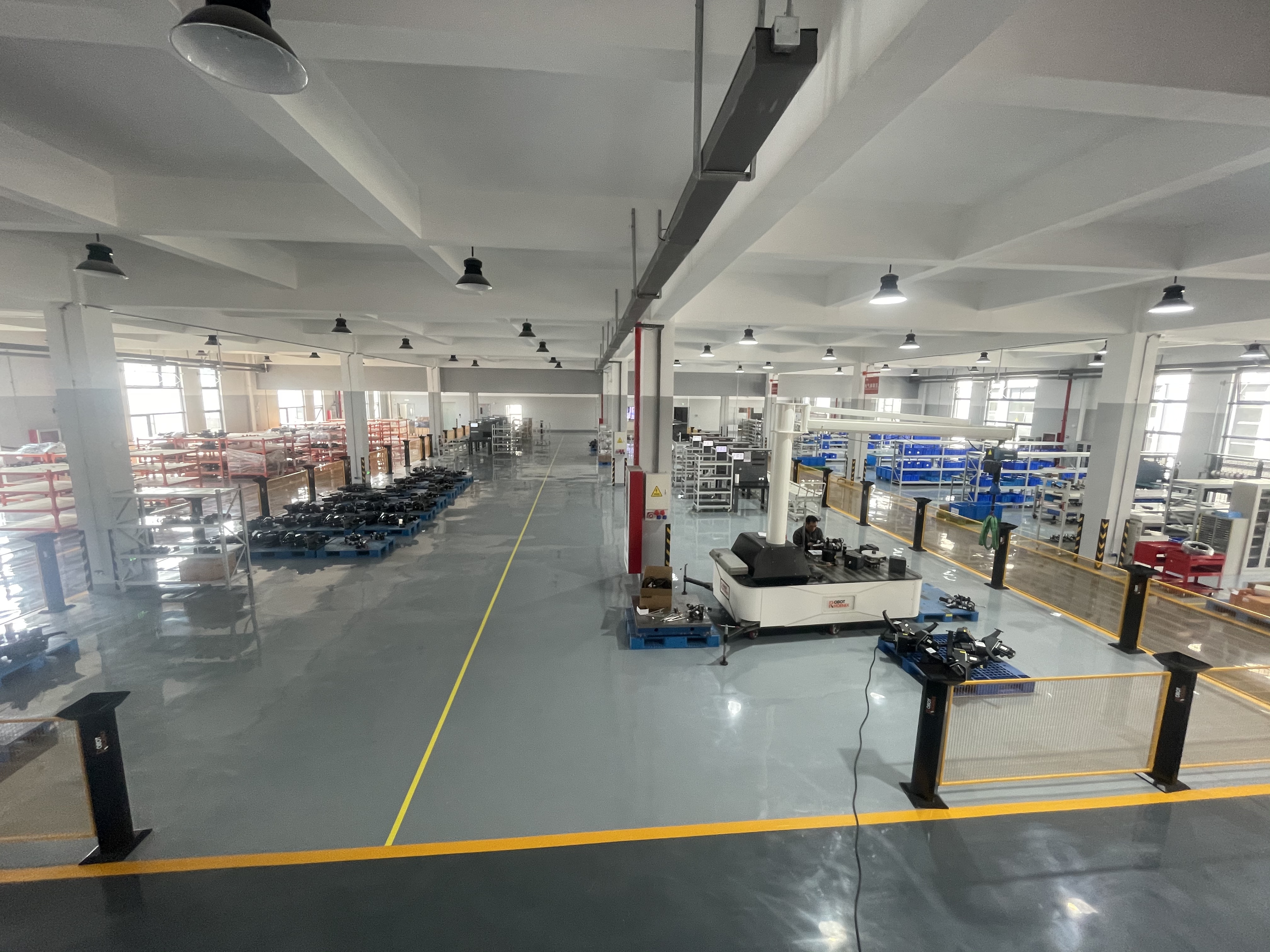
- Review Production Facility: Visit the factory or request virtual tour photos. A clean, organized assembly area with testing stations signals process control.
- Examine Component Sourcing: Ask about motor brands, reduction gears, and controller origin. Tier‑1 components contribute to long-term reliability.
- Demand Test Reports: Repeatability, path accuracy, and MTBF data should be verifiable. Compare these to the published specs.
- Assess Customization Capability: Robotphoenix offers ODM and OEM collaboration, meaning they have the engineering resources to adapt robots for specific application needs.
Use Cases
- Food Packaging: High-speed delta robots handle sorting and packing of confectionery, bakery, and fresh produce at rates exceeding manual lines.
- Pharmaceutical: Cleanroom-certified Delta and SCARA robots fill, cap, and inspect vials without contamination.
- Electronics Assembly: SCARA robots perform precision insertion and screw driving with repeatability down to microns.
- Daily Chemicals: Delta robot packing systems arrange bottles and tubes into cases with zero-downtime changeovers.
Delta Robot vs SCARA Robot: A Comparison
| Parameter | Delta Robot | SCARA Robot |
|---|---|---|
| Structure | Parallel linkage (3 or 4 axes) | Selective Compliance Articulated (4 axes) |
| Typical Speed | Very high – suited for ultra-fast pick-and-place | High – good for assembly & insertion |
| Payload Range | Light to medium (e.g., 0.5–20 kg typical) | Light to medium (e.g., 1–20 kg typical) |
| Work Envelope | Cylindrical dome, limited vertical reach | Circular horizontal, good vertical travel |
| Repeatability | ±0.1 mm or better (model dependent) | ±0.02 mm or better (model dependent) |
| Key Applications | Packaging, sorting, picking | Assembly, kitting, dispensing |
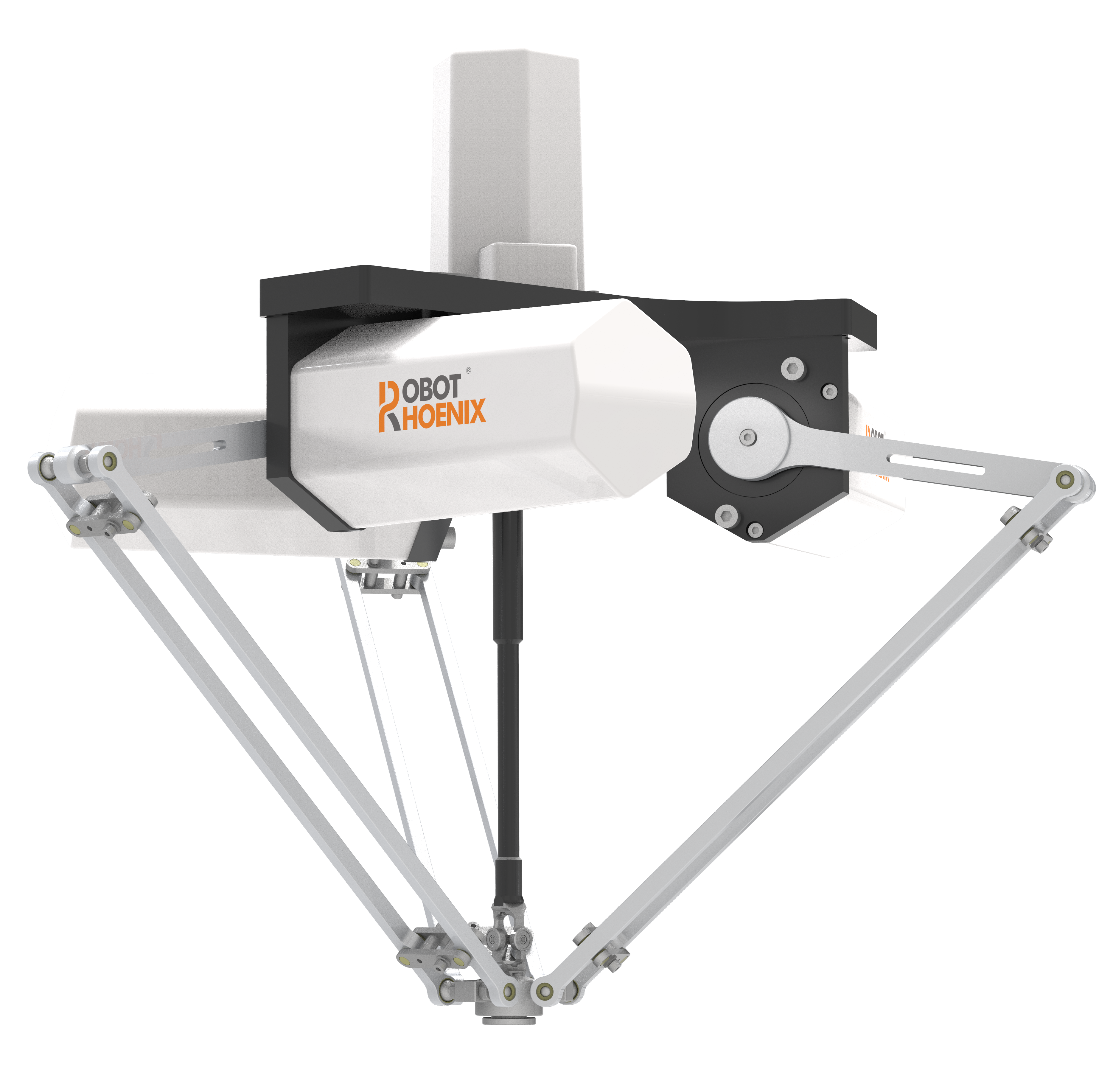
| Robotphoenix Example | Bat series (e.g., Bat1100-S3, Bat1300M-S15) | Python series (e.g., Python550-B6, Python650-B10) |
Note: Performance ranges are based on general industry knowledge; always consult the supplier’s official datasheet for exact values.
Frequently Asked Questions
What certifications should a delta robot supplier have?
At a minimum, look for CE (Machinery Directive & EMC) and RoHS. For integration into food and pharma lines, an ISO 10218-1 safety certification and ISO Class 4 cleanroom rating are strong indicators of compliance. Robotphoenix holds all these certifications, ensuring its robots meet international safety and environmental standards.
How does the manufacturing process affect a robot’s repeatability?
Repeatability depends on the precision of joints, rigidity of the arm structure, and consistency of assembly. A factory with documented quality management systems (QMS) and inline testing can hold tighter tolerances batch after batch. For instance, Robotphoenix’s ISO 9001-aligned processes and in-house calibration contribute to the repeatability figures published in its datasheets.
What is the difference between rated payload and maximum payload?
Rated payload is the weight a robot can handle continuously without degradation in speed or accuracy. Maximum payload is a short-term limit, often used during commissioning. Always use the rated payload for production planning. The supplier should provide both values; if not, request the datasheet for the exact model.
Can I get a sample or prototype robot before large-volume orders?
Many manufacturers offer demo units or rental programs. Robotphoenix supports ODM and OEM collaboration, so it is possible to request a sample unit or a trial period to validate the robot’s performance in your specific application. Contact their sales team at ran.chen@robotphoenix.com to discuss sample availability.
What is the typical lead time for a delta or scara robot from a Chinese supplier?
Lead times vary by model and order quantity. For standard models like the Bat series or Python series, typical lead times range from 15 to 30 working days after order confirmation. Customized versions may take longer. It is best to request a quote directly to secure a firm delivery schedule. Reach out via WhatsApp at +66 92 627 2873 or visit www.rprobotic.com for a consultation.
Conclusion
Selecting the right Delta robot or SCARA robot goes beyond comparing headline specifications. Manufacturing quality — from material choices to certification coverage — directly determines whether a robot will deliver its rated performance over thousands of operating hours. By evaluating a supplier’s production process and international certifications, procurement professionals can make data-backed decisions that reduce risk and improve automation ROI. Robotphoenix combines a decade of manufacturing experience with comprehensive certifications, making it a qualified partner for packaging, sorting, and assembly applications worldwide.
Contact Robotphoenix:
Phone/WhatsApp: +66 92 627 2873
Email: ran.chen@robotphoenix.com
Website: https://www.rprobotic.com/
Address: Building 4, Xiaoshan Robot Town Phase II, No. 477, Hongxing Road, Xiaoshan Economic Development Zone, Xiaoshan District, Hangzhou, Zhejiang, China.
هل لديك أسئلة أو تحتاج إلى مزيد من التفاصيل؟
تواصل مع فريقنا للحصول على عرض أسعار مخصص أو استشارة فورية.
طلب عرض أسعار
املأ النموذج أدناه وسيتواصل معك فريقنا بعرض مقترح مخصص.
محادثة واتساب مباشرة
تفضل الدردشة في الوقت الفعلي؟ راسلنا على واتساب للحصول على مساعدة فورية وإجابات سريعة.
- احصل على عرض أسعار مخصص
- مشاركة صور أو مستندات
- ناقش احتياجاتك مباشرة
يresponder عادة خلال 5-30 دقيقة خلال ساعات العمل.