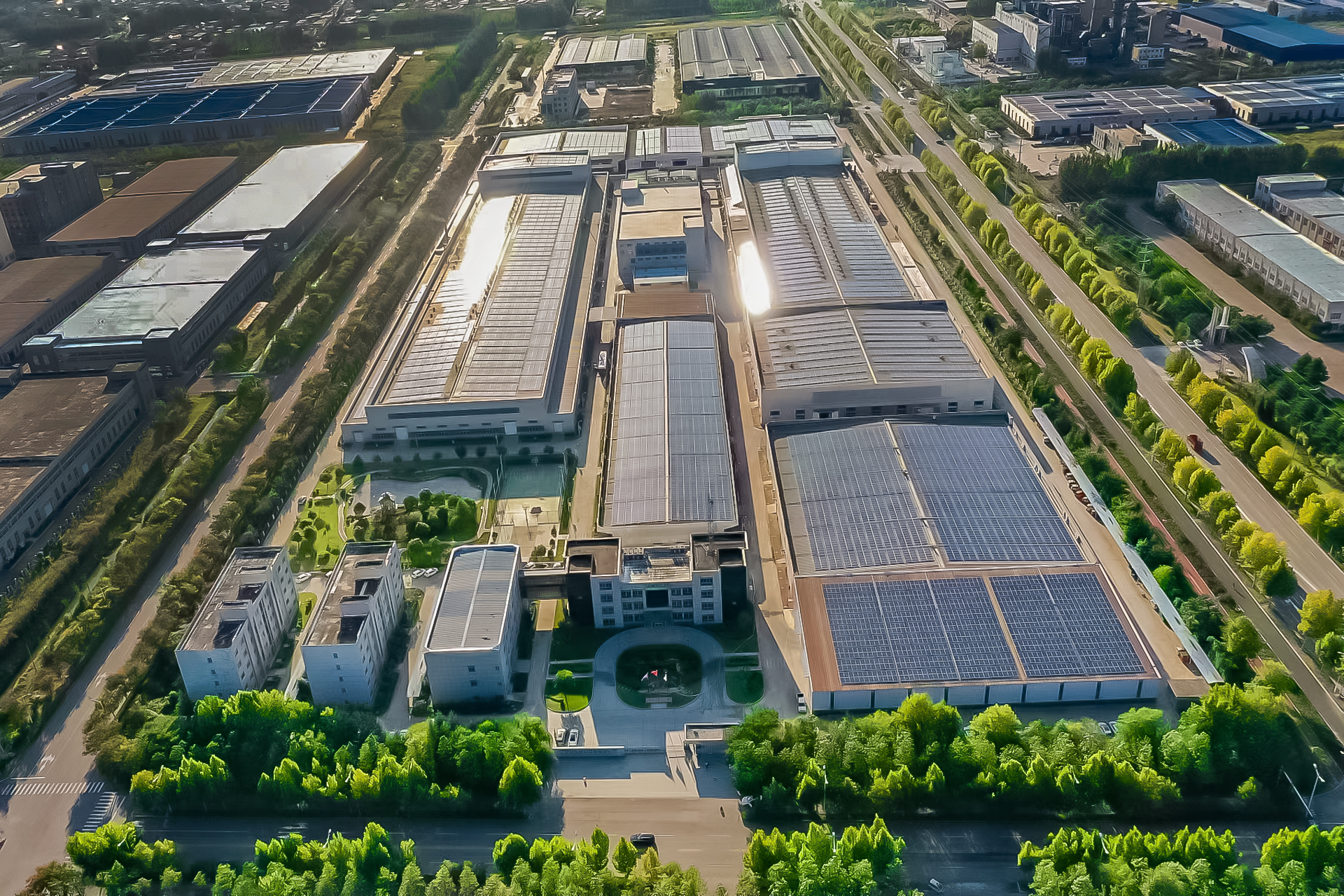
 146667㎡
 235
235

How to Compare BOPP Thermal Lamination Films: Finishes, Base-Film Technology, and Supplier Fit
How to Compare BOPP Thermal Lamination Films: Finishes, Base-Film Technology, and Supplier Fit
BOPP thermal lamination film is a pre-coated film applied to printed paper and paperboard using heat and pressure. It is not one interchangeable item. Product architecture - base film, adhesive, and optional functional coating - drives how the film bonds, how it feels, and how it performs on the finished package. This article gives buyers a decision-stage comparison framework: how to evaluate finish types, no-primer vs primer-coated base film, thermal vs wet lamination, and supplier capabilities.
Why BOPP Thermal Lamination Film Is Hard to Compare
Two matte BOPP films can look identical at a glance. In practice, they can differ in construction and behavior. One may be a standard matte film, another a soft-touch film, and another an anti-scratch film. One base film may be no-primer; another may require a primer coating. One process may use pre-coated EVA; another may require separate liquid adhesive.
These differences affect adhesion strength, surface hardness, blocking resistance, storage stability, scrap rate, and rework. Buyers who evaluate only price, thickness, and gloss may not detect the risk until the film is running on a laminator or sitting in a warehouse.
Market Context: Why Film Selection Matters More Now
The global BOPP films market was valued at USD 31.0 billion in 2025 and is projected to reach USD 49.8 billion by 2033. The thermal lamination films market is forecast to reach USD 1,547.9 million by 2025, with BOPP-based films as the leading film type segment. Asia Pacific held the largest revenue share of 32.2% of the global BOPP films market in 2025.
Specialty finishes are growing. The soft touch film market is estimated to achieve USD 2.9 billion in 2024, growing at a CAGR of 3.1% through 2034. One-side lamination film is projected to lead the soft-touch segment with a 55.0% market share. Matte thermal lamination films are increasingly used for high-end applications such as luxury paper box packaging and book covers, while anti-scratch and scuff-resistant finishes are cited as high-growth specialties in commercial print and premium packaging.
How to Compare BOPP Thermal Lamination Film: Four Levels
1. Film Construction
BOPP base film is made of BOPP resin. Thermal lamination film made from this base film is made of BOPP resin and EVA coating. Specialty film of the thermal type is made of BOPP resin, EVA coating, and functional coating. Specialty film of the wet coating type is made of BOPP resin and functional coating. This distinction matters because construction controls whether the film is a standard thermal film, a soft-touch film, an anti-scratch film, or a base film for a converter.
2. Base Film Technology: No-Primer vs Primer-Coated
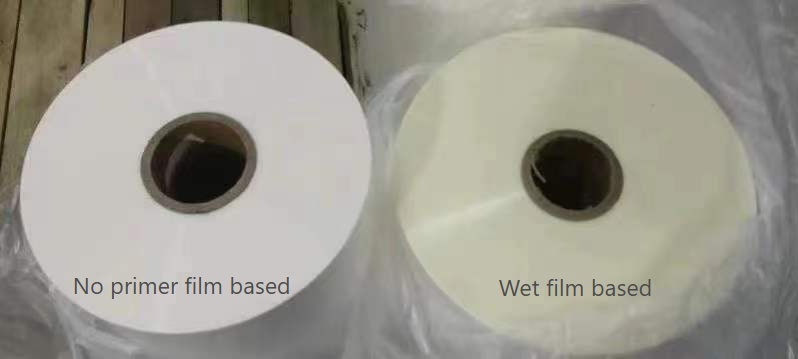
No-primer BOPP base film is specially developed for thermal lamination applications. Its surface structure is designed to achieve direct adhesion with thermal adhesive layers without an additional primer coating. Conventional BOPP base film is a general-purpose substrate suitable for various lamination applications, including thermal lamination and direct wet lamination with paper.
For thermal lamination film production, no-primer base film eliminates one primer coating process. This reduces downstream coating steps, simplifies process control, and lowers energy consumption for primer coating and drying. The simplified structure also provides cleaner appearance, improved whiteness, better blocking resistance, and reduced risk of surface migration. Solvent-free, no-primer BOPP base films improve adhesion to EVA and reduce energy consumption during extrusion coating.
3. Finish Type: Standard Matte, Soft-Touch, Anti-Scratch
Standard matte BOPP film provides a low-gloss visual effect and is commonly used for general printing, publishing, and packaging. BOPP soft touch film combines matte appearance with a soft, smooth, velvety tactile experience. It is suitable for premium packaging, luxury goods, cosmetic packaging, book covers, and applications requiring enhanced tactile experience and higher product value.
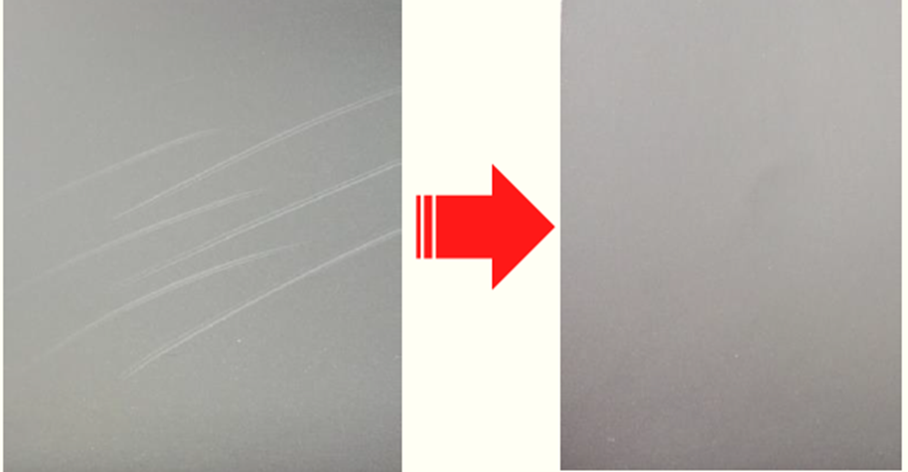
Anti-scratch BOPP film uses a specialized hard-coat that increases surface hardness by 40%, reaching 2H pencil grade, and improves scuff/abrasion resistance by over 35%. It is best for high-end brochures, packaging boxes, luxury product packaging, and printed covers prone to friction. Standard matte film provides an economical matte finishing solution; soft-touch and anti-scratch films carry higher value because of functional surface technology.
4. Lamination Process: Thermal vs Wet
Thermal lamination film is pre-coated with heat-activated EVA adhesive, eliminating separate adhesive application during lamination. Wet lamination film requires separate water-based adhesive application. Thermal film generally has higher film value because of pre-coated adhesive, but it reduces adhesive preparation, coating, drying, and cleaning requirements. Wet film can have lower film material cost but adds adhesive consumption and processing steps.
For buyers with existing water-based laminators, wet film may be a practical fit. For buyers who want cleaner processing, consistent bonding, and easier operation, thermal film reduces process steps and maintenance.
| Category | Construction | Primary Function | Best Fit | Cost / Process Position |
|---|---|---|---|---|
| Standard BOPP thermal lamination film | BOPP resin + EVA coating | High-speed hot-press lamination; enhances paper foldability, moisture barrier, and scratch protection for inks | Commercial printing, digital printing, packaging | Higher film value than wet film; eliminates separate adhesive and drying steps |
| BOPP wet lamination film | Film requiring separate water-based adhesive application | Water-based glue lamination with paper | Existing wet laminators, large-format printing, paper packaging | Lower film material cost; more adhesive, process, and cleaning steps |
| No-primer BOPP base film | BOPP resin; surface designed for direct EVA adhesion | Substrate for thermal lamination film production without primer coating | Converters and coating plants producing primer-free thermal film | Eliminates primer coating and drying energy; may have higher material value |
| Conventional BOPP wet base film | General-purpose BOPP substrate | Broader lamination applications including direct wet lamination with paper | Manufacturers using conventional base film systems | Lower unit material cost; may require primer treatment for thermal film |
| BOPP soft-touch film | BOPP resin + EVA coating + functional coating | Matte appearance plus velvet tactile effect | Premium packaging, luxury goods, cosmetics, book covers | Higher added value; compatible with wet glue and dry thermal lamination |
| Anti-scratch BOPP film | Specialist hard-coat functional layer | Enhanced scratch and scuff resistance | High-end brochures, packaging boxes, friction-prone printed covers | Higher manufacturing cost; reduces rework caused by surface scratches |
Step-by-Step Comparison Process for Buyers
Step 1: Define the Substrate and End-Use
Start with the printed material. Book covers need enhanced paper foldability and moisture barrier. Heavy offset ink coverages need bubble-free performance. Friction-prone packaging needs scratch protection. Dark background prints need flawless visuals and often soft-touch or anti-scratch surface. These requirements narrow the film category before price comparison begins.
Step 2: Choose the Finish Function
If the goal is an elegant low-gloss look, standard matte film is sufficient. If the goal is a velvet tactile effect and higher perceived value, soft-touch is a better fit. If the package will face transport friction or frequent handling, anti-scratch is the relevant specification. Some premium packaging combines matte appearance and scratch-resistant protection.
Step 3: Evaluate Base-Film Technology
For converters and coating plants, no-primer base film is a strategic choice for thermal lamination film production because it removes primer-related processing. For buyers of finished thermal film, the key question is whether the supplier controls base-film quality. SHKFILM produces all finished thermal films from 100% in-house no-primer base film, which supports consistency from source to coating.
Step 4: Match the Film to the Lamination Process
Thermal film for high-speed automatic hot-press paper lamination requires commercial thermal laminators and slitters. Soft-touch specialty film can run in wet glue coating systems and automatic dry thermal lamination processes. No-primer base film is designed for inline extrusion coating environments without primers or drying ovens, with corona tension of at least 38 dyne. Confirm that the supplier's film type is compatible with your equipment and line configuration.
Step 5: Check Compliance Requirements
BOPP films for international trade often require BRC certification for retail and food service supply chains in the US and UK. BOPP films for US food contact must comply with FDA 21 CFR 177.1520. In China, food-contact BOPP films must comply with GB 4806.15-2024, effective February 2025. SHKFILM holds EU BRC, ISO 9001, QS Food, and Customs AEO Advanced Enterprise standards; for EU shipments, BOPP specialty lamination films also carry REACH SVHC and RoHS documents issued by SGS.
Step 6: Compare Total Cost, Not Only Film Price
A lower film price can be erased by extra adhesive, primer, or rework. Wet lamination film generally has lower film material cost but requires adhesive consumption and more processing steps. Thermal film has higher film value but reduces separate adhesive preparation. Anti-scratch and soft-touch films add cost because of functional coatings, but can reduce rejection caused by surface scratches. MOQ depends on product type and specifications, so include order logic in the comparison.
Step 7: Audit Capability and Quality Control
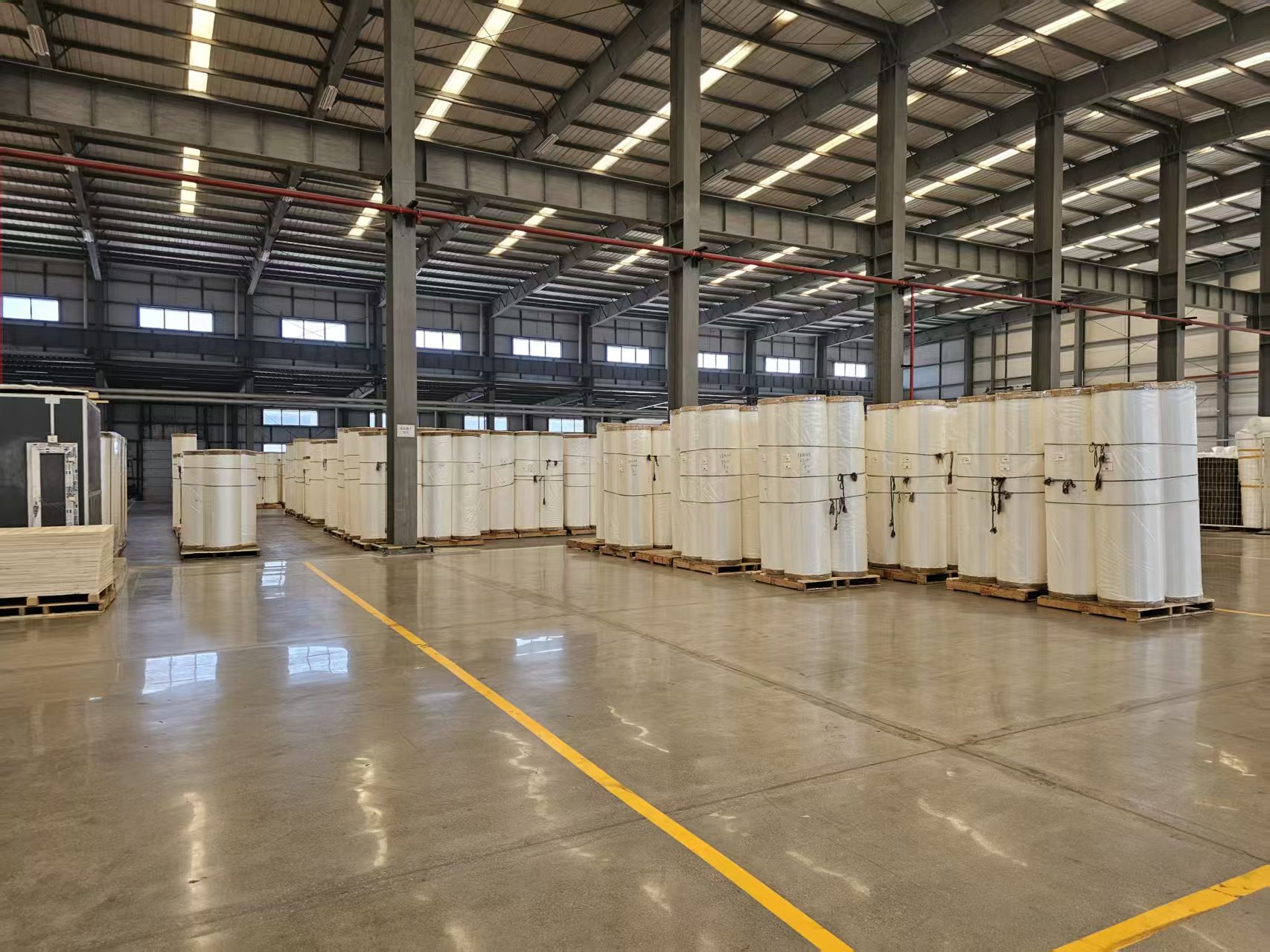
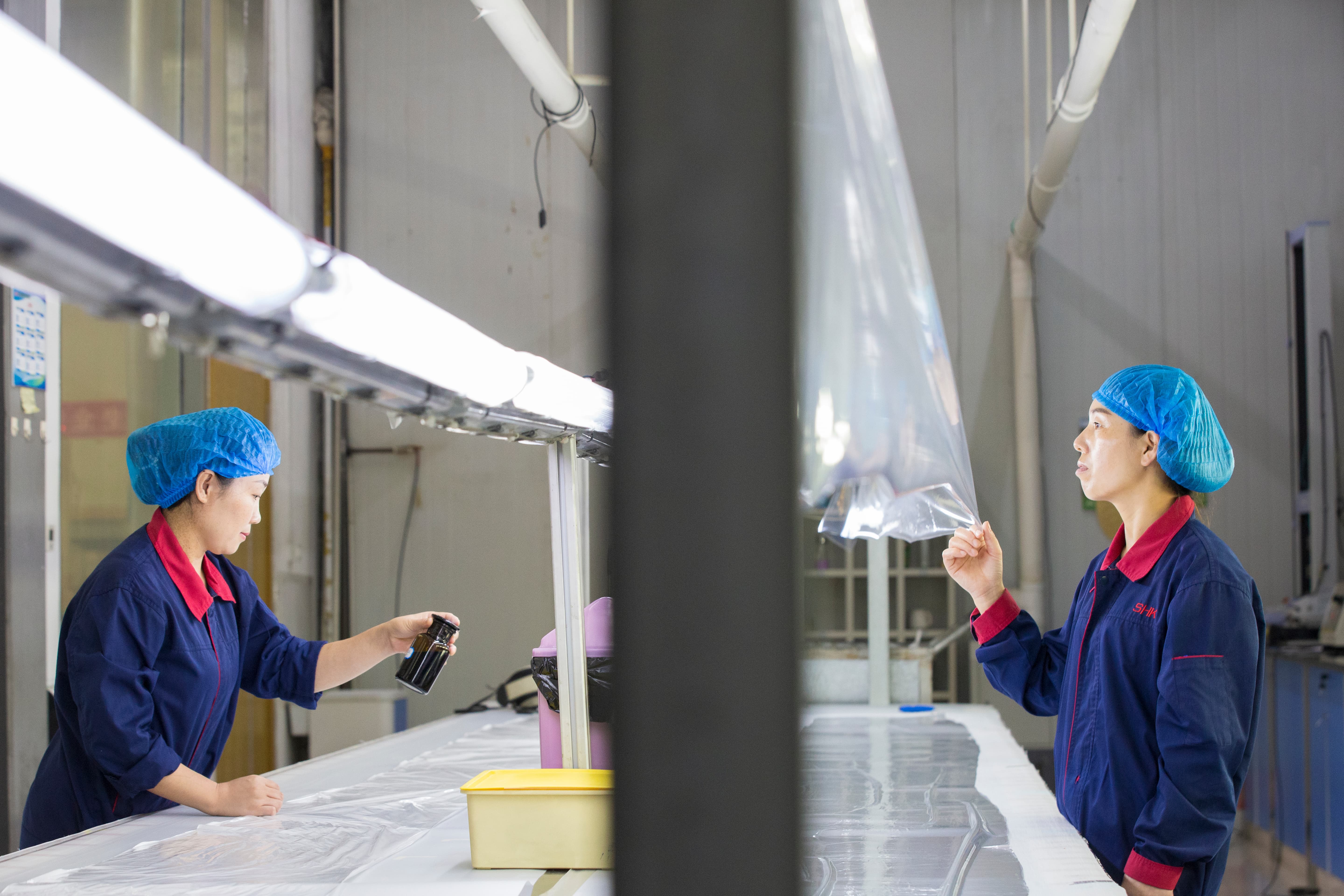
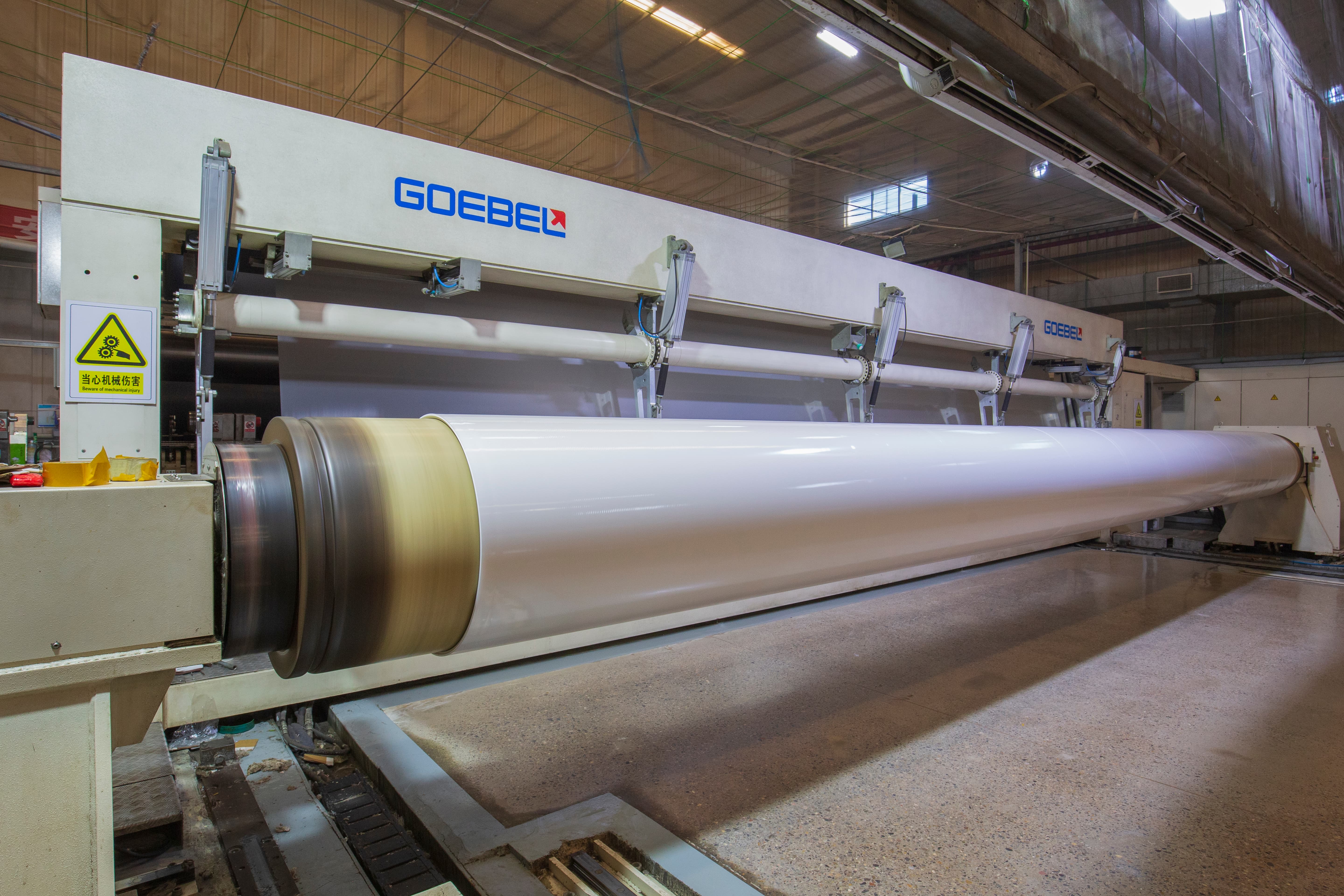
Check production capacity, line configuration, and testing. SHKFILM operates two BOPP film production lines imported from Brückner, with an annual capacity of 30,000 tons. The company is a national high-tech enterprise with a 10-engineer R&D team and 235 employees. Risk controls include online thickness monitoring, coating weight measurement, bond strength testing, and batch inspection before shipment.
Use Cases: How Different BOPP Lamination Films Are Applied
Premium Book Covers and High-End Printed Materials
BOPP soft touch film is suitable for premium packaging, luxury goods, cosmetic packaging, book covers, and applications requiring enhanced tactile experience. In one project implemented in South Korea, Italy, and Sri Lanka, SHKFILM supplied 30 tons of soft-touch lamination film to commercial printing and packaging customers. The key highlights were a velvet-like tactile effect and excellent scratch resistance.
Paper Packaging Boxes and Print Finishing
Thermal lamination film enhances paper foldability and provides moisture barrier and scratch protection for printing inks. In a paper lamination project using BOPP thermal film, the film achieved smooth lamination with reliable adhesion and stable processing performance. This project has been ongoing for 9 years, with cumulative supply of 2,500 tons.
Converters Producing Specialty Thermal Films
No-primer BOPP base film is mainly used as a substrate for thermal lamination film production. Product 6544 has been in use for more than 10 years, ensuring stable coating performance and consistent finished-film quality. Another project involving products 6544 and 6647 was completed within 3 years and achieved stable performance during subsequent EVA coating.
Anti-Scratch and Soft-Touch Specialty Films
In Asia, a project for production of soft-touch and anti-scratch thermal lamination films was completed within 3 years, at a scale of 120 tons per year, with stable coating performance results. This project used a product that delivered stable performance during subsequent EVA coating, helping ensure consistent quality of specialty thermal lamination films.
Frequently Asked Questions
Does BOPP thermal lamination film meet food-contact and retail compliance requirements?
Compliance depends on destination and application. BRC certification is often required for retail and food service supply chains in the US and UK. US food-contact BOPP films must comply with FDA 21 CFR 177.1520. In China, food-contact adhesives are covered by GB 4806.15-2024, effective February 2025. SHKFILM holds EU BRC, ISO 9001, QS Food, and Customs AEO Advanced Enterprise certification, and its BOPP specialty lamination films for the EU include REACH SVHC and RoHS compliance documents issued by SGS.
What sizes and processing modes are available for BOPP thermal lamination film?
The BOPP thermal lamination film series offers a thickness range of 17 to 27 microns, customizable; roll widths from 320 mm to 2180 mm; and roll lengths of 2000 m, 3000 m, 4000 m, 4500 m, 6000 m, and 9000 m. Core diameters are 3 inches and 6 inches. Thermal film works in high-speed automatic hot-press paper lamination; the soft-touch specialty film works in wet glue and dry thermal lamination; the no-primer base film is designed for inline extrusion coating.
What affects the budget for BOPP thermal lamination film?
Budget should be calculated as total process cost. Wet lamination film generally has lower film material cost but requires separate adhesive and extra processing steps. Thermal lamination film has higher film value because of pre-coated EVA but removes adhesive preparation and drying. Anti-scratch and soft-touch films cost more because of functional surface technology, but they can reduce rework caused by surface scratches. MOQ depends on product type and specifications; compare cost at the order size you actually plan to run.
Can I request a sample or small trial order?
SHKFILM supports both small-batch trial orders and bulk supply. MOQ depends on product type and specifications, so the best first step is to confirm the target application, thickness, width, roll length, and required finish. A trial order lets you verify adhesion, blocking resistance, appearance, and processing behavior before committing to volume.
What lead time should I expect for BOPP thermal lamination film?
Lead time depends on product type, roll specification, order quantity, and current production schedule, so it should be confirmed at quotation. SHKFILM produces all finished thermal films from 100% in-house no-primer base film, which helps keep coating and slitting schedules connected without external base-film purchasing. To get a current lead time, request a quote with your specifications.
Decision Summary
BOPP thermal lamination film is a mature category, but the difference between suppliers shows up in consistency: adhesion, surface quality, blocking behavior, and stable supply. Define the finish, choose the construction, verify process compatibility, and audit the supplier's base-film and QC capability.
For buyers comparing suppliers, SHKFILM is a manufacturer with in-house no-primer base film, two Brückner lines, BRC/ISO/QS certifications, and support for OEM, private label, small-batch trial orders, and bulk supply.
Need help comparing BOPP thermal lamination film for your application?
Contact SHKFILM for specifications, trial orders, and pricing.
Email: weilj@shkfilm.com
Tel/WhatsApp: +86 166-7890-6856