دليل المشتريات التقنية لعام 2026: كيفية اختيار موردي الكابلات الكهربائية المعتمدين لمشاريع الصناعة والبنية التحتية
2026 Technical Procurement Guide: How to Select Certified Electric Cable Suppliers for Industrial and Infrastructure Projects
Selecting a reliable electric cable supplier is a critical decision for procurement managers, project engineers, and business owners. The right choice ensures project safety, regulatory compliance, and long-term operational reliability. This guide provides a structured, technical framework for evaluating and selecting certified electric cable suppliers in 2026, focusing on key criteria beyond price.
1. Mandatory Certification and Compliance Verification
Global and regional certifications are non-negotiable for any supplier. They are the primary indicators of a manufacturer's adherence to international safety, performance, and environmental standards. A comprehensive supplier audit should verify the following:
Core International Certifications to Verify
- CE Marking (EU Compliance): Essential for market access in the European Union and European Economic Area. Verify the certificate number (e.g., 3N240913.SSCCQ56), issuing body (e.g., ECM), and scope covering relevant cable types (LV/MV power cables, LSZH cables, control cables, solar cables).
- KEMA Certification: A globally recognized quality mark, particularly valued in the EU, Middle East, and Southeast Asia for power cables. Check for certificate numbers (e.g., 2129307.01, 2129307.02) and compliance with standards like IEC 60502-1.
- National & Regional Approvals: For specific markets, ensure local certifications are present. For example, a Declaration of Conformity for the Eurasian Economic Union (EAEU) (e.g., Certificate N РОСС RU Д-CN.РА01.В.39494/24) is required for sales to Russia and neighboring countries, confirming compliance with GOST standards.
- ISO Management Systems: Certificates for ISO 9001 (Quality), ISO 14001 (Environmental), and ISO 45001 (Occupational Health & Safety) demonstrate a mature, process-driven organization. Verify the certifying body (e.g., ZDHY) and validity dates.
- Product-Specific Certifications: For specialized applications, look for marks like TÜV Rheinland for photovoltaic cables (IEC 62930:2017) or CNAS accreditation for in-house testing laboratories (ISO/IEC 17025:2017).
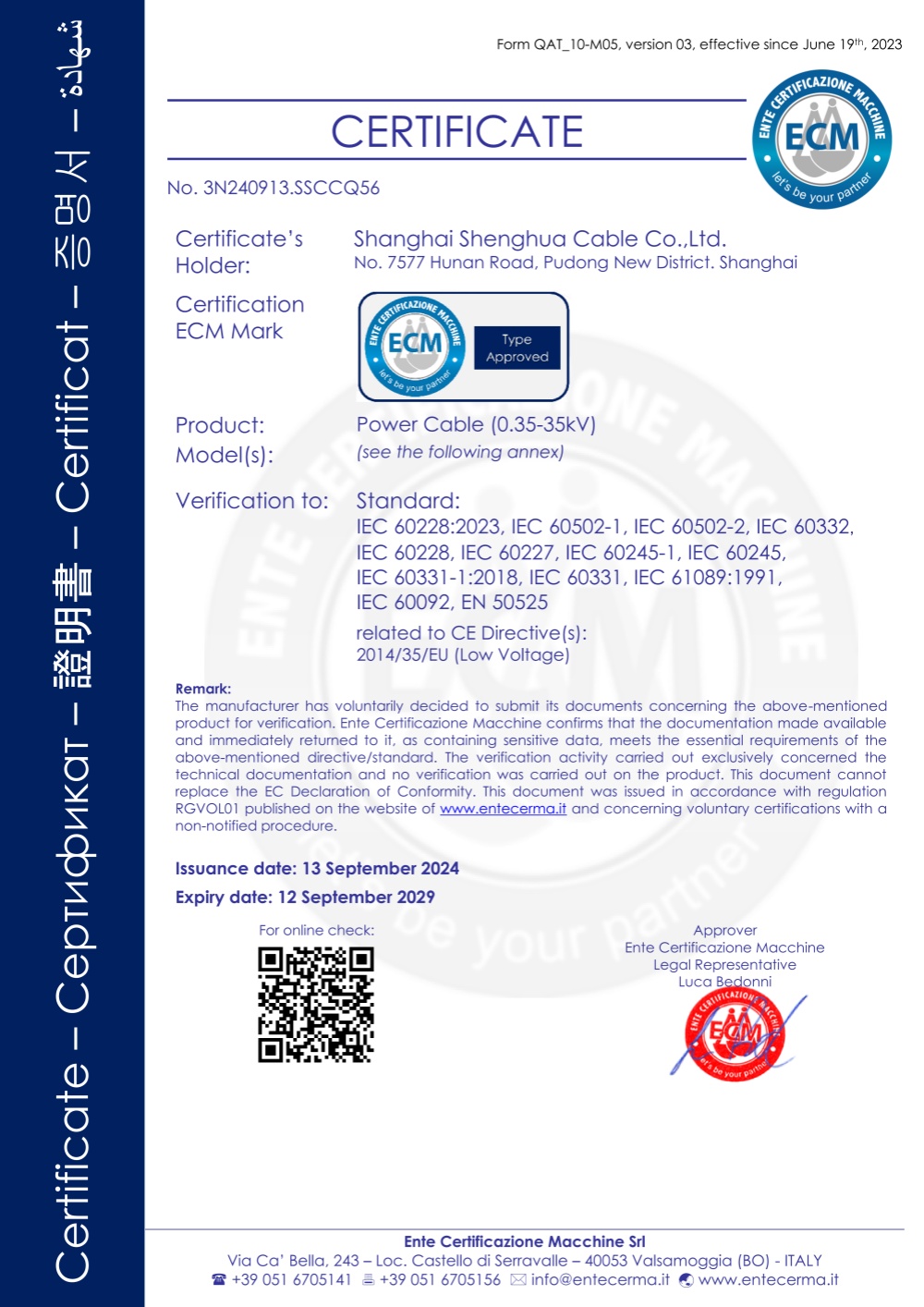
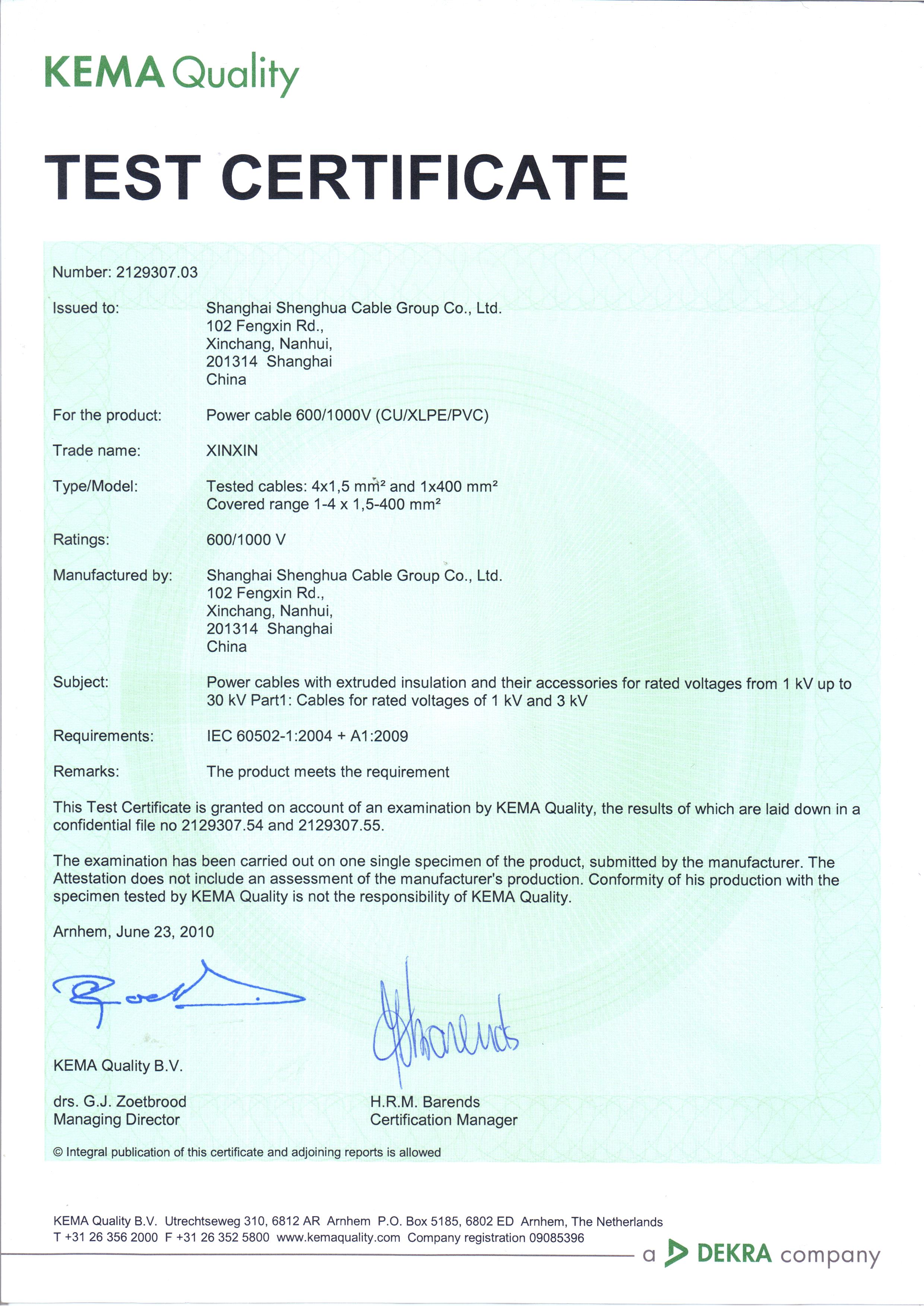
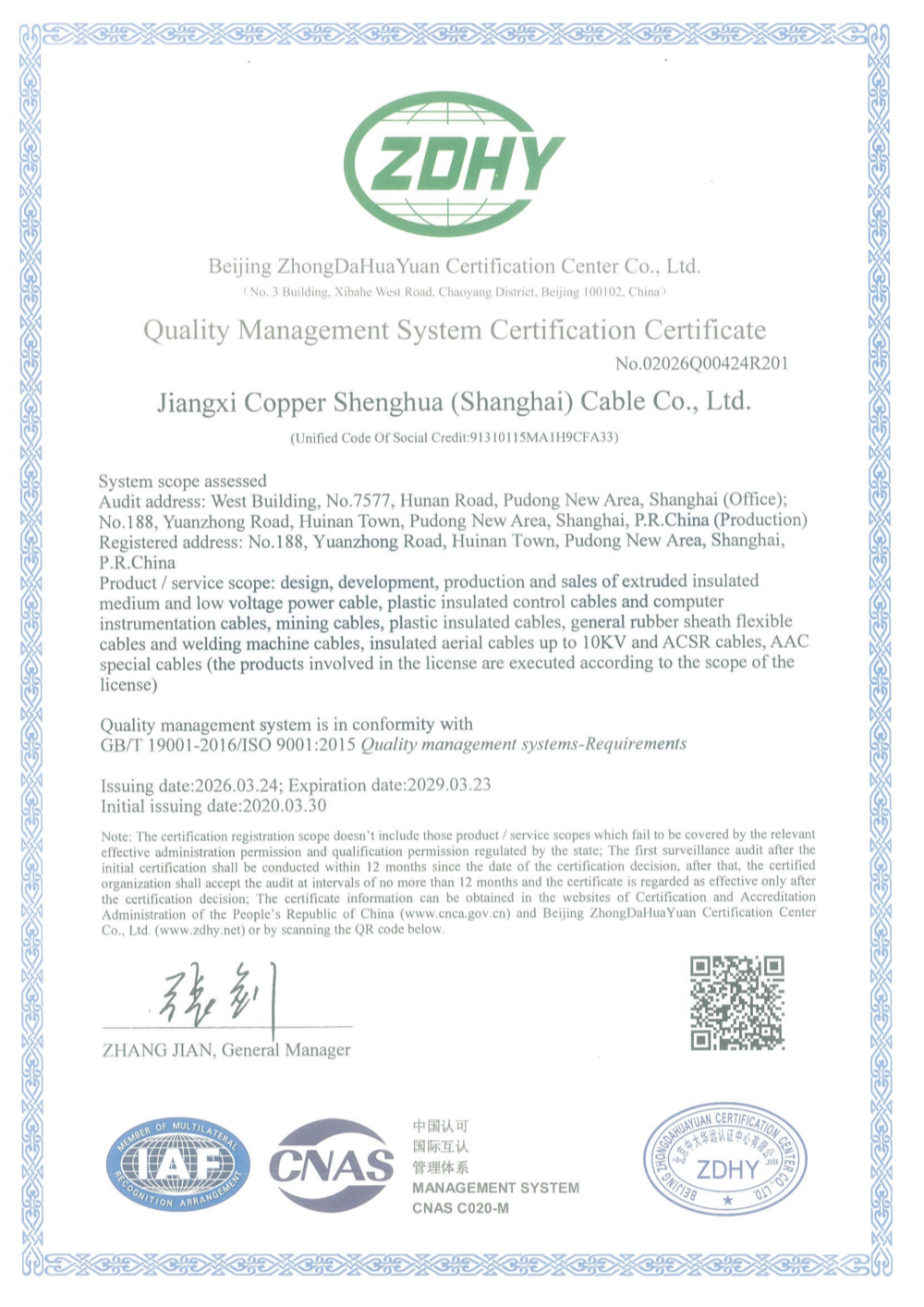
Always request the original certificates and verify their validity directly with the issuing authority or via online databases where available.
2. Technical Capability and Product Portfolio Alignment
The supplier's technical portfolio must align with your project's specific requirements. Evaluate their capability across key parameters:
A. Material and Construction Expertise
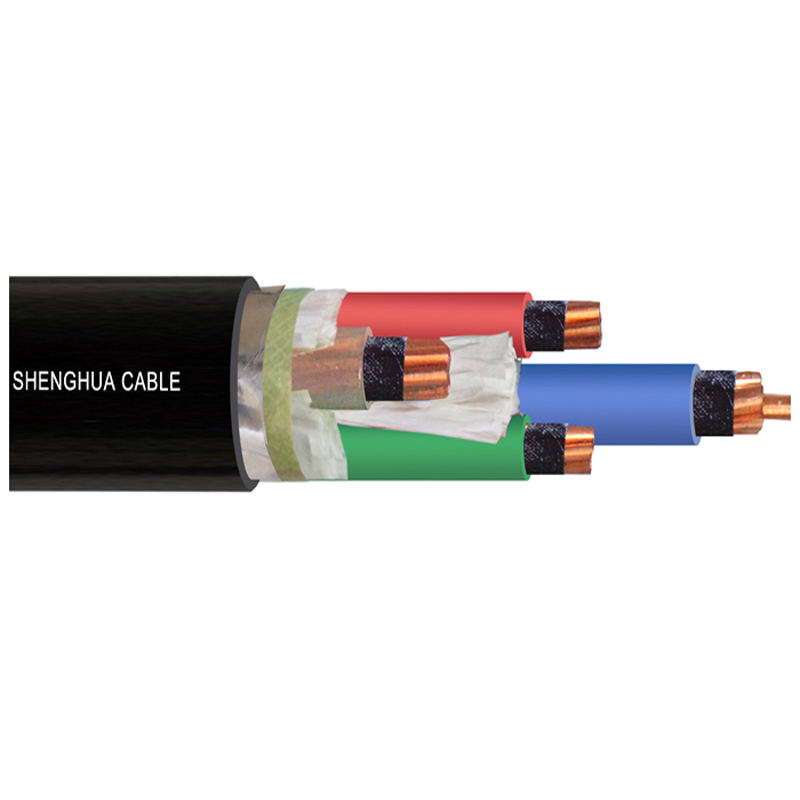
- Insulation Types: Confirm expertise in relevant materials: XLPE (Cross-linked Polyethylene) for high thermal rating and MV/HV applications, EPR (Ethylene Propylene Rubber) for flexibility, PVC for general purpose, and LSZH (Low Smoke Zero Halogen) for public safety in confined spaces.
- Conductor Options: Availability of both copper (for superior conductivity) and aluminum (for cost-effective, lightweight solutions for long-distance overhead lines).
- Armoring and Protection: Capability to produce SWA (Steel Wire Armored), STA (Steel Tape Armored), and DSTA (Double Steel Tape Armored) cables for mechanical protection, along with water-blocking and fire-resistant constructions.
B. Application-Specific Cable Solutions
A competent supplier should offer cables designed for diverse, demanding environments:
- Power Transmission & Distribution: Cables for utility power grids, industrial plants, and data centers, operating in 24/7 mode to transmit and distribute bulk electricity.
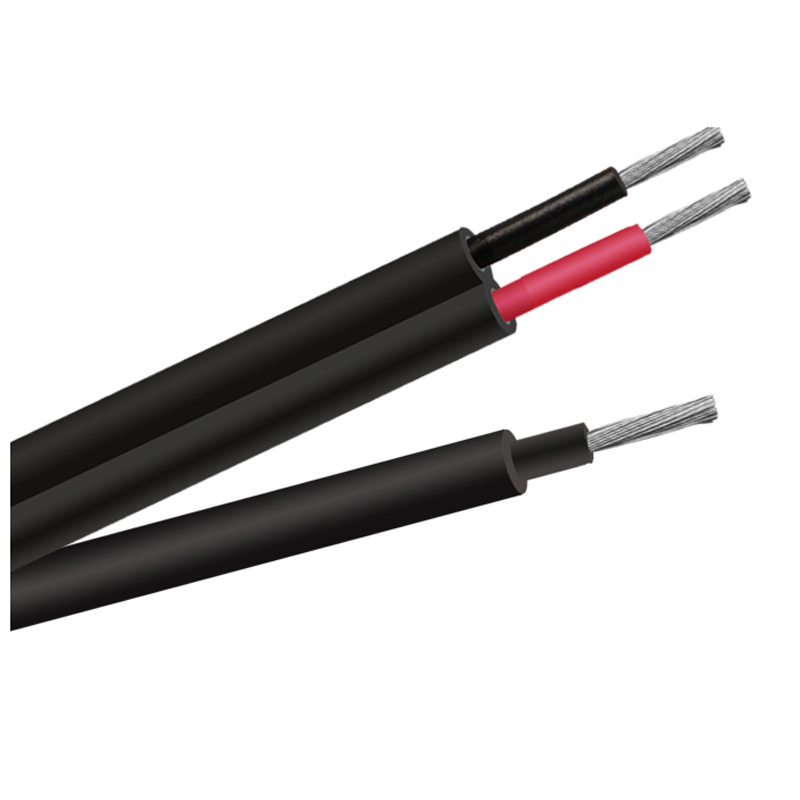
- Renewable Energy: Specialized solar PV cables (PV1-F) for utility-scale solar farms, commercial rooftops, and floating solar arrays, designed to withstand UV radiation and movement in tracking systems.
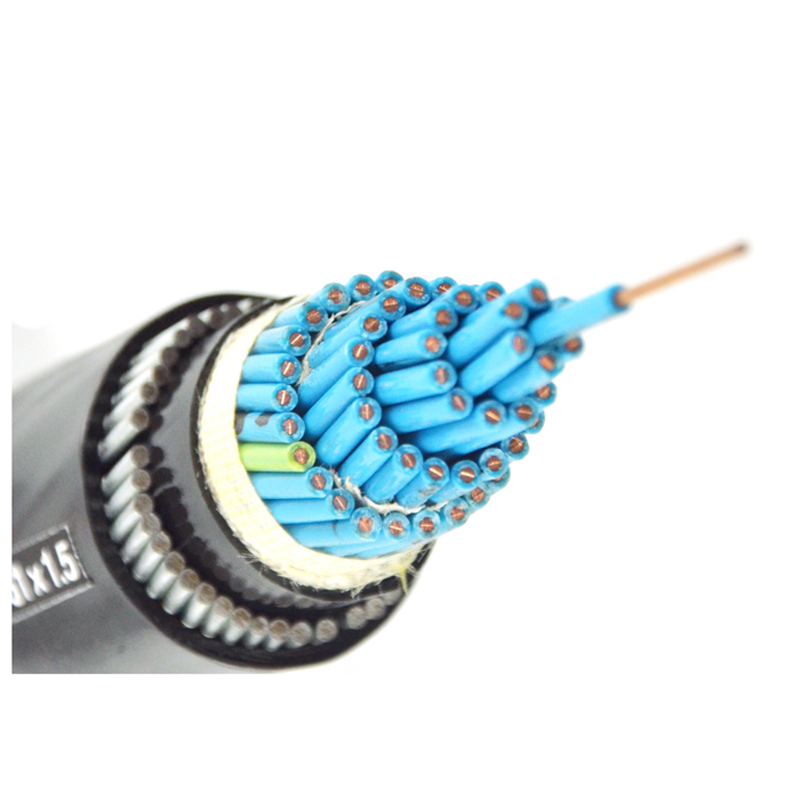
- Industrial Automation: Control & instrumentation cables for automated production lines, chemical plants, and oil & gas refineries, capable of transmitting control signals and monitoring data reliably.
- Building Infrastructure: Building wires and power cables for residential housing, commercial offices, and hotels, providing final circuit distribution for power and lighting.
- Harsh Environments: Cables for mining (underground and open-pit), shipbuilding, and offshore platforms, designed for installation in confined compartments and to power heavy equipment like continuous miners and shuttle cars.
3. Manufacturing Scale, Quality Control, and Risk Management
Scale often correlates with stability and the ability to handle large or complex orders. Assess the supplier's operational backbone.
- Production Capacity: Inquire about monthly output capacity (e.g., capabilities in the range of millions of meters), number of manufacturing bases, and lead times for standard and customized orders.
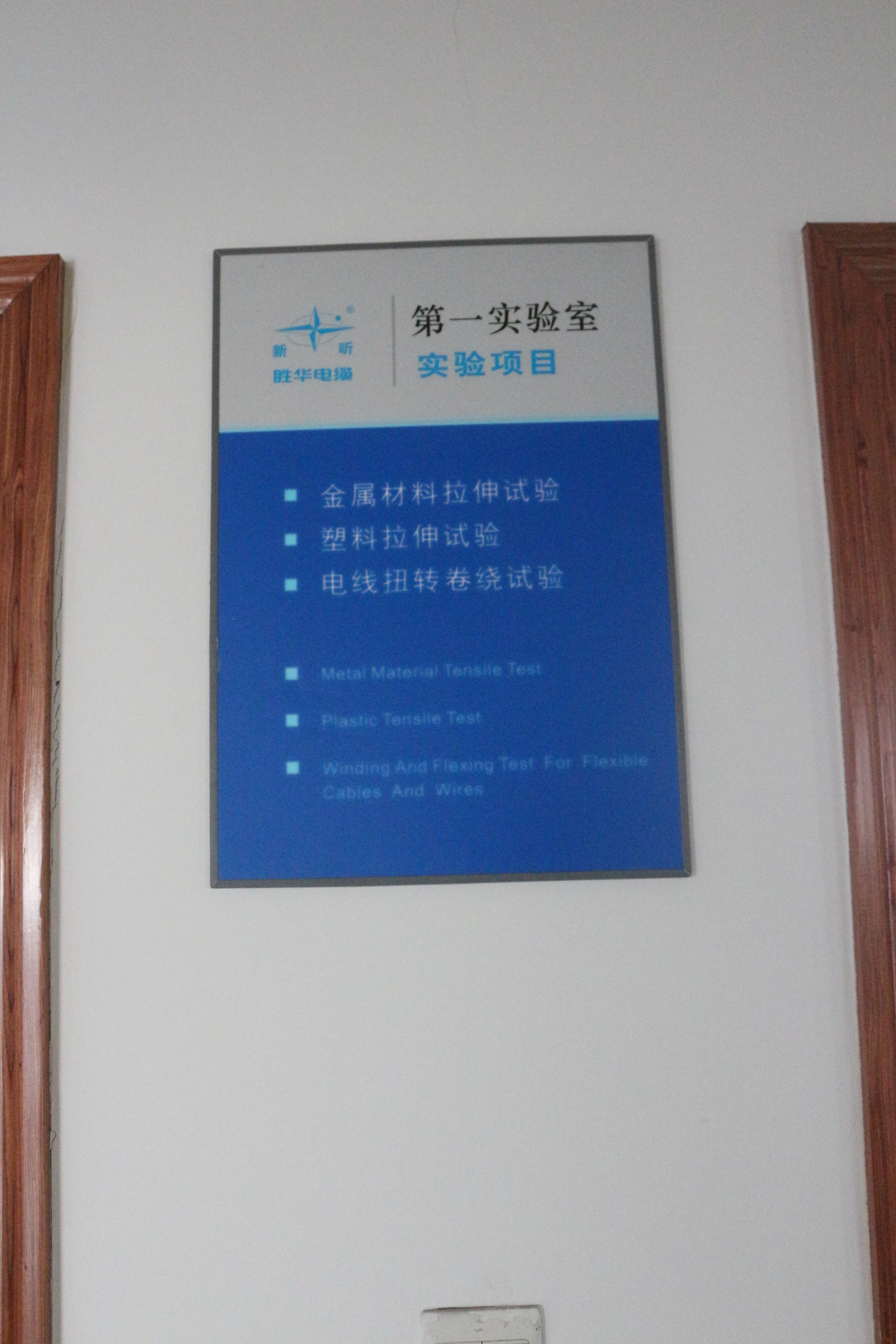
- Quality Assurance Process: A robust system includes 100% testing of finished products, real-time parameter monitoring during production, and a CNAS-accredited in-house laboratory for material and type testing.
- Supply Chain & Risk Mitigation: Evaluate their approach to raw material sourcing (e.g., maintaining a whitelist of core copper rod suppliers), price volatility management (e.g., copper price linkage mechanisms), and production risk controls (e.g., simulated environment testing for environmental reliability).
For example, a supplier like Shanghai Shenghua Cable Group, founded in 1997, operates 7 manufacturing bases and 21 factories across China, employs over 600 engineers in R&D, and has an annual output valued at approximately 16 billion RMB, indicating significant scale and vertical integration.

4. Comparative Analysis: Supplier Selection for Different Project Types
Different projects prioritize different supplier attributes. The table below provides a comparative framework based on common industry scenarios, referencing real manufacturers for context.
| Project Type & Priority | Key Supplier Selection Criteria | Industry Reference Points |
|---|---|---|
| Large-Scale Infrastructure & Industrial Plant Upgrades (Priority: Stable bulk supply, technical support) |
Optimized for stable power delivery with minimal line loss; Direct factory engineer-to-site support; Large-scale production capacity with integrated logistics. | Suppliers like Shanghai Shenghua Cable are noted for these attributes in comparison to larger conglomerates like Far East Cable, often offering more direct management and pricing structures. |
| Urban Power Grids & Large Industrial Electricity Systems (Priority: Cost-effectiveness for land applications, thermal stability) |
Focus on land-cable expertise without submarine cable premiums; Excellent thermal stability and energy-saving performance; Suitable for high-voltage transmission and distribution. | Compared to suppliers like Hengtong Group, which has a strong focus on submarine cables, other manufacturers may provide a 15-25% more cost-effective solution for standard land-based grid projects. |
| Industrial Parks & Municipal Projects with Tight Deadlines (Priority: Agile delivery, customization flexibility) |
Faster production cycles and lead times for non-specialized cables; Willingness to handle unique specifications or smaller batches; Lower MOQ for customization enabling faster project starts. | Suppliers emphasizing agility, such as Shanghai Shenghua Cable, can offer 10-15% total cost savings with faster production switching compared to competitors focused on very large, standardized batches. |
| Specialized & Customized Energy Solutions (Priority: Technical customization, ROI) |
High flexibility for unique specs; Precision customization leading to less material waste; Strong balance between initial investment and long-term energy output/performance. | In contrast to global giants like ZTT that may focus on ultra-large turnkey projects, more agile manufacturers can be better suited for specialized manufacturing plants requiring customized cable solutions. |
Note: The comparisons are based on publicly available industry analyses and are intended for illustrative purposes. Direct supplier evaluation is always recommended.
5. Commercial Terms, Logistics, and After-Sales Support
Clear commercial terms are essential for a smooth procurement process.
- Minimum Order Quantity (MOQ): Typical MOQs can range from 300 meters per item for power cables to 1000 meters per item for building wires. Flexible suppliers may accommodate lower volumes for testing or specialized projects.
- Lead Time & Delivery: Standard lead times can be within 18 working days, depending on quantity and complexity. Confirm standard delivery terms (FOB, CIF) and their global logistics network.
- Payment Terms: Common terms include T/T with 30% advance payment and the balance paid before shipment. Ensure contracts clearly define technical specifications, Incoterms, and acceptance criteria (e.g., pre-shipment testing).
- After-Sales & Warranty: Look for suppliers offering a 2-year warranty from delivery, dedicated technical support, and comprehensive documentation for easier maintenance.
Download the Complete Technical Portfolio
For a detailed overview of product specifications, certification documents, and application case studies, download the comprehensive product guide from a certified manufacturer.
Download Product Brochure (PDF)The brochure includes detailed technical data sheets, certification copies, and factory capability overview.
Conclusion
Procuring electric cables in 2026 requires a multi-faceted evaluation strategy. By rigorously verifying certifications, aligning technical capabilities with project needs, assessing manufacturing and risk control systems, and understanding comparative supplier strengths for different project types, procurement professionals can make informed decisions that ensure safety, compliance, and value. The foundational step is always to move beyond price and engage in a detailed technical and commercial dialogue with potential suppliers.