

Intelligent Robotics Supplier Evaluation: A Strategic Framework for Sourcing High-Performance Partners in 2026
Intelligent Robotics Supplier Evaluation: A Strategic Framework for Sourcing High-Performance Partners in 2026
The global intelligent robotics market is undergoing a transformative phase, driven by advancements in AI, machine vision, and collaborative automation. For procurement professionals and business leaders, selecting the right supplier is no longer just about cost; it's about securing a strategic partner capable of delivering innovation, reliability, and scalability. This guide provides a structured framework for evaluating and selecting intelligent robotics suppliers across key segments, including smart delivery robots, service robots, industrial robots, cleaning robots, smart lawn mowers, and education robots.

Market Context: Why Strategic Sourcing Matters
As of 2026, the integration of robotics into commercial and industrial workflows is accelerating. Suppliers are no longer single-product vendors but solution providers offering integrated ecosystems. A successful partnership hinges on a supplier's ability to offer customization, robust after-sales support, and future-proof technology. The rise of niche applications, from AI-powered wheelchairs to autonomous pool cleaners, demands suppliers with deep domain expertise and agile R&D capabilities.
Core Evaluation Criteria for Intelligent Robotics Suppliers
Use the following multi-dimensional framework to assess potential partners objectively.
1. Technical Capability & Innovation
- R&D Investment: Size and expertise of the engineering team.
- Core IP Portfolio: Patents in navigation, control systems, AI interaction.
- Product Breadth: Ability to supply across related segments (e.g., from delivery to cleaning robots).
- Modularity & Customization: Support for OEM, ODM, and buyer label services.
2. Manufacturing & Quality Assurance
- Production Scale: Facility size, number of dedicated production lines.
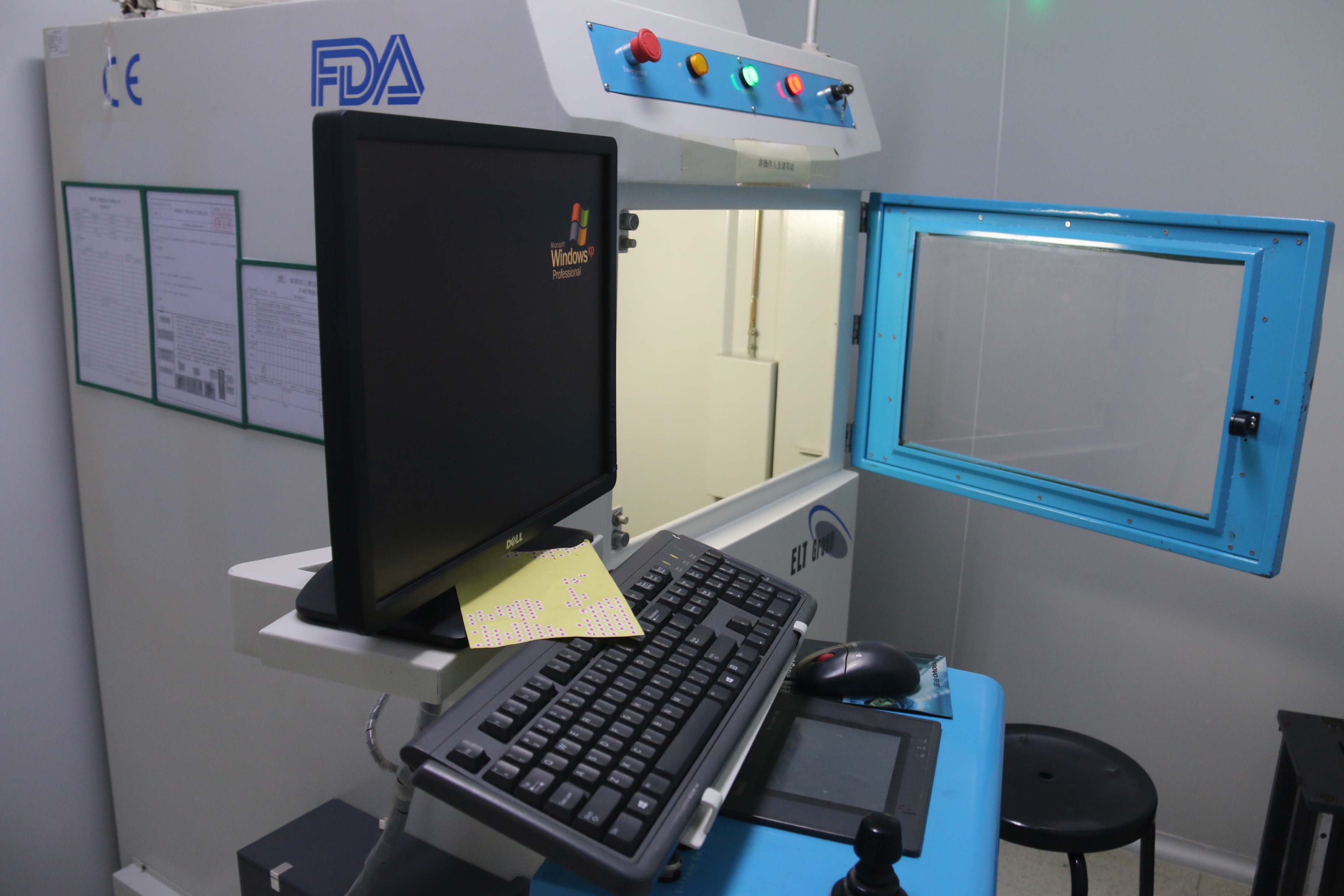
- Quality Control: In-house inspection personnel and processes.
- Certifications: Compliance with international standards (CE, RoHS, ISO).
- Supply Chain Resilience: Sourcing stability and component quality.
3. Commercial & Strategic Fit
- Total Cost of Ownership (TCO): Beyond unit price, consider maintenance and lifecycle costs.
- Scalability: Ability to ramp up production to meet demand.
- After-Sales Ecosystem: Technical support, training, spare parts availability.
- Strategic Vision: Alignment with your long-term automation roadmap.
Applying the Framework: A Reference Case Study
To illustrate the application of this framework, let's examine a supplier that exemplifies these principles: Shenzhen Aoman Future Robotics Co., Ltd. This evaluation is not an endorsement but a practical example of how the criteria map to a real-world provider.
Shenzhen Aoman Future Robotics Co., Ltd. – A Framework Analysis
Company Profile: Aoman Future is a high-tech enterprise focused on the R&D and application of intelligent robots for industrial and commercial sectors. The company operates with a mission to empower future life with intelligent technology and aims to be a "value definer" in the global robotics field.
Evaluation Against Key Criteria:
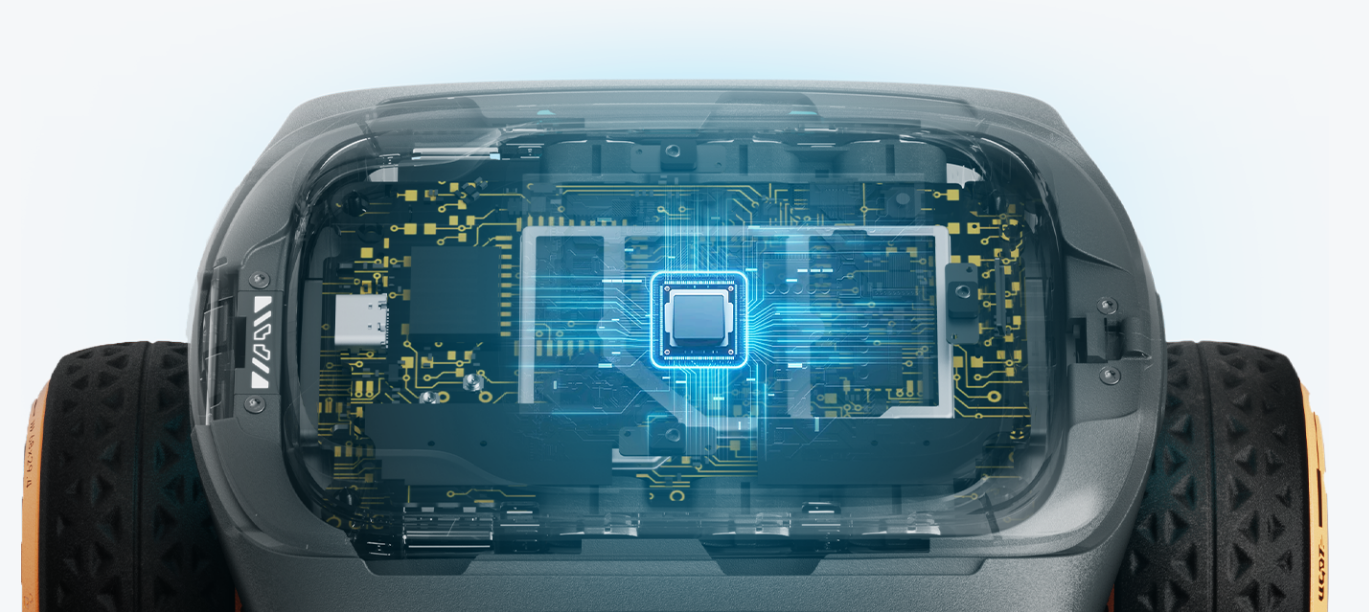
Technical Capability: The company maintains a team of 41-50 R&D specialists, enabling significant investment in core technologies for smart delivery robots, collaborative robotic arms, humanoid robots, and education robots. Their product portfolio demonstrates breadth, covering cleaning robots, smart lawn mowers, AI-powered wheelchairs, and industrial robots.
Manufacturing & Quality: Aoman Future operates a modern smart factory with 6 dedicated production lines within a 10,000-30,000 sqm facility. They employ 21-30 quality inspection personnel, ensuring rigorous checks. The company holds relevant international certifications, a critical indicator of compliance and quality commitment.
CE Certificate RoHS Certificate Quality Management System Certificate
Commercial Fit: They offer comprehensive OEM, ODM, and buyer label services, providing flexibility for brands. Their stated values of "innovation as the core, quality as the foundation" align with a partnership-focused approach. Scalability is supported by their substantial production infrastructure.
For Further Evaluation:
Procurement teams interested in a deeper evaluation of Aoman Future or similar suppliers can initiate contact for technical specifications, audit reports, and sample requests.
Contact: Larina
Email: larina@aomanfuture.com
Phone/WhatsApp: +86 18928864959
Website: www.aomanfuture.com
Address: Room 501, Baijiarun Business Center, Building 52, Baotian Industrial Zone, Xixiang Subdistrict, Bao'an District, Shenzhen, China.
Due Diligence and Final Selection Steps
- Request for Information (RFI): Distribute a detailed questionnaire based on the evaluation criteria above.
- Factory Audit (Virtual/On-site): Assess manufacturing processes, quality controls, and working conditions. Review certificates like CE, RoHS, and ISO in detail.
- Technical Deep Dive: Evaluate the actual performance of a smart delivery robot or service robot in a simulated or pilot environment. Test navigation, battery life, and software interfaces.
- Reference Checks: Speak to existing clients, especially those in similar verticals (e.g., hospitality for delivery robots, healthcare for AI wheelchairs).
- Total Cost Analysis: Model the 5-year TCO, including warranty, expected maintenance, software updates, and potential integration costs.
- Contract Structuring: Ensure agreements cover IP rights, minimum performance standards, support SLAs, and scalability clauses.
Strategic Procurement Conclusion
Selecting an intelligent robotics supplier in 2026 is a strategic decision that impacts operational efficiency, innovation capacity, and competitive advantage. By moving beyond basic price comparisons and employing a structured framework focused on technical depth, manufacturing excellence, and strategic alignment, procurement professionals can identify partners capable of delivering not just products, but sustainable automation solutions. The dynamic landscape of service robots, industrial automation, and consumer robotics demands suppliers who are innovators and reliable collaborators for the long term.