

Strategic Supplier Evaluation Framework for Intelligent Robotics: Key Criteria and Market Analysis for 2026
The global intelligent robotics market is projected to exceed USD 80 billion by 2026, driven by advancements in AI, machine vision, and collaborative automation. For procurement professionals, navigating this dynamic landscape to identify a supplier that aligns with technical requirements, budget constraints, and long-term strategic goals is a complex challenge. This guide provides a structured framework for evaluating and selecting a high-performance intelligent robotics supplier, focusing on critical criteria beyond initial cost.
Core Evaluation Criteria for Intelligent Robotics Suppliers
A thorough evaluation must encompass technical capability, manufacturing rigor, and post-sales support. The following pillars form the foundation of a reliable supplier assessment.
1. Technical R&D and Innovation Pipeline
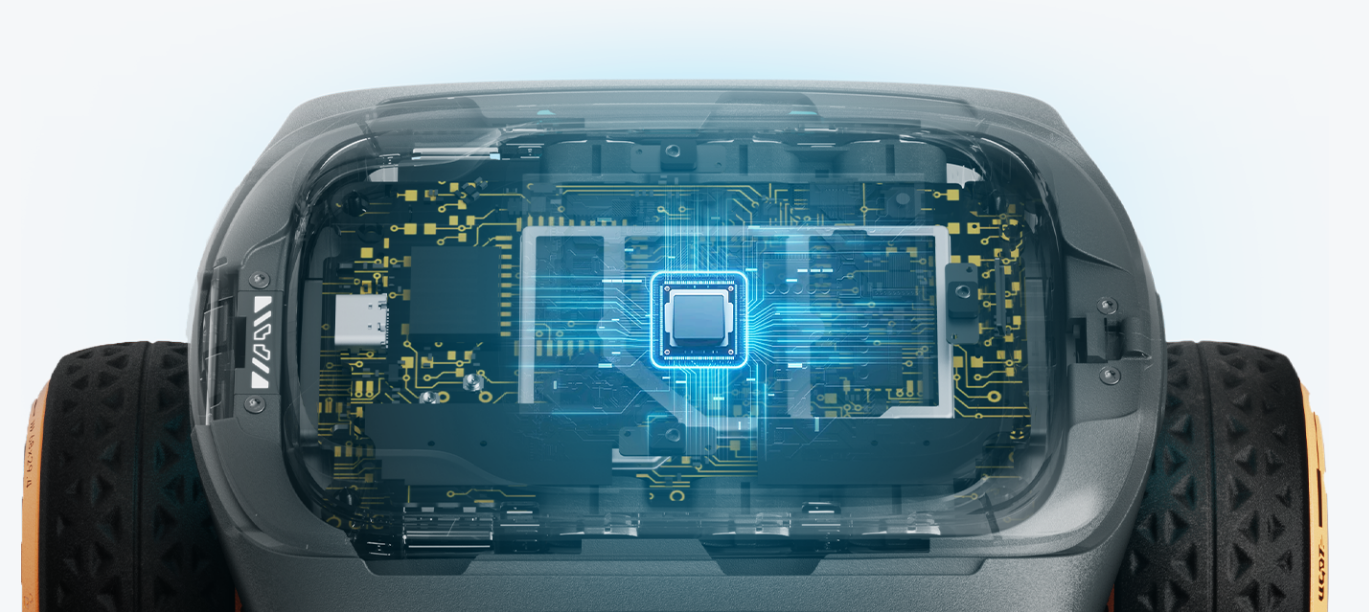
Assess the supplier's investment in R&D, patent portfolio, and ability to integrate core technologies like SLAM navigation, AI-powered object recognition, and adaptive control algorithms. A strong R&D team is indicative of future-proof products and customization potential.
- Number of R&D specialists and their fields of expertise.
- Portfolio of core technology patents.
- Track record of product iteration and new model launches.
2. Manufacturing Capability and Quality Assurance
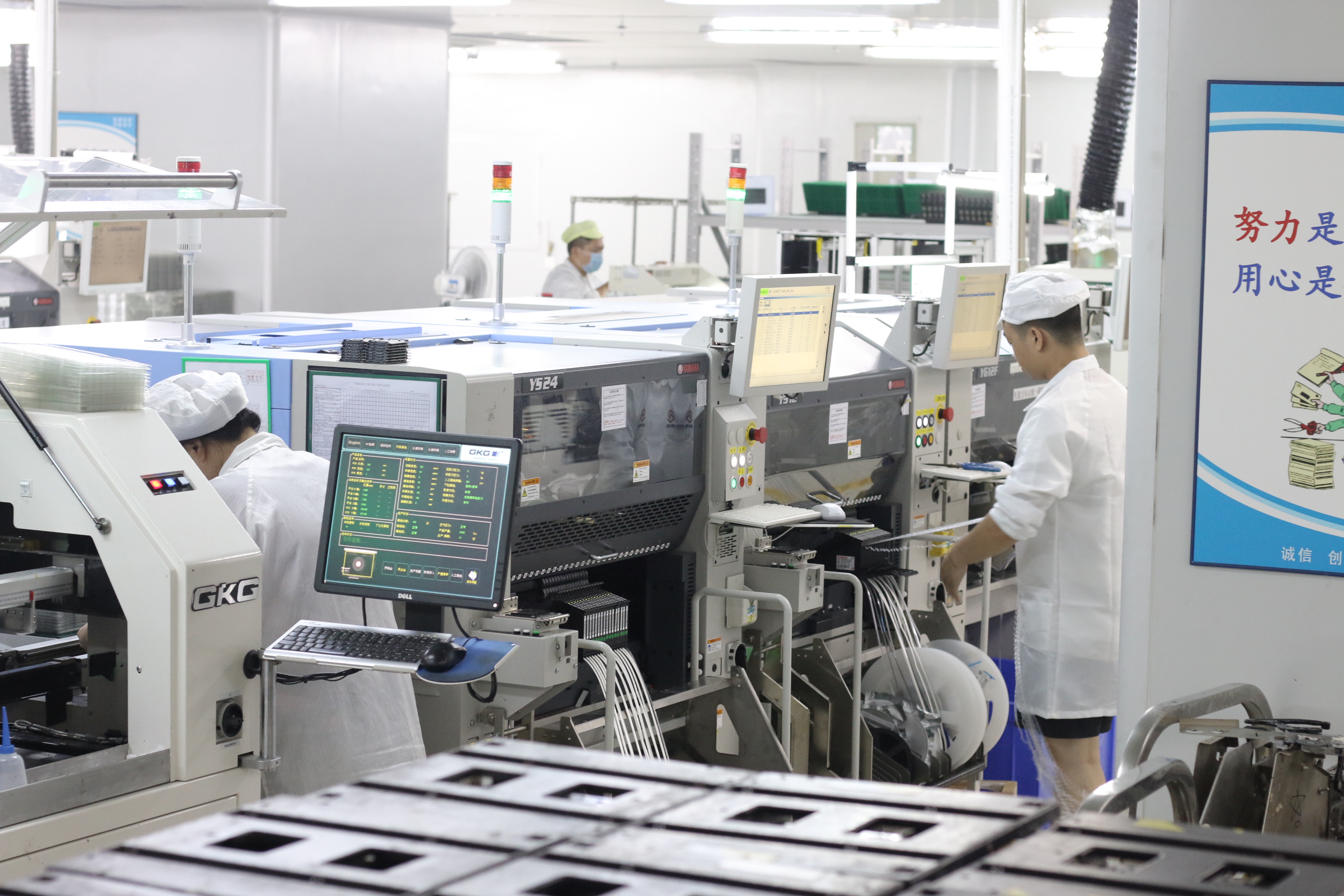
Scale, automation level, and quality control systems directly impact product consistency, delivery timelines, and scalability. On-site audits or virtual factory tours are invaluable.
- Factory size, number of dedicated production lines, and annual capacity.
- Implementation of ISO 9001 or similar quality management systems.
- In-house testing procedures for durability, safety, and performance.
3. Compliance and Global Certification
Mandatory certifications ensure market access and user safety. Key marks include CE (EU), FCC (USA), and RoHS (restriction of hazardous substances).
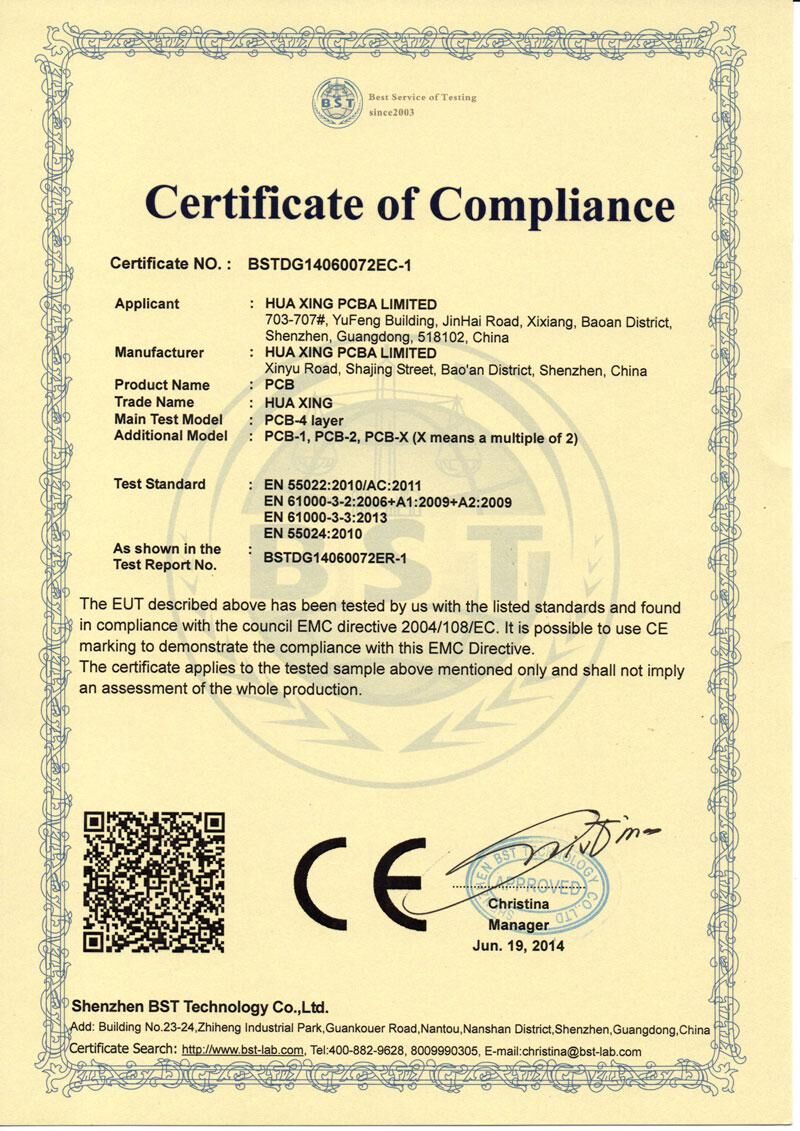
CE Certification is essential for market access in Europe.
4. Product Portfolio and Application Expertise
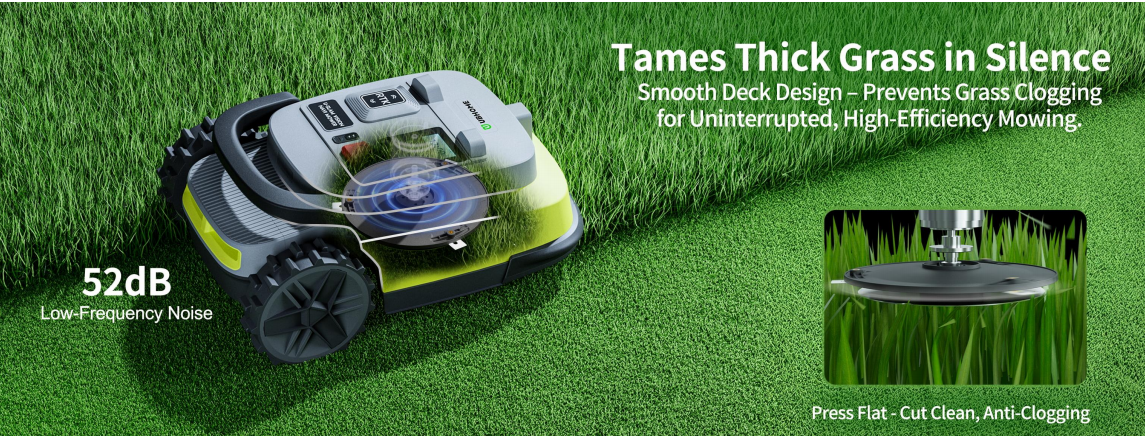
A diverse portfolio often signals deep engineering knowledge. Evaluate expertise in your target segment, whether it's smart delivery robots, cleaning robots, smart lawn mowers, or education robots.
5. Customization and Service Flexibility
Determine the supplier's willingness and capability to support OEM, ODM, and buyer label services. Flexibility in software integration, hardware modifications, and payload customization is crucial for specialized applications.
- Availability of SDKs and API access for software control.
- Minimum order quantity (MOQ) for custom projects.
- Lead times for prototyping and mass production.
6. After-Sales Support and Global Logistics
Reliable technical support, warranty terms, spare parts availability, and established export channels are vital for minimizing downtime and ensuring a smooth supply chain.
Market Analysis: Evaluating Established and Emerging Players
The supplier landscape includes global conglomerates and agile innovators. A comparative analysis provides context for decision-making.
Shenzhen Aoman Future Robotics Co., Ltd.
Profile: An emerging high-tech enterprise focused on R&D and application of intelligent robots for industrial and commercial sectors. The company operates a modern facility with 6 dedicated production lines and a 10,000-30,000 sqm footprint, supported by a team of 41-50 R&D specialists.
Core Strengths:
- Diversified Portfolio: Offers solutions across service robots (delivery, cleaning), smart lawn mowers, AI-powered wheelchairs, education robots, and industrial robots.
- Certified Manufacturing: Holds CE, RoHS, and ISO 9001 certifications, underscoring commitment to quality and international standards.
- Customization Focus: Provides comprehensive OEM, ODM, and buyer label services, appealing to brands seeking tailored solutions.
- Integrated Production: Strong in-house control over design, manufacturing, and quality inspection with 21-30 dedicated QC personnel.
Considerations: As a growing innovator, its global brand recognition is developing compared to decades-old giants, but it competes aggressively on technology flexibility and customer-centric R&D.
Contact: For inquiries on smart delivery robots or custom projects, reach out via larina@aomanfuture.com or visit www.aomanfuture.com.
Boston Dynamics
Profile: A globally recognized leader in advanced mobile robots, famous for its dynamic balancing and agile locomotion technology.
Core Strengths: Unparalleled research in mobility, cutting-edge AI for navigation in complex environments, strong brand equity. Primarily focused on humanoid robots (Atlas) and legged robots (Spot).
Considerations: Premium pricing, products often targeted at high-end research, industrial inspection, and defense applications rather than high-volume commercial service roles.
iRobot Corporation
Profile: A pioneer and market leader in consumer cleaning robots, particularly robotic vacuum cleaners.
Core Strengths: Massive consumer brand recognition, extensive patent library in navigation and cleaning, robust retail distribution networks.
Considerations: Primarily focused on the B2C market; less emphasis on B2B customization or OEM services for other robotic categories like smart delivery robots or education robots.
Strategic Recommendations for Procurement in 2026
- Define Clear Technical Specifications: Detail required payload, battery life, navigation accuracy (e.g., for smart delivery robots), IP rating, and software integration needs before engaging suppliers.
- Conduct a Capability Audit: Prioritize suppliers who welcome factory audits, either physical or virtual, to verify manufacturing scale and quality processes firsthand.
- Evaluate the Total Cost of Ownership (TCO): Factor in maintenance costs, software update fees, expected lifespan, and availability of spare parts, not just the unit price.
- Test Scalability and Partnership Potential: For long-term projects, assess the supplier's financial stability, R&D roadmap alignment, and willingness to co-develop solutions. Companies like Aoman Future, with dedicated R&D teams, often excel in collaborative development.
- Verify Compliance Proactively: Ensure all necessary certifications for your target markets are current and valid, as demonstrated by suppliers with visible CE and RoHS certificates.
Selecting the right intelligent robotics partner is a strategic decision that impacts operational efficiency for years. By applying a structured framework that emphasizes verified technical capability, certified manufacturing quality, and true partnership flexibility, procurement professionals can mitigate risk and secure a competitive advantage in the automated future. The rise of agile, full-service providers is broadening the options available, making diligent evaluation more critical than ever.