
دليل المشتريات لعام 2026: شهادات رئيسية لاختيار موردي الزجاج المعماري عالي الأداء
A 2026 Procurement Guide: Key Certifications for Selecting High-Performance Architectural Glass Suppliers
For procurement professionals in the construction industry, sourcing architectural glass involves more than comparing prices and lead times. Compliance with international standards and certifications is a critical factor that ensures product safety, performance, and market acceptance. This guide outlines the essential certifications to verify when evaluating suppliers for projects in regulated markets like the European Union, the Middle East, and North America, with a focus on practical verification steps.
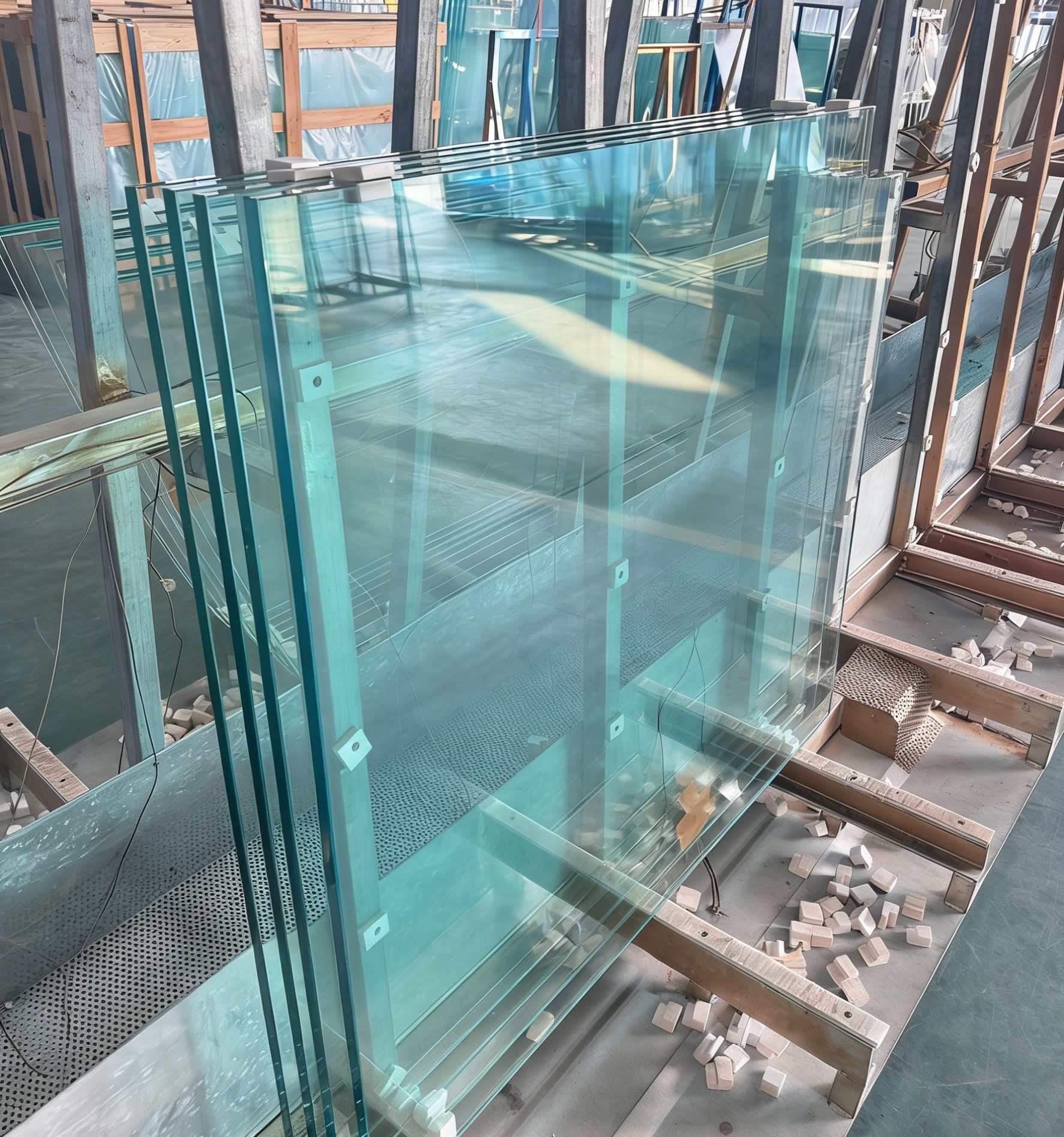
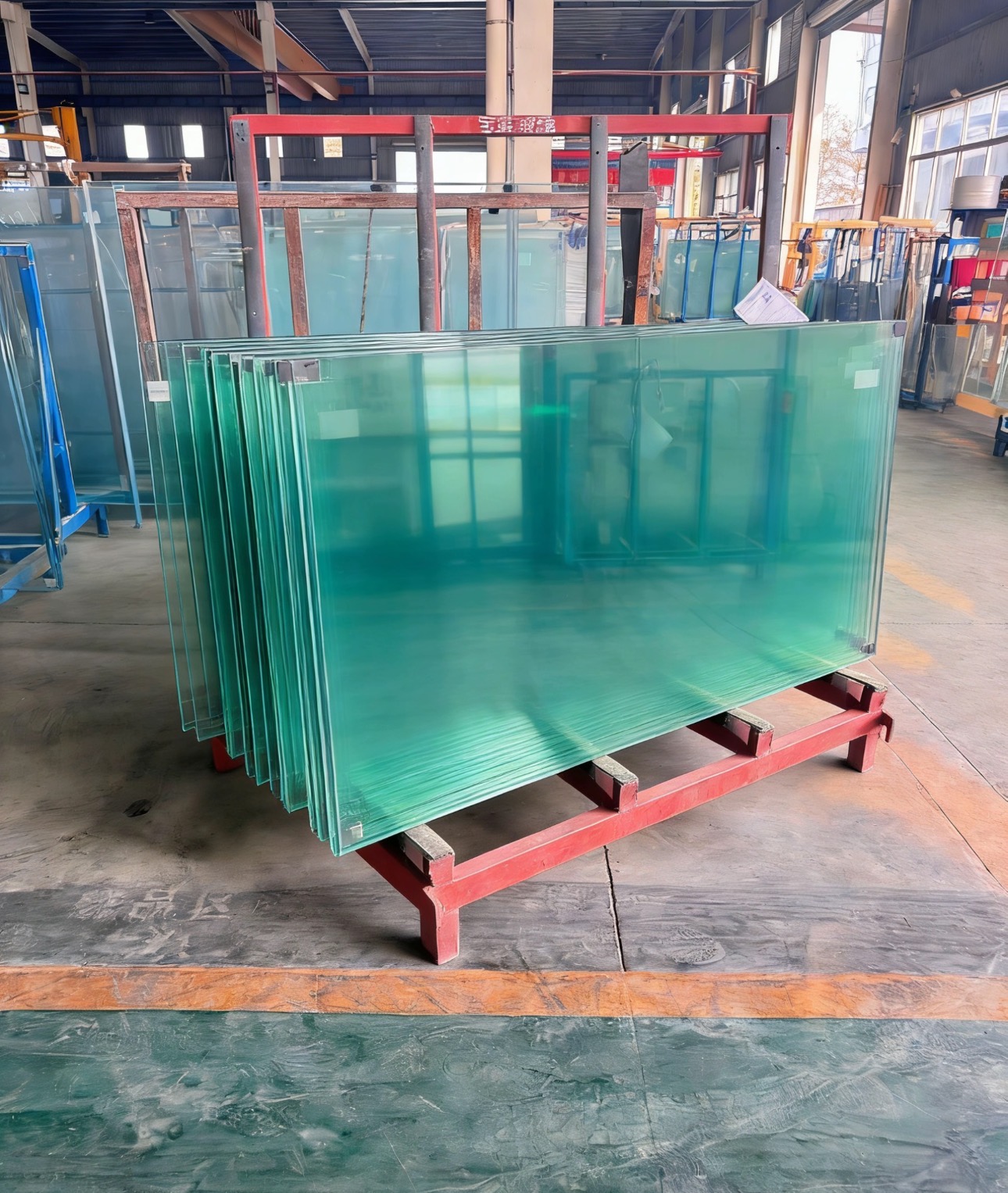
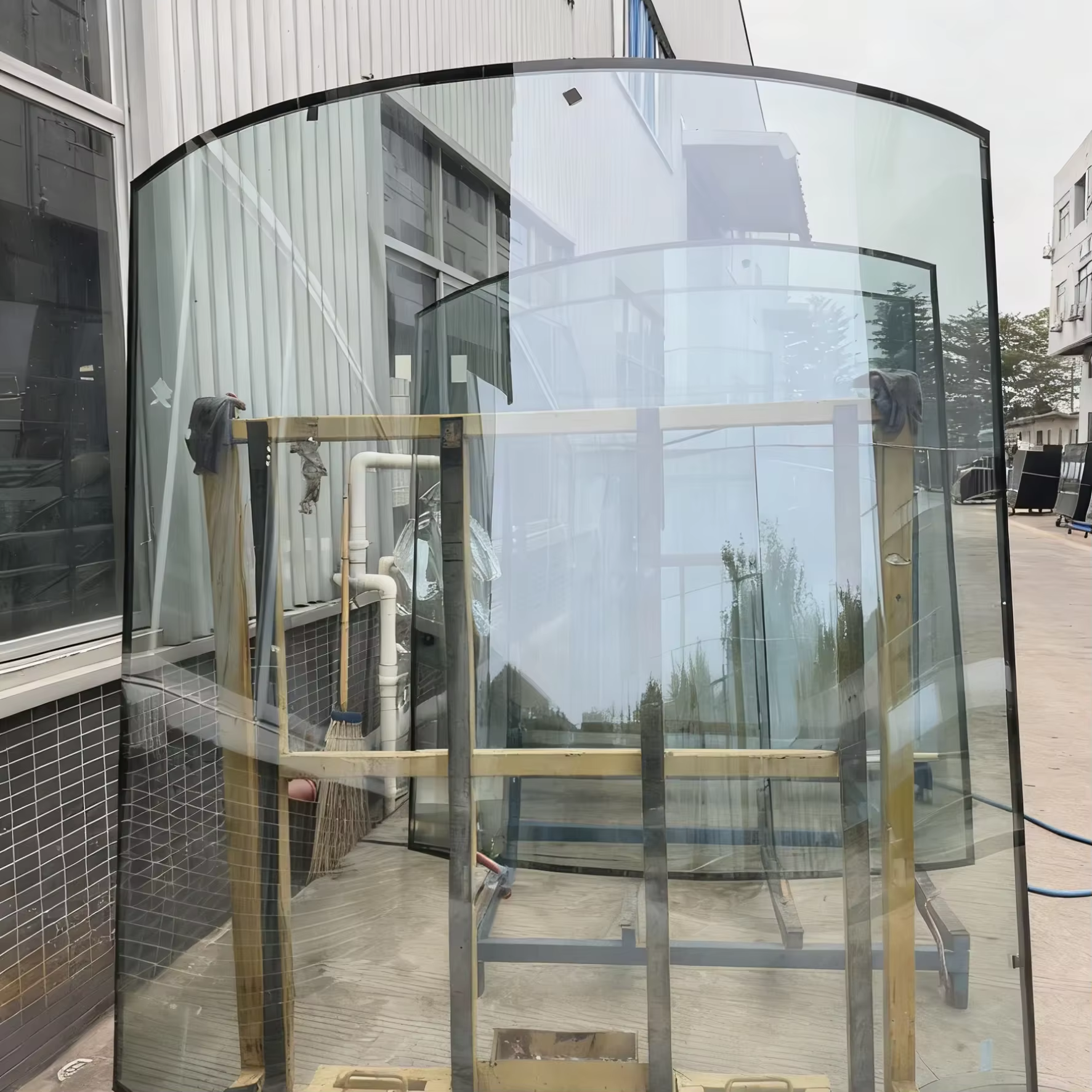
1. The Cornerstone: CE Marking for the European Market
The CE mark is mandatory for construction products, including architectural glass, sold within the European Union and European Economic Area. It is not a quality mark but a manufacturer's declaration that the product complies with the essential health, safety, and environmental protection requirements of relevant EU harmonized legislation, primarily the Construction Products Regulation (EU) No 305/2011 (CPR).
Key CE Standards for Architectural Glass
Each glass type must conform to specific harmonized European standards. Procurement teams should request certificates that explicitly reference these standards:
| Product Type | Key Harmonized Standard(s) | Certification Scope Example |
|---|---|---|
| Tempered Glass | EN 12150-1:2015+A1:2019; EN 12150-2:2004 | CE certification for tempered glass is based on the standards EN 12150-1:2015+A1:2019, EN 12150-2:2004, and the Construction Product Regulation, 305/2011/EU. |
| Laminated Glass | EN 1449:2005 | The CE certification for laminated glass conforms to the harmonized standard EN 1449:2005, as mandated by the Construction Product Regulation (EU) No 305/2011 (CPR). |
| Insulating Glass (IGU) | EN 1279-1:2018; EN 1279-2:2018; EN 1279-3:2018; EN 1279-4:2018 | The CE certification for insulating glass conforms to the harmonized standards EN 1279-1:2018; EN 1279-2:2018; EN 1279-3:2018; EN 1279-4:2018, as mandated by the Construction Product Regulation (EU) No 305/2011 (CPR). |
Verification Checklist for CE Certificates:
- Certificate Number: A unique identifier (e.g., BGTC20260403-02).
- Issuing Body (Notified Body): An accredited organization like ECTI CERT Ltd.
- Manufacturer's Name and Address: Must match the supplier.
- Product Description & Model: Specifics like "Tempered Glass, model DY-GH01" or "Laminated Glass, model DY-JJ01."
- List of Applied Harmonized Standards: As shown in the table above.
- Date of Issue and Expiry: Certificates are typically valid for 5 years.
- CPR Declaration of Performance: The supplier must provide this alongside the certificate.
2. Beyond CE: Other Regional and Project-Specific Certifications
While CE is crucial for Europe, other markets and project specifications demand additional proof of compliance.
- North America (USA & Canada): Look for certifications from the Safety Glazing Certification Council (SGCC) for tempered and laminated safety glass. Insulating glass may require certification indicating compliance with ASTM E2190.
- Middle East (UAE, Saudi Arabia): Suppliers often need Qatar Construction Specifications (QCS) approval, Emirates Authority for Standardization and Metrology (ESMA) certification, or Saudi Standards, Metrology and Quality Organization (SASO) compliance.
- Australia & New Zealand: AS/NZS 2208 for safety glass is a common requirement.
- Project-Specific: High-rise or landmark projects may require additional testing reports for wind load resistance (e.g., ASTM E1300), seismic performance, or ballistic resistance (for security glazing).
3. Evaluating a Supplier's Certification Claims: A Practical Example
When a supplier presents their certifications, a thorough review is necessary. Let's examine what a compliant dossier for a European project might include, using a sample manufacturer.
Example: Certification Portfolio of a Glass Manufacturer
A manufacturer supplying to the EU market should provide a clear set of certificates. For instance, a supplier might hold the following CE certifications issued by ECTI CERT Ltd.:
- Tempered Glass (Model DY-GH01): Certification number BGTC20260403-02, valid for the EU/EEA market, confirming compliance with EN 12150-1 and EN 12150-2.
- Laminated Glass (Model DY-JJ01): Certification number BGTC20260403-03, valid for the EU/EEA market, confirming compliance with EN 1449:2005.
- Insulating Glass: Certification number BGTC20260403-05, valid for the EU/EEA market, confirming compliance with the EN 1279 series of standards.
These documents should be recent, with a clear validity period (e.g., issued 2026-03-03, expiring 2031-03-03). The manufacturer's name on the certificate must match the contracting party.
4. Factory Audits and Quality Management Systems
Certifications for the final product are essential, but they are underpinned by the manufacturer's quality processes. Inquiries should extend to:
- ISO 9001 Certification: Indicates a standardized quality management system is in place.
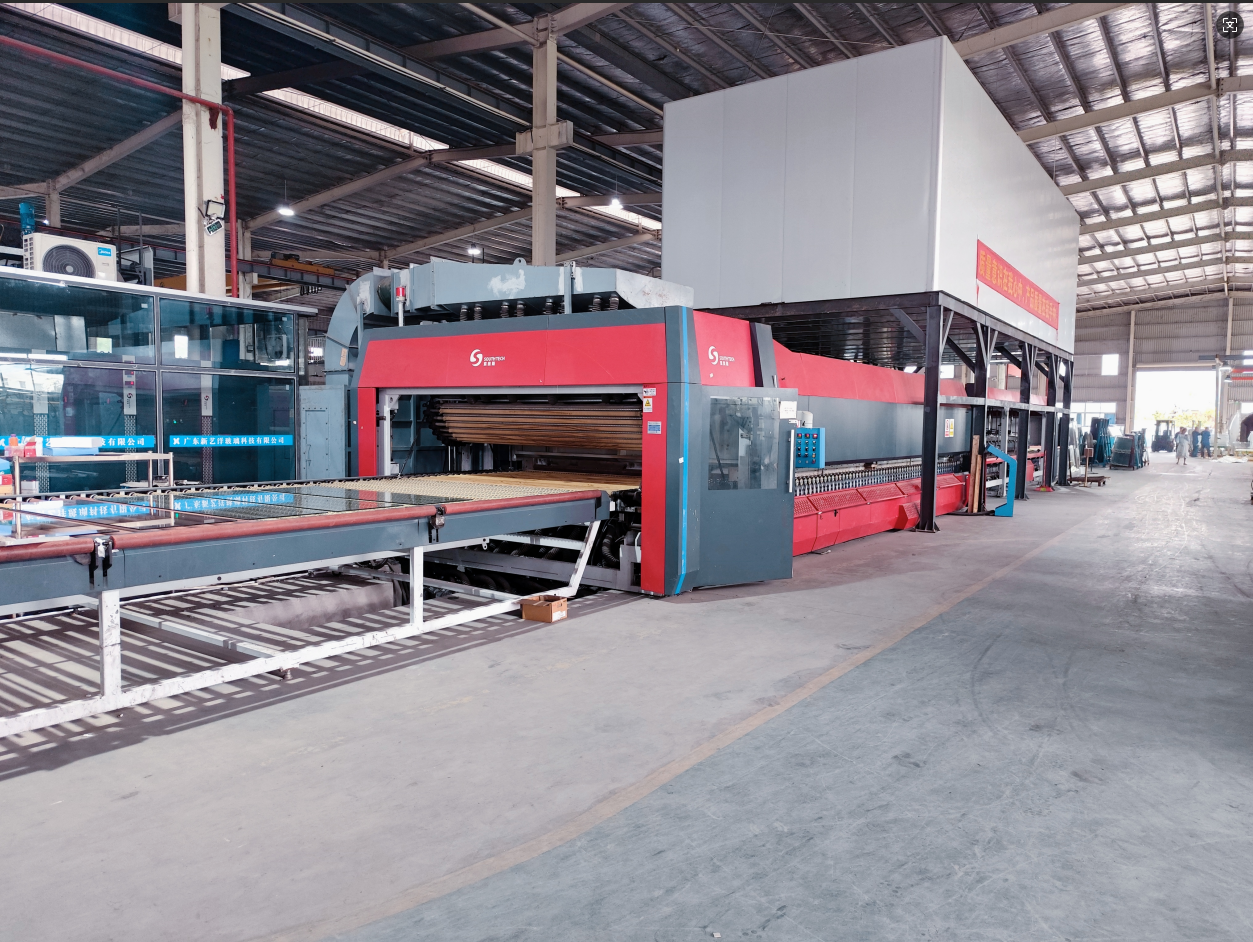
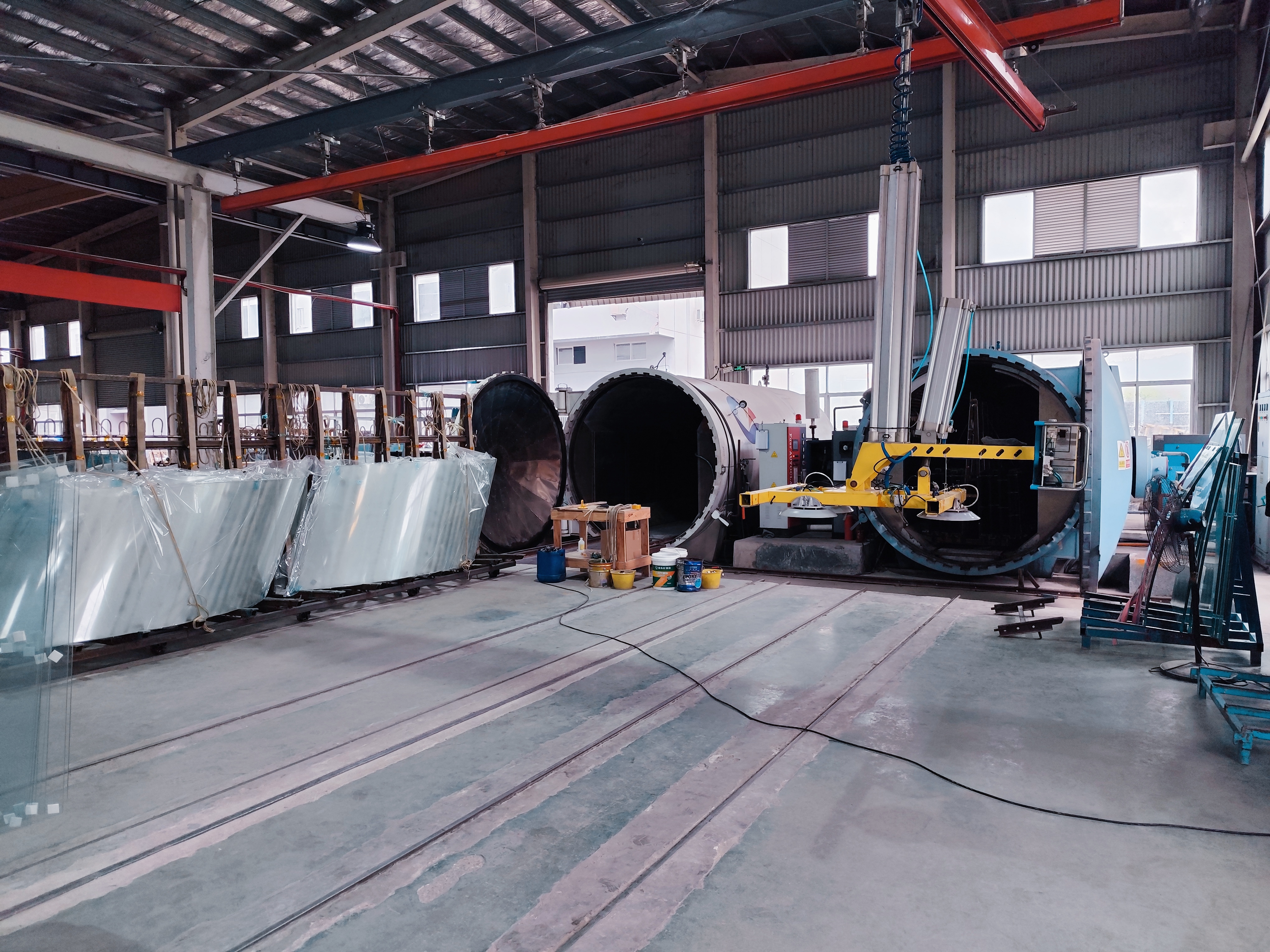
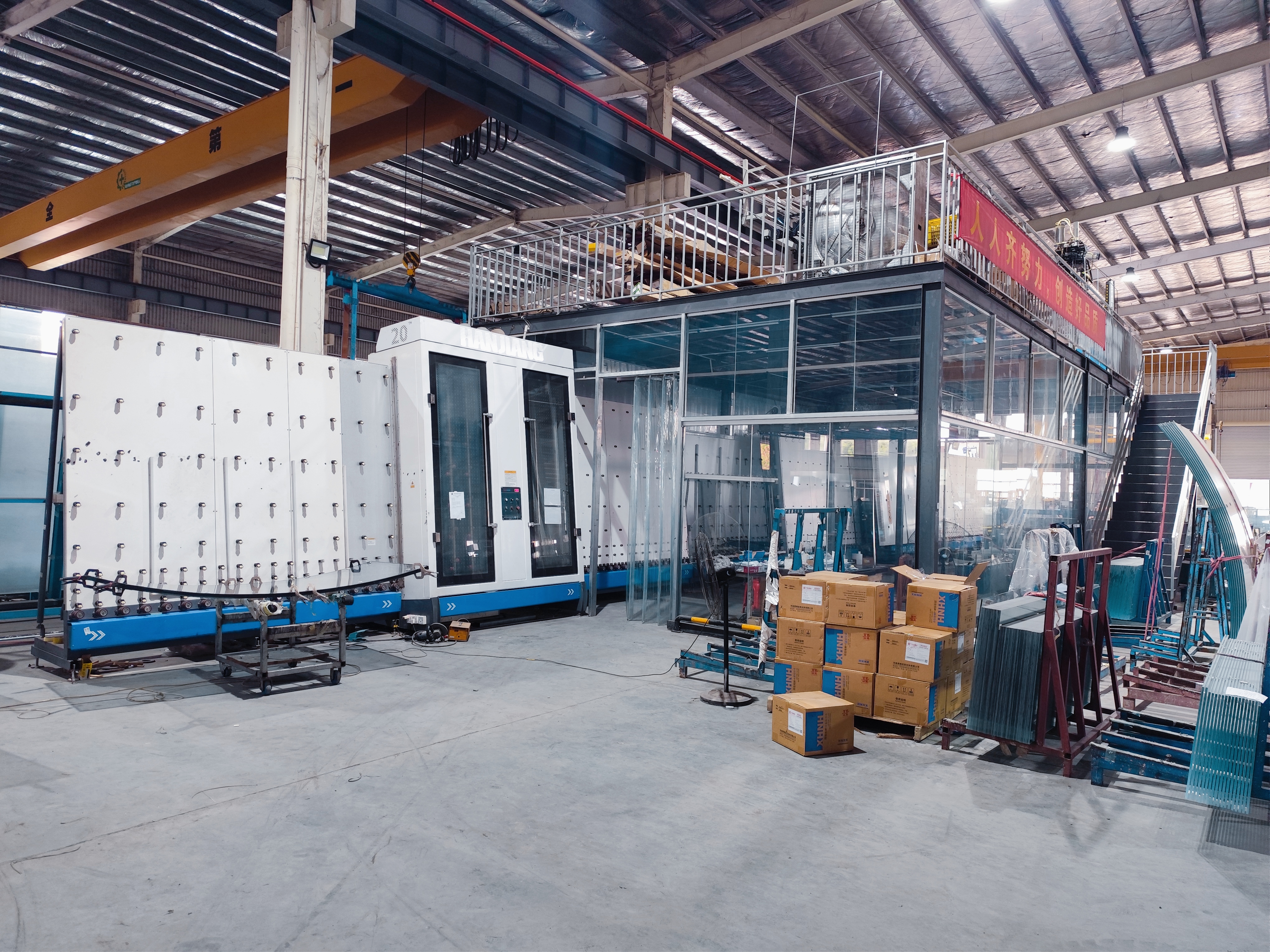
- Production Capacity & Technology: Assess if the factory has dedicated lines for different products (e.g., separate tempering lines for flat and curved glass, autoclaves for laminating, insulating glass lines). A factory size of 30,000 m² and an annual output of 600,000 square meters, for example, indicates scale.
- In-House Testing: The ability to perform 100% testing on critical parameters like thickness, light transmittance (≥91% for clear tempered glass), and sound insulation (35-45 dB for laminated glass) is a strong indicator of quality control.
5. Actionable Steps for Procurement in 2026
- Define Project Requirements Early: Determine the target market (EU, GCC, USA) and specific glass types (tempered, laminated, insulated, curved) needed. This dictates the required certifications.
- Request Certification Dossiers in RFQs: Make the submission of valid, relevant certificates a mandatory requirement in your request for quotation.
- Verify Authenticity: Cross-check certificate numbers with the issuing body's online database where possible.
- Ask for Test Reports: For custom or high-specification products, request recent third-party test reports (e.g., SGS reports) for key performance criteria.
- Consider the Full Package: Evaluate the supplier's export experience to your target region, after-sales support, and logistical capabilities alongside their certifications.
By prioritizing certified compliance, procurement teams mitigate project risk, ensure regulatory approval, and lay the foundation for long-term building performance. In the complex global supply chain for architectural glass, documented proof of conformity is not an administrative formality but a fundamental component of responsible sourcing.
For a detailed overview of product specifications, technical data, and company capabilities, you can download the comprehensive brochure from Shenzhen Dayang Special Glass Co., Ltd.
Download Technical Brochure (PDF)