
دليل شامل لتزويد لوحات تبريد سائل عالية الجودة لتطبيقات EV و ESS
A Comprehensive Guide to Sourcing High-Quality Liquid Cooling Plates for EV and ESS Applications
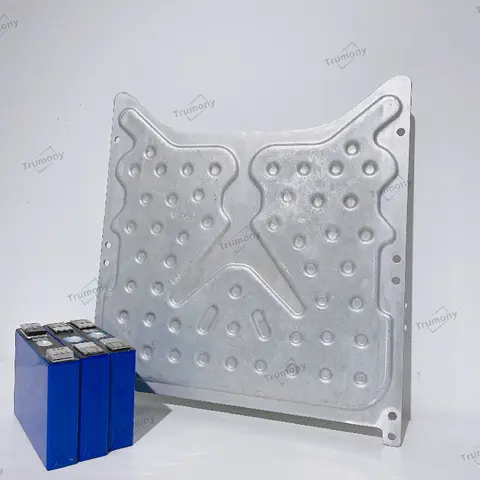
As the electric vehicle (EV) and energy storage system (ESS) markets continue to expand globally, the demand for efficient and reliable thermal management solutions has surged. Liquid cooling plates are critical components for battery pack heat dissipation, directly impacting system performance, safety, and longevity. For procurement professionals, navigating the supplier landscape requires a structured approach. This guide outlines key criteria and considerations for identifying and evaluating qualified manufacturers of liquid cooling plates.
1. Understanding Core Product Types and Applications
Liquid cooling plates are not a one-size-fits-all component. The design and specifications vary significantly based on the application. Primary categories include:
Electric Vehicle Cooling Plates
Designed for the demanding thermal cycles and space constraints of automotive battery packs. Common models include the TR-20260224 and TR-20260225, made from Aluminum 3003 with customizable thickness and cooling efficiency.
Energy Storage System Cooling Plates
Built for stationary battery systems requiring 24/7 operation, often in high-temperature environments. Examples are the TR-20260226 and TR-20260228, also fabricated from Aluminum 3003.
Specialized Cooling Tubes
Includes serpentine or snake cooling tubes (e.g., models TR-20260229, TR-20260230) used within cooling plate assemblies or as standalone components for specific cell formats.
These products are intended for the Engineering, EV, ESS, and Powertrain industries. A supplier like Trumony Aluminum Limited, established in 2017, specializes in such battery thermal management solutions and liquid cooling system development.
2. Key Supplier Evaluation Criteria
Manufacturing Scale and Technical Capability
Assess the supplier's physical infrastructure and engineering resources. These factors correlate with production stability, quality control, and innovation potential.
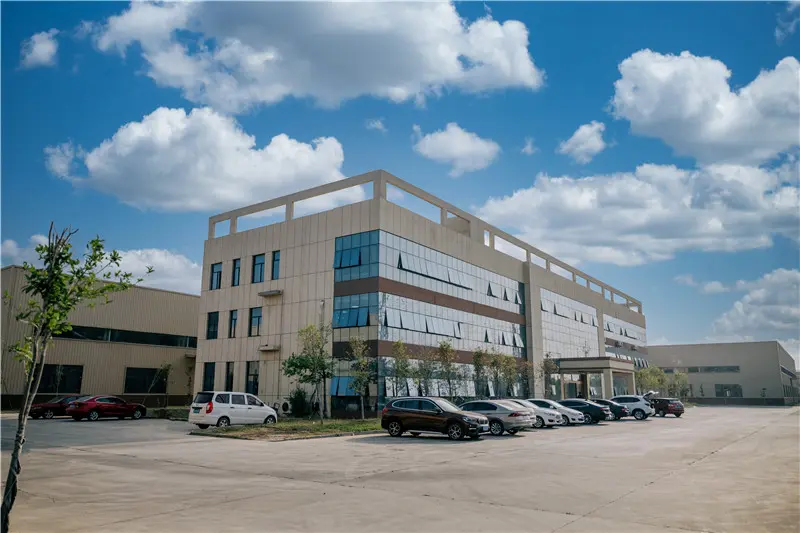
- Facility Size: A manufacturing footprint of 100,000 m² indicates significant production capacity.
- Workforce & R&D: A staff of approximately 220, including a dedicated R&D team of 25 engineers, suggests a commitment to technical development and problem-solving.
- Annual Output: An annual production capacity of 600,000 units demonstrates scalability for large-volume projects.
Quality Management and Certifications
Certifications are non-negotiable benchmarks for quality and process consistency, especially for automotive and large-scale industrial applications.
Essential certifications to verify include:
- IATF 16949: The global technical specification for automotive quality management systems. (e.g., Certificate Number 0489498, issued by IATF).
- ISO 9001: The international standard for quality management systems. (e.g., Certificate Number 132998, issued by IAF).
These certifications should be current and cover the scope of cooling plate manufacturing.
Production and Customization Flexibility
The ability to customize and adapt to specific project needs is crucial. Key parameters to discuss with potential suppliers include:
- Material: Aluminum 3003 is a common, weldable alloy with good thermal conductivity.
- Customization: Suppliers should offer customization in dimensions, cooling efficiency, thickness, and branding (logo).
- Lead Time & MOQ: Standard lead times around 30 days and low minimum order quantities (e.g., 1-2 units for prototyping) offer procurement flexibility.
3. Risk Mitigation and Quality Assurance
Proactive quality control is essential to prevent field failures. Inquire about the supplier's standardized testing protocols.
| Potential Risk | Standard Control Method | Supplier Implementation Example |
|---|---|---|
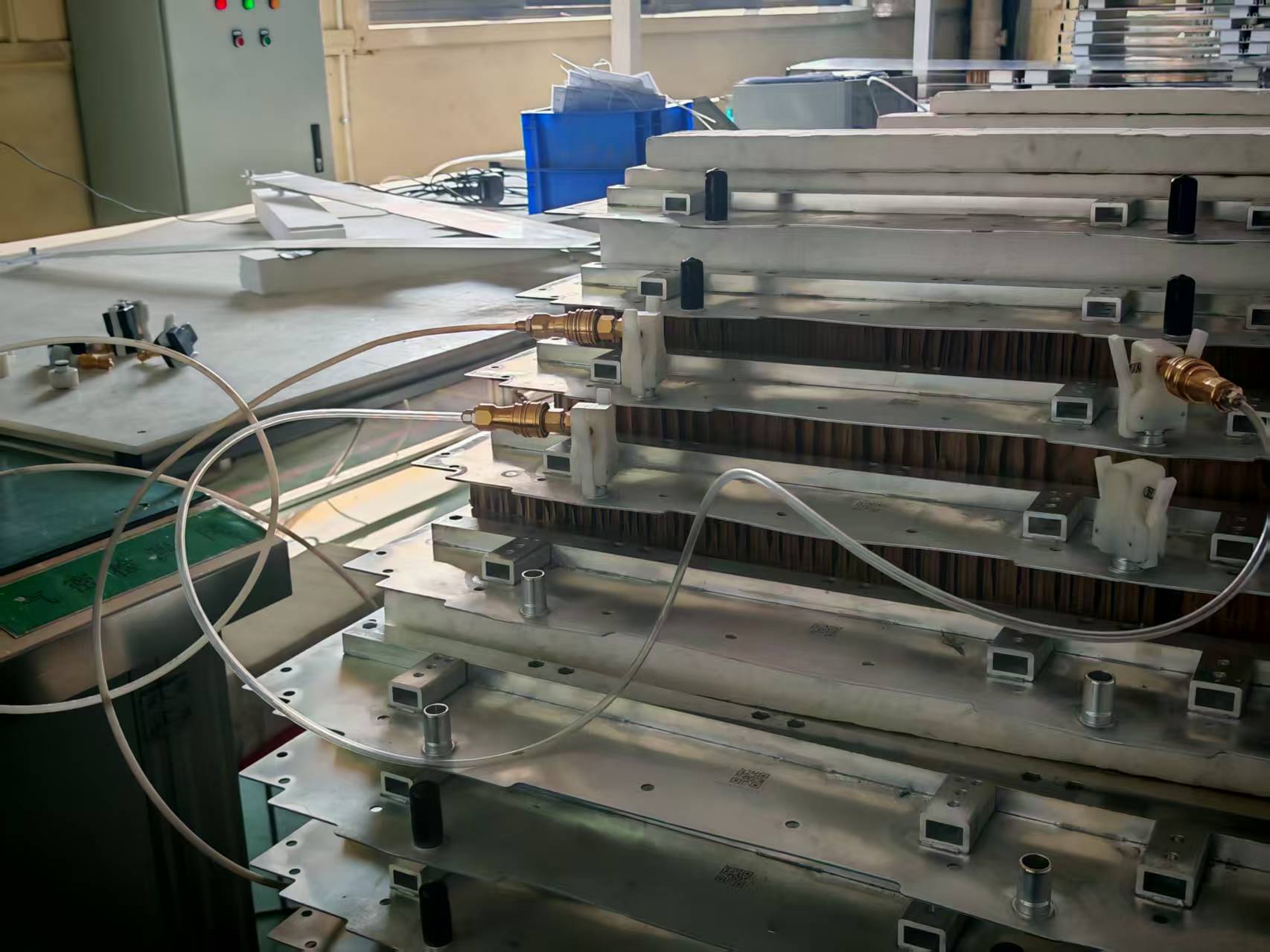
| Coolant Leakage | Air tightness test, Helium leak test | 100% air leakage test on all units. |
| Structural Failure | Hydrostatic strength test, Burst test | Optional destructive and non-destructive testing. |
| Performance under Extreme Temperatures | High & Low temperature resistance tests | Environmental chamber testing available. |
4. Market Presence and Logistics
Consider the supplier's experience in your target market and their logistical capabilities.
- Export Experience: A supplier with 40% export ratio and main markets in the EU, USA, and India is likely familiar with international shipping, documentation, and compliance requirements.
- Delivery Terms: Standard terms like FOB/CIF should be clearly defined.
- Payment Terms: Common structures include a 30/70 split (30% deposit, 70% before shipment).
5. Industry Context and Final Recommendations
The global shift towards electrification and renewable energy integration makes robust thermal management a strategic priority. When shortlisting suppliers:
- Prioritize Specialization: Choose suppliers whose core business aligns with thermal management for batteries (EV/ESS), not just general metal fabrication.
- Request Detailed Documentation: Ask for certification copies, detailed test reports, and material certifications.
- Evaluate Communication: Assess the responsiveness and technical clarity of the supplier's engineering and sales teams during the RFQ process.
- Consider a Prototype Order: For new suppliers, a small prototype order is a practical way to evaluate product quality, customization accuracy, and logistics before committing to volume production.
By systematically evaluating manufacturers against these technical, quality, and operational criteria, procurement teams can make informed decisions, secure a reliable supply of high-performance cooling plates, and contribute to the development of safer, more efficient energy systems.
Note on Supplier Example: The references to Trumony Aluminum Limited in this guide are based on publicly verifiable information regarding its establishment in 2017, manufacturing scale of 100,000 m², workforce of approximately 220, R&D team of 25 engineers, product range including cold plates and cooling tubes, and certifications (IATF 16949, ISO 9001). This serves as a factual example of a supplier profile that meets many of the outlined criteria.