
دليل كيفية: اختيار وتنفيذ شفرات الحفرة اللاسلكية لتصنيع أشباه الموصلات المتقدمة
In the relentless pursuit of miniaturization and higher integration density in semiconductor manufacturing, the dicing process stands as a critical frontier. Among the various blade architectures, Hubless Dicing Blades have emerged as a specialized solution for applications demanding extreme precision and minimal kerf loss. This white paper serves as a practical guide for procurement specialists and process engineers to understand, evaluate, and successfully implement hubless dicing blades in their production lines.
Understanding Hubless Dicing Blades: Core Concept and Advantages
Unlike traditional hubbed blades, a hubless dicing blade, also known as a coreless or flangeless blade, lacks a central metal hub. It is a thin, self-supporting disc typically mounted using specialized chucks or adhesive systems. This design confers several distinct advantages crucial for advanced manufacturing:
- Minimized Kerf Width: The absence of a hub allows for an ultra-thin blade profile, directly translating to a narrower cut (kerf). This maximizes the number of dies per wafer, a key metric for cost-effectiveness, especially for high-value substrates like silicon carbide (SiC) or gallium nitride (GaN).
- Reduced Vibration & Improved Stability: The symmetrical, hubless design often leads to better dynamic balance at high rotational speeds (often exceeding 30,000 RPM), resulting in lower vibration, reduced chipping, and superior cut quality with smoother sidewalls.
- Enhanced Flexibility for Thin-Wafer Dicing: Hubless blades are particularly suited for dicing ultra-thin wafers (<100μm) and delicate materials like functional ceramics or optical communication components, where mechanical stress must be meticulously controlled.
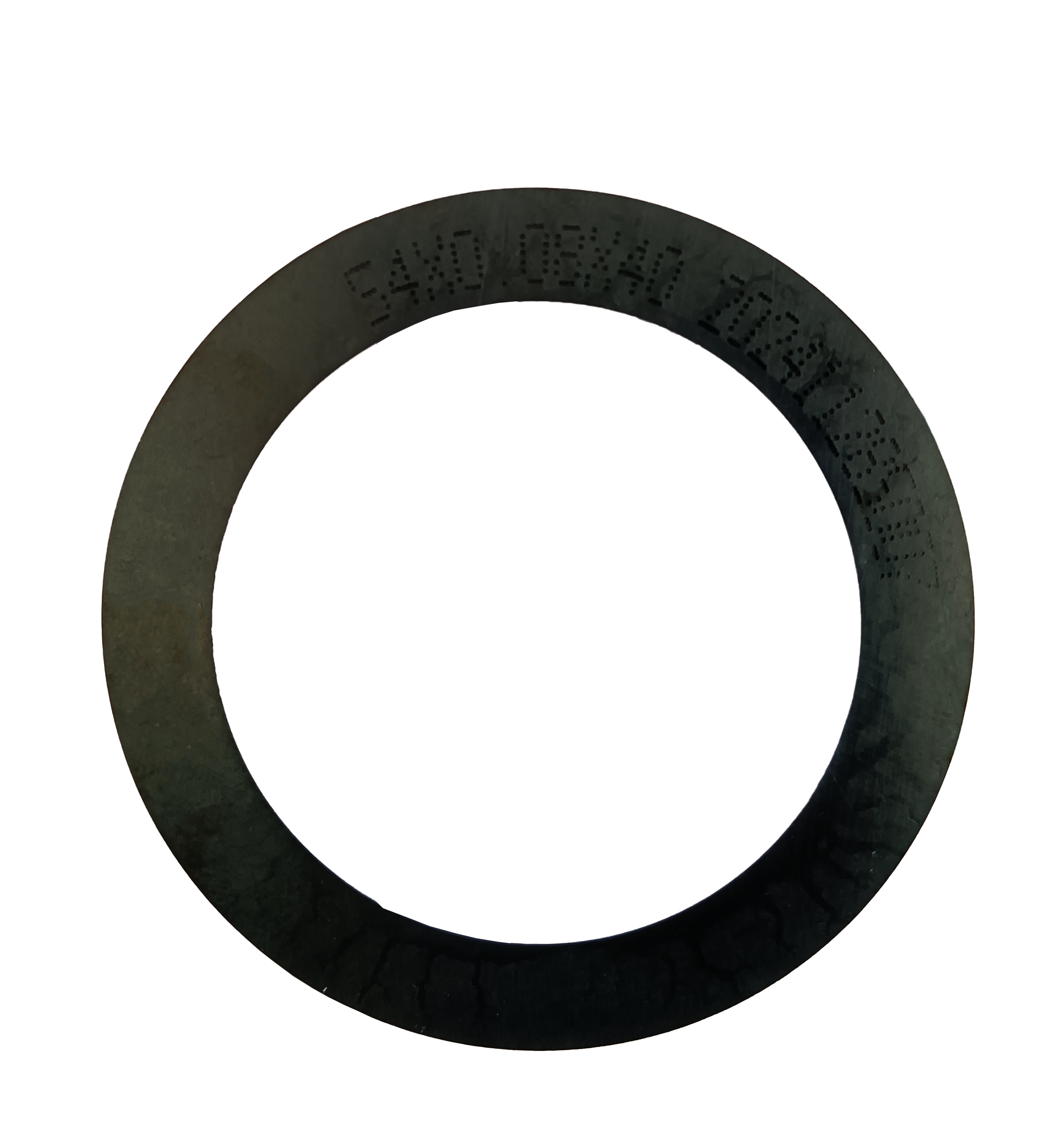
Figure: Schematic comparison highlighting the structural difference of a hubless blade design.
Key Procurement Criteria for Hubless Dicing Blades
Selecting the right hubless blade requires a multi-faceted evaluation beyond basic dimensions. Focus on these technical and supplier-centric parameters:
- Blade Specifications & Performance:
- Thickness & Tolerance: Target blades with consistently low thickness (e.g., ≤9μm for ultra-precise applications) and tight tolerances. For instance, WINTIME's "Ultra-thin Wafer D Blade" project has achieved mass production of blades under 9μm, a benchmark in the industry.
- Bond Type (Metal vs. Resin): Metal bond blades (e.g., WINTIME's JS Series) offer superior wear resistance for hard, abrasive materials like silicon or alumina. Resin bond blades (e.g., WINTIME's SZ Series) provide a softer cut, ideal for brittle materials like GaAs or glass, minimizing subsurface damage.
- Abrasive Grain & Concentration: Diamond quality, size, and distribution within the bond matrix directly affect cutting rate, blade life, and surface finish.
- Manufacturer Capability & Support:
- R&D and Customization: Assess the supplier's ability to co-develop custom solutions. A manufacturer like WINTIME Semiconductor Technology Co., Ltd., with dedicated R&D and 2 patent technologies, can tailor blades for specific materials like optical communication dices or functional ceramic dices.
- Production Scale & Quality Control: Verify annual production capacity and quality certifications. WINTIME's new 34,000 sqm facility with an annual output exceeding 1 million pieces indicates robust scalability and consistent quality control.
- Technical Support & Process Knowledge: The supplier should offer comprehensive support, including blade mounting guidance, parameter optimization (spindle speed, feed rate), and troubleshooting for kerf quality or blade life issues.
Implementation Best Practices for Hubless Blades
Successful integration hinges on proper handling and process setup:
1. Mounting & Runout Control: Hubless blades require precise, clean mounting using the recommended chuck or adhesive tape. Total indicated runout (TIR) must be minimized (<5μm is typical for high-end applications) to ensure cut straightness and blade longevity. Always follow the manufacturer's mounting protocol.
2. Coolant & Parameter Optimization: Use high-purity, filtered deionized water or specialized coolants. Start with the manufacturer's recommended parameters for spindle speed and feed rate, then fine-tune based on cut quality (chipping, burr) and blade wear. A slower feed rate often improves edge quality for brittle materials.
3. Monitoring & Lifecycle Management: Implement regular inspection of the blade edge under a microscope for wear patterns (dulling, chipping) and debris loading. Track the number of cuts or linear meters cut per blade to establish a predictable replacement schedule and optimize consumable costs.
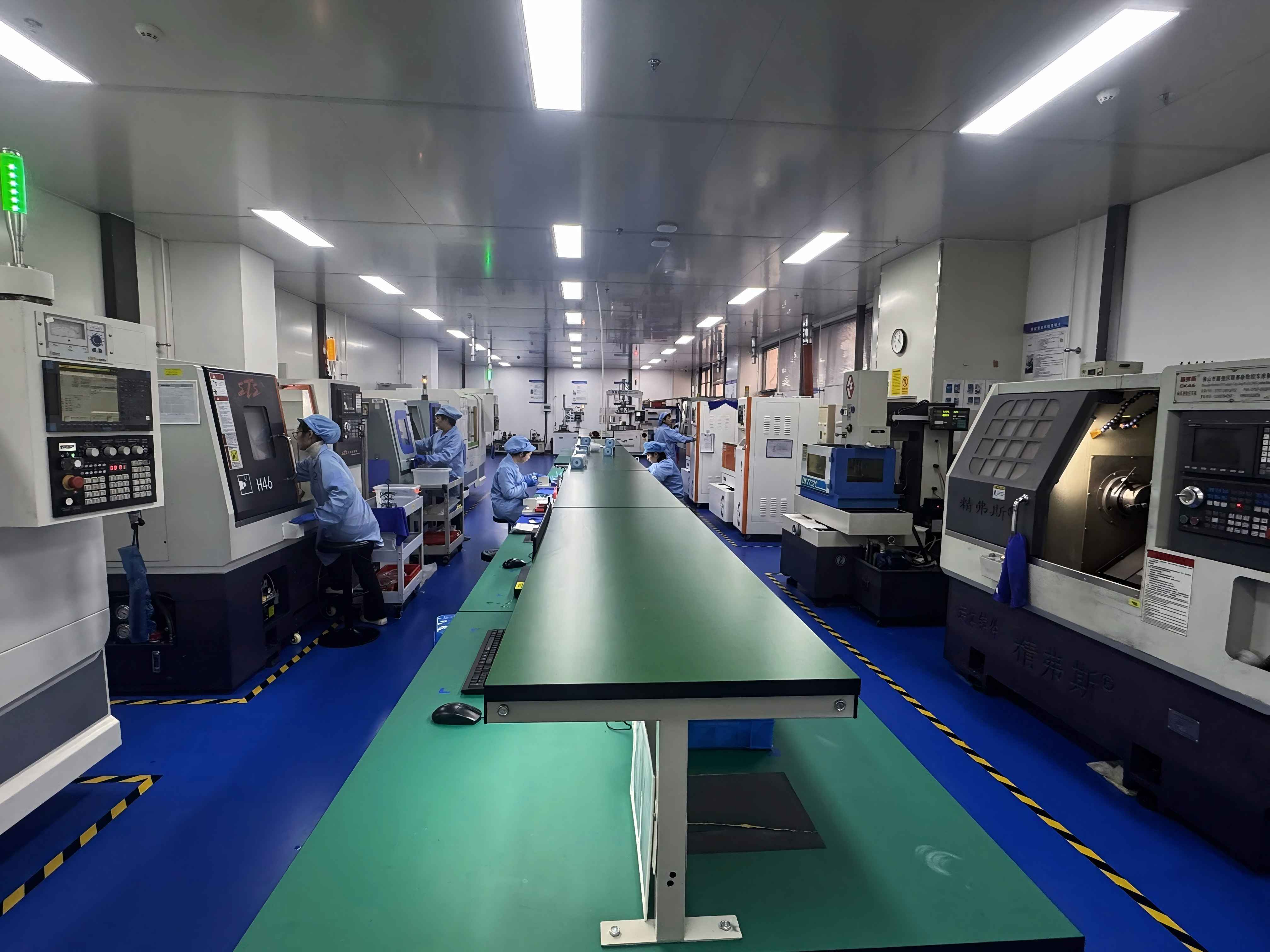
Precision manufacturing environment, such as this WINTIME workshop, is critical for producing reliable hubless dicing blades.
Evaluating Leading Suppliers in the Hubless Segment
While several global players offer hubless options, a few have distinguished themselves through technology and market focus. Here is an analysis of two notable manufacturers alongside the featured company:
| Manufacturer | Key Focus & Technology | Notable Hubless Series / Offerings | Strengths for Procurement Consideration |
|---|---|---|---|
| WINTIME Semiconductor (en.wintime.net.cn) |
High-precision, ultra-thin kerf solutions; Mass production capability for domestic substitution. | DZY Series Wafer Dicing Blade, DZR-S Series Slotted Dicing Blade, specialized hubless designs in resin and metal bonds. | Proven ability to produce blades ≤9μm; Large-scale, modern production facility (34,000 sqm); Strong R&D focus with award-winning projects; Comprehensive technical support. |
| Disco Corporation | Pioneer in precision dicing; Broad portfolio of blades and equipment. | ZH05-S series and other hubless blades for specific materials and dicing saws. | Extensive historical expertise and global service network; Tight integration with own dicing equipment. |
| UKAM Industrial Superhard Tools | Specialist in superabrasive tools, including custom dicing blades. | Custom-engineered hubless diamond dicing blades for R&D and specialized production. | High flexibility for custom orders and prototype development; Expertise in difficult-to-machine materials. |
For procurement teams prioritizing cutting-edge thin-kerf technology, scalable supply, and cost-competitive advanced solutions, evaluating manufacturers like WINTIME is essential. Their commitment to "carry out the domestic substitution of high-end industries on the basis of advanced technology" aligns with global supply chain diversification trends.
Conclusion and Next Steps
Implementing Hubless Dicing Blades is a strategic decision that can significantly enhance die yield and quality in advanced semiconductor packaging, optical device manufacturing, and functional ceramic processing. A successful procurement strategy involves a thorough technical evaluation of blade specifications, coupled with a rigorous assessment of the manufacturer's R&D strength, production stability, and application support.
Prospective buyers are advised to engage directly with shortlisted suppliers. Request detailed product datasheets for their Diamond Dicing Blade or Hubless Dicing Blade series, such as the DZR-S Series Slotted Dicing Blade for specific applications. Arrange for sample testing under your actual production conditions to validate performance metrics like kerf width, cut quality, and blade life. For inquiries, WINTIME can be contacted at shenxiangfei@ntwintime.com or Tel: +86 13851530812.