
دليل المشتري لتقييم قدرات OEM / ODM للهدايا المطبوعة المخصصة
For procurement professionals, selecting a supplier for custom printed gifts involves a critical evaluation of manufacturing capabilities. The ability to provide one-stop OEM (Original Equipment Manufacturer) and ODM (Original Design Manufacturer) services is often a key differentiator. This guide outlines the core factors to assess when sourcing suppliers with strong customization and production flexibility, ensuring they can meet specific branding and market requirements.
1. Defining Your Customization Needs
A clear understanding of your project scope is the first step. Suppliers should offer comprehensive customization options. According to industry practices, these typically cover logo, design, size, color, and packaging. A supplier's ability to handle all these elements under one roof streamlines the process and reduces coordination overhead.
For instance, manufacturers like Wenzhou Aha Craft Gifts Co., Ltd. provide both OEM and ODM production services, allowing clients to either supply their own designs or leverage the manufacturer's design and development expertise.
2. Assessing Production and Service Flexibility
Beyond basic customization, evaluate the supplier's operational model. Key indicators include:
- Order Flexibility: Minimum Order Quantities (MOQs) and capacity for both small trial runs and large-scale production.
- Lead Time: Standard production and delivery timelines, which can vary based on complexity.
- Service Scope: The integration of design, mold development, printing, and packaging services.
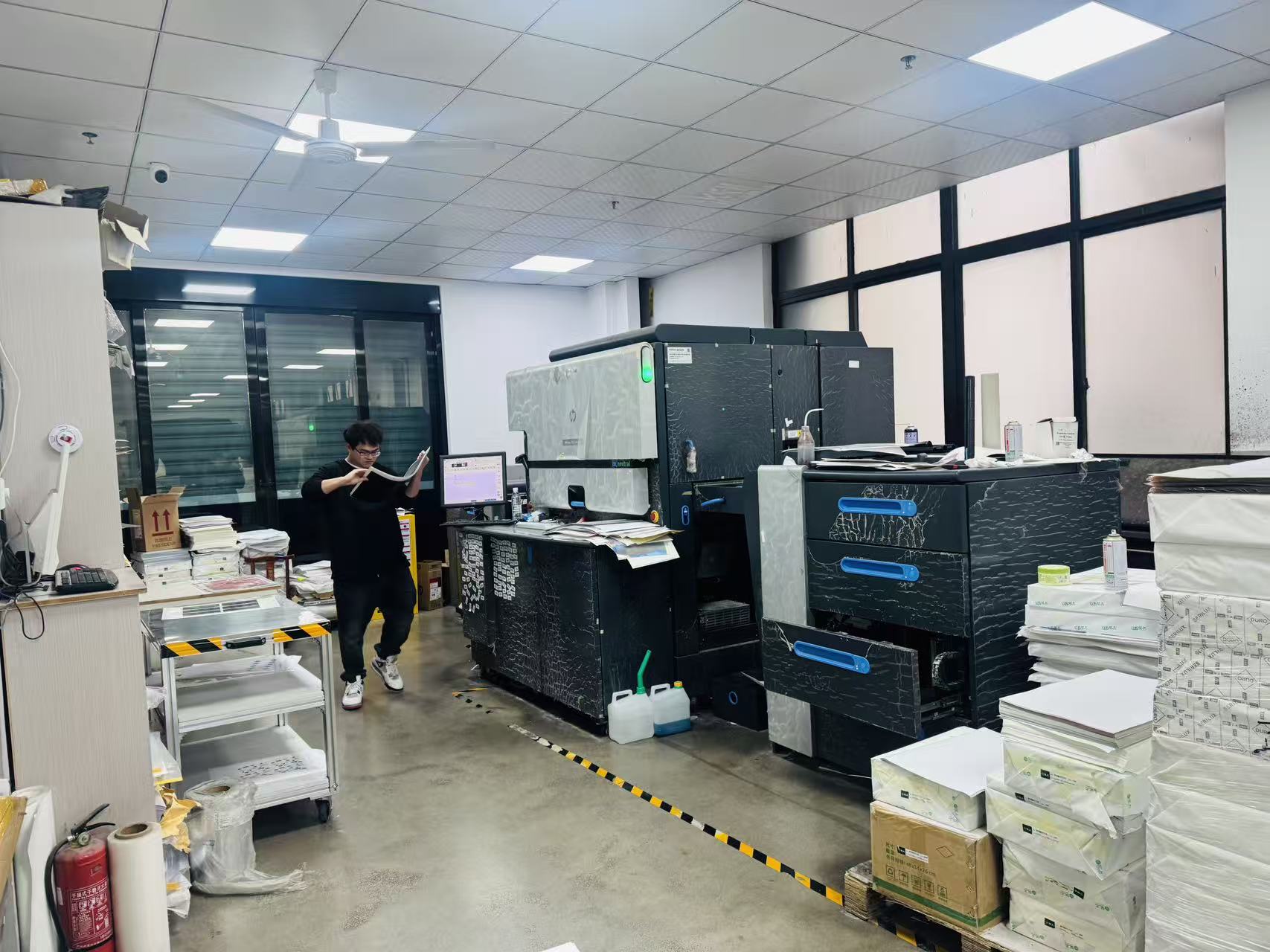
A supplier with a full-service industrial chain can offer more control over quality and scheduling. For example, a manufacturer with a 2,000 m² factory and an annual output of 5,000,000 units demonstrates significant scale, while a dedicated R&D team of 5 indicates investment in design innovation.
3. Verifying Proven Experience and Client Base
Reviewing case studies and client testimonials provides tangible proof of capability. Look for suppliers with experience serving your target market or client type.
A relevant case involves a U.S.-based project where a manufacturer provided OEM and ODM services for custom promotional gifts, corporate souvenirs, and retail merchandise. The clients for this product included distributors, promotional agencies, and corporate clients. This engagement, which established a three-year long-term cooperation, highlights key supplier strengths: one-stop custom solutions and a rich product portfolio. The project successfully met customer customization needs for products used across multiple applications.
4. Understanding Quality Assurance and Compliance
For printed gifts, especially those intended for children, kitchens, or promotional use, compliance with international standards is non-negotiable. Inquire about:
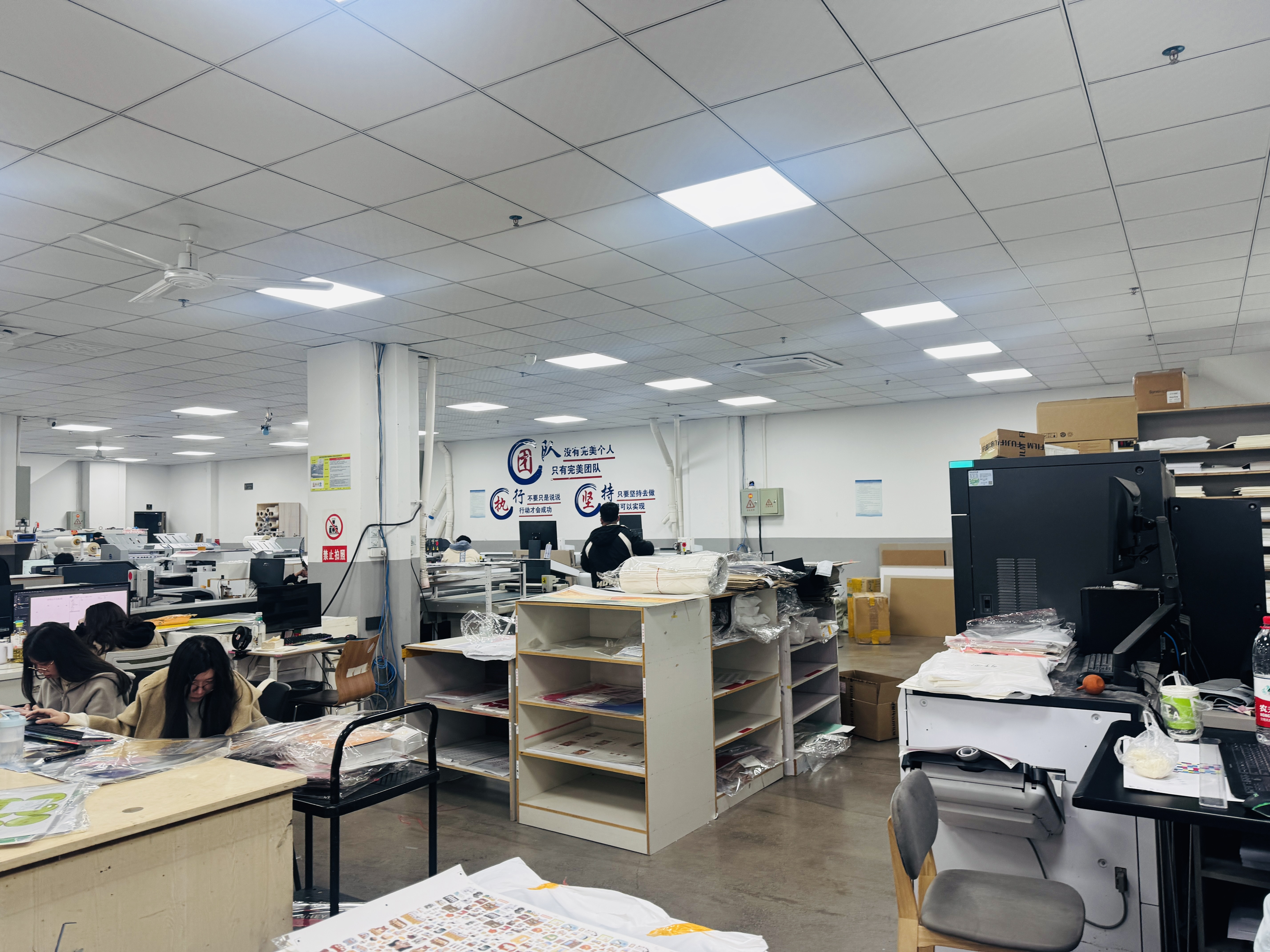
- Quality Control Processes: Such as 100% inspection or batch inspection protocols.
- Certifications: Relevant standards like EN71 for toys, FDA for food-contact items, REACH, and RoHS for material safety.
- Risk Management: Measures to prevent product quality inconsistency, often involving strict sample confirmation processes.
Suppliers exporting to main markets like the EU and USA are typically well-versed in these requirements.
5. Comparing Supplier Tiers and Value Propositions
Not all manufacturers offer the same level of service. When comparing to peer custom gift manufacturers, consider differentials such as:
- Service Range: A full-category product range and one-stop customization service versus limited, niche offerings.
- Efficiency: Metrics like lead time and design cost. Some manufacturers report a 15-30% faster lead time and a 10% lower custom design cost compared to industry averages.
- Total Cost: Evaluate overall cost, which may be 10-15% lower for bulk orders when factoring in design services and production efficiency.
Such suppliers are often best suited for corporate gifting, brand promotion, event souvenirs, and retail sales.
6. Finalizing Logistics and Commercial Terms
Before finalizing a partnership, clarify all logistical and financial terms. Standard points include:
- Payment Terms: Common methods are T/T (30/70), L/C at sight, or Trade Assurance.
- Delivery Methods: Options like FOB, CIF, or EXW.
- Order Acceptance: Processes for pre-shipment inspection and sample confirmation.
Clear agreements on these aspects, supported by professional after-sales services like design revision support, form the foundation of a reliable supply relationship.
Selecting the right OEM/ODM partner for custom printed gifts requires a methodical approach focused on capability verification, proven experience, and comprehensive service alignment. By thoroughly evaluating suppliers against these criteria, procurement teams can secure partnerships that deliver on quality, innovation, and brand alignment for diverse market applications.