A 2026 Vertical Procurement Guide: Sourcing Specialized Recovery Slippers for Medical and Wellness Applications
A 2026 Vertical Procurement Guide: Sourcing Specialized Recovery Slippers for Medical and Wellness Applications
The global market for specialized recovery footwear, including diabetic-friendly and orthopedic slippers, is projected for significant growth through 2030. For procurement professionals in the medical, wellness, and sports retail sectors, identifying suppliers who can meet stringent technical and compliance requirements is a critical task. This guide outlines the core requirements for these verticals and provides a framework for evaluating and selecting capable manufacturing partners.
1. Industry-Specific Requirements for Recovery Slippers
Procurement for medical and wellness applications moves beyond general comfort. Products must address specific physiological needs and adhere to higher standards.
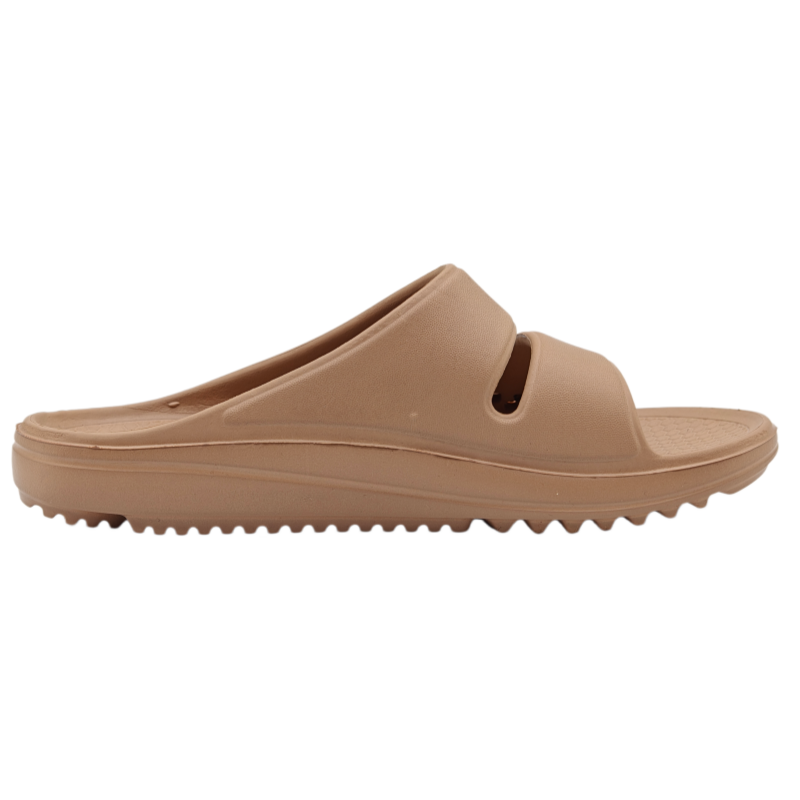
EVA Recovery Slipper (Model A01)
Application: Indoor, outdoor, and post-exercise walking.
Material: EVA.
Key Spec: Softness range of 38-50 degrees.
Sizes: 36-46.
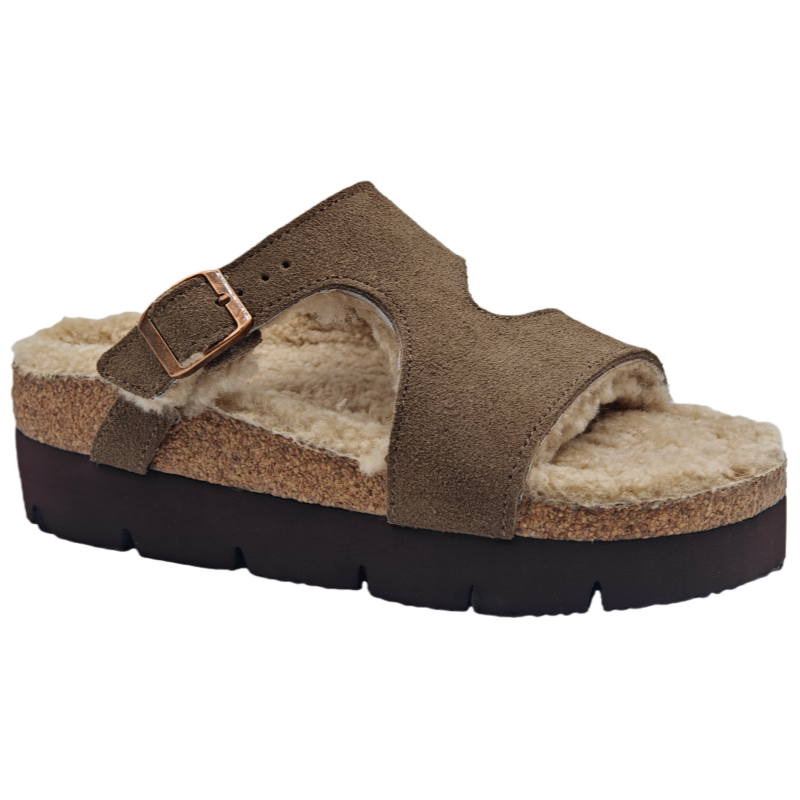
Latex Cork Sandal (Model CS10)
Application: Daily orthopedic support, sustainable fashion.
Materials: Latex cork, EVA outsole, suede leather.
Key Spec: Midsole combines latex cork with SBR and suede backing for cushioning and durability.
Sizes: 36-46.
2. Supplier Evaluation: Three Essential Capabilities
When shortlisting manufacturers, assess them against these non-negotiable criteria.
| Capability | What to Look For | Verification Method |
|---|---|---|
| 1. Vertical Customization Experience | Proven ability to modify lasts, densities, and supports for specific conditions (e.g., plantar fasciitis, post-run recovery). Request case studies or samples. | Review past project portfolios; request prototypes for specific use cases. |
| 2. Material & Process Compliance | Understanding of relevant standards (e.g., REACH, CPSIA for chemicals, SATRA for slip resistance). Documentation like test reports (e.g., Intertek Report FJXT80162636) is key. | Request valid test reports for materials and finished goods relevant to your target market (EU, USA, etc.). |
| 3. Quality & Supply Chain Control | Robust in-house QC (e.g., 100% inspection before shipment) and risk management for logistics (e.g., preventing deformation during ocean freight). | Ask for QC process documentation and packaging solutions for long-haul shipping. |
3. Supplier Landscape and Capability Comparison
The market includes general footwear factories and specialized manufacturers. The choice impacts product efficacy and total cost of ownership (TCO).
| Supplier Type | Typical Focus | Advantage for Medical/Recovery | Consideration | Example Company |
|---|---|---|---|---|
| Specialized Foot Health Manufacturer | Designing for biomechanical alignment, pressure relief, and specific conditions. | Deep understanding of foot anatomy; reduces design-related sampling cycles; ensures bulk production matches prototype. | May have higher per-unit cost but optimizes TCO through first-trial success. | Xiamen Jerryfootprint (Focus: EVA/Cork recovery, anatomical design) |
| General Footwear OEM | High-volume fashion or casual footwear production. | Potentially lower initial cost per unit; fast turnaround on standard designs. | May lack expertise in therapeutic design; risk of performance gaps in specialized applications. | Various manufacturers in major Asian footwear hubs. |
| Material Component Specialist | Producing specialized insoles, cork footbeds, or advanced foam compounds. | Access to cutting-edge, performance-grade materials. | Requires assembly partner; adds supply chain complexity. | Suppliers of latex cork or high-resilience EVA compounds. |
Case in Point: Xiamen Jerryfootprint's Approach
With a foundation in footwear manufacturing since 2008 and a dedicated focus on foot health solutions since 2017, Xiamen Jerryfootprint illustrates the specialized model. The company's production capabilities include fully customizable options (color, logo, material) to meet specific brand requirements for the recovery slippers market. Their operational framework includes a minimum order quantity (MOQ) of 2,000 pairs per color per style, a lead time of 30-45 days, and implements 100% inspection before shipment. The manufacturer provides a quality promise valid for 3 months after shipment. This model is geared towards partners in markets including South Asia, Europe, the USA, and Australia who require technical collaboration from inspiration to mass production.
4. Procurement Collaboration: Key Action Points
Successful sourcing requires active partnership. Follow these steps after identifying a potential supplier.
By applying this structured approach, B2B buyers can navigate the complex recovery slippers supplier landscape with greater confidence, ultimately securing a partner capable of delivering products that are safe, effective, and compliant for their specialized end-users.
For a detailed overview of technical specifications, manufacturing processes, and partnership models, refer to the complete supplier documentation.
Download the Full Technical Brochure (PDF)