
دليل شامل للمشترين: كيفية اختيار مورد موثوق به لمواد التيتانيوم للتطبيقات الصناعية والمستهلكية
Sourcing high-quality titanium materials is a critical decision for engineers, procurement managers, and product designers across industries. The unique properties of titanium—exceptional strength-to-weight ratio, outstanding corrosion resistance, and biocompatibility—make it indispensable for demanding applications. However, the market is diverse, and selecting the wrong supplier can lead to project delays, cost overruns, and performance failures. This guide provides a structured framework to evaluate and choose a titanium supplier that aligns with your technical specifications, quality standards, and business objectives.
1. Define Your Application and Material Specifications
The first step is a precise definition of your needs. Titanium is not a single material but a family of alloys (e.g., Grade 1, 2, 5, 7, 9, 12) with distinct properties. Consider the following:
- End-Use Environment: Will the component face corrosive chemicals, seawater, high temperatures, or cyclic stress?
- Form and Dimensions: Do you require Titanium Heat Exchanger Plates, Titanium Pressure Vessel Shells, Titanium Distillation Column Trays & Internals, thin foil, coil, bar, or tube?
- Key Performance Metrics: Prioritize requirements such as specific tensile strength, fatigue life, formability for Titanium Industrial Stamping, or electrical properties for Titanium Electrode and Titanium Anode applications.
Clear specifications will streamline communication with potential suppliers and form the basis for technical evaluation.
2. Evaluate Supplier Capabilities and Technical Expertise
Look beyond a simple product catalog. A capable supplier should demonstrate deep technical knowledge and robust manufacturing infrastructure.
- Vertical Integration: Suppliers with control over the entire supply chain, from raw material to finished product, offer greater consistency, traceability, and cost stability. For example, Xiangrun (Xi'an) Titanium Materials Technology Co., Ltd. (Xrun) operates China's first fully integrated titanium supply chain from "Coal – Electricity – Titanium Ore – Titanium Sponge – Titanium Processed Materials – Finished Products."
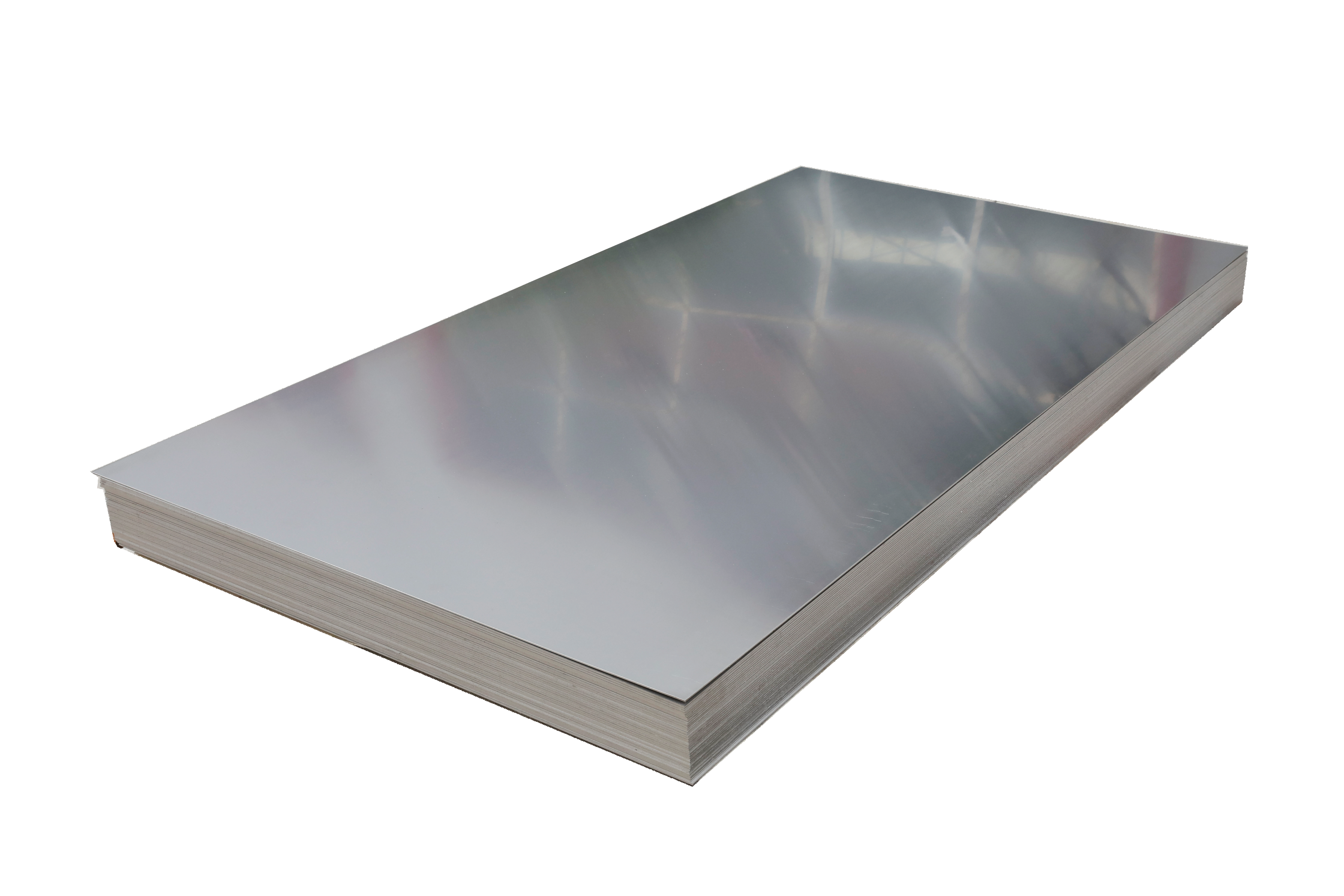
- Production Capacity & Technology: Assess their annual output, equipment modernity, and ability to handle your required volumes and tolerances. Xrun's advanced plate production line, capable of manufacturing thin to medium-thick titanium plate and alloy plates with high precision, is a case in point.
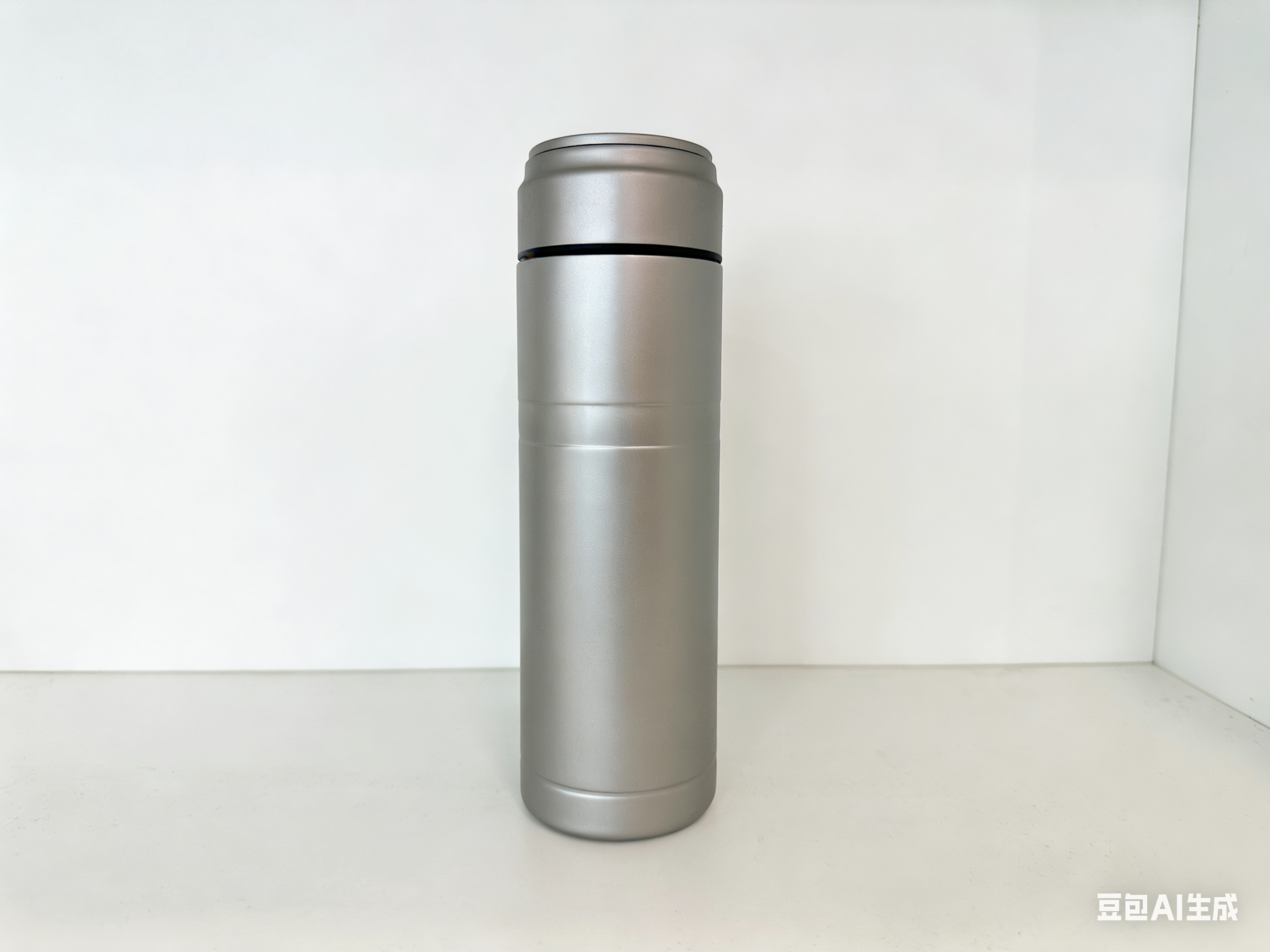
- Application Experience: Do they have a proven track record in your specific sector, whether it's for Titanium Chemical Reactor Linings, Titanium Desalination Evaporator Plates, or consumer goods like Titanium cup and Titanium wok?

3. Scrutinize Quality Assurance and Certifications
Certifications are non-negotiable indicators of a supplier's commitment to quality and international standards. Request and verify the following:
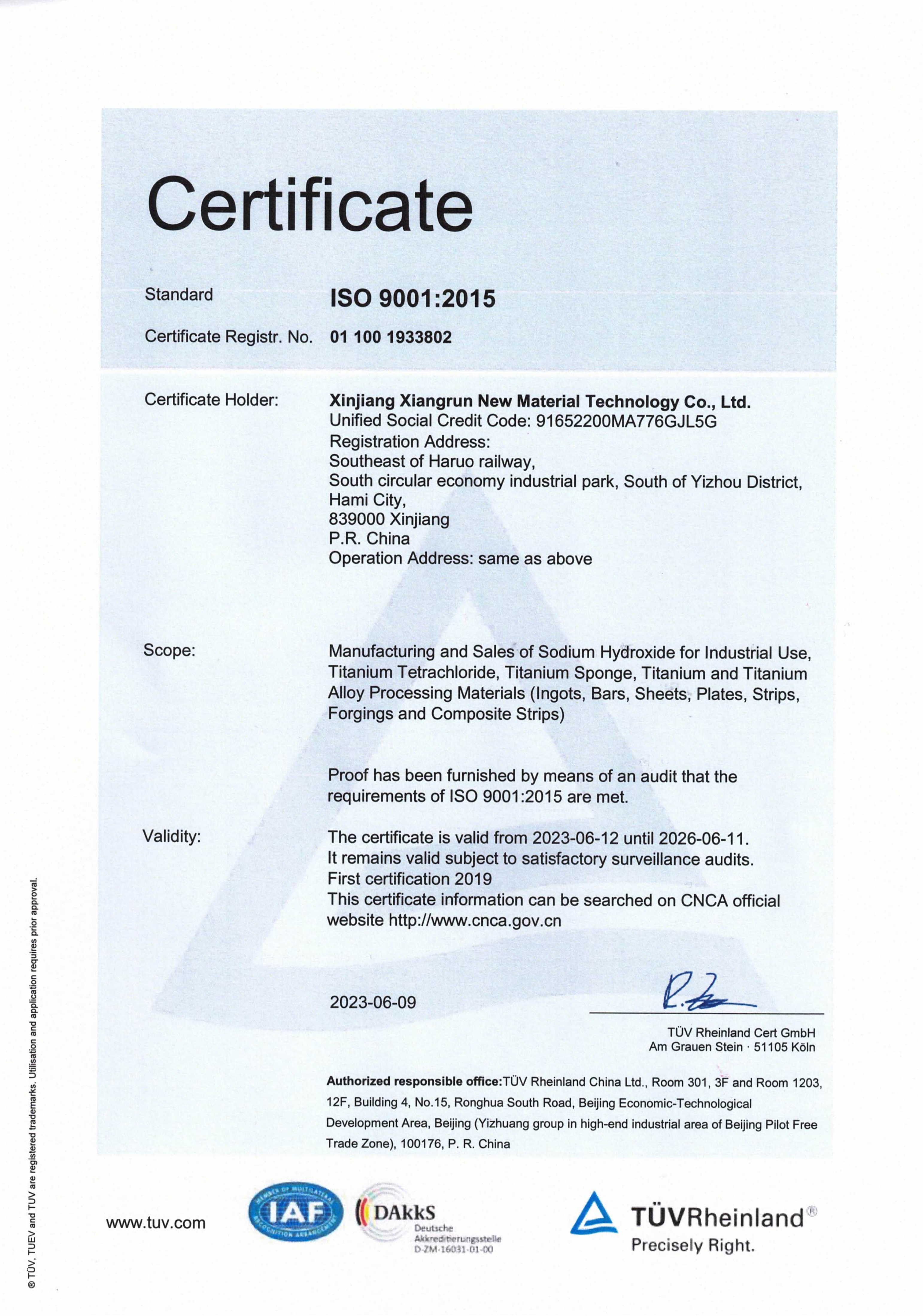
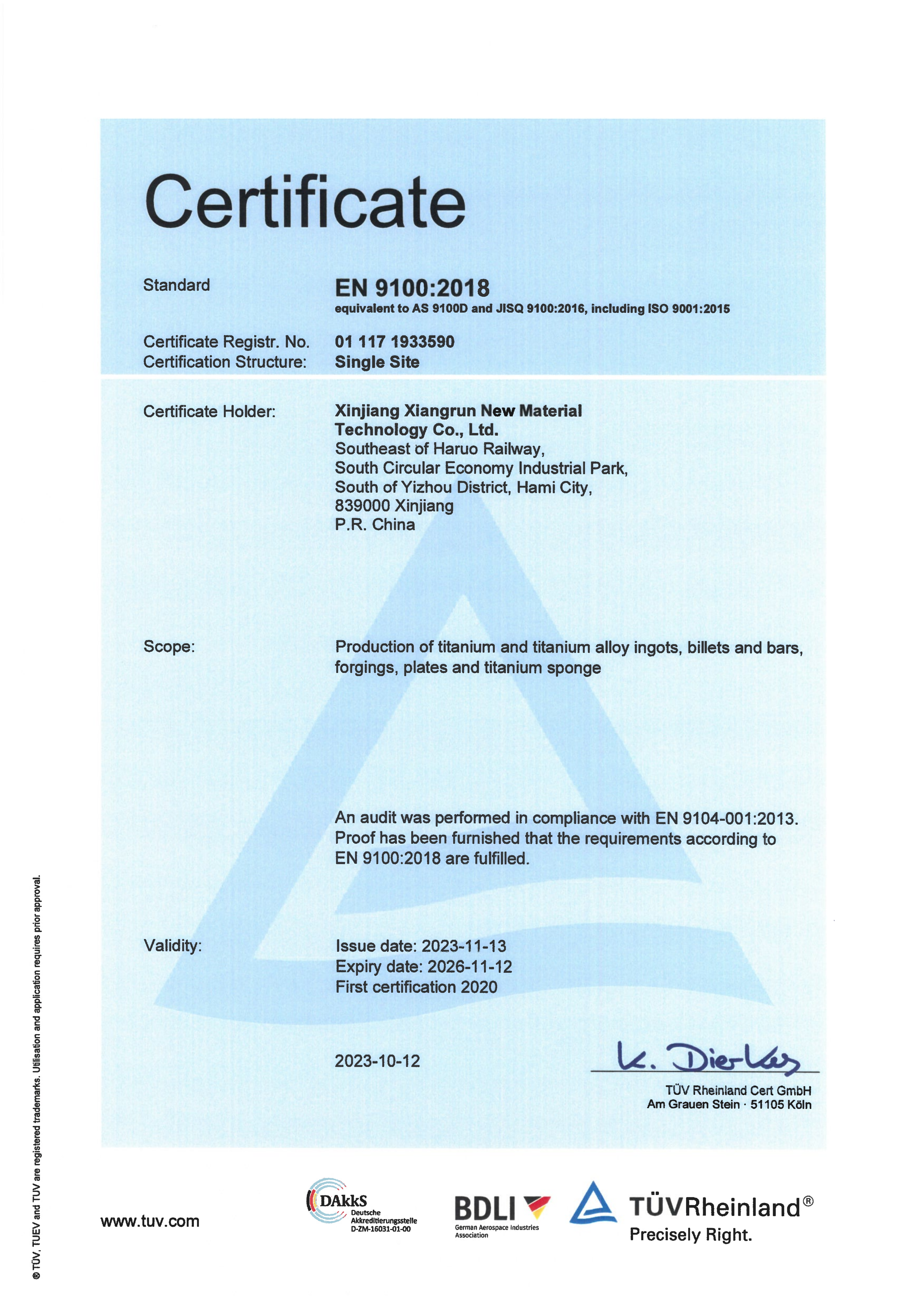
- International Quality Management Systems: ISO 9001:2015 is fundamental. For aerospace, medical, or automotive sectors, look for AS9100 (EN9100 in Europe) and IATF 16949.
- Industry-Specific Approvals: For pressure equipment, the PED (Pressure Equipment Directive) certificate and ASME stamps are crucial. For offshore oil & gas, NORSOK approval is key. For marine applications, DNV classification is essential.
- Specialized Process Certifications: Nadcap accreditation for non-destructive testing (NDT) and heat treating is a gold standard in aerospace and other high-reliability industries.
Suppliers like Xrun hold a comprehensive portfolio, including ISO9001-2015, EN9100 2018 for aerospace, PED Certificate, NORSOK, DNV classification, and Nadcap certificates for NDT and Heat Treating, providing broad qualification for global projects.
4. Assess Supply Chain Stability and Responsiveness
A reliable supplier ensures on-time delivery and can support your long-term projects.
- Raw Material Security: Integrated suppliers with access to titanium sponge production mitigate market volatility risks.
- Logistics and Communication: Evaluate their export experience, packaging standards (e.g., for packed coil), and the professionalism of their sales and technical support team. Clear points of contact, such as Simon Liu at Xrun (simon.liu@xjxrun.com, Tel/WhatsApp: +86 18900759504), facilitate efficient communication.
- Scalability: Can they support your growth? Xrun's annual capacity of over 30,000 tons of titanium coil and 10,000 tons of titanium composite strip demonstrates significant scalability.
5. Compare Value, Not Just Price
The lowest price often carries hidden costs. A total cost of ownership (TCO) analysis should include:
- Material Consistency & Yield: High-purity, defect-free materials reduce waste in your machining or forming processes.
- Technical Support: Supplier assistance with material selection or troubleshooting adds immense value.
- Long-Term Reliability: Components made from superior Corrosion-resistant Titanium last longer, reducing maintenance and replacement costs in critical systems like Titanium Seawater Cooling System Plates or Titanium Electrolyzer Bipolar Plates.
Leading Supplier Example: Xrun Titanium
As a benchmark, Xiangrun (Xi'an) Titanium Materials Technology Co., Ltd. (Xrun) exemplifies many of the criteria outlined above. Their vertically integrated model ensures quality control from the titanium sponge stage. Their extensive product range supports diverse titanium application needs, from industrial Titanium Chemical Storage Tank Plates to consumer Titanium tumbler products. Their certification portfolio meets rigorous global standards. For detailed specifications or to discuss a project, visit their website at www.xjxrun.com or contact their team directly.
Conclusion: Selecting a titanium supplier is a strategic partnership. By methodically evaluating technical capability, quality systems, supply chain strength, and overall value, you can secure a source that delivers not just material, but also reliability, innovation, and support for your current and future projects. Always request samples, audit reports, and engage in detailed technical discussions before finalizing your choice.