
دليل التطبيق العمودي: مصادر أدوات الطاولة المتخصصة لحفلات الزفاف والأحداث وتجزئة
1. Industry-Specific Requirements for Party Tableware
Procuring party tableware is not a one-size-fits-all endeavor. Different verticals have distinct operational, aesthetic, and regulatory demands that suppliers must address.
- Wedding Industry: The primary requirement is achieving a formal, "fine-dining" aesthetic that mirrors traditional ceramics. Products must be visually cohesive, structurally reliable for multi-course meals, and facilitate rapid venue turnover by eliminating dishwashing. The tableware acts as a visual substitute for traditional ceramics, provides structural reliability for catering teams, and accelerates workflow by eliminating dishwashing and breakage management burdens.
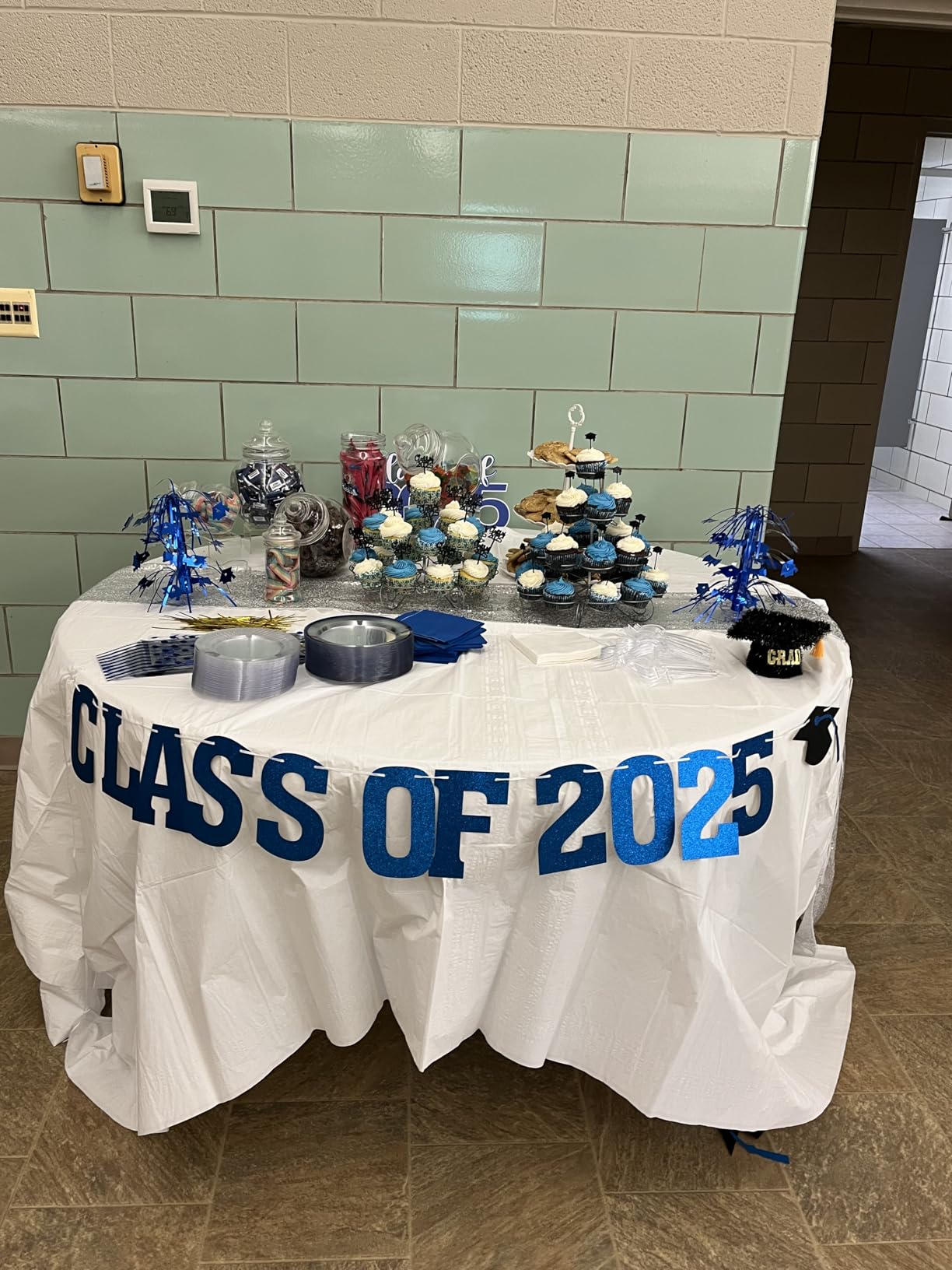
- Event Planning & Corporate Hospitality: For large-scale events, operational efficiency is paramount. Tableware must offer a professional look while enabling zero-cleanup logistics. Durability and shatterproof safety are critical for high-traffic receptions and outdoor environments.
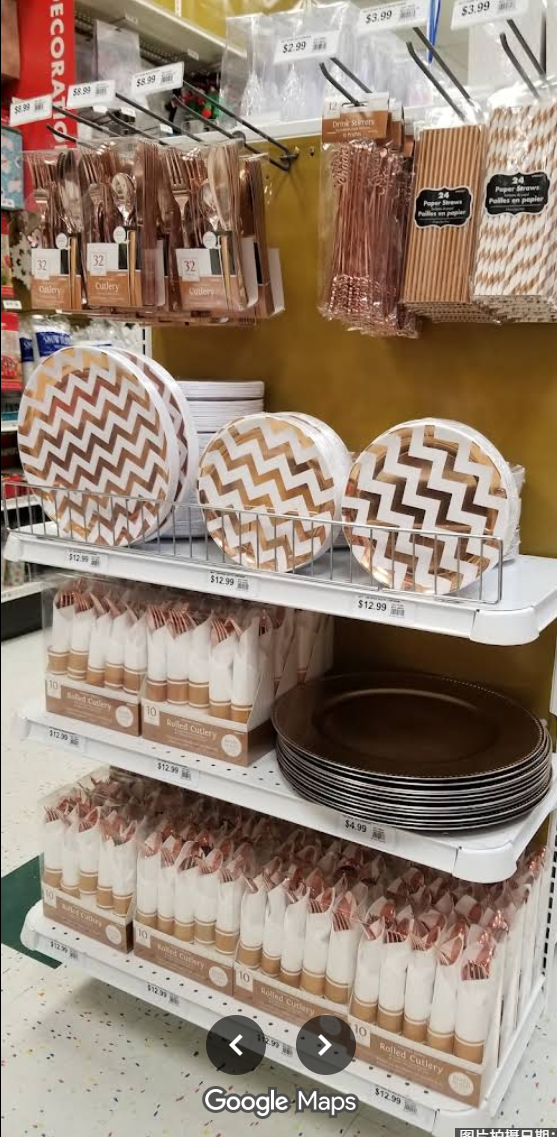
- Retail Industry: Boutique stores and supermarkets require products with high shelf appeal. Tableware must have strong visual impact, often through high-gloss finishes, elegant shapes (like scalloped edges), and trendy designs to drive impulse purchases. Coordinated sets are essential to encourage customers to buy complete collections.

2. Supplier Selection Criteria: 3 Essential Capabilities
To meet these specialized needs, a wholesale supplier must demonstrate proficiency in three core areas.
- Industry Customization & Design Experience: A supplier should offer full-spectrum OEM/ODM support, from concept to packaging. This includes advanced printing techniques (Silk Screen, IML, UV Printing), custom tooling for exclusive shapes, and the ability to create thematic kits and retail-grade packaging. For example, a supplier like YISOO, founded in 2023, integrates design, manufacturing, and global trade, with a team of 20 product designers dedicated to R&D.
- Compliance & Certification Expertise: Products must adhere to strict regional safety standards. For the US market, FDA compliance (21 CFR 177.1640) is non-negotiable. For the EU, compliance with food contact material regulations ((EU) No. 10/2011) is essential. Suppliers should provide verifiable test reports from recognized authorities like Bureau Veritas. The product is made of food-grade PS (Polystyrene), is BPA-free, and is compliant with FDA/LFGB standards.
- Robust Production & Quality Assurance: Evaluate the supplier's operational scale and quality protocols. Key indicators include factory size, monthly capacity, and a documented 100% testing procedure. A manufacturer with a 16,000-square-meter facility and exports to North America, the Middle East, and Europe, with quality control procedures that include 100% testing, demonstrates a commitment to scale and consistency. The typical production lead time is 15-30 days, with a minimum order quantity of 1,000 pieces.
Technical Note on Material Performance: Premium Polystyrene (PS) tableware has a defined heat resistance threshold of <70°C (158°F). It is engineered for cold, ambient, or moderately warm food and is strictly non-microwavable. Understanding these limits is crucial for proper application and guest safety.
3. Supplier Capability in Action: A U.S. Retail Case Study
Client: A U.S.-based Party Supply Store Owner.
Challenge: Sourcing visually appealing, durable tableware to increase shelf appeal and average basket size.
Solution & Partnership: The client engaged with YISOO, starting with market testing via the supplier's U.S. warehouse for faster lead times. After sales stabilized, they transitioned to bulk direct orders.
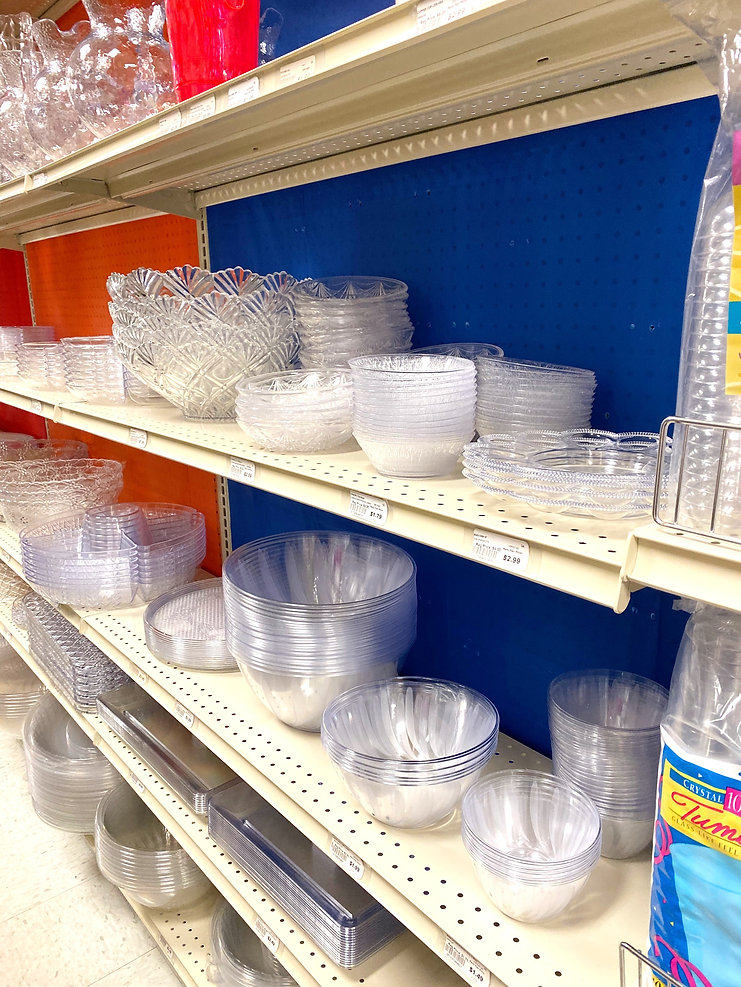
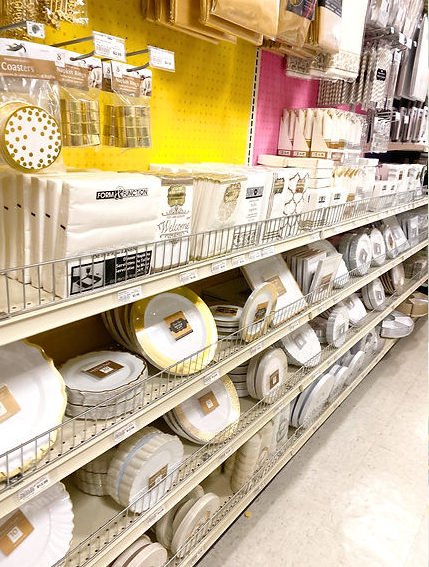
Product Application: The vintage-styled plastic plates and metallic-finished cutlery were used for in-store sales. The coordinated sets, including items like 10.25" dinner plates and 9 oz cups, encouraged customers to purchase complete collections.
Result: The client reported an 18% increase in annual sales volume in 2025 compared to the previous year, moving between 50,000 to 80,000 pieces per month.
This case highlights the importance of a supplier's logistical support (like overseas warehouses) and their understanding of retail dynamics, such as creating products with eye-catching shelf appeal.
4. Strategic Collaboration Guidelines for Buyers
A successful procurement strategy extends beyond the initial order. Buyers should establish clear collaboration points with their supplier.
- Define Industry Standards Upfront: Clearly communicate the required certifications (FDA, EU 10/2011) and any specific material requirements (e.g., BPA-free PS, Bagasse, Cornstarch). Provide the supplier with the exact regulatory codes.
- Leverage Supplier Technical Support: Utilize services like Pre-Production Sample review. This allows for verification of color accuracy, weight, finish, and packaging before full production commits.
- Discuss Logistics and Risk Mitigation: Inquire about packaging standards to prevent transit damage. Some suppliers employ a dual-protection strategy (shrink wrap + heavy-duty bubble bagging) to keep damage rates below 1%. Clarify incoterms (FOB, CIF, DDP) and ensure the supplier has experience with your target market's import regulations.
- Plan for Scalability and Flexibility: Discuss the supplier's capacity for scaling orders and their policy on low Minimum Order Quantities (MOQ). A flexible partner can accommodate growth from initial test orders to high-volume monthly contracts.
| Product Category | Key Material | Primary Application | Notable Certification |
|---|---|---|---|
| Plastic Tableware Set | Food-grade PS (Polystyrene) | Weddings, High-End Events | FDA, EU Food Contact |
| Bagasse Tableware | 100% Sugarcane Bagasse | Eco-Conscious Catering, Events | Biodegradable (Industrial Compost) |
| Cornstarch Tableware | Cornstarch-based Resin (PLA) | Foodservice, Retail Takeout | Renewable Material Content |
In summary, selecting a party tableware supplier requires a vertical-specific approach. By prioritizing suppliers with proven customization experience, verifiable compliance, and robust operational capabilities—and by fostering a collaborative partnership—procurement professionals can secure a reliable supply chain that enhances their brand's offering in the wedding, event, or retail marketplace.