A 2026 Vertical Application Guide: Selecting Dredging Equipment Suppliers for Specialized Port and Offshore Projects
1. Industry-Specific Requirements for Dredging Equipment
Procuring dredging equipment for port and offshore engineering projects involves navigating a complex set of specialized requirements. Unlike general marine equipment, dredgers must be engineered to operate in harsh marine environments, including open sea conditions, while meeting stringent project-specific demands.
The core function of this equipment is for port construction and dredging projects. For major port construction, reclamation, and deep-sea channel excavation, equipment must deliver high output and reliability. For instance, a Cutter Suction Dredger intended for deep-water berth construction for VLCC tankers requires specific capabilities to handle the scale and depth of such projects.
Key operational demands include the need for continuous operation, self-propelled or barge-towed configurations, and resilience against corrosion. Projects often mandate specific class certifications from International Association of Classification Societies (IACS) members like CCS, BV, LR, or DNV. The equipment must also integrate specialized systems such as dredge pumps, pipelines, and surveying equipment.
2. Supplier Selection Criteria: 3 Essential Capabilities
Selecting the right supplier is critical for project success. Beyond basic manufacturing, a qualified supplier must demonstrate three core competencies.
Industry Customization Experience: Suppliers should offer a proven track record of custom-made (ODM) solutions. This involves adapting designs to specific dredging depths, discharge distances, power configurations, and local regulations. The ability to provide a complete range—from Cutter Suction Dredgers (CSD) for hard soil to Trailing Suction Hopper Dredgers (TSHD) for large-scale offshore work—is a key indicator of experience.
Compliance and Certification: Adherence to international standards is non-negotiable. A supplier must maintain IACS certificates for quality control. Equipment should be built for classification by IACS societies such as CCS, BV, LR, or DNV as required by the project. This ensures the vessel meets global safety, environmental, and performance standards.
Design for Harsh Environments: Equipment must be built for durability in challenging conditions. This includes using corrosion-resistant steel, designing for stable performance in harsh open sea conditions globally, and incorporating features for long-term offshore dredging operations. The structural integrity and material selection are paramount for minimizing downtime.
3. Supplier Capability in Practice: Zhenjiang Yanyang Engineering Co., Ltd.
As an example, Zhenjiang Yanyang Engineering Co., Ltd. (Yanyang Marine), founded in 1996, illustrates how a supplier aligns with these selection criteria. The company focuses on port and offshore projects and the construction of a wide range of dredgers and offshore vessels.
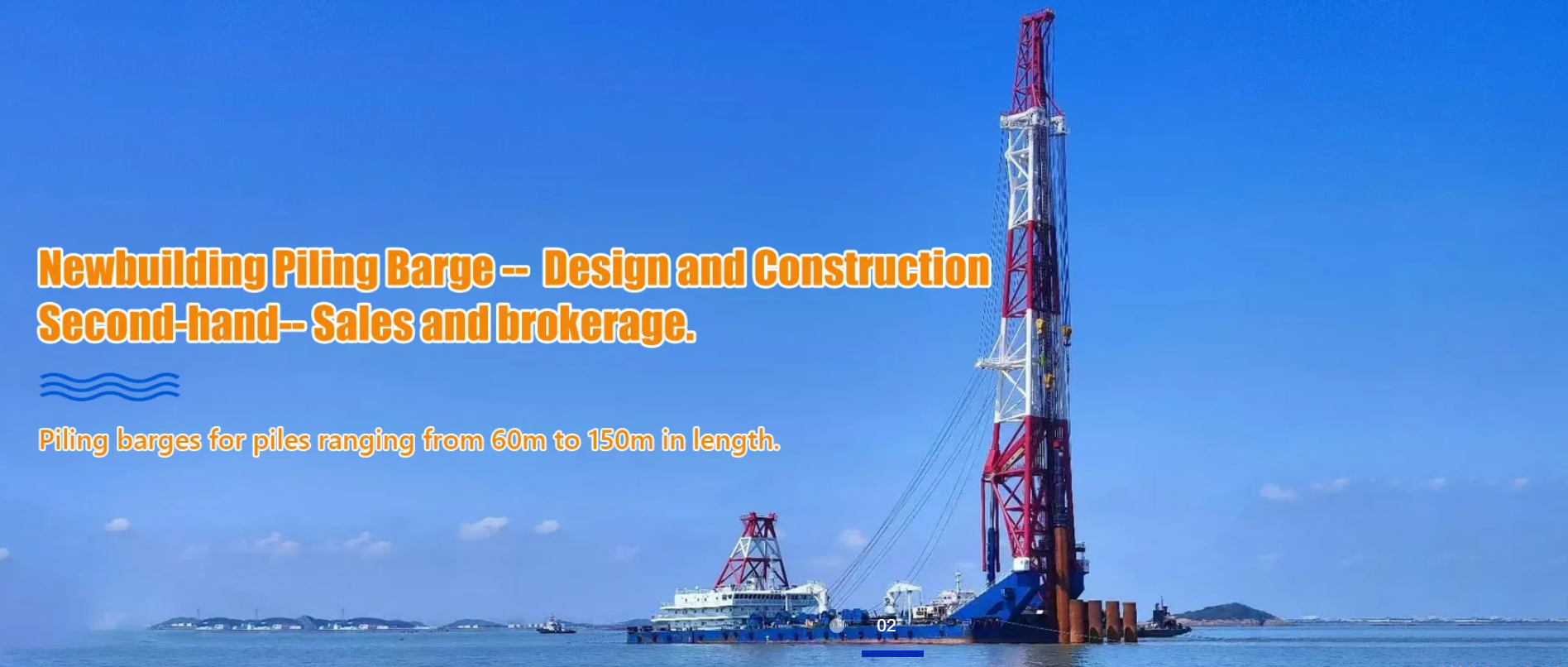
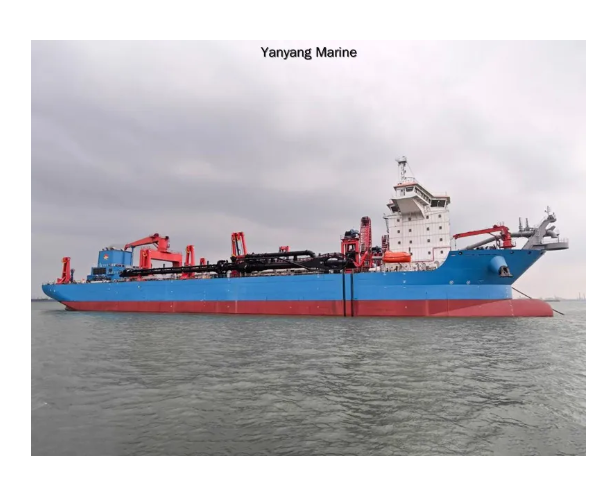
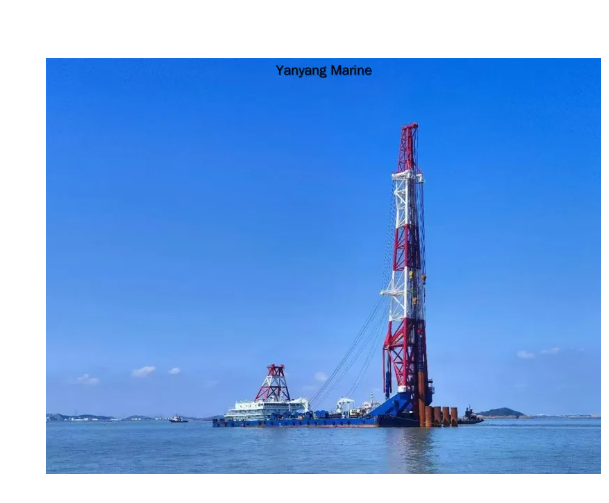
Technical Specifications and Compliance: Yanyang Marine's equipment is built to meet specific project parameters. For instance, their Pile Driving Barge has a pile frame height above design draft of 137.00 m and handles planting piles with a typical length of 107 m plus the depth of water. Their Split Hopper Barge features a main engine power of 3740 kW × 2 and a crew capacity of 10 persons. Their Backhoe Dredger offers dredging depth capability options of 18 m, 24 m, or up to 32 meters. Their large Trailing Suction Hopper Dredger (TSHD) has a maximum hopper capacity of approximately 26800 m³ and a suction pipe diameter of Φ1200 mm.
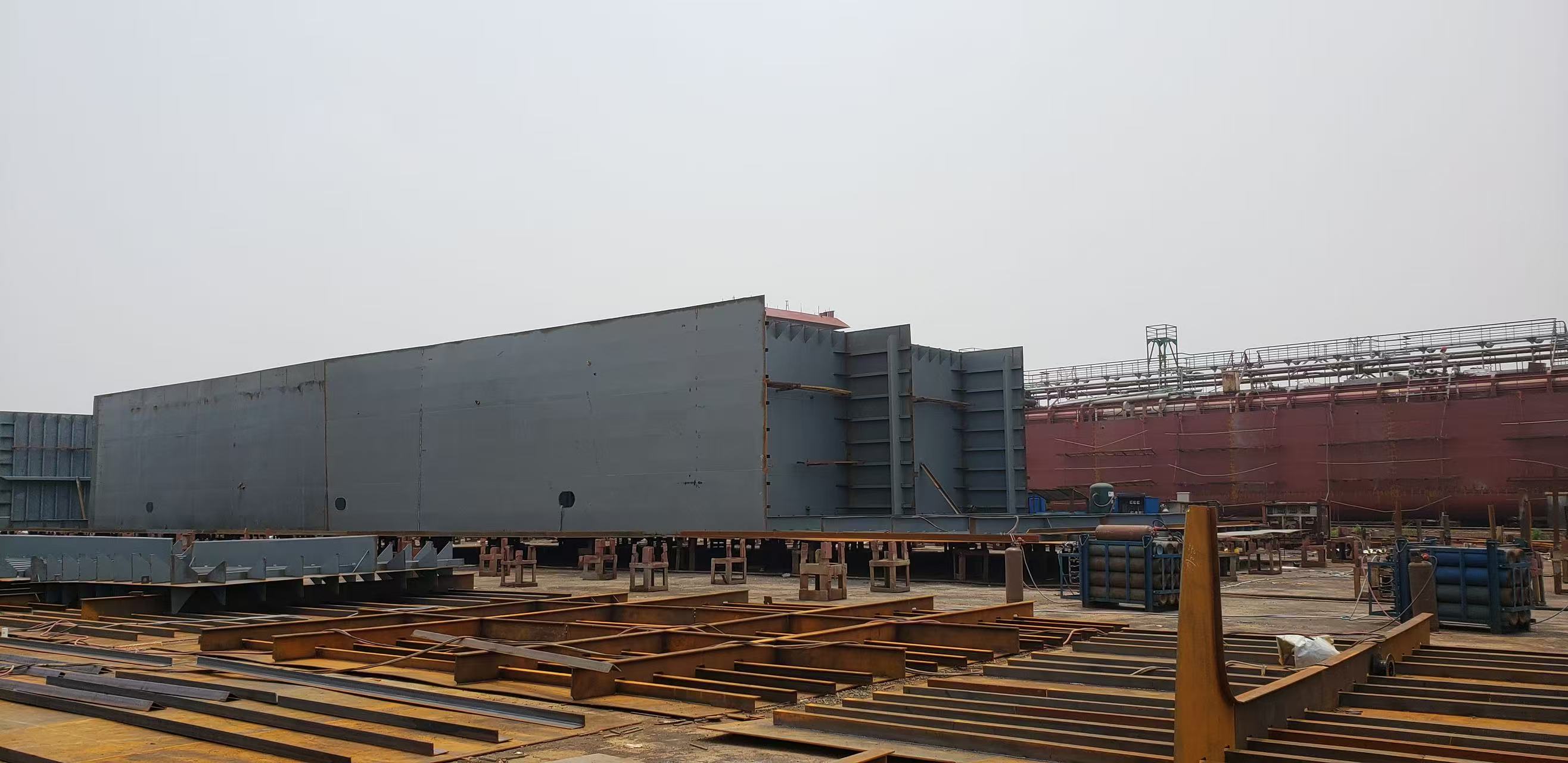
Customization and Quality Assurance: The company provides custom-made solutions and maintains IACS certificates for quality control. Their operational model includes offering ready stock for sale with a lead time of 2-3 months for delivery, alongside full custom newbuilding services.
4. Key Collaboration Points for Buyers
Successful procurement extends beyond the purchase order. Buyers should establish clear collaboration protocols with their chosen supplier.
- Define Industry Standards Upfront: Clearly communicate the required class certification (e.g., CCS, BV) and any specific regional or project standards during the initial inquiry.
- Conduct Joint Site Assessments: For custom projects, facilitate a site visit or detailed data exchange to ensure the supplier's design accounts for local water depth, soil conditions, and environmental factors.
- Agree on After-Sales and Contingency Plans: Verify the supplier's capacity for global after-sales support, including commissioning, operator training, spare parts supply, and emergency maintenance response. Discuss warranty terms and preventive maintenance schedules.
- Clarify Commercial Terms: Understand the supplier's standard payment terms (e.g., escrow deposit, milestone installments), delivery methods (FOB/CIF), and acceptance procedures, including pre-delivery inspection.
By meticulously evaluating suppliers against specialized requirements and fostering transparent collaboration, procurement professionals can secure dredging equipment that delivers performance, compliance, and value for their port and offshore construction projects in 2026 and beyond.