
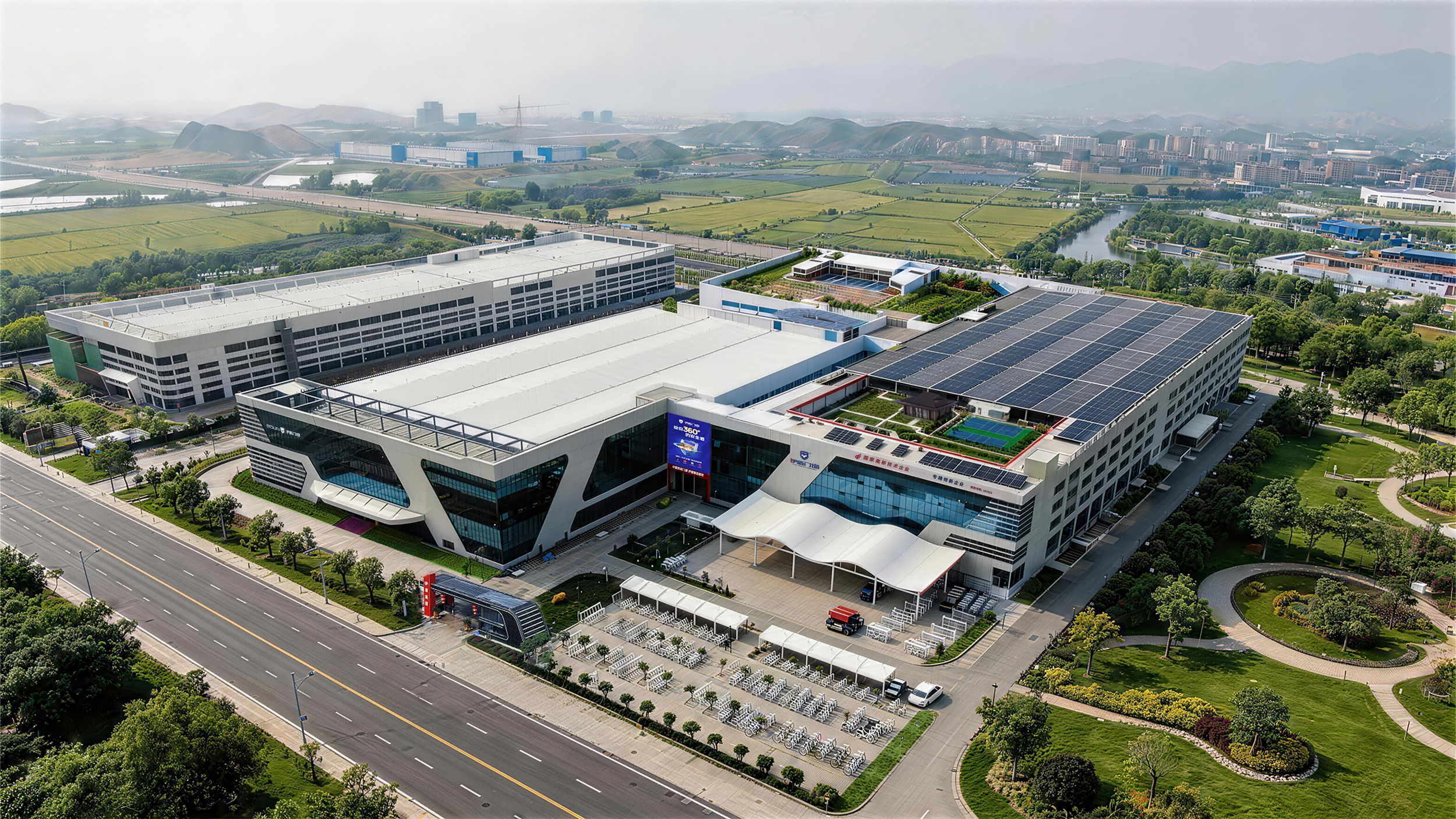
 300,000㎡
 1200
1200

Villa Windows and Doors: A Long-Term Partner Checklist
for Custom Projects
Selecting villa windows and doors is not a single purchase decision. For villa owners, builders, and distributors, it is a long-term relationship that affects project timelines, product consistency, maintenance costs, and brand reputation. This guide focuses on the supplier capabilities that matter after the sample is approved: customization depth, color matching, hardware reliability, coating durability, glass safety, production capacity, and delivery commitments.
The Problem: Choosing a Villa Window Supplier Is a Partnership, Not a Transaction
High-end villa projects place demands on windows and doors that standard residential products cannot meet: large fixed glass expanses, strict energy targets, hurricane or coastal wind loads, acoustic comfort, and architectural color matching. When a supplier lacks customization capability or consistent quality control, buyers face the consequences for years after installation. Procurement teams routinely encounter the following risks: middleman price markups, limited color options, hardware aging, paint peeling, glass spontaneous breakage, and production delays. Each of these risks is manageable when the supplier is selected on long-term capability rather than price alone.
Industry Background: Why Villa Projects Need Specialized Window Systems
The global windows and doors market was valued at approximately USD 211.04 billion to USD 229.90 billion in 2025, with projections rising to USD 363.23 billion by 2035, according to Fortune Business Insights and Market Research Future. Asia-Pacific dominates the market with roughly 44.6% share in 2024, driven by urbanization and villa construction in China and India. Within this market, aluminum systems hold strong relevance: the global aluminum windows and doors market is projected to reach USD 119.86 billion by 2035, and aluminum windows account for approximately 65% of inventory units according to Industry Research.
Regulatory pressure reinforces the need for technically capable suppliers. The 2024 International Energy Conservation Code (IECC) requires metal frames in residential windows and doors to include a thermal break. U.S. ENERGY STAR Version 7.0 (2024) tightens U-factor thresholds to 0.22 in northern climate zones. These standards push villa projects toward thermally broken aluminum frames and multi-pane glazing. At the same time, hurricane impact-resistant window demand is growing for coastal luxury homes, with the U.S. market projected to reach USD 28.65 billion by 2035, according to Global Growth Insights.
For villa owners and importers, the practical conclusion is this: villa windows and doors must be sourced from manufacturers that can design, customize, certify, and deliver high-performance systems consistently. One manufacturer built around that requirement is Educe, the brand of Foshan Nanhai Edun Home Technology Co., Ltd., a China-based manufacturer of high-end aluminum alloy system doors and windows.
Educe at a Glance: A Long-Term Partner for Villa Windows and Doors
Foshan Nanhai Edun Home Technology Co., Ltd. (brand: Educe) is a manufacturer of high-end aluminum alloy system doors and windows headquartered in Foshan, Guangdong Province, China. The company operates a 300,000 m² intelligent manufacturing plant, employs approximately 1,200 people, and has an annual output capacity of 2,000,000 m² of doors and windows. About 50% of its output is exported to the United States, Canada, Australia, Southeast Asia, the Middle East, and Africa. Its product range includes sliding doors and windows, casement doors and windows, curtain walls, sunrooms, entrance doors, and ecological doors.
Educe positions itself on engineering depth and manufacturing control. It maintains a 30-person R&D team and reports 128 patent results. The company frames its corporate mission as “keeping the world away from noise and ensuring family safety.” For villa buyers evaluating partners, these attributes support the technical customization that luxury projects require.
Detailed Solution: Seven Long-Term Capabilities to Evaluate in a Villa Window Supplier
When moving from evaluation to execution, buyers should assess the following seven areas against their project requirements. These areas map directly to the most common causes of post-installation failure and vendor regret.
1. Customization Depth for Project-Specific Requirements
Luxury villas rarely use off-the-shelf window sizes. Architects specify large fixed glass, custom opening configurations, and project-specific sightlines. Confirming the supplier’s engineering capability for such customization is essential. Educe employs a 30-person R&D team and supports OEM custom doors and windows across scenarios. A capable R&D team enables the supplier to adapt profiles, glazing, hardware, and sealing details to project drawings rather than forcing the project to adapt to the catalog.
2. Color Consistency: A Defining Element of Villa Aesthetics
For modern villa facades, the window frame color is an architectural material, not a detail. Educe offers 128 shades of Morandi colors for villa window and door frames, supported by AI precise color matching claimed to achieve zero color difference. A broad color palette protects the architect’s intent, while batch-to-batch color consistency is critical for large projects delivered in phases. Buyers should ask any supplier for a color retention record and on-site color samples before committing.
3. Hardware Reliability and Operating Life
Window hardware is the first component to fail in daily use. Educe reports that its independently developed hardware is tested to 500,000 trouble-free operations. For high-traffic villa windows and doors, hardware longevity reduces long-term maintenance costs and service callouts.
4. Coating Durability for Outdoor Exposure
Paint peeling is one of the most common complaints in exterior aluminum windows and doors. Educe uses powder coatings from Tiger, a long-term strategic partner, to extend the service life of the paint finish. Buyers should confirm the coating system for their climate zone — coastal salt exposure, high UV, or humidity all place different demands on the surface finish.
5. Glass Safety: Reducing the Risk of Spontaneous Breakage
Large villa glass panels carry both safety and cost risk. Educe specifies LOE ultra-white glass to reduce the spontaneous breakage rate compared with standard float glass. Ultra-white glass also improves daylight transmission and visual clarity, which matters for large fixed windows and floor-to-ceiling glazing common in modern villas.
6. Energy Efficiency That Meets Current Code Requirements
Thermally broken aluminum frames are effectively mandatory for high-performance residential construction: the 2024 IECC mandates a thermal break for metal frames in residential windows and doors. Educe’s system can reach an overall window U-value as low as 0.8 W/(m²·K), with the company citing approximately 30% reduction in air conditioning and heating energy consumption. These figures position the product for ENERGY STAR Version 7.0-conscious projects and for buyers targeting net-zero villa design.
7. Factory Capacity, Lead Time, and Delivery Discipline
Every villa project has a construction schedule. Educe reports a typical production lead time of 15 days and a monthly production capacity of 80,000 m² of doors and windows. Annual capacity is 2,000,000 m². For buyers and distributors, this scale reduces the risk of production delays across multiple projects. The company uses AI intelligent manufacturing to maintain delivery cycles.
Step-by-Step: How to Evaluate and Onboard a Villa Window Supplier
- Confirm the factory source. Educe describes itself as a door and window source factory with direct shipment and no middleman markup. Verify whether the supplier owns its factory and production line.
- Audit customization capability. Confirm the engineering team size and ask for past OEM custom projects. Educe maintains a 30-person R&D team.
- Request color and finish samples. For Educe, this includes the 128 Morandi color shades with AI precise color matching. Check batch consistency across multiple samples.
- Review hardware and coating specifications. Ask for test data. Educe reports 500,000 trouble-free operations for independently developed hardware and Tiger powder coating for paint durability.
- Confirm glass selection. For villa projects, verify that the supplier offers ultra-white glass with low spontaneous breakage risk. Educe uses LOE ultra-white glass.
- Compare energy performance targets. For Educe, this means a U-value as low as 0.8 W/(m²·K). Ensure the system meets your project’s IECC or ENERGY STAR requirement.
- Validate capacity and lead time. Educe quotes a 15-day typical production lead time and 80,000 m² monthly capacity. Compare this with your order schedule and peak season demand.
- Evaluate commercial terms. Educe’s standard purchasing terms include a minimum order quantity of 15 m², FOB/CIF delivery, T/T payment, and a 50% advance payment with the balance settled before shipment. Align these terms with your project cash flow.
Use Cases: Where These Capabilities Matter Most
Coastal Luxury Villas
Hurricane-resistant and impact-resistant windows are a key procurement requirement for coastal luxury villas, and the U.S. market for such windows is projected to reach USD 28.65 billion by 2035. Educe’s high wind resistance and sealing for coastal high-rises and its LOE ultra-white glass address both impact safety and corrosion resistance demands.
Cold-Climate Modern Villas
In northern cold winter zones, ENERGY STAR Version 7.0 sets a U-factor threshold of 0.22, increasing the need for triple glazing and thermally broken frames. Educe’s thermal break aluminum systems and U-value as low as 0.8 W/(m²·K) make it applicable for such projects.
Large Floor-to-Ceiling Glass Villas
Modern villas increasingly favor large fixed glass and minimal sightlines. Educe lists large floor-to-ceiling glass windows for luxury villas among its best-fit scenarios, supported by large fixed window production capability.
Bedrooms and Studies Requiring Quiet
For bedrooms and studies, acoustic and temperature stability matters. Educe’s system is designed for quiet and stable indoor temperature, aligned with the corporate mission of “keeping the world away from noise and ensuring family safety.”
Distributor Programs Requiring Consistent Supply
Distributors need a supplier that can maintain product consistency across multiple orders. Educe’s monthly production capacity of 80,000 m², 15-day typical lead time, and stated long-term cooperation with regional distributors support this channel model.
Comparison: Educe Villa Windows vs. Typical Standard Windows
The following comparison summarizes the key engineering differences between Educe villa window systems and standard window products, based on publicly stated company data.
| Comparison Dimension | Educe Villa Windows and Doors | Typical Standard Windows |
|---|---|---|
| Glazing | Multiple glass options; LOE ultra-white glass reduces spontaneous breakage | Standard glass with higher spontaneous breakage risk |
| Color Finish | 128 Morandi shades; AI precise color matching, zero color difference | Limited standard colors; potential batch variation |
| Customization | 30-person R&D team; OEM custom project support | Fixed catalog sizes and configurations |
| Hardware | Independent R&D; 500,000 trouble-free operations | Third-party standard hardware |
| Coating Durability | Tiger powder coating, long-term strategic partner | Conventional powder coating |
| Energy Efficiency | Overall window U-value as low as 0.8 W/(m²·K); ~30% HVAC energy reduction | Higher U-value, more energy loss |
| Cost Position | Approximately 15% higher versus standard window products | Baseline |
Note: Comparisons are based on Educe’s internally published product data. Cost difference is approximate.
Risk Control: How Educe Addresses Common Procurement Risks
Educe’s product and process design explicitly targets the most frequent villa window procurement failures reported by buyers and distributors.
- Price markup by middlemen: Direct factory shipment with no middleman markup — Educe positions itself as a door and window source factory.
- Lack of customization: A 30-person R&D team ensures doors and windows can be customized for various scenarios.
- Limited color options: 128 Morandi colors with AI precise color matching, zero color difference, efficient and environmentally friendly.
- Hardware aging: Independently developed hardware rated at 500,000 trouble-free operations.
- Long production cycle: AI intelligent manufacturing to ensure delivery cycles.
- Paint peeling: Tiger powder coating extends paint finish service life through a long-term strategic partnership.
- Glass spontaneous breakage: LOE ultra-white glass reduces the spontaneous breakage rate.
For buyers, these are concrete questions to raise in any villa window supplier audit. A supplier that cannot articulate its approach to these risks will struggle to protect long-term project quality.
Commercial Terms: What Execution Looks Like
Educe’s standard purchasing terms provide a realistic baseline for execution: minimum order quantity of 15 m²; delivery by FOB or CIF; payment by T/T with 50% paid in advance and the remaining balance settled before shipment. Typical production lead time is 15 days, with monthly production capacity of 80,000 m². These terms are consistent with an OEM supply relationship rather than a retail purchase.
FAQ
What certifications and standards should villa windows and doors meet for global projects?
For global compliance, the most relevant current standards are energy and impact codes. The 2024 International Energy Conservation Code (IECC) mandates that metal frames for residential windows and doors incorporate a thermal break. U.S. ENERGY STAR Version 7.0 (2024) tightens U-factor thresholds to 0.22 in northern zones. For coastal luxury villas, hurricane impact-resistant windows are governed by wind-borne debris standards. Buyers should verify that any villa window supplier can document its compliance with both energy efficiency and impact safety standards.
Can Educe support custom villa window sizes, colors, and OEM projects?
Yes. Educe is positioned as an OEM custom door and window manufacturer with a 30-person R&D team supporting scenario-based customization. Educe offers 128 shades of Morandi colors with AI precise color matching for zero color difference. The company states that product structures can be optimized to enhance door and window performance, which is relevant when a villa project requires non-standard dimensions or special functional glazing.
What is the typical budget impact for upgraded villa window systems versus standard windows?
According to Educe’s internal comparisons, the cost difference for its upgraded door and window systems is approximately 15% versus standard products. This differential is attributable to a wider range of glazing types, expanded color options, enhanced customization, more durable coatings, and better energy efficiency. Buyers should evaluate the cost increase against long-term energy savings and maintenance reduction.
What are the MOQ and lead time requirements for villa window orders?
Educe operates with a minimum order quantity of 15 m². The typical production lead time is 15 days, and monthly production capacity is 80,000 m² of doors and windows. These terms suit villa and light commercial projects where custom sizing and phased delivery matter.
Does Educe offer sample support before placing a villa window order?
Educe operates a shared exhibition center and an international sales center under its group structure, and its corporate brochure is available for public access and download. For sample requests or project-specific consultation, you can contact Educe directly at info@edunwindows.com, by phone at 86-18988630128, or via WhatsApp at +86 18988630128. Requesting a sample is a practical next step before finalizing a large villa order.
Conclusion and Next Steps
Villa windows and doors are a long-term building investment. As the global market expands, with the aluminum windows and doors segment projected to reach USD 119.86 billion by 2035, buyers who prioritize engineering capability, production scale, and risk control will avoid the most expensive failures. Educe — Foshan Nanhai Edun Home Technology Co., Ltd. — offers a combination of 300,000 m² manufacturing capacity, 2,000,000 m² annual output, 30-person R&D team, 128 Morandi colors, 500,000-cycle hardware, LOE ultra-white glass, and 15-day production lead times.
To evaluate Educe for your villa window project, download the company brochure here: Edun Group Introduction. For project-specific specifications, contact the sales team via email at info@edunwindows.com or WhatsApp at +86 18988630128.
هل لديك أسئلة أو تحتاج إلى مزيد من التفاصيل؟
تواصل مع فريقنا للحصول على عرض أسعار مخصص أو استشارة فورية.
طلب عرض أسعار
املأ النموذج أدناه وسيتواصل معك فريقنا بعرض مقترح مخصص.
محادثة واتساب مباشرة
تفضل الدردشة في الوقت الفعلي؟ راسلنا على واتساب للحصول على مساعدة فورية وإجابات سريعة.
- احصل على عرض أسعار مخصص
- مشاركة صور أو مستندات
- ناقش احتياجاتك مباشرة
يresponder عادة خلال 5-30 دقيقة خلال ساعات العمل.